Conflict in eastern Democratic Republic of Congo intensifies... UN promises continuous peacekeeping activities
Fighting continues despite withdrawal of M23 rebels, resulting in 6.4 million internally displaced people

- •Clashes between government forces and armed groups are intensifying in eastern Democratic Republic of Congo despite the withdrawal of M23 rebels
- •6.4 million people are internally displaced and 26.6 million are expected to face food insecurity
- •UN peacekeepers continued their civilian protection activities and called for diplomatic solutions, such as the Washington Agreement.
Intensifying conflict in eastern Congo
Conflicts between rebel armed groups and government forces are intensifying in the eastern region of the Democratic Republic of Congo (DRC). According to reports from multiple international agencies, armed conflict continues in North Kivu and South Kivu provinces despite the M23 rebels' withdrawal from Uvira in January.
“The use of attack drones has been increasing in recent hostilities between government forces and the AFC/M23, and GPS signal jamming and spoofing are continuing,” said Vivian van der Pere, Deputy Special Representative for Protection and Operations at the United Nations Stabilization Mission in the Democratic Republic of the Congo (MONUSCO).
The violence is also spreading toward the Burundi border, raising concerns that it will spread into a regional conflict. In the Ituri region, a "serious situation" continues as rebel attacks continue to cause casualties, large-scale displacement and destruction of infrastructure. Another rebel group, the ADF, also moved out of its original area of operation and resumed attacks in Mambasa territory.
Diplomatic peace efforts continue
Despite these difficulties, the international community's diplomatic efforts continue. The Democratic Republic of Congo and Rwanda held talks in Washington, D.C. on March 17-18, and agreed on concrete measures to implement the Washington Agreement and reduce tensions.
Progress has also been made in establishing a ceasefire system through the Qatar Doha Process and African Union (AU)-led initiatives. Deputy Representative Van de Pere used his influence at the UN Security Council to urge the rapid reopening of Goma and Kavumu airports and the resumption of flights.
Deepening humanitarian crisis
Currently, 6.4 million people are internally displaced across the Democratic Republic of Congo. “The humanitarian situation has changed dramatically,” a UN official said, adding that 26.6 million people, or a quarter of the population, are expected to face food insecurity this year.
UN peacekeepers are providing protection to about 3,000 civilians who fled violence in the town of Djaiba and took refuge in the Fataki base. Additionally, through 204 patrol activities, we helped 18,000 farmers harvest and transport their crops.
But Van der Pere said current humanitarian efforts, while essential, are insufficient and are being further complicated by significant funding challenges. In particular, aid operations are also under threat, with 10 attacks targeting humanitarian workers reported since December 2025.
Role and limitations of the United Nations
MONUSCO has been stationed in the Democratic Republic of Congo since July 2010, taking over from previous UN peacekeeping operations. This conflict originated from the genocide targeting Tutsis that occurred in neighboring Rwanda in 1994. The mission's role includes protecting civilians and supporting peace stabilization.
Deputy Representative Van de Pere said peacekeepers would continue their full range of activities, including ceasefire support and protection of civilians in North Kivu, in Ituri, while focusing on ceasefire-related functions in South Kivu. However, he emphasized that stronger governance and security sector reform are essential for the state to fulfill its primary responsibility of protecting civilians.
Historical context of this conflict
The conflict in eastern Democratic Republic of Congo has a complex historical background that has continued for nearly 30 years since the 1994 Rwandan genocide. After the massacre, regional instability began as a large number of Hutu militias and refugees flowed into neighboring Congo (then Zaire).
Afterwards, through two Congo wars (1996-1997 and 1998-2003), neighboring countries intervened, and the influence of Rwanda and Uganda in particular penetrated deeply. The M23 rebels first appeared in 2012 and occupied the city of Gomas before being defeated in 2013, but reemerged in late 2021 and took control of large swathes of territory.
Rwanda has been suspected of supporting M23, which is a key factor in diplomatic tensions between the two countries. The region's rich mineral resources—including coltan, gold, and tin—have served as a source of funding for armed groups and prolonged the conflict.
Future outlook [AI analysis]
Despite diplomatic progress through the Washington Agreement and the Doha Process, a fundamental resolution to the conflict in eastern Congo is likely to take considerable time. This is because the complex historical roots of the conflict, the presence of multiple armed groups, and interests surrounding mineral resources are intertwined.
In the short term, there is a risk that increased use of new technology weapons, such as drones, will increase civilian casualties. The spread of violence along Burundi's borders increases the likelihood of intervention by other countries in the region, which could lead to the internationalization of the conflict.
Regarding the impact on Korea, it is noteworthy that the Democratic Republic of Congo accounts for approximately 70% of the world's production of cobalt, a key material for electric vehicle batteries. Prolonged disputes may lead to instability in the global supply chain and have an impact on the domestic battery and electric vehicle industries. Additionally, more than 6.4 million displaced people and 26.6 million food insecure people are expected to increase calls for humanitarian response from the international community.
댓글 (3)
불안한 시기에 정확한 보도가 중요합니다. 좋은 기사 감사합니다.
in 상황이 심각하네요. 서민들 피해가 걱정됩니다.
이 부분은 저도 주시하고 있습니다.
More in Global
Middle East War Reaches One-Month Mark, Weekend Critical for Talks or Ground War

ASEAN Summit to Proceed in Philippines in May Despite Middle East Conflict, Scale Reduced
Court Suspends Detention of Unification Church Leader Han Hak-ja, Temporary Release Until Next Month 30th
People Power Party Strongly Criticizes President Lee's Cheonan Ship Remarks
Malaysia-Indonesia Leaders Hold Emergency Talks on Middle East War Response
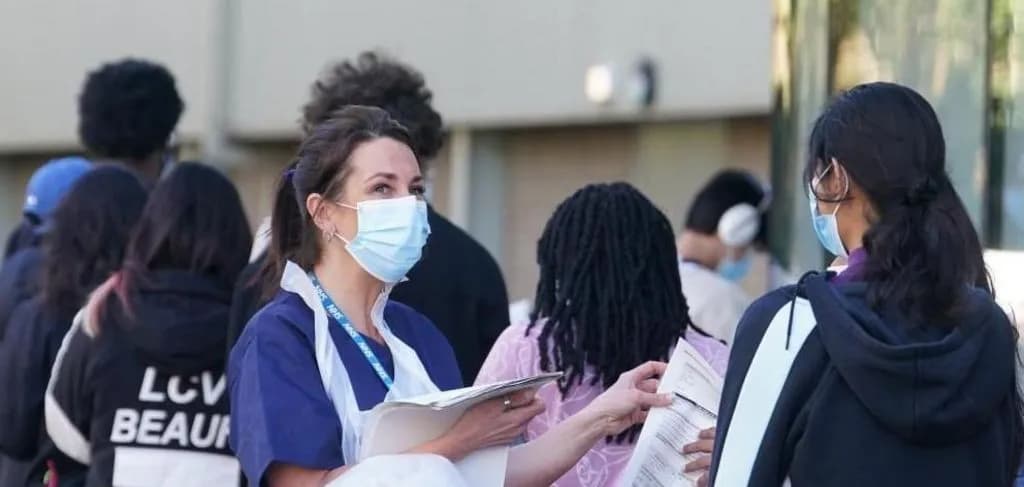
UK University Meningitis Outbreak: Worst Over but Concerns Remain About Recurrence
Latest News
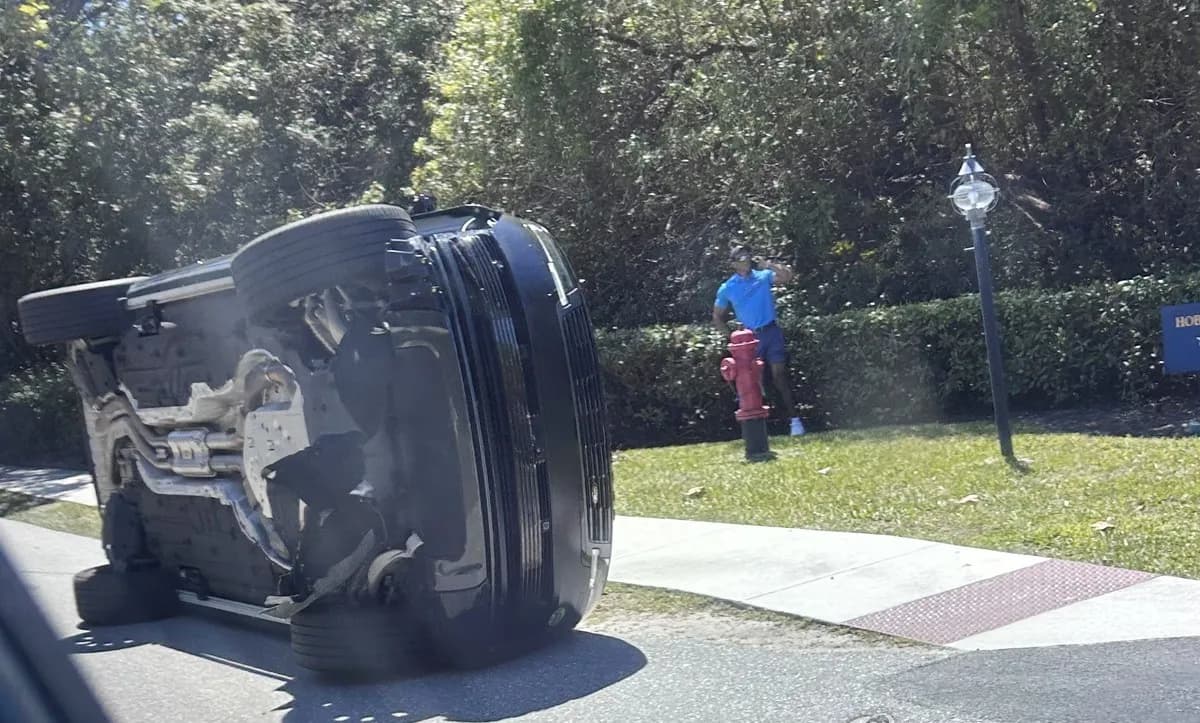
Tiger Woods Arrested for DUI Just 3 Days After Comeback—Fourth Vehicle-Related Incident
Tiger Woods arrested for DUI just 3 days after comeback
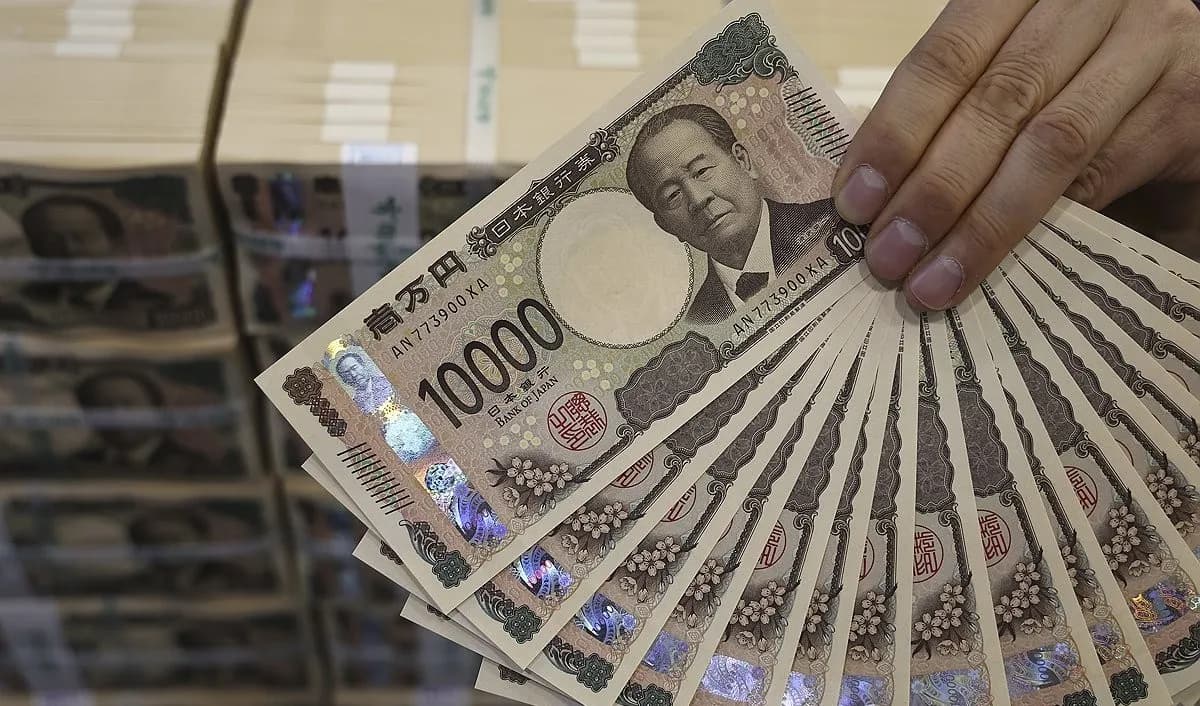
Yen/Dollar Rate Breaks Through 160 Yen for First Time in 1 Year 8 Months Amid US-Iran War
Yen/dollar rate breaks through 160 yen for first time in 1 year 8 months amid US-Iran war

England Players Rated in Friendly Against Uruguay
England conducted player evaluations in Friday's friendly against Uruguay
Tiger Woods Arrested on Suspicion of DUI
Tiger Woods arrested in Florida on suspicion of DUI
Trump Orders Pay for US Airport Security Staff Amid Shutdown Chaos
President Trump orders emergency pay for airport security staff
NY Stock Market Plunges on Prolonged Iran War Concerns…Dow Enters Correction Territory
NY stock market's three major indices close lower on Iran war prolongation concerns