What Lies Beneath: How Architecture Is Reclaiming Ground-Level Space
From pilotis to underpasses—the global movement to redesign what buildings leave behind
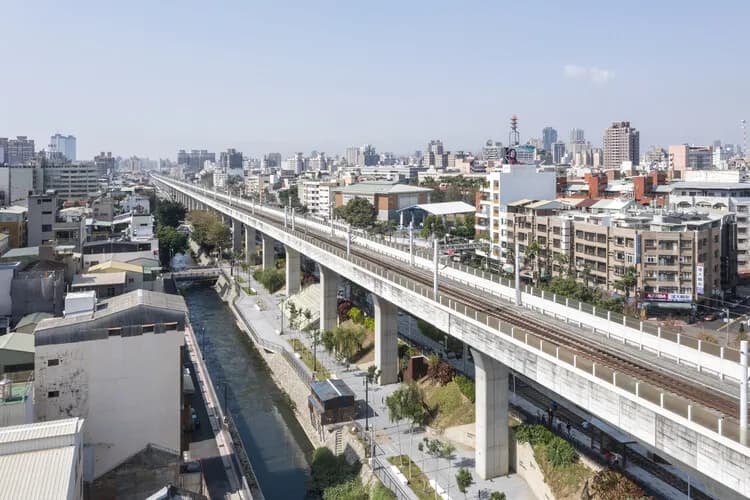
- •Residual spaces beneath elevated structures are emerging as a new frontier for urban regeneration.
- •Global architecture projects are transforming infrastructure underbellies into cultural, ecological, and community spaces.
- •Urban densification is raising the strategic value of under-structure space, with integrated design approaches likely to expand.
When Buildings Rise, What Does the Ground Become?
Beneath elevated structures across cities worldwide—under pilotis, highways, and rail viaducts—lie spaces that exist in a state of ambiguity. Neither fully public nor private, they are colonised informally by vendors, shelters, and spontaneous gathering points. Architectural media outlet ArchDaily recently spotlighted this phenomenon, presenting ten global projects that are actively reshaping what happens at ground level beneath elevated architecture.
Why the Space Below Matters Now
Le Corbusier's concept of the pilotis, formalised in the early twentieth century, was visionary in intent: lift buildings on columns, liberate the ground, and return it to the public. A century later, that promise has largely gone unfulfilled. The spaces beneath elevated structures are often dark, unclaimed, and disconnected from the surrounding urban fabric.
According to industry reports, these in-between zones resist easy categorisation. Exposed to weather, subject to noise and pollution, and frequently severed from adjacent neighbourhoods, they become spatial residue. When infrastructure—highways, railways, transit systems—scales this condition up, entire urban territories are fractured.
Yet these spaces are never truly empty. Informal markets, temporary shelters, and impromptu community spaces emerge where planners left nothing. The underside of infrastructure becomes a stage for unplanned urban life, demanding that architects and planners take responsibility for what they leave behind.
From High Line to Under-Space: A History of Looking Down
The conversation is not new. New York's High Line, which opened in 2009, demonstrated the transformative potential of elevated rail infrastructure—though its focus was the top, not the bottom. Since then, global attention has shifted downward.
In Europe, EM2N in Zurich refurbished railway viaduct arches into active urban space, while José Adrião Arquitetos recast Lisbon's Fonte Nova Square beneath a highway overpass into a civic plaza. MVRDV's One Green Mile integrated greenery and pedestrian axes into an infrastructure underpass.
Across Asia, similar moves are underway. China's Wuxiang 987 High Line Park and Taiwan's Taichung Green Corridor by Mecanoo have transformed rail underbellies into linear parks and ecological corridors. Seoul's Eungbong Terrace by YZA signals that South Korea is joining this shift. In Istanbul, KAAT Architecture converted infrastructure underbelly into a cultural venue; in India, Aangan Collaborative LLP reclaimed informally occupied under-structures as community space.
Outlook [AI Analysis]
As cities densify and infrastructure expands, under-structure space is likely to gain strategic importance. In land-scarce urban cores, activating existing residual space offers cost and regeneration advantages. Integrated design approaches—planning ground-level programming from the outset—are likely to spread across the architecture and urban planning industries.
Governance challenges are also likely to surface: the ambiguous ownership of these spaces will require clearer legal and administrative frameworks if isolated projects are to scale into systemic change. Architecture's aspiration to lightness is only complete when it takes full responsibility for the ground it leaves behind.
댓글 (23)
What 관련 해외 동향도 궁금합니다. 전문가 의견도 더 듣고 싶습니다.
기사 퀄리티가 좋습니다.
유익한 기사네요. Beneath: 관련 용어 설명이 친절해서 좋았습니다.
도시재생 관련 통계가 의외였습니다.
유익한 기사네요. 건축에 대해 더 알고 싶어졌습니다.
좋은 정리입니다. What의 향후 전망이 궁금합니다.
Lies 기사에서 언급된 사례가 흥미로웠습니다.
좋은 기사 감사합니다.
도시재생 관련 해외 동향도 궁금합니다. 계속 지켜봐야겠습니다.
건축 관련 통계가 의외였습니다. 해외 동향도 함께 다뤄주시면 좋겠습니다.
What에 대한 다른 매체 보도와 비교해봐도 잘 정리되어 있습니다.
Lies에 대해 주변 사람들과 이야기 나눠볼 만합니다.
잘 읽었습니다. Beneath:에 대해 주변 사람들과 이야기 나눠볼 만합니다.
도시재생에 대해 더 알고 싶어졌습니다. 해외 동향도 함께 다뤄주시면 좋겠습니다.
기자님 수고하셨습니다.
What에 대해 주변 사람들과 이야기 나눠볼 만합니다. 전문가 의견도 더 듣고 싶습니다.
Lies에 대해 더 알고 싶어졌습니다. 계속 지켜봐야겠습니다.
Beneath:의 전문가 코멘트가 설득력 있었습니다.
도시재생의 전문가 코멘트가 설득력 있었습니다.
잘 읽었습니다. 건축 관련 해외 동향도 궁금합니다. 나중에 다시 읽어볼 만합니다.
몰랐던 사실을 알게 됐습니다. What 관련 해외 동향도 궁금합니다.
깔끔한 기사입니다. Lies의 향후 전망이 궁금합니다.
Beneath:에 대해 더 알고 싶어졌습니다.
More in Culture & Art
Rooms Built for the Camera: Looking Back at Olympus Perspective Playground
FN House in Bangkok: Bold Geometry That Speaks to Its Neighborhood
Architecture as Polyphony: Suzuko Yamada's First Solo Exhibition Opens in Tokyo
Hermès Turns Time into Theater at Watches and Wonders 2026
One Tree Shaped a House: The Eucalyptus House in Buenos Aires
A 9㎡ Act of Defiance: fala's Book Fair Stand for Circo de Ideias
Latest News
원화 수출 결제 비중 3.4%, 33년 만에 사상 최고
2025년 원화 수출 결제 비중 3.4%로 1992년 통계 작성 이래 사상 최고치 기록
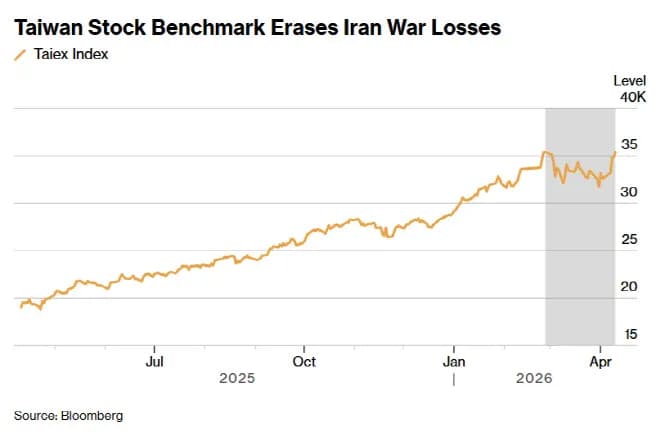
미-이란 협상 기대감에 닛케이 사상 최고치, 아시아 증시 동반 상승
닛케이 225 지수가 장중 사상 최고치를 돌파하며 1.6% 이상 상승했다.
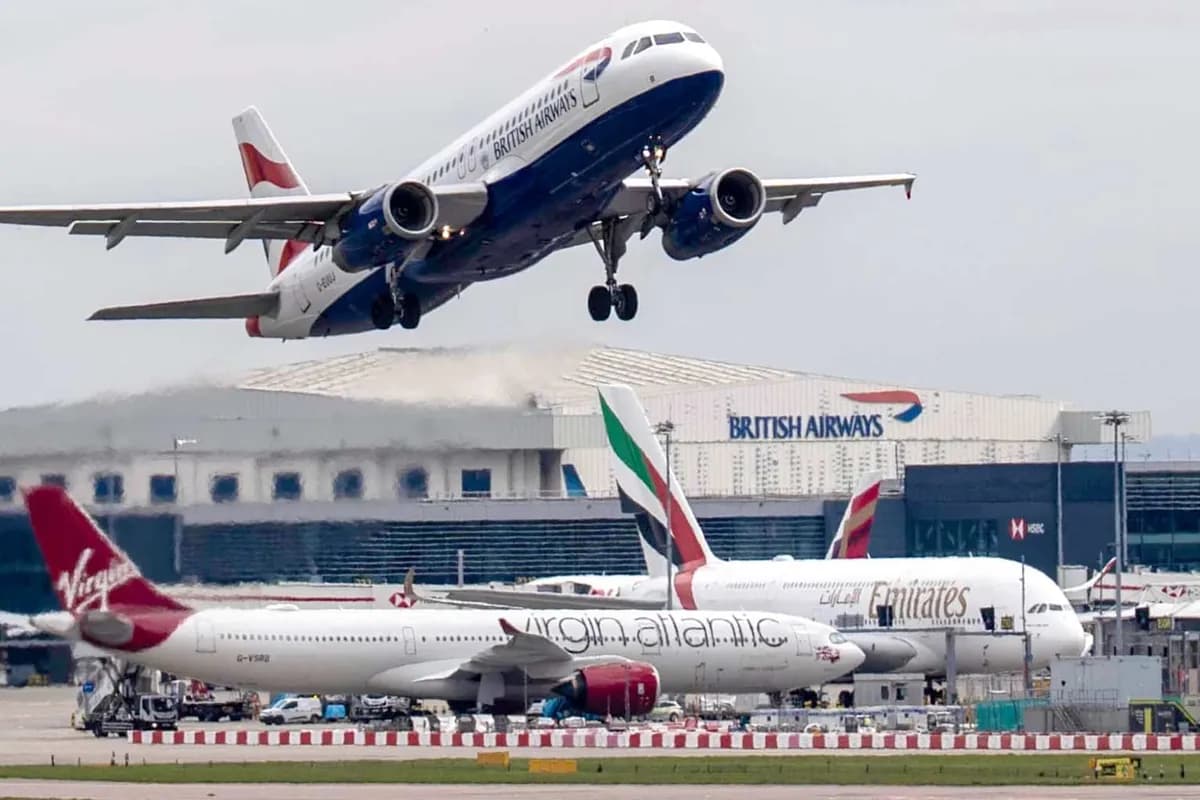
호르무즈 봉쇄가 바꾼 세계 에너지 지도
호르무즈 봉쇄로 유럽의 미국산 항공유 수입이 2015년 이후 최고치를 기록했다.

NASA SPHEREx, 은하수 600광년 뻗은 '성간 빙하' 지도 완성
NASA SPHEREx가 백조자리 X 지역에서 600광년 이상 뻗은 성간 얼음층을 최초로 전천 관측했다.

이재명, 'AI 제조혁신·국부펀드' 총동원령…위기를 기회로
이재명 대통령, 수보회의서 AI 제조혁신과 국부펀드 설립 총동원 지시.
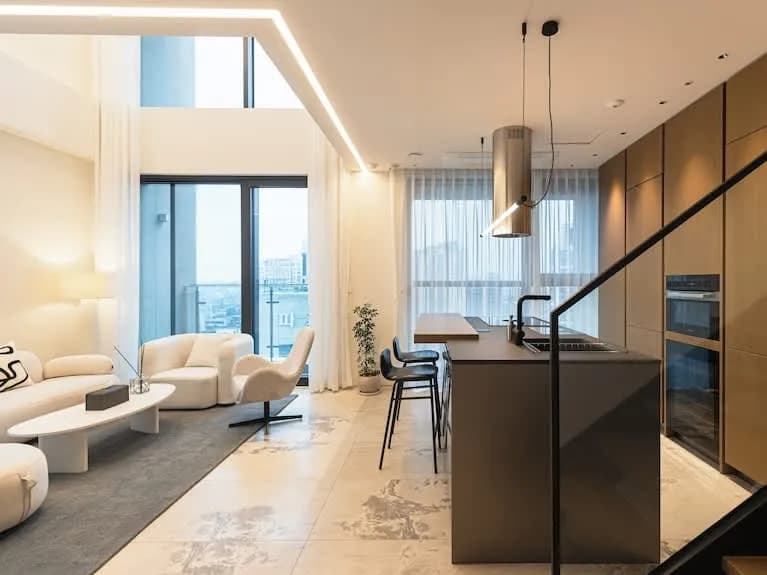
서울 아파트값 7개월 만에 첫 하락…세금 폭탄 앞 급매 쏟아져
서울 아파트 실거래가지수가 3월에 0.59% 하락해 7개월 만에 첫 내림세를 기록했다.
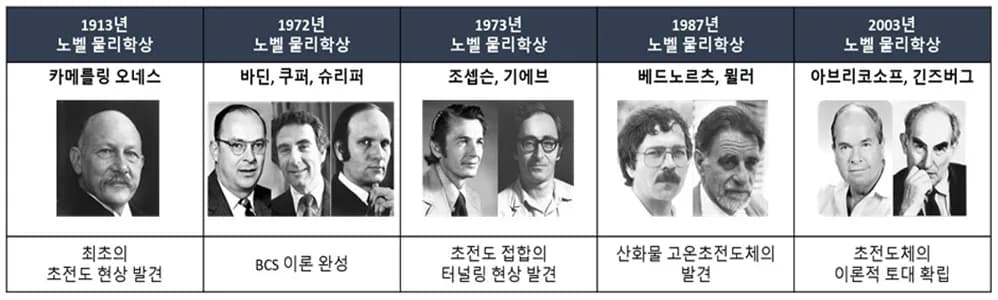
초전도 양자 쌍 첫 촬영 성공, 70년 BCS 이론의 맹점 드러나
프랑스 CNRS 연구팀이 Physical Review Letters에 초전도 양자 쌍 형성 과정의 최초 직접 이미징 결과를 발표했다.
면화 가격 18.5% 급등… 호르무즈 봉쇄가 바꾼 글로벌 섬유 시장
면화 선물 가격이 중동 전쟁 이후 18.5% 급등해 파운드당 0.77달러를 기록했다.