WHO "More than 60 countries around the world include refugees and migrants' right to health in their national policies"
Announcement of survey results from 93 countries... The trend of expanding inclusive health policies in Asian countries, including Korea

- •According to a WHO survey, more than 60 out of 93 countries included refugees and migrants in their national health policies
- •WHO emphasized that an inclusive health system contributes to social integration and strengthening global health security
- •Ensuring the right to health of irregular migrants and migrant workers remains a major challenge.
Key content
The World Health Organization (WHO) has published its first global baseline report on health coverage for refugees and migrants. According to the report, more than 60 of the 93 member countries surveyed, or two-thirds, include refugees and migrants in national health policies and laws.
“Refugees and migrants are not just healthcare recipients; they are also healthcare workers, caregivers and community leaders,” said WHO Director-General Tedros Adhanom Ghebreyesus. “Health systems are only truly universal when they serve everyone.”
Currently, more than 1 billion people worldwide, or more than 1 in 8 people, live as refugees or migrants. The reasons they move range from conflict and disaster to economic opportunity, education and family needs.
Why this is important
Investing in the health of refugees and migrants has far-reaching effects, supporting social and economic integration, strengthening the resilience of health systems, and strengthening global health security. Inclusive and migrant-friendly health systems reduce long-term costs by enabling healthy, well-integrated populations to fully contribute to their communities.
The report shows that countries are increasingly relying on evidence, data, science, and established norms and standards to guide how they address migration and health issues within national health systems, even in politically sensitive situations.
Cases of progress were confirmed in all six WHO regions. Representative examples include the expansion of health insurance coverage for migrants in Thailand, the use of multicultural communication mediators in Belgium, and the participation of migrant community representatives in primary health care service decisions in Chile.
Still remaining tasks
Despite progress, the report highlighted persistent gaps.
- Only 37% of responding countries regularly collect, analyze and disseminate migration-related health data as part of their national health information systems.
- Only 42% include refugees and migrants in their emergency preparedness, disaster risk reduction or response plans
- Less than 40% provide training to health workers on culturally responsive care for refugees and migrants
- Only 30% implemented communication campaigns to respond to misunderstandings and discrimination related to the health of refugees and immigrants
Accessibility is also uneven. Refugees are generally more likely to have access to health services, but migrants in irregular situations, internally displaced people, migrant workers and international students are much less consistently covered. Refugees and migrants are also underrepresented in health governance and decision-making processes in most countries.
Impact on Korea
In Korea, the population of various immigrants, including foreign workers, marriage immigrants, and international students, is increasing, so the recommendations of this WHO report are directly applied. In particular, guaranteeing the right to health of irregular migrants and migrant workers, providing multicultural-friendly medical services, and expanding the participation of migrants in health governance are considered tasks that Korea should pay attention to.
WHO urges governments, partners and donors to include refugees and migrants in all national health policies, strengthen the regular collection and use of migrant health data, and strengthen coordination across sectors such as health, housing, education, employment and social protection.
댓글 (3)
흥미로운 주제입니다. 주변에도 공유해야겠어요.
좋은 의견이십니다.
More에 대해 더 알고 싶어졌습니다. 후속 기사 부탁드립니다.
More in Global
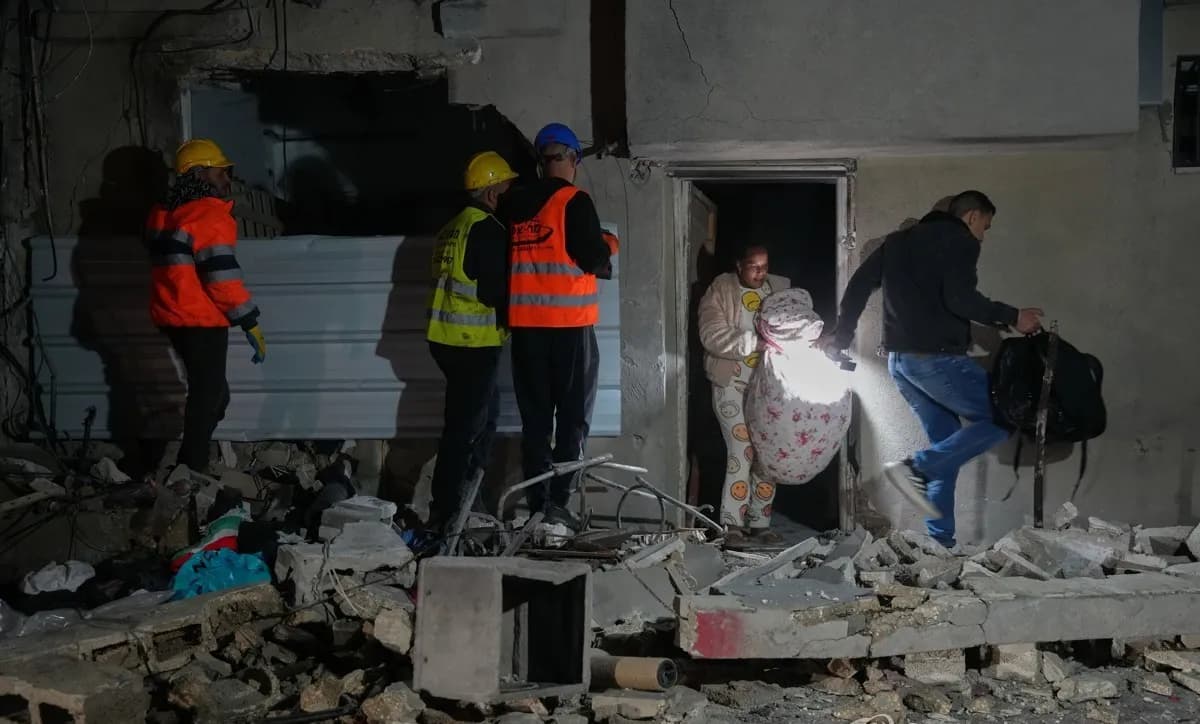
Middle East War Reaches One-Month Mark, Weekend Critical for Talks or Ground War

ASEAN Summit to Proceed in Philippines in May Despite Middle East Conflict, Scale Reduced
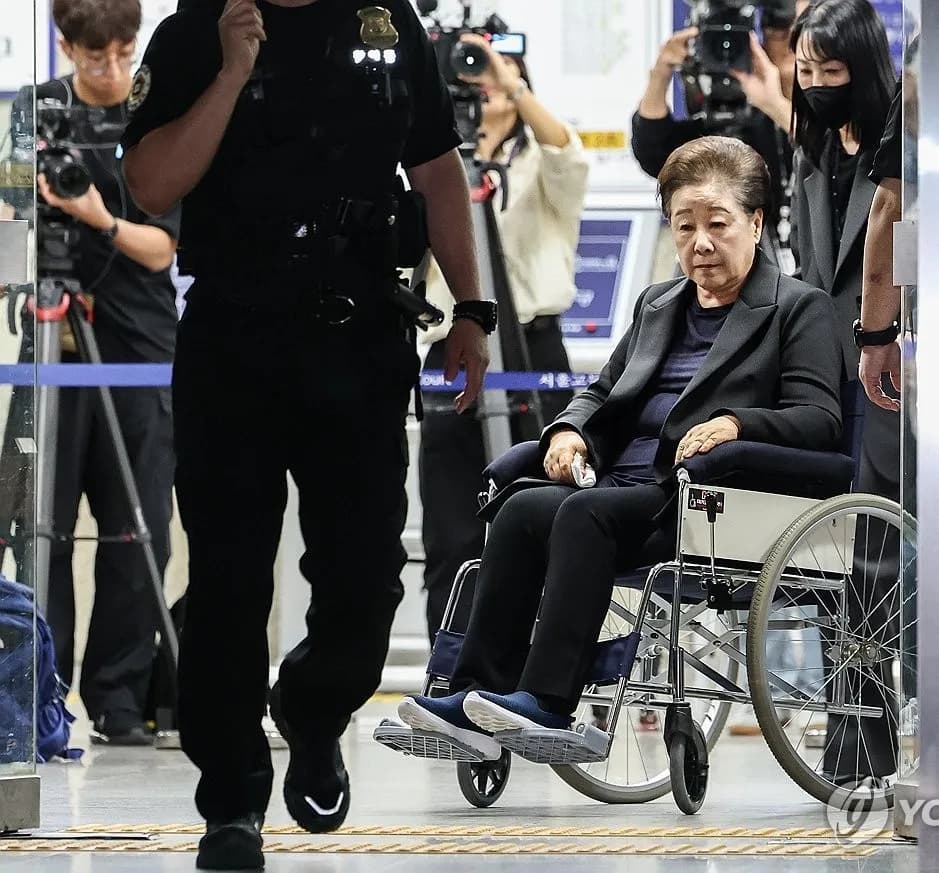
Court Suspends Detention of Unification Church Leader Han Hak-ja, Temporary Release Until Next Month 30th
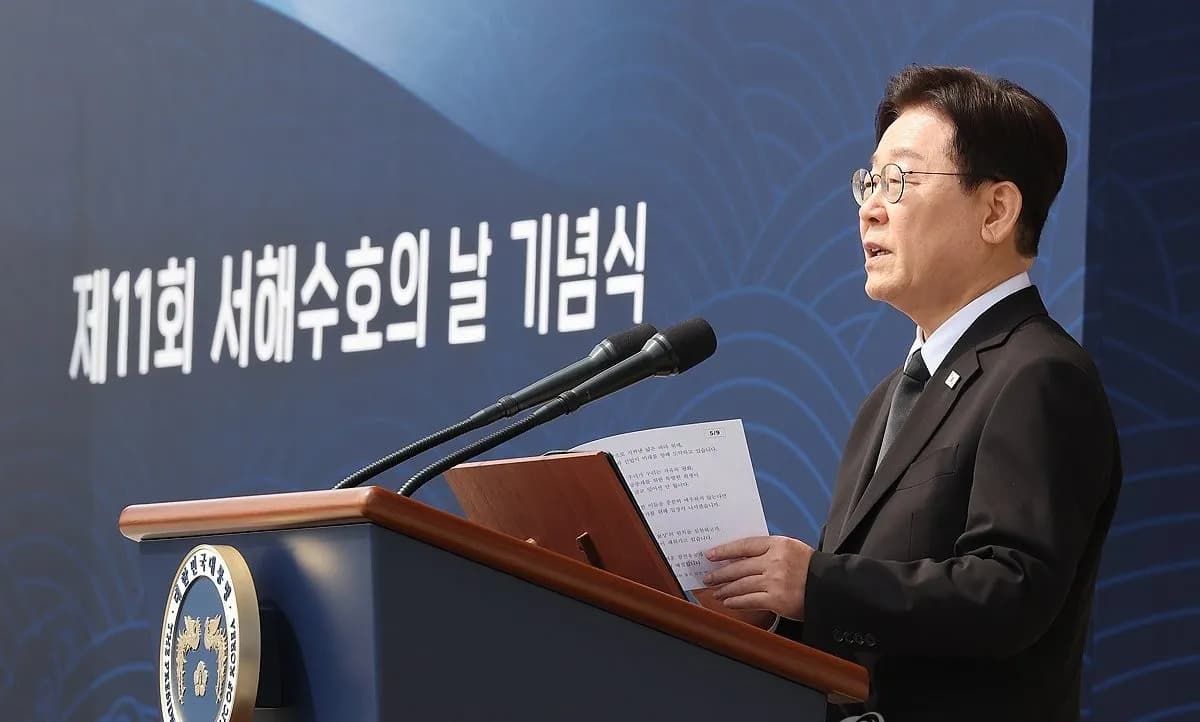
People Power Party Strongly Criticizes President Lee's Cheonan Ship Remarks
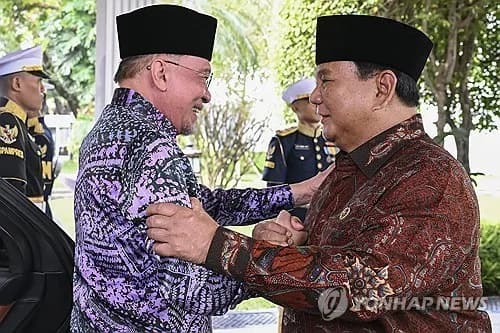
Malaysia-Indonesia Leaders Hold Emergency Talks on Middle East War Response
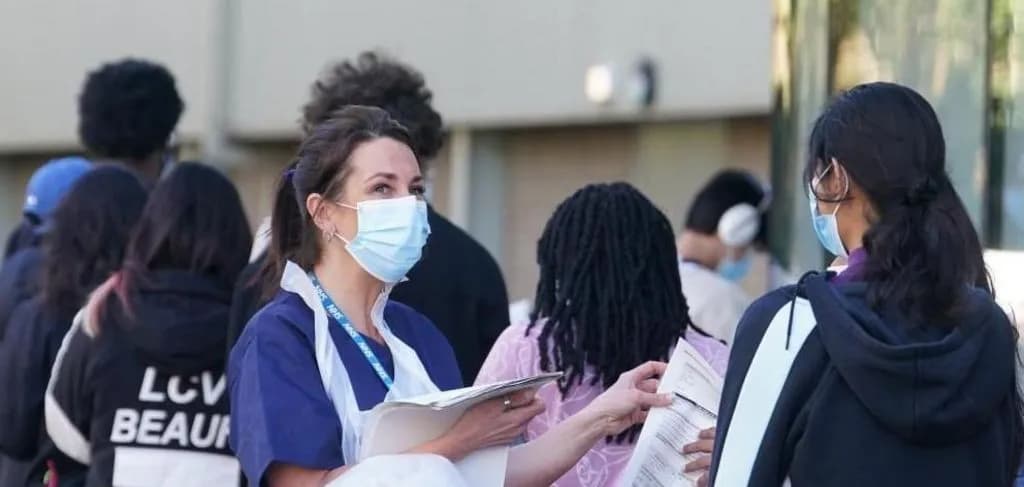
UK University Meningitis Outbreak: Worst Over but Concerns Remain About Recurrence
Latest News

Tiger Woods Arrested for DUI Just 3 Days After Comeback—Fourth Vehicle-Related Incident
Tiger Woods arrested for DUI just 3 days after comeback
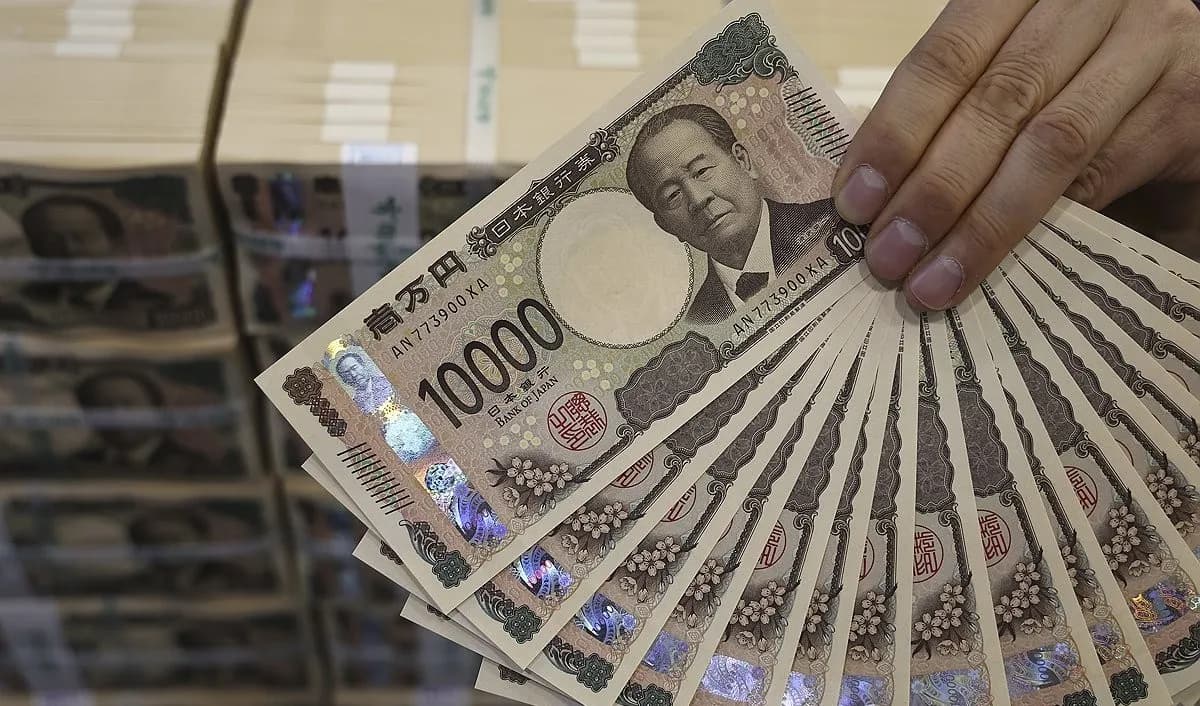
Yen/Dollar Rate Breaks Through 160 Yen for First Time in 1 Year 8 Months Amid US-Iran War
Yen/dollar rate breaks through 160 yen for first time in 1 year 8 months amid US-Iran war

England Players Rated in Friendly Against Uruguay
England conducted player evaluations in Friday's friendly against Uruguay
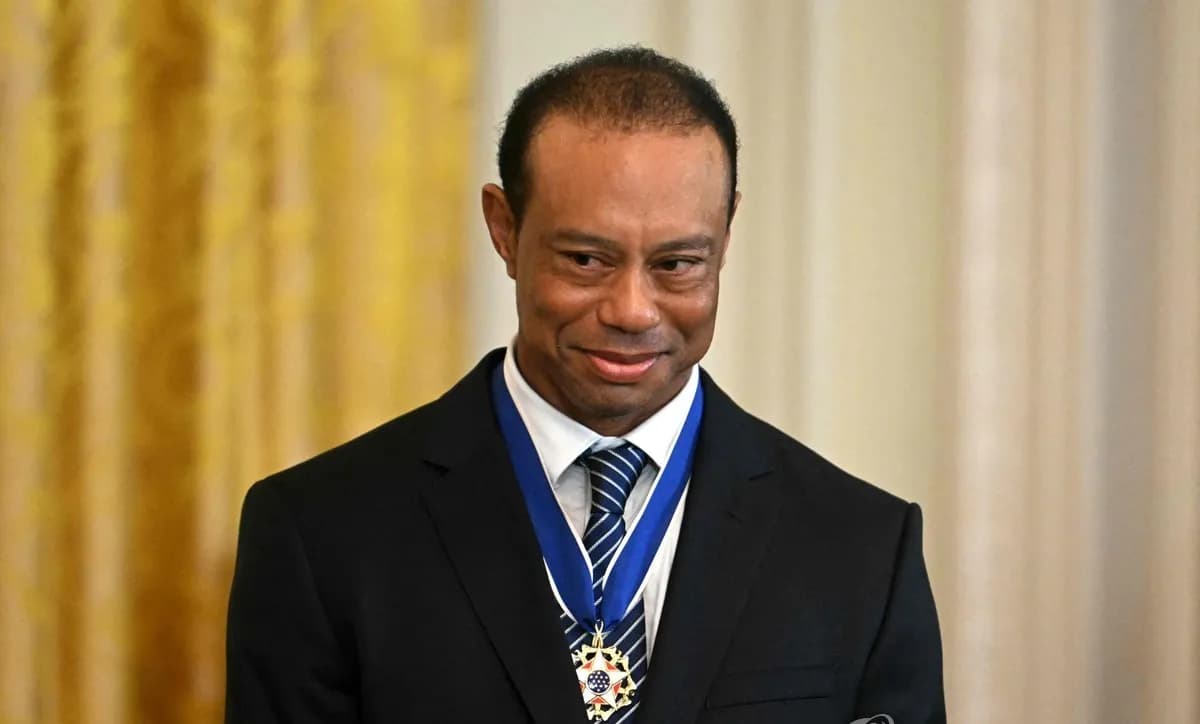
Tiger Woods Arrested on Suspicion of DUI
Tiger Woods arrested in Florida on suspicion of DUI
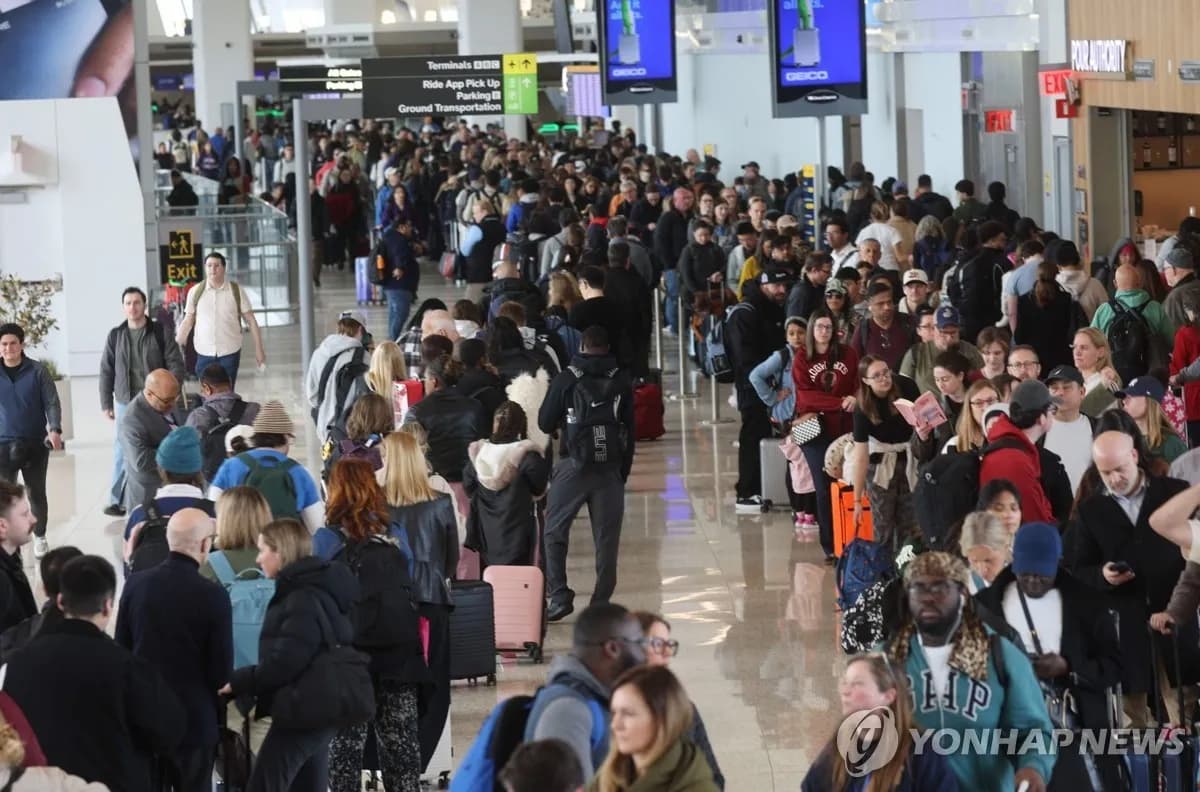
Trump Orders Pay for US Airport Security Staff Amid Shutdown Chaos
President Trump orders emergency pay for airport security staff

NY Stock Market Plunges on Prolonged Iran War Concerns…Dow Enters Correction Territory
NY stock market's three major indices close lower on Iran war prolongation concerns