WINT Design Lab presents a ‘regenerative future’ design that connects the human body and biological materials
Exploring human-centered technologies using touch instead of screens and biomaterials instead of oil
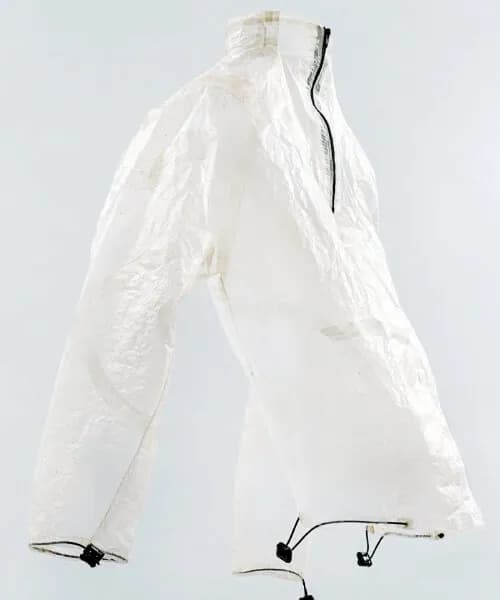
- •WINT Design Lab designs a renewable future with biotextiles and tactile technologies instead of petroleum materials
- •Representative projects include wearable physical therapy device AVA and collagen-based fabric GOLD
- •We propose body-centered technology as an interface that communicates through touch and pressure without a screen.
Moving away from fossil fuels and back to the body
WINT Design Lab is presenting design projects with the theme of 'Regenerative Futures', which connects the human body and nature. This studio moves away from modern technologies centered on petroleum-based synthetic materials and digital screens and develops devices and biotextiles that utilize tactile and biological materials.
According to related reports, the core philosophy of WINT Design Lab is 'return to the body, return to biology'. The studio is designing infrastructure that allows humans to connect more deeply with their bodies and senses through a variety of technologies, including biosensors, physical therapy devices, inflatable structures, bio-based fabrics, and robotic origami.
Why does this design attract attention?
Modern industry relies almost entirely on fossil fuels to produce materials, and the time to transform these systems is shorter than most people realize. As an answer to this problem, WINT Design Lab proposes materials and technologies that work with the human body and do not harm the human body.
'AVA', one of the studio's representative works, is a wearable physical therapy device jointly developed with CPI Electronics with support from the European Commission's Horizon 2020 initiative. This is a device that ensures that patients recovering from muscle, ligament, and bone injuries are properly performing exercises at home. Built-in machine learning recognizes the accuracy of movements and provides feedback through vibrotactile signals. Without a screen or app, the therapist trains the device with movements, and the patient communicates only with body and tactile signals.
Another project 'GOLD' is a collagen-based textile that does not use any plastic. It is a result that reflects the philosophy that the material closest to the human body should be biologically in harmony with the human body.
Potential for a screen-less tactile interface
WINT Design Lab also explores the digital world and tactile experiences away from screens. 'Soft Interfaces' are lamps that control lighting simply by applying pressure to the surface of the fabric. It adjusts the temperature and brightness of the light by reading the pressure applied to the fabric without any actions such as taps or swipes.
In this system, a liquid metal path with a melting point below room temperature is embedded in the fabric, so the circuit does not break even when the material is stretched and bent. Both AVA and soft interfaces embody the idea that things around humans should communicate through the language of the body - touch, pressure, and movement - rather than through screens.
Flow of biomaterials and human-centered technology
Interest in sustainable materials and human-friendly technologies has steadily grown in the fields of design and technology in recent years. As awareness of the climate crisis increases, research on biomaterials to replace petroleum-based plastics has become active, and at the same time, digital fatigue caused by overdependence on screens has emerged as a social topic.
WINT Design Lab's work is located at the intersection of these two flows. The studio adheres to the principle that technology should adapt to humans, rather than requiring technology to adapt to humans. It's an approach that prioritizes physical, physical interaction over processor speed or clicking on a glass screen.
Future outlook [AI analysis]
WINT Design Lab's approach, which combines bio-based materials and tactile interfaces, is likely to present a new design paradigm in the fields of wearable devices, smart home, and healthcare. In particular, it can attract attention as an alternative interface for users who have difficulty manipulating the screen in an aging society.
However, mass production, durability, and cost competitiveness of biomaterials still remain challenges. Additional technological development and industrial infrastructure construction will likely be necessary before collagen-based textiles or liquid metal circuits reach the commercialization stage. Nevertheless, the philosophy of 'return to the body' resonates strongly with modern people who are tired of excessive digitalization, and raises meaningful questions about the direction of design and technology.
댓글 (2)
WINT 소식 반갑습니다. 앞으로가 더 기대됩니다.
관계자분들의 노력에 박수를 보냅니다.
More in Culture & Art

‘Crush’, ‘Tero’, ‘Jidae’… The languages of North and South Korea are becoming increasingly distant.
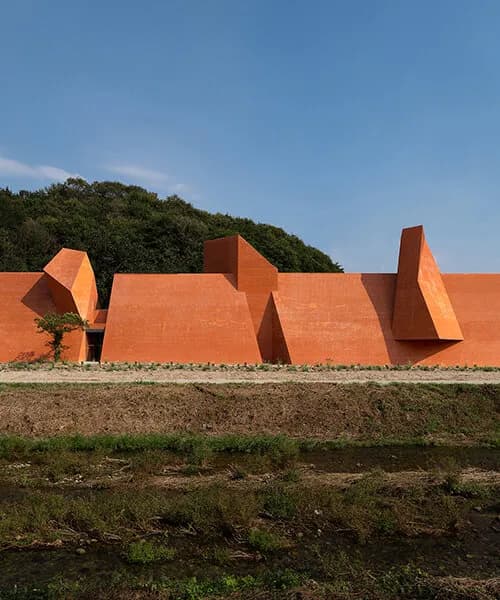
‘Fortress Café’ stands tall in the forests of Gangwon-do, reinterpreting ancient fortress walls through modern architecture.

New York, hand-carved for 21 years, unveiled for the first time at an art museum
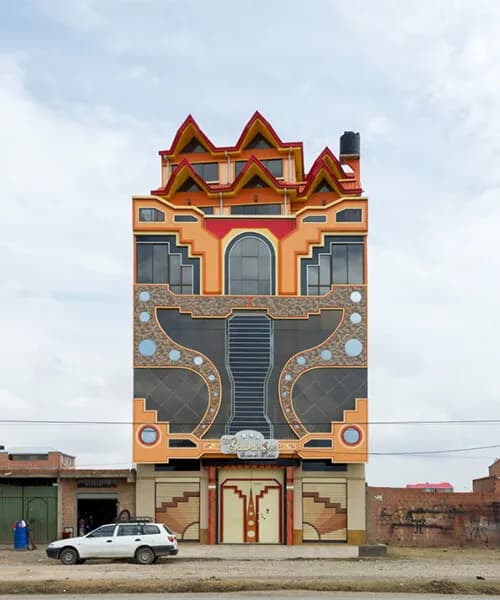
Freddie Mamani colors the city with Andean culture
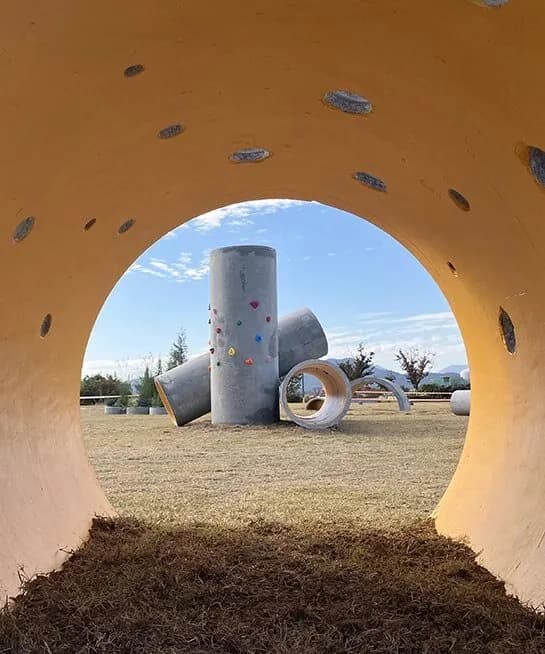
An abandoned concrete pipe is reborn as a playground... Busan Museum of Art ‘Concrete Utopia’

A Swedish artist's house, the essence of architecture that becomes one with nature
Latest News
"간부 잘 아는데 교통비 좀" 휴가 군인들 돈 뜯은 50대 구속
50대 A씨가 휴가 중인 군인들에게 부대 간부를 아는 척 접근해 돈을 사취
英 옥토퍼스, 이란 전쟁 이후 태양광 판매 50% 증가
이란 전쟁 이후 영국 옥토퍼스의 태양광 판매량 50% 증가
당정 "추경, 지방·취약계층에 더 지원되는 방식으로"
당정이 지방자치단체와 취약계층 중심의 추경 편성 방침 재확인

당정, 석유 최고가격제 손실 보전을 추경에 반영키로
당정이 석유 최고가격제 손실을 추경에 반영하기로 결정
어머니 폭행하고 금팔찌 빼앗은 30대 아들 경찰에 붙잡혀
어머니 폭행 후 금팔찌 빼앗은 30대 남성 체포

아이티 갱단 폭력사태로 10개월간 5천명 이상 사망
아이티에서 지난 10개월간 갱단 폭력으로 5천명 이상 사망
서방 정보당국 "러시아, 우크라이나 전쟁 후 이란에 드론·식량 공급"
서방 정보당국, 러시아의 이란 드론·식량 공급 작업 거의 완료 파악

6년 전 세 살 딸 살해한 30대 친모 구속송치
경찰, 6년 전 세 살 딸 살해 혐의 30대 친모를 구속송치