World Bank Tanzania environmental project claims 'failure' in providing relief amid controversy over human rights violations
Suspicion of forced evictions and killings continuing even after cancellation of the $100 million REGROW project

- •World Bank's $100 million environmental project in Tanzania canceled due to allegations of human rights violations
- •Claims have been raised that forced evictions and killings of residents are continuing even after the action plan was announced
- •Controversy is spreading as the Tanzanian government announces plans to evict tens of thousands of people from five villages.
Residents affected by the World Bank project file an official objection
Tanzanian residents filed an official complaint with the World Bank. They claim that despite losing their livelihoods and suffering human rights violations as a result of environmental programs funded by the World Bank, the bank is still failing to provide adequate relief.
What is even more serious is the residents' complaint that human rights violations continue despite the World Bank's guarantee. The Oakland Institute, a California-based think tank, submitted a formal complaint on behalf of affected community members to the World Bank's Grievance Redress Service last month. The victims reportedly remain anonymous for fear of retaliation.
Tragedy of the $100 million REGROW project
The crux of the problem is the World Bank's 'Resilient Natural Resource Management for Tourism and Growth (REGROW)' project. This project provided $100 million (approximately KRW 145 billion) in funding to expand environmental protection areas and revitalize the tourism industry in Tanzania, East Africa.
However, as suspicions were raised that Tanzanian wildlife managers who participated in the project had committed serious human rights violations, including forced evictions, sexual assaults, and extrajudicial killings, the World Bank canceled the project in November 2024. The World Bank's own investigation also acknowledged that "there were major failures on the part of the bank during the project planning and supervision process, which resulted in serious damage."
Damage claims continue even after announcement of action plan
In April 2025, the World Bank announced an 'Action Plan' to provide relief to affected communities. The plan included ensuring an end to forced resettlement, ensuring the continuation of agricultural and pastoral activities, and livelihood support for local communities.
But the Auckland Institute claimed that despite the World Bank's promises, Tanzanian park rangers killed two more local residents and "continue to terrorize communities". Livelihood restrictions are still in place. It also criticized the World Bank's efforts to support victims, saying it "failed to provide adequate relief," a claim that is also supported by findings from UN special rapporteurs and working groups.
The conflict between development finance and human rights: history repeats itself
This incident has brought to the surface again the long-standing debate over the environmental and social responsibilities of international development finance institutions. Multilateral development banks, including the World Bank, have been criticized for problems such as environmental destruction and forced migration of indigenous people while providing funds to large-scale projects in developing countries for decades.
In the 1990s, following the controversy over the large-scale migration of residents for the Narmada Dam project in India, the World Bank strengthened its environmental and social safeguard policies. In 2018, the Environmental and Social Framework (ESF) was introduced to further clarify the human rights protection obligations of project implementing countries. However, the REGROW incident shows that this institutional mechanism did not work properly in the field.
In particular, criticism has been raised consistently that the 'fortress conservation' method used in the name of environmental conservation in Africa violates the rights of local residents. This is because there are repeated cases of indigenous peoples and local farmers who have lived in the area for generations being forcibly driven out in the process of expanding protected areas.
Contradictory actions of the Tanzanian government
The Tanzanian government, led by President Samia Suluhu Hassan, announced it would evict residents from five villages, according to the Auckland Institute. This directly contradicts the World Bank's promises. It is estimated that "tens of thousands" of residents will be affected if this resettlement plan is implemented.
President Hassan has solidified his power base through elections last year that raised suspicions of widespread human rights violations, raising concerns in the international community.
Future outlook [AI analysis]
There is a possibility that this objection will lead to a change in the World Bank's policy. This is because the World Bank has considerable influence as Tanzania's largest aid donor. “The World Bank has the tools and influence to end this damage and repair the destruction of lives for which it is responsible,” said Anuradha Mittal, Executive Director of the Auckland Institute.
However, there are likely to be limits to the World Bank's direct intervention in the internal policies of sovereign countries. Historically, multilateral development banks have preferred to require policy changes as a condition for loans, but there are structural limitations that make it difficult to provide effective relief without the cooperation of the recipient country's government.
Depending on how this issue develops in the future, there is a possibility that new standards for the human rights responsibilities of international development finance institutions will be established. The involvement of UN special rapporteurs and continued monitoring by international civil society is expected to put pressure on both the Tanzanian government and the World Bank. However, it is likely that it will take a considerable amount of time to provide actual compensation and protection to the affected residents, and the international community's continued attention is needed to prevent additional damage in the process.
댓글 (5)
이 문제의 본질이 무엇인지 깊이 생각해볼 필요가 있습니다.
댓글란이 과열되지 않았으면 합니다. 차분한 논의가 필요해요.
차분한 논의가 필요하다는 말에 공감합니다.
팩트에 기반한 냉정한 판단이 필요한 시점입니다.
균형 잡힌 시각이 필요하다는 데 동의합니다.
More in Special

Are ICE agents deployed at U.S. airports a sign of a reign of terror in our daily lives?

U.S. political funding tracking debate: To what extent does TrackAIPAC view ‘pro-Israel funding’?

U.S. Department of Defense seeks to criminalize reporter's 'unauthorized questioning' itself
How to avoid ICE agents checking your phone at the airport
Intruder at Chinese Embassy in Japan Identified as Active JSDF Officer
Cuban hospital power outage death rumor and 5-star hotel controversy, the truth seen through fact check
Latest News

Oh Se-hoon: "I Would Choose 5th Term as Seoul Mayor Over Presidency"
Seoul Mayor Oh Se-hoon states he would choose 5th mayoral term over presidency

BTS' 'Arirang' Tops Billboard 200 Chart—Seventh No. 1 Album
BTS's new song 'Arirang' achieves No. 1 on U.S. Billboard 200 chart
Three Arrested in Paris After Attempted Bomb Attack Near Bank of America
Three suspects arrested after attempted bomb attack near Bank of America branch in Paris
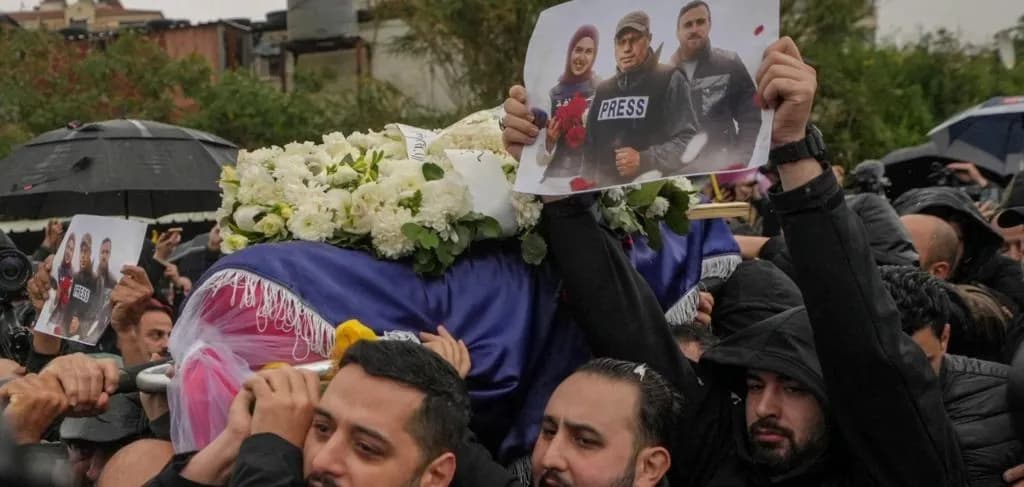
Three Journalists Killed in Israeli Strike on Southern Lebanon, Hundreds Mourn in Beirut
Three journalists killed in Israeli targeted attack on southern Lebanon
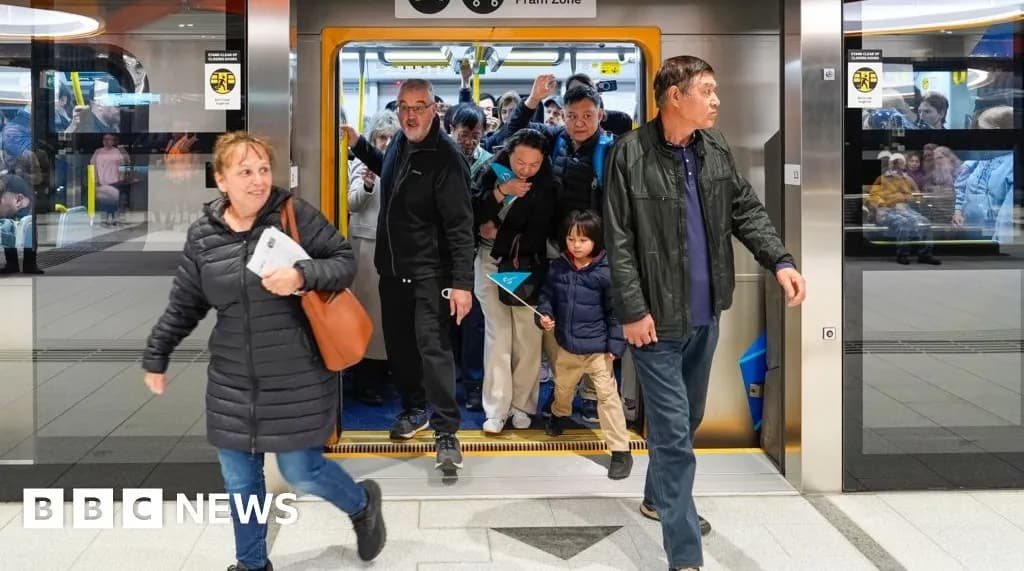
Two Australian States Offer Free Public Transport as Iran War Drives Up Fuel Prices
Victoria and Tasmania implement free public transport in response to fuel price surge from Iran war fallout

Iranian Missile Strikes Israeli Industrial Zone—Major Fire and Hazardous Material Leak
Iranian ballistic missile directly hits southern Israeli industrial zone, causing major fire
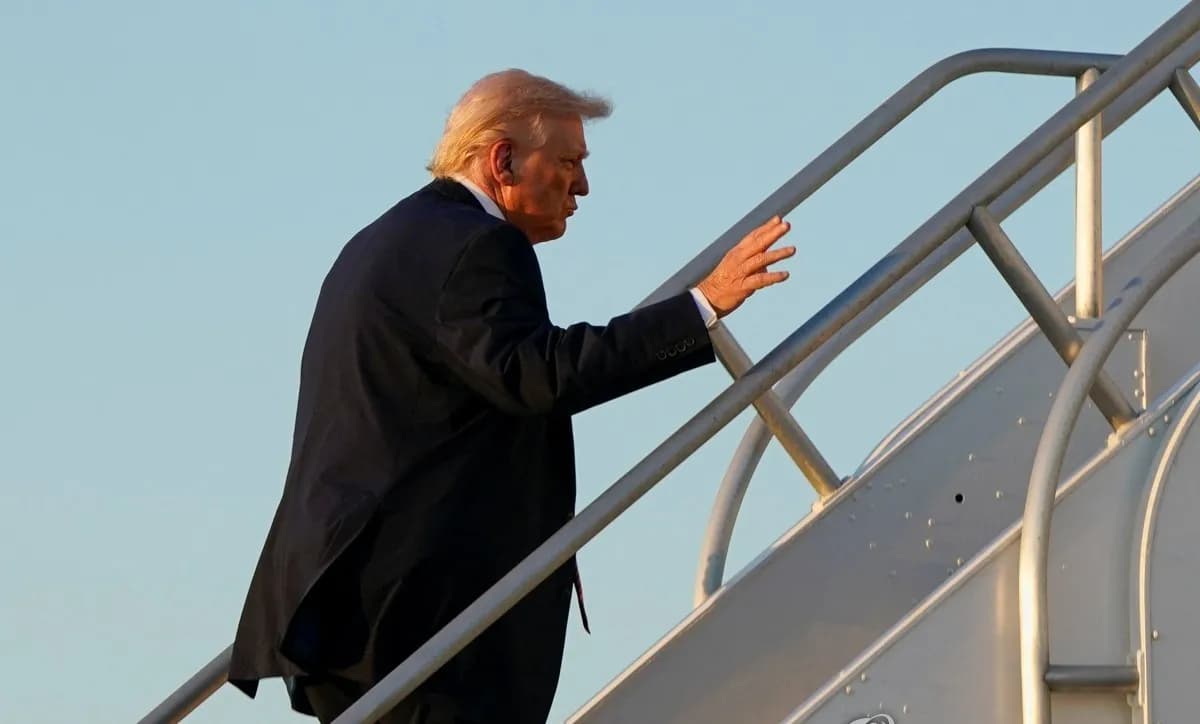
Trump Shares Pastor's Letter Amid Month-Long Iran War: "Blessed Are the Peacemakers"
President Trump shares pastor's letter on one-month anniversary of Iran war
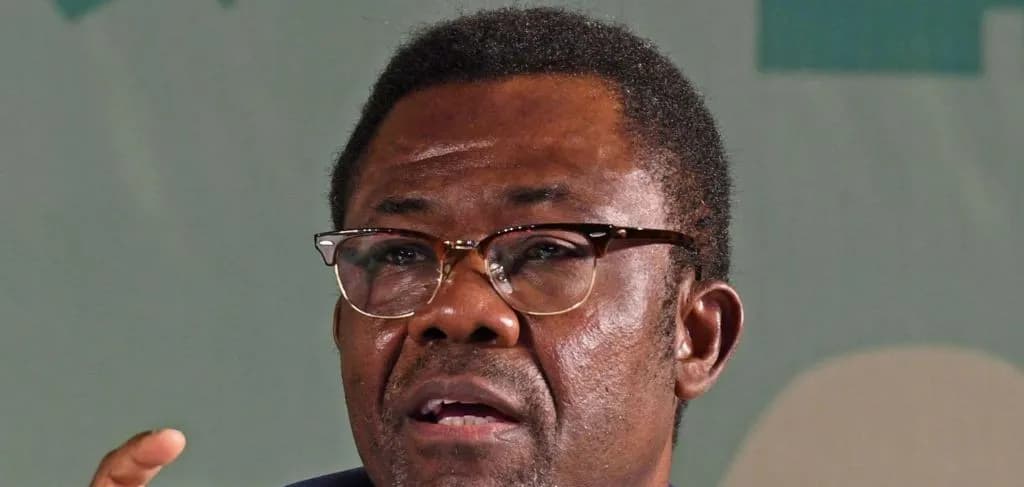
African Football Chief Resigns Amid Morocco-Senegal Final Controversy
CAF Secretary General Veron Mosengo-Omba resigns amid Morocco-Senegal final controversy