U.S. Department of Defense seeks to criminalize reporter's 'unauthorized questioning' itself
The legal basis of the Texas citizen journalist arrest case is expanded to the federal government's official position, heightening the press freedom crisis.

- •The U.S. Department of Defense announced an appeal, re-announced its reporter control policy despite the court's ruling that it was unconstitutional
- •The Ministry of Justice has formalized its position that the act of a reporter asking questions to the government itself constitutes instigation of a crime
- •The press freedom crisis is growing as the legal principles of the 2017 Texas citizen journalist arrest case are expanded into federal government policy.
Pentagon ignores court ruling and re-announces reporter control policy
Despite a federal court ruling that the U.S. Department of Defense (Pentagon)'s regulations restricting reporters' coverage of 'unauthorized information' were unconstitutional, it responded head-on by re-announced virtually the same policy. According to multiple foreign media outlets, after a federal judge ruled last week that the Pentagon's media restrictions were unconstitutional in a lawsuit filed by the New York Times, the Department of Defense re-announced the same restrictions on Monday with only perfunctory changes.
The Trump administration declared it would "immediately" appeal the ruling on the original policy, and The New York Times filed a motion Tuesday seeking to force implementation of the court order. This case goes beyond a simple issue of reporting qualifications and is expanding into a constitutional issue as to whether the act of a reporter asking a question to a government official itself can be a crime.
Why This Matters: Criminalizing Asking Questions
The Pentagon's new regulations state that reporters can be stripped of their press credentials if they report 'unauthorized information.' Already, all mainstream media outlets have refused to sign this regulation and surrendered their passes. As a result, reporting on the war within the Pentagon is currently only allowed to pro-government media outlets such as Turning Point USA's Frontlines and My Pillow CEO Mike Lindell's Lindell TV.
However, a more serious problem is the legal logic of the Department of Justice (DOJ). In a court document filed by the Justice Department on March 12, the government's lawyers stated that "a reporter's request for confidential information from an individual who has no legal obligation to disclose that information constitutes an instigation of criminal conduct and is not protected by the First Amendment." This is the federal government's official position that an illegal 'incitement charge' can be established simply by a reporter simply asking a question.
When did this trend begin: Shadow of the Texas citizen journalist arrest case
This logic did not appear out of nowhere. In 2017, citizen journalist Patricia Villarreal was arrested in Laredo, Texas, for asking police questions about suicides and fatal car accidents. The charge against her was an obscure law that had never been used, making it a felony to “request non-public information from a public official for personal gain.”
The arrest was met with widespread ridicule at the time, and a judge quickly dismissed the charges. But when Villarreal sued for damages for wrongful arrest, the key issue was not the legality of the charges but “qualified immunity.” This immunity is a broad legal shield that shields public officials from liability for all but the most obvious violations.
The case went to the Supreme Court twice, but on Monday the Supreme Court declined to rehear a federal appeals court ruling that the officers were entitled to immunity. As a result, police officers who ignored the Constitution were not held accountable.
Future outlook [AI analysis]
The current situation is likely to represent an unprecedented challenge to the fundamental principles of press freedom. “The First Amendment clearly protects the right to ask questions, whether a citizen is asking a police officer about local crime or the New York Times is asking a Pentagon official about national security issues,” said JT Morris, senior staff attorney at the Foundation for Individual Rights and Expression (FIRE), a group that advocates for individual freedom of expression and rights.
Three scenarios can be considered: First, if the court rejects the Pentagon's appeal and reaffirms the principle of press freedom, this incident will be recorded as an overreaction by the administration. Second, if the appeal is accepted, a precedent could be created in which reporters' reporting activities themselves are exposed to legal risk. Third, as long as the Supreme Court maintains the precedent of qualified immunity, it is highly likely that the structure in which public officials are not personally liable for violations of press freedom will continue.
It is of serious concern that the limited legal principles created by frontline police officers in Texas border cities have now been elevated to the legal logic specified in official documents of the federal government. The future of press freedom in the United States will likely depend in large part on the outcome of this court battle.
댓글 (4)
Department 관련 기사 잘 읽었습니다. 유익한 정보네요.
그 부분은 저도 궁금했습니다.
기사 잘 봤습니다. 다른 시각의 분석도 읽어보고 싶네요.
그 부분은 저도 궁금했습니다.
More in Special
U.S. political funding tracking debate: To what extent does TrackAIPAC view ‘pro-Israel funding’?
How to avoid ICE agents checking your phone at the airport
Intruder at Chinese Embassy in Japan Identified as Active JSDF Officer

New York City public hospital breaks up with Palantir... Ending controversy over commercialization of citizen health data
Canada cancels registration of 35 cryptocurrency companies... Strengthening money laundering crackdown
U.S. expands military operations in Latin America... ‘Operation total annihilation’ formalized
Latest News
Middle East War Reaches One-Month Mark, Weekend Critical for Talks or Ground War
Middle East war from US-Israel-Iran strikes enters 27th day

ASEAN Summit to Proceed in Philippines in May Despite Middle East Conflict, Scale Reduced
ASEAN summit confirmed for May in Philippines despite prolonged Middle East conflict
Court Suspends Detention of Unification Church Leader Han Hak-ja, Temporary Release Until Next Month 30th
Court decides to suspend detention of Unification Church leader Han Hak-ja
People Power Party Strongly Criticizes President Lee's Cheonan Ship Remarks
People Power Party strongly criticizes President Lee Jae-myung's Cheonan-related remarks
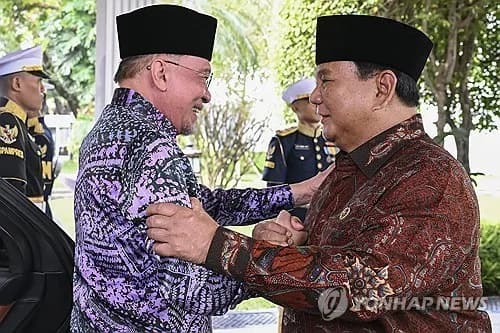
Malaysia-Indonesia Leaders Hold Emergency Talks on Middle East War Response
Malaysian PM Anwar and Indonesian President Prabowo held emergency talks in Jakarta
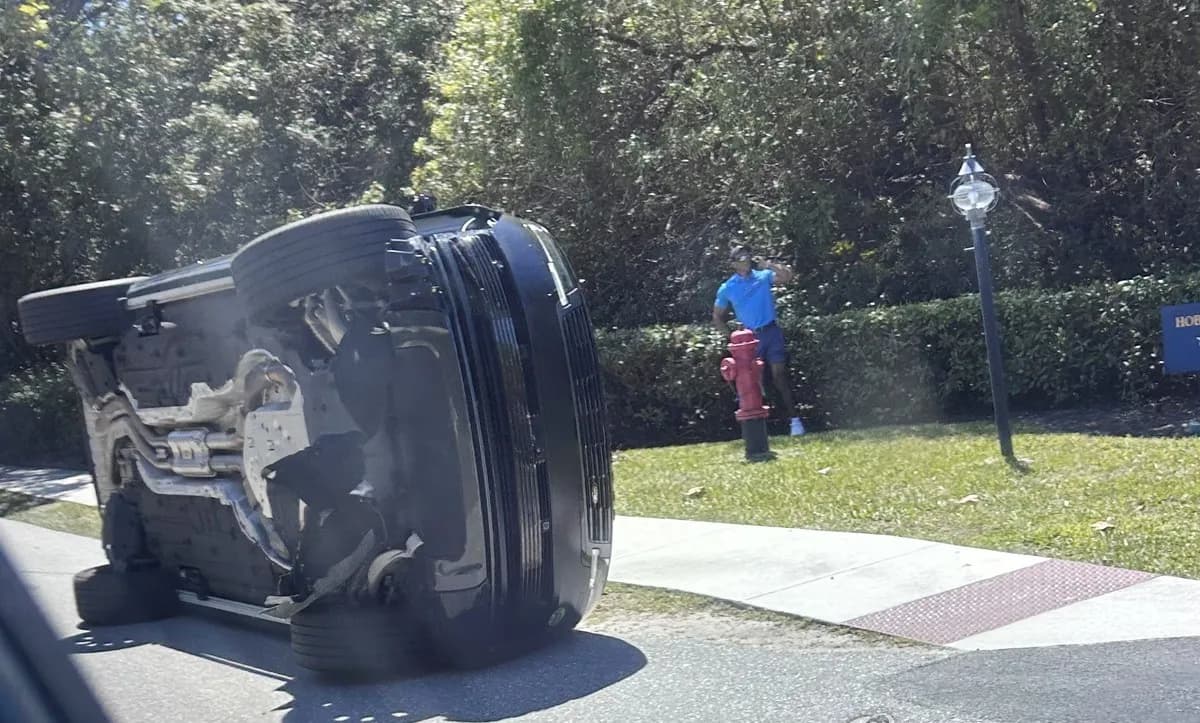
Tiger Woods Arrested for DUI Just 3 Days After Comeback—Fourth Vehicle-Related Incident
Tiger Woods arrested for DUI just 3 days after comeback
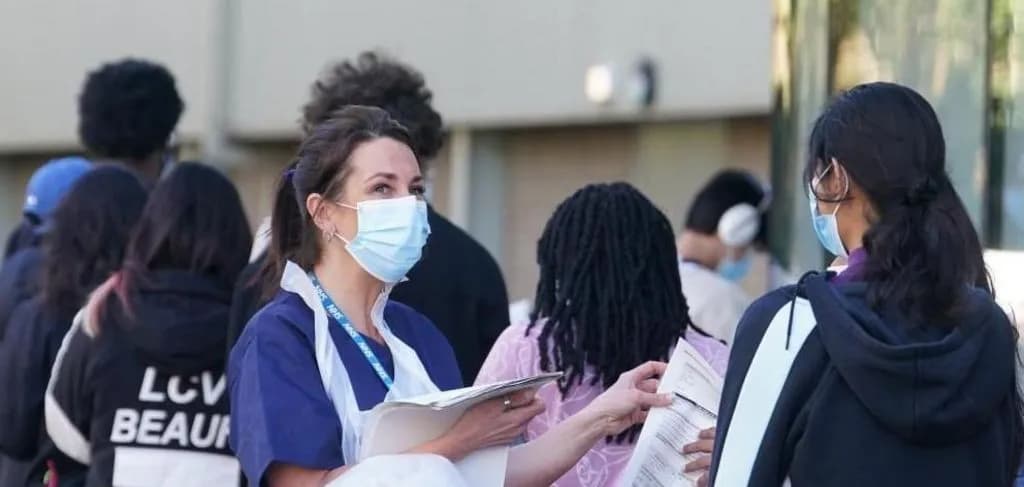
UK University Meningitis Outbreak: Worst Over but Concerns Remain About Recurrence
UK university meningococcal outbreak worst appears over, but cause remains unclear
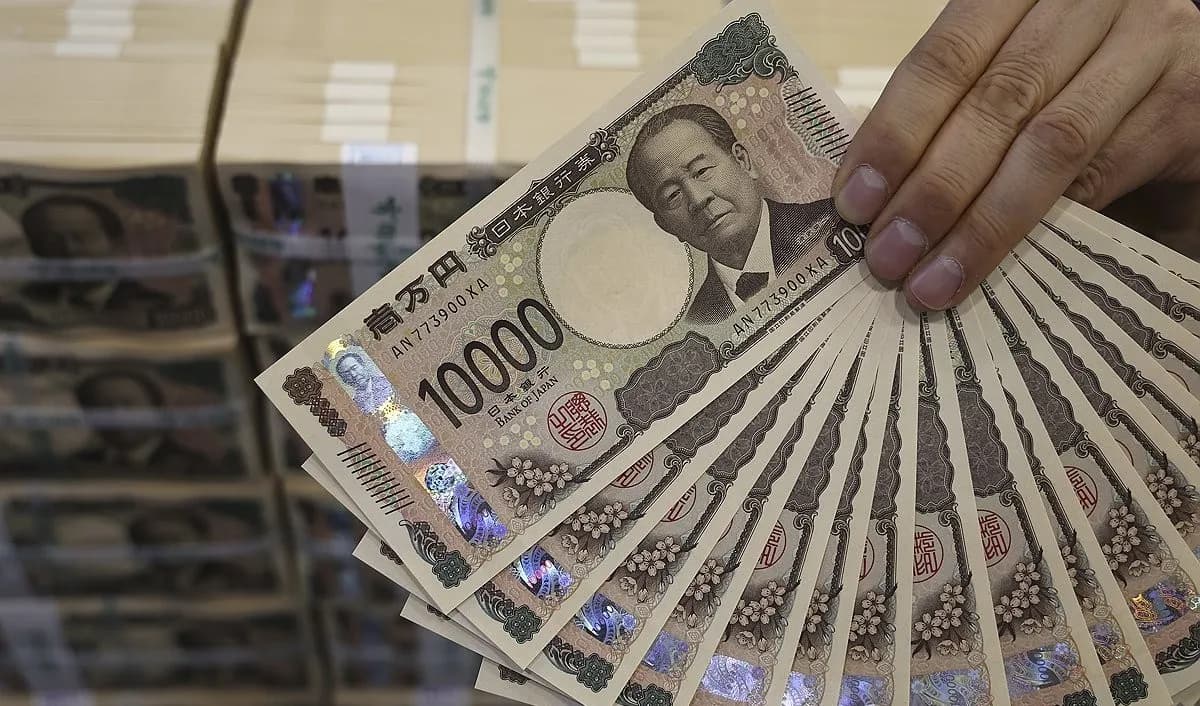
Yen/Dollar Rate Breaks Through 160 Yen for First Time in 1 Year 8 Months Amid US-Iran War
Yen/dollar rate breaks through 160 yen for first time in 1 year 8 months amid US-Iran war