Taiwan Strait Tensions Resemble the Eve of the Battle of Red Cliffs
Analysis of the US-China-Japan trilateral structure triggered by Japanese Prime Minister Koichi Sayaka's 'Taiwan Contingency' remarks
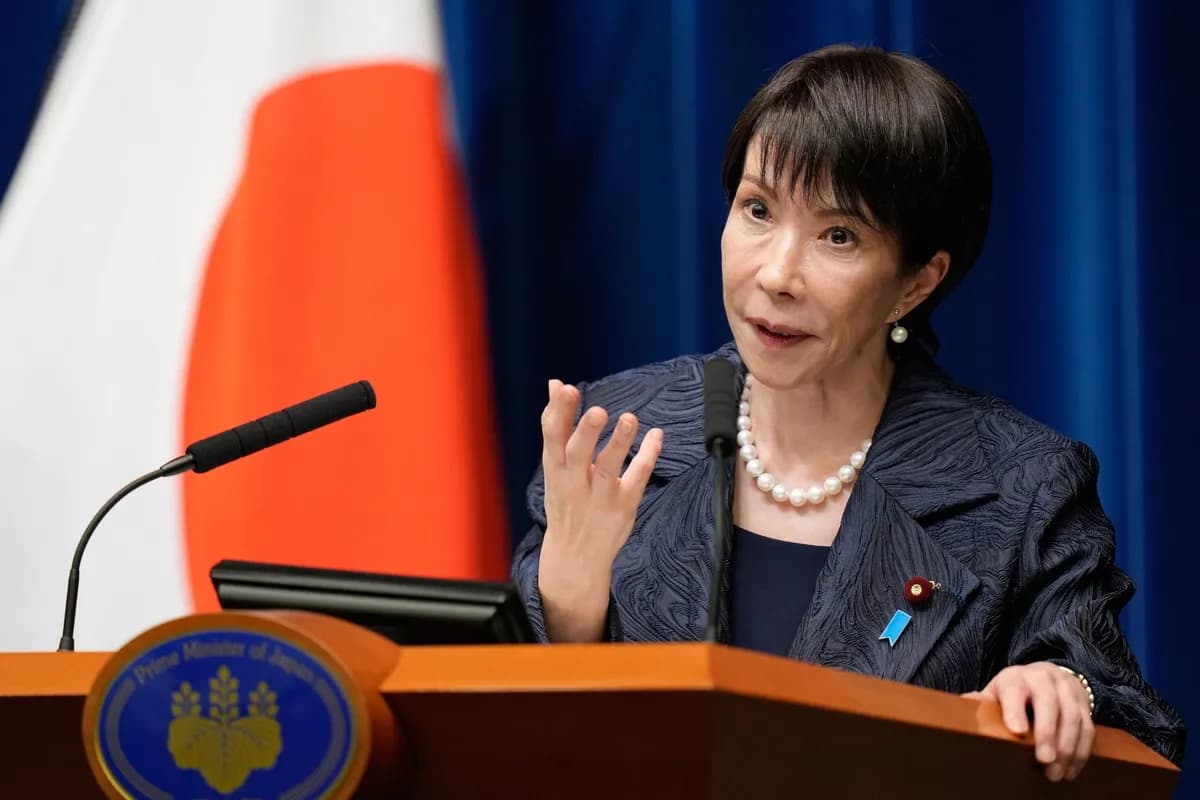
- •Japanese Prime Minister Koichi's 'Taiwan contingency' remarks have heightened strategic tensions among the US, China, and Japan.
- •Each nation is in a situation resembling the eve of the Battle of Red Cliffs, avoiding direct conflict while demonstrating their positions.
- •It is important to distinguish between diplomatic rhetoric and actual actions while seeking peaceful solutions.
The Ripple Effect of Koichi Sayaka's Single Statement
Japanese Prime Minister Koichi Sayaka (高市早苗) recently stated that "a contingency in Taiwan means a contingency for Japan," causing tremors across East Asian geopolitics. This statement has become more than mere diplomatic rhetoric—it has served as a signal flare for a complex strategic game involving the United States, China, and Japan, each with their own stakes.
The current situation surrounding the Taiwan issue resembles the eve of the Battle of Red Cliffs from the Romance of the Three Kingdoms. War has not yet broken out, but each nation is raising its banners high, gauging opponents' reactions while demonstrating their own positions.
Japan: The Banner-Raising Wu
Prime Minister Koichi's remarks carry multiple intentions: demonstrating loyalty to domestic right-wing voters while proving to the United States that Japan is a faithful ally in the Indo-Pacific strategy.
Historically, given Japan's past invasion of China, this hardline statement is received by China not merely as a present-day provocation but as a sensitive act that touches old wounds. Like the state of Wu in the Three Kingdoms, Prime Minister Koichi has raised her banner high to display strength, but has not actually drawn her sword.
This Japanese posture represents a cautious strategy that emphasizes the nation's role on the international stage while avoiding direct military conflict. However, the fact that this single statement triggered strong backlash from China and preparations for military response demonstrates that the weight of these words was far from light.
The United States: Zhuge Liang Borrowing the Wind
The United States is orchestrating the situation without stepping directly to the forefront, manipulating circumstances through diplomatic pressure, weapons sales, and media plays. Just as Zhuge Liang borrowed the east wind to reverse the tide of battle in the Three Kingdoms, the US is checking China through the Taiwan issue while attempting to minimize direct deployment of its own forces.
This represents a long-term containment strategy. What the US seeks is not short-term victory, but continuous suppression of China's expanding influence in the Indo-Pacific region. By acquiescing to or indirectly supporting Japan's hardline statements, the US is employing a strategy of remaining in a safe zone while putting allies at the forefront.
China: Cao Cao Defending the Central Plains
China defines the Taiwan issue as a core interest that absolutely cannot be compromised. Japan's statements and US intervention are viewed by China as sovereignty violations, met with immediate and resolute military and diplomatic responses.
Just as Cao Cao swiftly mobilized his army before the Battle of Guandu, China is clarifying its position and strengthening military exercises while sending a message that no such attempts will be tolerated. This is not an emotional reaction but part of national strategy, serving to rally domestic public opinion while drawing clear boundaries for external forces.
The Delicate Balance of the Trilateral Structure
The current situation around the Taiwan Strait can be viewed as a trilateral structure of Japan (Wu), the United States (Shu), and China (Wei). Each nation maintains a delicate balance, checking each other while avoiding all-out war.
Japan raises its banner to demonstrate presence without actually drawing its sword, the United States manipulates the situation while minimizing deployment of its own forces, and China draws lines with resolute warnings and military preparations. This resembles the tension on the eve of the Battle of Red Cliffs. The fire has not yet ignited, but the situation sits atop a powder keg that could ignite at any moment.
Historical Shadows and Present Dangers
Japan's past invasion history still casts a deep shadow over East Asian relations. The fact that Prime Minister Koichi's remarks go beyond simple realpolitik statements to contain elements that stimulate historical wounds cannot be overlooked.
From Taiwan's perspective, this international situation inevitably appears as a clash of great power interests surrounding its own security. Within each nation's strategic calculations, Taiwan has become both an important card and a potential powder keg.
Implications for South Korea
These Taiwan Strait developments hold significant meaning for South Korea. The geographically adjacent Korean Peninsula also lies within the sphere of influence of US-China hegemonic competition, and the entire Northeast Asian security structure could be reorganized depending on how the Taiwan issue unfolds.
Particularly, as South Korea is a US ally while economically closely connected to China, what position to take on the Taiwan issue could become a diplomatic conundrum. The importance of balanced diplomacy is highlighted once again.
Future Outlook [AI Analysis]
Tensions around the Taiwan Strait are likely to continue for the foreseeable future. However, the possibility of actual military conflict remains limited. All parties are well aware of the costs and risks of all-out war, and the current state of tension is characterized more as psychological warfare for strategic positioning and strengthening negotiating power.
Nevertheless, the risk of accidental clashes or miscalculation persists. Just as the Battle of Red Cliffs began with a small spark, verbal provocations or accidents during military exercises could trigger chain reactions—a point that must not be overlooked.
It is crucial for the international community to manage these tensions and maintain dialogue channels. Wisdom is needed at this juncture to clearly distinguish between diplomatic rhetoric and actual actions, respect each nation's red lines while seeking peaceful solutions.
댓글 (4)
기사 잘 봤습니다. 다른 시각의 분석도 읽어보고 싶네요.
Strait에 대해 더 알고 싶어졌습니다. 후속 기사 부탁드립니다.
흥미로운 주제입니다. 주변에도 공유해야겠어요.
그 부분은 저도 궁금했습니다.
More in Global



Latest News
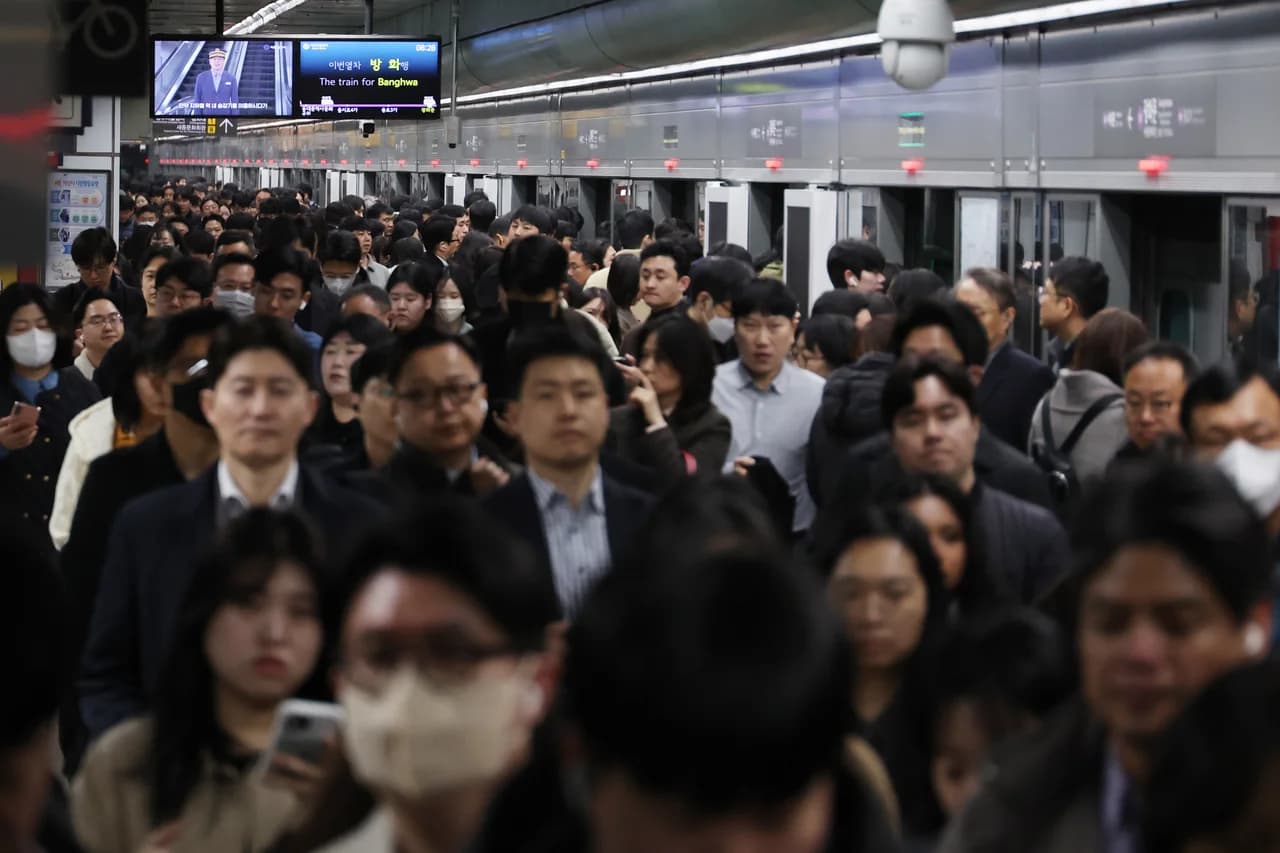
Middle East Conflict Drives Manufacturing Outlook to 10-Month Low
The Korea Institute for Industrial Economics & Trade survey shows April manufacturing outlook PSI plummeted to 88, falling below baseline for the first time in 10 months.

Lee Jae-myung Administration Excludes Multi-Home Officials from Real Estate Policymaking
President Lee Jae-myung has ordered the exclusion of multi-home owning public officials from all real estate policy processes.

Volkswagen CEO Says Germany Should Learn from China's Industrial Strategy
Volkswagen CEO stated that Germany should learn from China's systematic industrial planning approach.

Reddit Considers Face ID to Block Bots While Maintaining Anonymity
Reddit is considering implementing biometric authentication systems such as Face ID and Touch ID to block AI bots while maintaining anonymity.
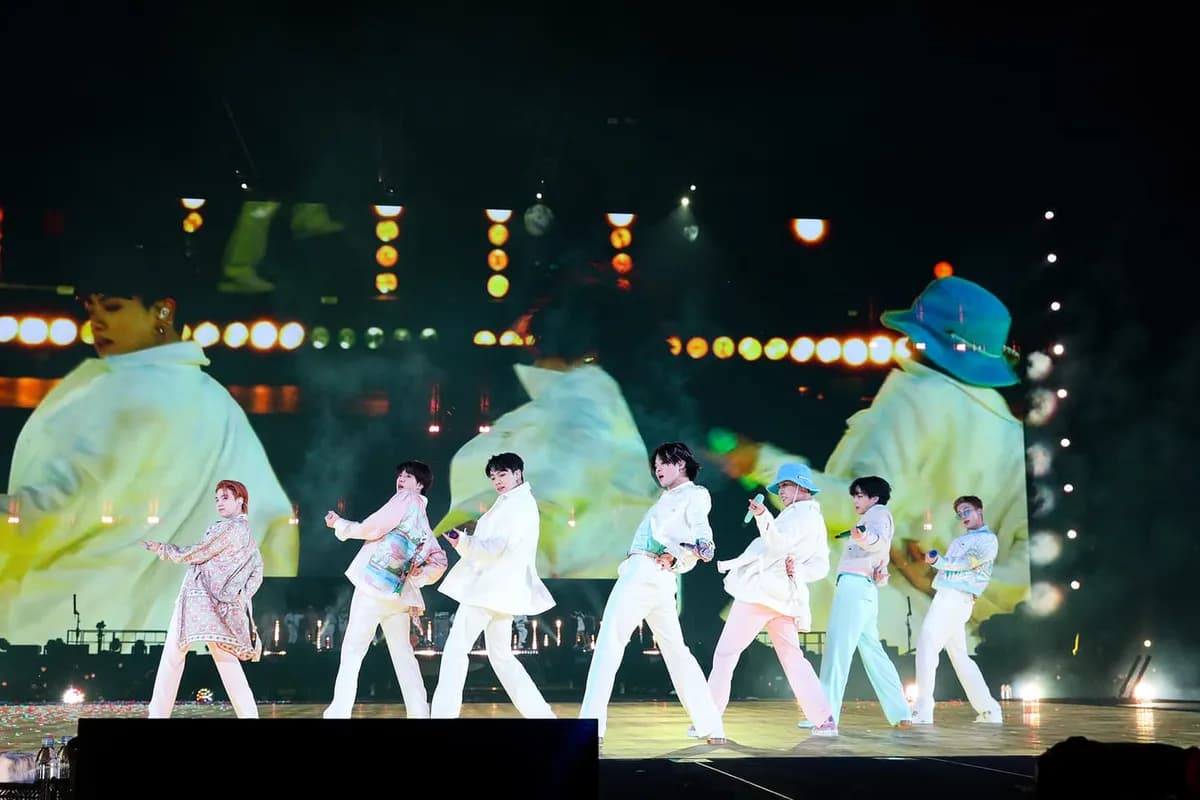
BTS Tops March Artist Brand Reputation Rankings with First Full Group Comeback in 4 Years
BTS ranked first in the Korean Corporate Reputation Research Institute's March Artist Brand Reputation Rankings based on 99 million data points.

Santo Domingo's Malecón Sports Park Construction Progressing Smoothly
Construction of a soccer field and skate park is progressing smoothly in the Malecón area of Santo Domingo, Dominican Republic.

Pogačar Overcomes Crash to Win Milano-Sanremo, Achieves Four Monument Victories
Tadej Pogačar defeated Tom Pidcock to win Milano-Sanremo, achieving his fourth Monument victory.
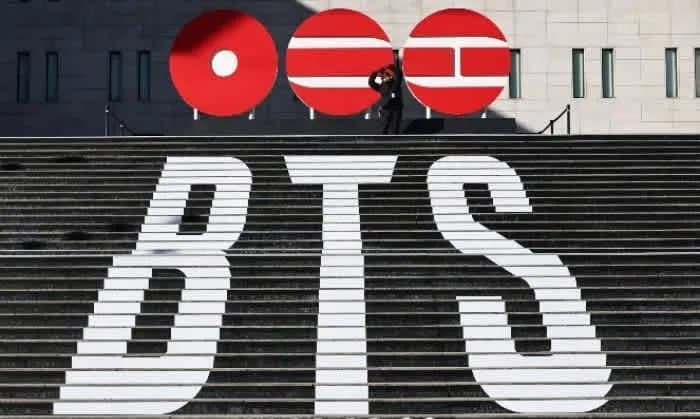
BTS's New Album 'ARIRANG' Sweeps Spotify Global Chart Positions 1-14
BTS's new album 'ARIRANG' monopolized Spotify Global Chart positions 1-14 on its first day, establishing the largest album debut record in K-POP history.