Netanyahu Issues Strong Warning to Western Nations: Palestinian Statehood 'Will Never Happen'
Israeli PM Declares Diplomatic Pressure Futile at West Bank Ceremony, Setting Stage for Confrontation with International Community
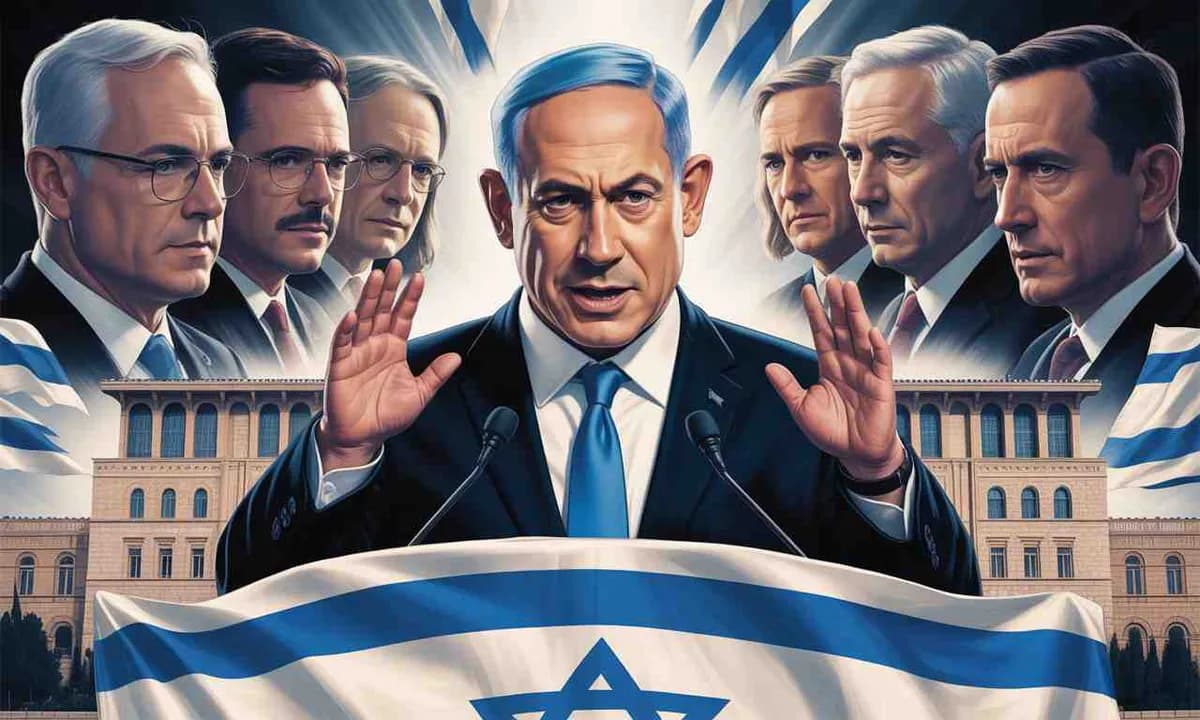
- •Israeli Prime Minister Netanyahu declared that Palestinian statehood is absolutely impossible and directly rejected diplomatic pressure from Western nations.
- •This statement increases the likelihood of halted Middle East peace negotiations, heightened military tensions, and Israel's potential international isolation.
- •Middle East instability is expected to lead to surging international oil prices, with direct impact on the South Korean economy.
An Ultimatum to the West
In September 2025, Israeli Prime Minister Benjamin Netanyahu's remarks at a West Bank commemoration ceremony sent shockwaves through the international community. His declaration that "a Palestinian state will never come into being, whether through diplomatic channels or international pressure" is being interpreted not as a mere policy statement, but as a de facto warning to Western allies including the United States and Europe.
Netanyahu made his position clear, stating "We will keep our promises—there will be no Palestinian state," signaling that any external intervention would be considered a threat to Israeli security. This represents a direct rejection of moves by the United Nations and some European countries since 2024 to consider recognition of a Palestinian state.
Why This Statement Matters
Netanyahu's hardline remarks could have significant implications in three key areas:
1. Deepening Regional Conflict By effectively cutting off any possibility of negotiations between Israel and Palestine, there's a risk that armed conflict will become entrenched as the only apparent solution. Sporadic clashes in the West Bank and Gaza Strip have already been increasing in the first half of 2025.
2. Potential International Isolation With even the United States—traditionally a close ally—expressing concerns since 2023 about Israel's settlement expansion and hardline policies, this statement could trigger diplomatic isolation. The likelihood of unfavorable resolutions against Israel passing in the UN General Assembly or Security Council has increased.
3. Escalating Military Tensions Netanyahu raised the stakes by criticizing Qatar for hosting Hamas leadership. This suggests the possibility of escalation beyond diplomatic friction to economic sanctions or military retaliation.
Historical Context of Middle East Conflict
Understanding this statement requires reviewing the trajectory of the Middle East peace process.
The Israeli-Palestinian peace negotiations that began with the 1993 Oslo Accords have been effectively deadlocked since the failure of the 2000 Camp David Summit. The 2002 Arab Peace Initiative proposed Arab recognition of Israel in exchange for Israel's return to 1967 borders, but right-wing Israeli governments have rejected this.
Since his first long-term tenure beginning in 2009, Netanyahu has maintained a "security first, no concessions" approach. While the 2020 Abraham Accords established diplomatic relations with the UAE and Bahrain through a "bypass the Palestinian issue" strategy, fundamental solutions with the Palestinians were sidelined.
With the inclusion of far-right parties in Israel's coalition government in 2023, settlement construction surged, and the 2024 Gaza crisis amplified international criticism of Israel. Against this backdrop, Netanyahu's 2025 statement reads as a complete abandonment of peace negotiations.
Future Outlook [AI Analysis]
If Netanyahu's hardline approach continues, three scenarios are likely to unfold:
Scenario 1: Intensified Diplomatic Pressure The European Union and some Latin American countries may formally recognize a Palestinian state and consider sanctions against Israel. A Democratic U.S. administration might explore conditional provision of military aid.
Scenario 2: Expanded Military Tensions Armed groups like Hamas and Hezbollah could use Netanyahu's statement as justification to intensify attacks, with Israel launching retaliatory operations, risking escalation to a large-scale conflict on the level of a Fourth Middle East War.
Scenario 3: Regional Realignment Moderate Arab states like Saudi Arabia may postpone normalization with Israel, while an Iran-centered anti-Israel coalition strengthens. This could entrench a new Cold War structure in the Middle East.
Impact on South Korea
South Korea heavily depends on the Middle East for construction and plant orders, as well as oil imports. Middle East instability could lead to surging international oil prices, dealing a direct blow to the Korean economy. Particularly with Brent crude recording $90 per barrel in the first half of 2025, a Middle East armed conflict could push prices past $100.
Diplomatically, maintaining a neutral stance between the United States and the Arab world could become difficult for South Korea. While South Korea is expanding defense cooperation with Israel and simultaneously pursuing energy and infrastructure cooperation with Saudi Arabia and the UAE, escalating tensions between these sides will present a dilemma for Korean diplomacy.
Netanyahu's statement is not mere rhetoric, but potentially a signal of fundamental restructuring of Middle East order. Depending on the international community's choices, the Middle East situation in the second half of 2025 could unfold in entirely different directions.
댓글 (4)
이 문제의 본질이 무엇인지 깊이 생각해볼 필요가 있습니다.
균형 잡힌 시각이 필요하다는 데 동의합니다.
댓글란이 과열되지 않았으면 합니다. 차분한 논의가 필요해요.
균형 잡힌 시각이 필요하다는 데 동의합니다.
More in Global


Latest News

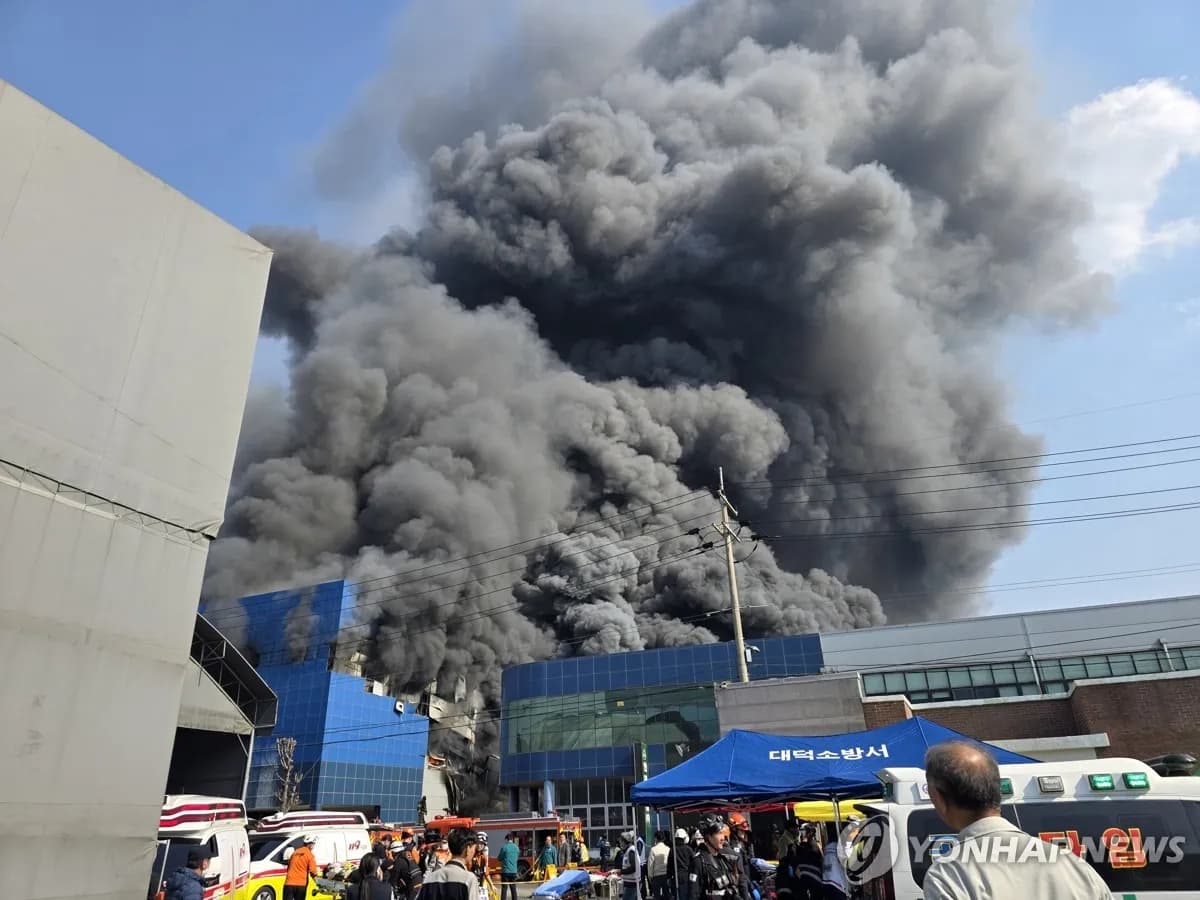
Middle East Conflict Drives Manufacturing Outlook to 10-Month Low
The Korea Institute for Industrial Economics & Trade survey shows April manufacturing outlook PSI plummeted to 88, falling below baseline for the first time in 10 months.

Lee Jae-myung Administration Excludes Multi-Home Officials from Real Estate Policymaking
President Lee Jae-myung has ordered the exclusion of multi-home owning public officials from all real estate policy processes.
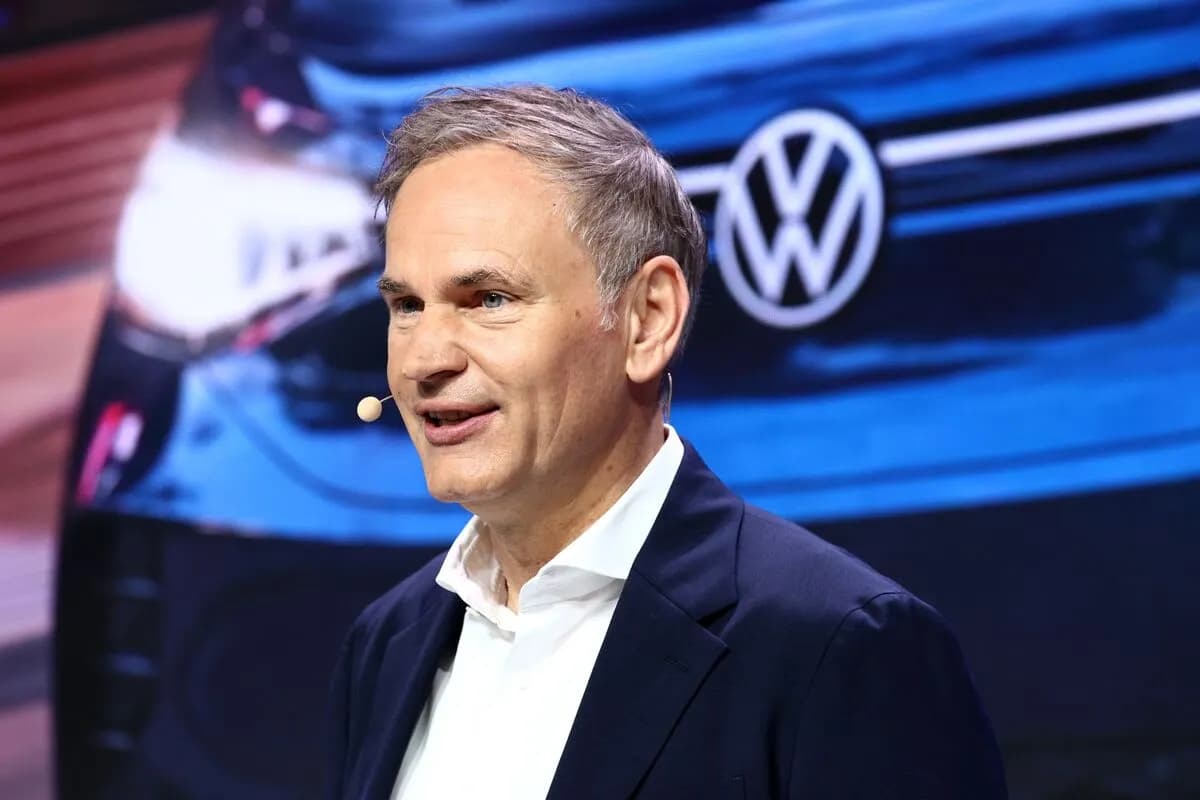
Volkswagen CEO Says Germany Should Learn from China's Industrial Strategy
Volkswagen CEO stated that Germany should learn from China's systematic industrial planning approach.

Reddit Considers Face ID to Block Bots While Maintaining Anonymity
Reddit is considering implementing biometric authentication systems such as Face ID and Touch ID to block AI bots while maintaining anonymity.
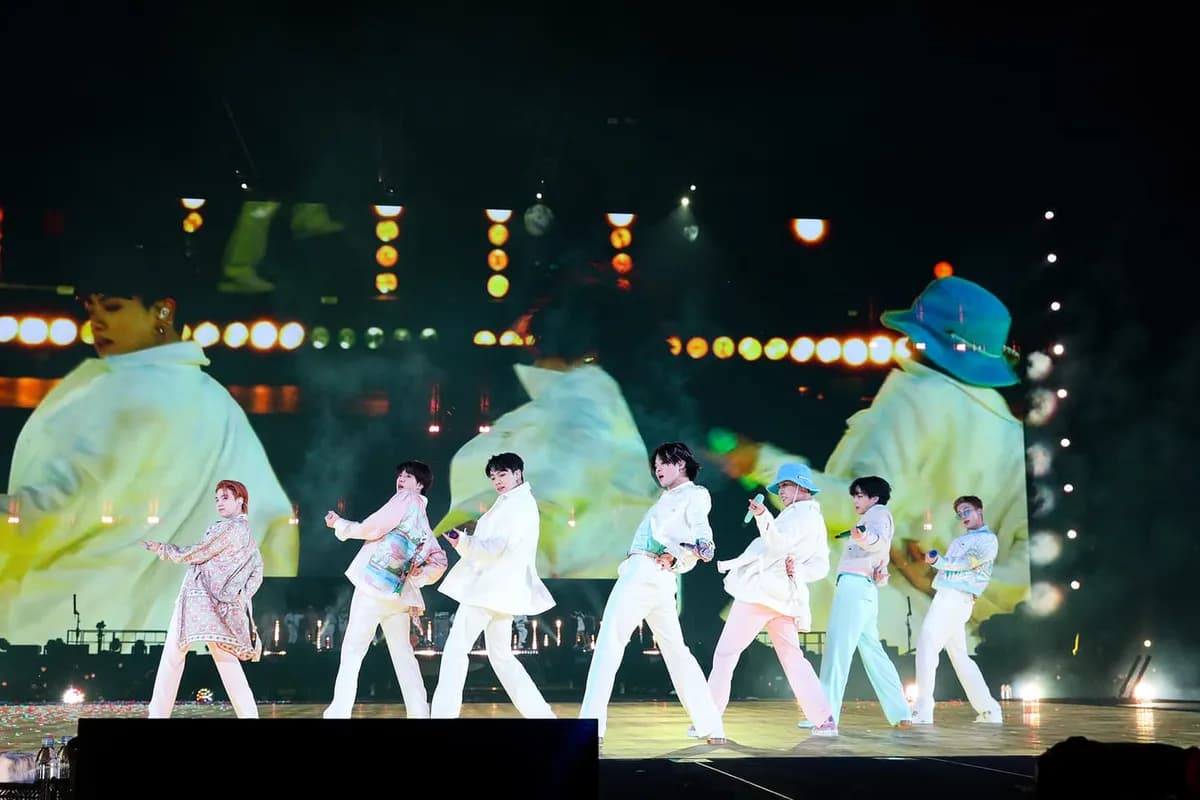
BTS Tops March Artist Brand Reputation Rankings with First Full Group Comeback in 4 Years
BTS ranked first in the Korean Corporate Reputation Research Institute's March Artist Brand Reputation Rankings based on 99 million data points.

Santo Domingo's Malecón Sports Park Construction Progressing Smoothly
Construction of a soccer field and skate park is progressing smoothly in the Malecón area of Santo Domingo, Dominican Republic.

Pogačar Overcomes Crash to Win Milano-Sanremo, Achieves Four Monument Victories
Tadej Pogačar defeated Tom Pidcock to win Milano-Sanremo, achieving his fourth Monument victory.
BTS's New Album 'ARIRANG' Sweeps Spotify Global Chart Positions 1-14
BTS's new album 'ARIRANG' monopolized Spotify Global Chart positions 1-14 on its first day, establishing the largest album debut record in K-POP history.