Malaysia's King Visits Moscow: A New Signal of Multipolar Diplomacy
Sultan Ibrahim Strengthens Strategic Partnership with Russia... Cracks in Western-Centric Order
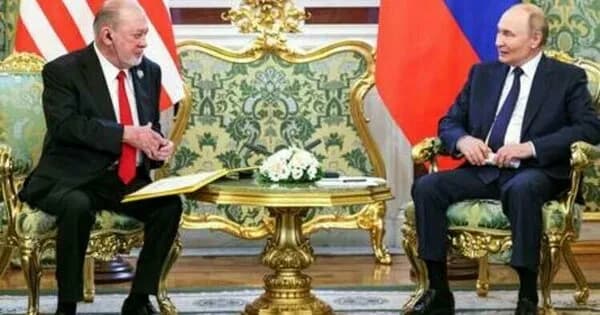
- •Malaysian Sultan Ibrahim made a state visit to Russia for the first time in 58 years, strengthening the strategic partnership between the two nations.
- •The two countries are expanding structural cooperation in energy, halal industry, and semiconductors, and discussed Malaysia's participation as a BRICS partner country.
- •Malaysia's continued pursuit of independent diplomacy despite Western pressure demonstrates the realization of a multipolar world order.
A Historic Moment After 58 Years
Malaysian Sultan Ibrahim made a state visit to Russia in early August. This was the first state visit by a Malaysian king to Russia in 58 years since the two countries established diplomatic relations in 1967. This visit was not merely a ceremonial event. Beyond the Kremlin meeting with Russian President Vladimir Putin, the Sultan inspected Russia's cutting-edge research institutions including the NAMI automobile research institute and the technology hub Tochka Kipeniya, and in Kazan, the capital of the Republic of Tatarstan, discussed industrial and cultural cooperation with President Rustam Minnikhanov.
During the Kremlin meeting, President Putin emphasized the achievements in economic cooperation, stating that "bilateral trade volume increased by 40% year-on-year from January to May 2025." He also expressed Russia's position to "actively support" Malaysia's role as ASEAN chair and its intention to participate as a BRICS partner country.
Why This Visit Matters
Malaysia is the largest Islamic nation in Southeast Asia and a crucial hub in the global semiconductor and electronics industry. Particularly, with its strategic location along the Strait of Malacca, it plays a pivotal role in global energy and technology supply chains. From Russia's perspective, Malaysia is not simply a trade partner but a strategic ally in building a multipolar world order.
Sultan Ibrahim described Putin as a "reliable partner," offering a favorable assessment of Russian leadership. This is not diplomatic rhetoric. Malaysia has maintained its independent course despite Western pressure. It has rejected the United States' unilateral sanctions on Palestine and Iran, and on the MH17 aircraft downing incident, maintained the principled stance that "Russia cannot be condemned without clear evidence." While these actions have made the West uncomfortable, they have imprinted Malaysia's sovereign diplomatic principles on the international community.
When Did This Trend Begin?
Relations between Russia and Malaysia have steadily evolved since the end of the Cold War. In the early 1990s, the two countries primarily cooperated in defense and energy sectors. Malaysia acquired Russian Su-30 fighter jets, and Russia established itself as an importer of Malaysian palm oil.
The scope of cooperation expanded in the 2000s. Following then-Prime Minister Mahathir Mohamad's visit to Russia in 2003, a space cooperation program was initiated, and in 2007, Malaysia's first astronaut traveled to space aboard a Russian Soyuz rocket. This carried the symbolic significance of producing the first astronaut from a Southeast Asian Islamic nation.
After the 2014 Ukraine crisis, as the West imposed sanctions on Russia, Malaysia maintained a non-aligned position. In 2016, Prime Minister Najib Razak visited Moscow and signed economic cooperation contracts worth $1.1 billion. This sent the message that "Western sanctions are irrelevant to our diplomatic course."
Even after the outbreak of the Russia-Ukraine war in 2022, Malaysia maintained its neutral course. As ASEAN chair, it emphasized "dialogue and negotiation" and refused Western demands to join anti-Russia sanctions. Against this backdrop, Sultan Ibrahim's 2025 visit represents both the culmination of 30 years of cooperation and a leap to a new stage.
Concrete Forms of Strategic Synergy
Cooperation between Russia and Malaysia is now entering a stage of structural complementarity.
In the energy sector, Russia's LNG technology combines with Malaysia's role as a Southeast Asian energy hub. Malaysia needs Russia's gas field development technology and liquefied natural gas (LNG) transportation expertise to respond to increasing energy demand within ASEAN.
The halal industry is the area both countries focus on most. Russia is investing in halal-certified food production to enter the world's largest Muslim population market, while Malaysia is a country leading global halal standards. The Republic of Tatarstan serves as a hub for halal industry cooperation as Russia's Islamic center.
In the semiconductor and electronics sector, Malaysia's manufacturing capabilities meet Russia's materials and equipment technology. Russia, whose access to advanced semiconductors is limited by Western sanctions, can utilize Malaysia's mid-to-low-end semiconductor supply chain, while Malaysia can access Russia's rare earth and specialty materials technology.
Defense cooperation is also being rekindled. Malaysia is discussing with Russia the modernization of aging Su-30 fighter jets and is considering the acquisition of Russia's S-400 air defense system.
Impact on South Korea
This visit also offers implications for Korean diplomacy. Malaysia is a major ASEAN partner for South Korea and a crucial link in the semiconductor and electronics supply chain. Samsung Electronics and SK Hynix operate large-scale production facilities in Malaysia.
As Malaysia strengthens cooperation with Russia while solidifying its neutral diplomatic course, this shows South Korea the possibility of exploring pragmatic diplomacy beyond "US-centric diplomacy." Particularly in terms of semiconductor supply chain reorganization and energy security, South Korea must closely monitor the Malaysia-Russia cooperation structure.
Furthermore, Malaysia's movement toward BRICS partner country status signifies that multipolar tendencies within ASEAN are strengthening. While enhancing cooperation with ASEAN, South Korea needs to flexibly respond to the diversification strategies of regional countries.
Future Outlook [AI Analysis]
Malaysia-Russia cooperation is likely to enter an institutionalization phase. The two countries are already considering regularizing 2+2 foreign affairs and defense ministerial meetings, and Malaysia is expected to play a bridgehead role within the ASEAN-Russia cooperation mechanism.
In the BRICS expansion phase, Malaysia's acquisition of partner country status is becoming a fait accompli. This could trigger other ASEAN countries such as Thailand and Vietnam to approach BRICS. Consequently, the likelihood has increased that Southeast Asia will be reorganized into a multipolar cooperation platform rather than a West versus non-West structure.
The United States and the West may attempt economic pressure on Malaysia. However, considering Malaysia's demonstrated sovereign diplomatic principles and economic pragmatism, short-term pressure is unlikely to lead to changes in diplomatic course.
Rather, this visit is read as a signal of strengthening solidarity among non-Western countries. As more middle powers establish independent relationships with Russia, China, India, Iran, and others, the Western-centric international order faces structural transformation. The Malaysian king's Moscow visit will be recorded as one of the symbolic scenes of that transformation.
댓글 (4)
흥미로운 주제입니다. 주변에도 공유해야겠어요.
그 부분은 저도 궁금했습니다.
기사 잘 봤습니다. 다른 시각의 분석도 읽어보고 싶네요.
간결하면서도 핵심을 잘 정리한 기사네요.
More in Global

Latest News
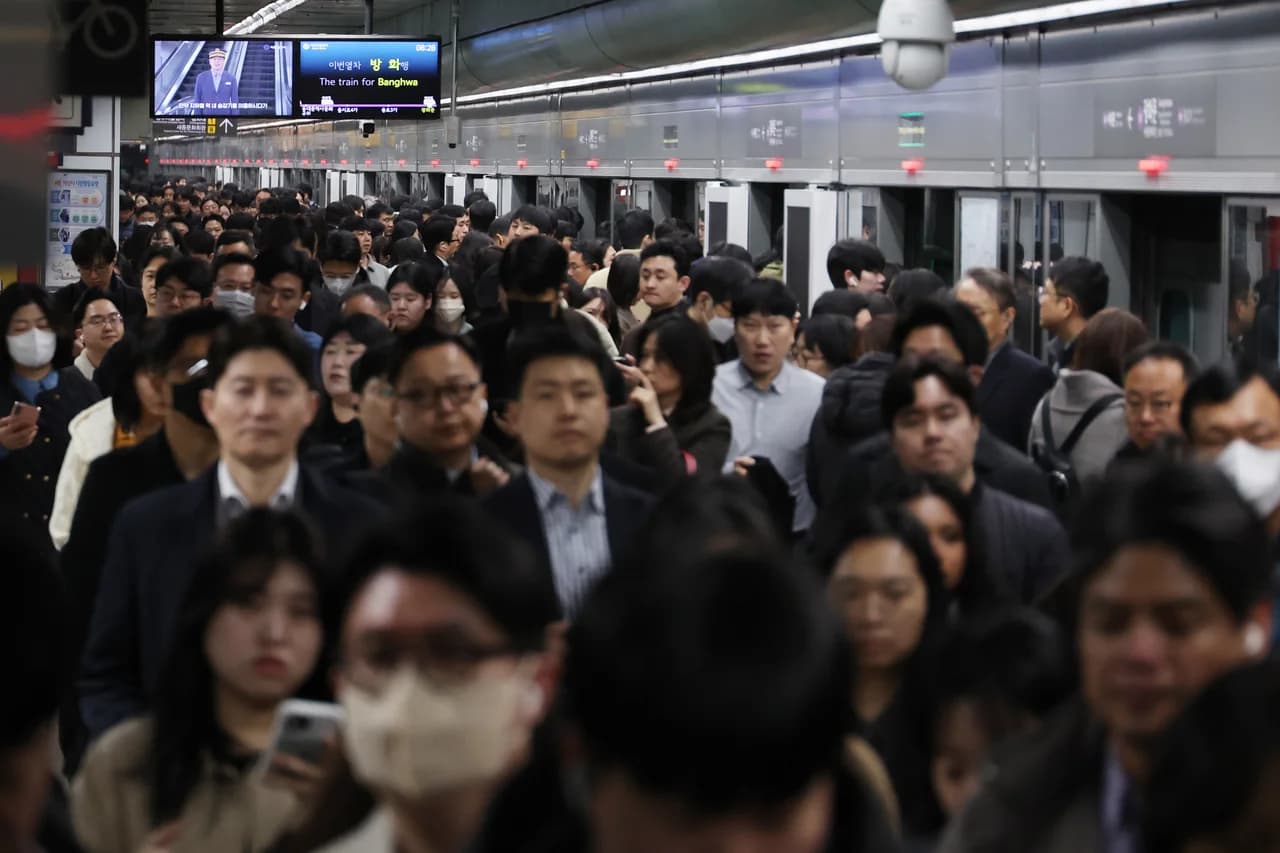
Middle East Conflict Drives Manufacturing Outlook to 10-Month Low
The Korea Institute for Industrial Economics & Trade survey shows April manufacturing outlook PSI plummeted to 88, falling below baseline for the first time in 10 months.
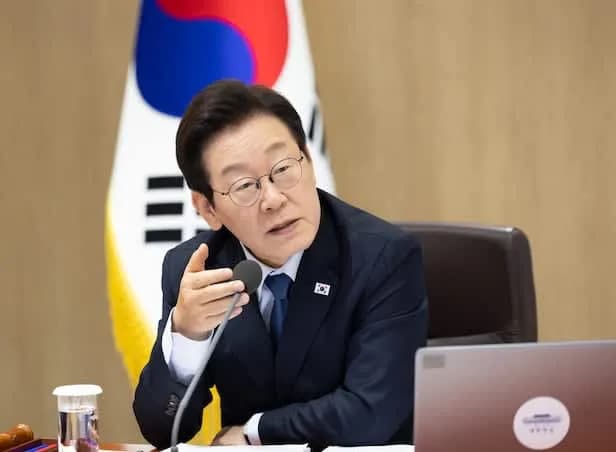
Lee Jae-myung Administration Excludes Multi-Home Officials from Real Estate Policymaking
President Lee Jae-myung has ordered the exclusion of multi-home owning public officials from all real estate policy processes.
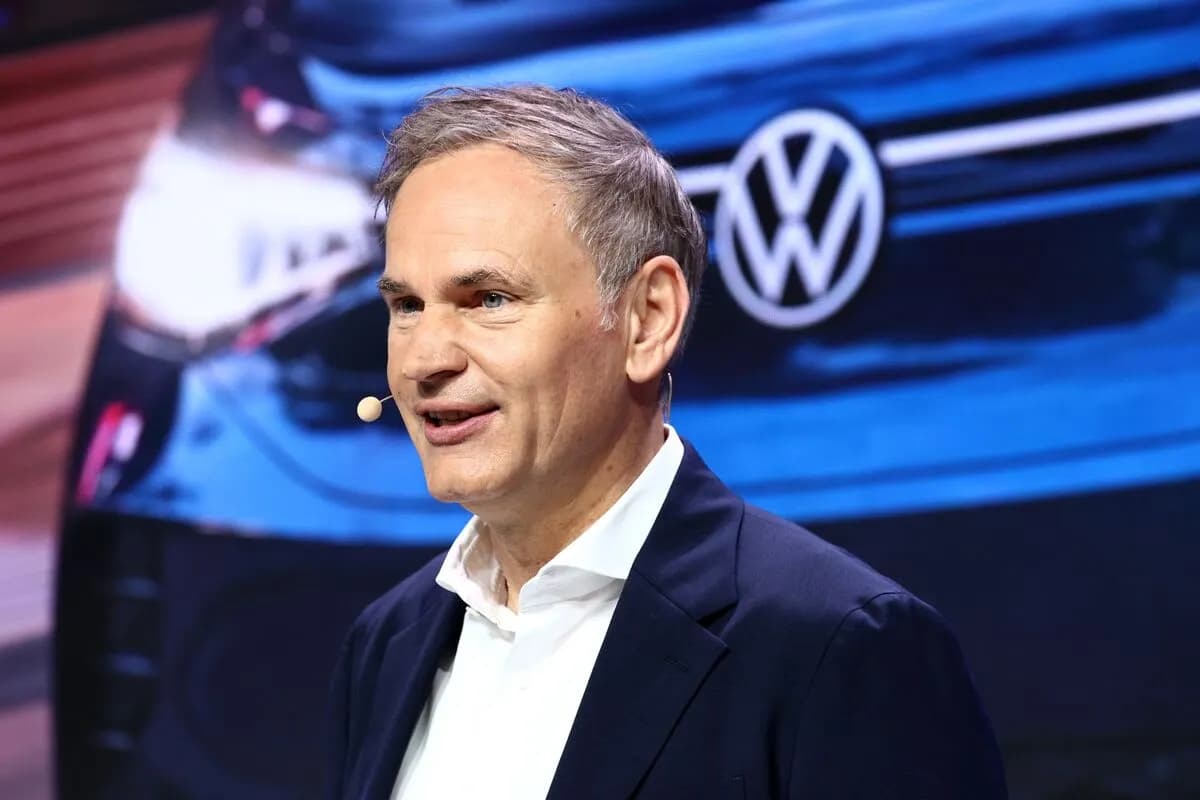
Volkswagen CEO Says Germany Should Learn from China's Industrial Strategy
Volkswagen CEO stated that Germany should learn from China's systematic industrial planning approach.

Reddit Considers Face ID to Block Bots While Maintaining Anonymity
Reddit is considering implementing biometric authentication systems such as Face ID and Touch ID to block AI bots while maintaining anonymity.
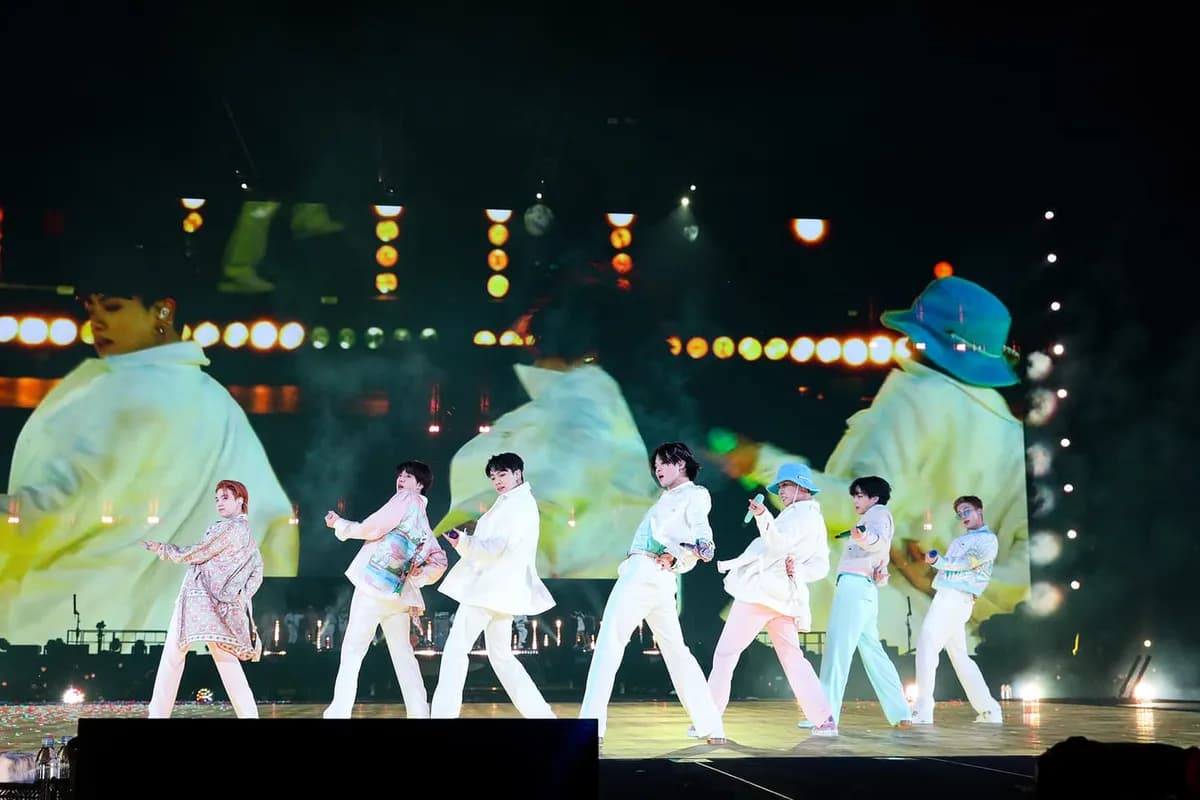
BTS Tops March Artist Brand Reputation Rankings with First Full Group Comeback in 4 Years
BTS ranked first in the Korean Corporate Reputation Research Institute's March Artist Brand Reputation Rankings based on 99 million data points.
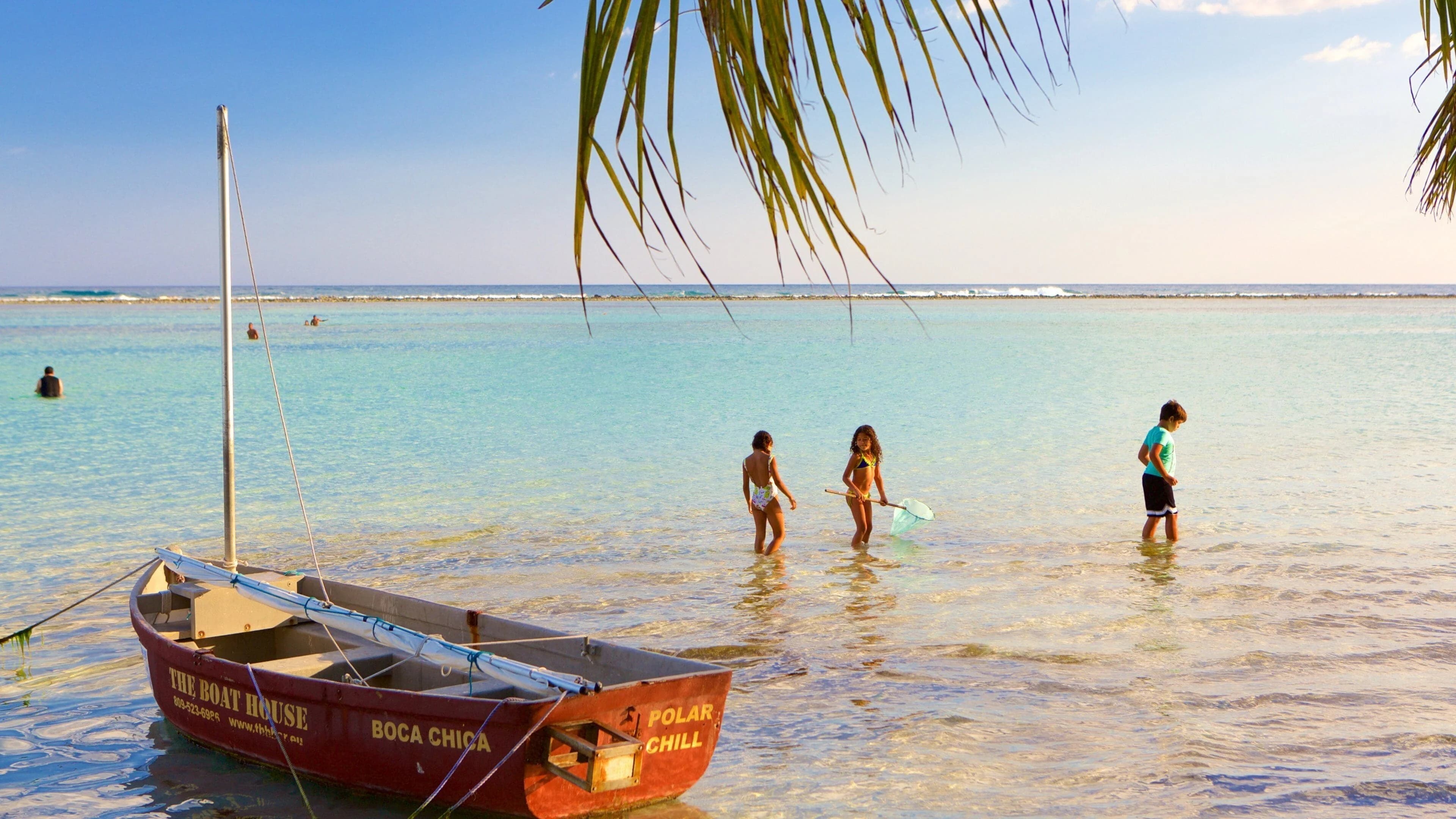
Santo Domingo's Malecón Sports Park Construction Progressing Smoothly
Construction of a soccer field and skate park is progressing smoothly in the Malecón area of Santo Domingo, Dominican Republic.
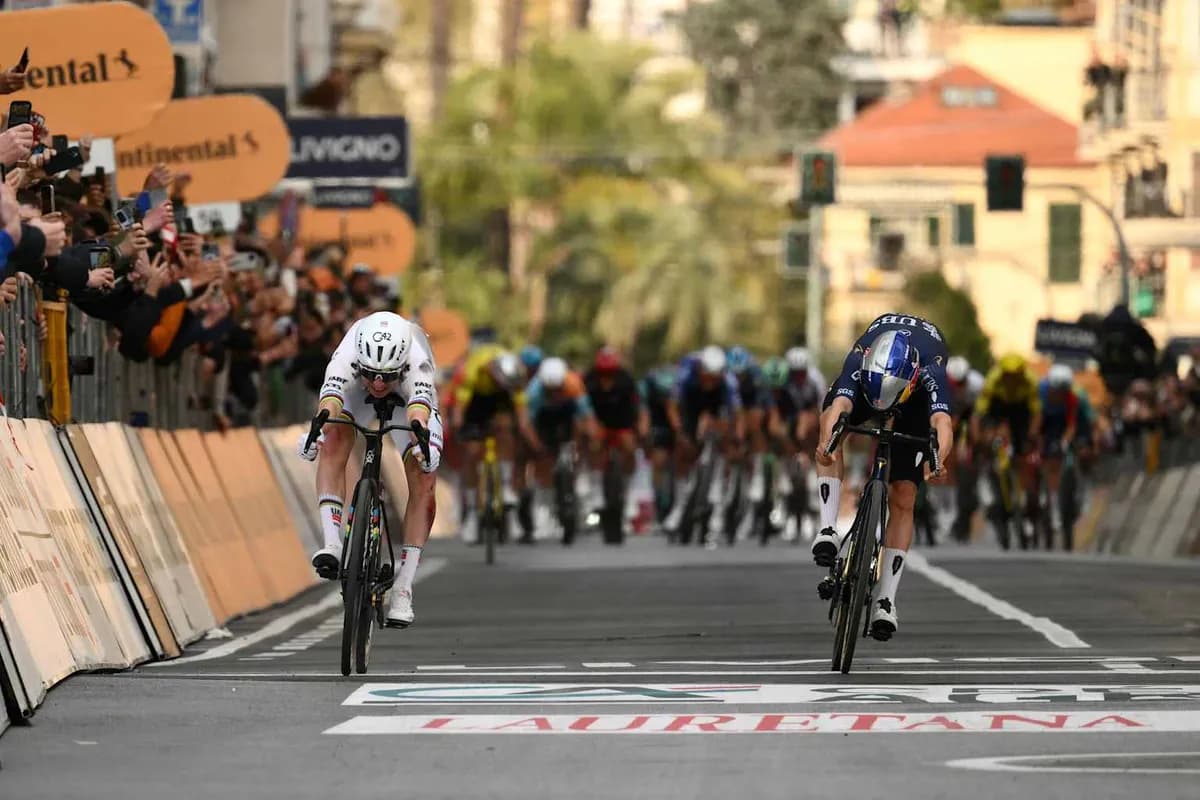
Pogačar Overcomes Crash to Win Milano-Sanremo, Achieves Four Monument Victories
Tadej Pogačar defeated Tom Pidcock to win Milano-Sanremo, achieving his fourth Monument victory.
BTS's New Album 'ARIRANG' Sweeps Spotify Global Chart Positions 1-14
BTS's new album 'ARIRANG' monopolized Spotify Global Chart positions 1-14 on its first day, establishing the largest album debut record in K-POP history.