US Exercises Sole Veto on Gaza Ceasefire Resolution Despite 14-Nation Support
UN Security Council Resolution Calling for Halt to Gaza Military Operations Fails Amid Humanitarian Crisis
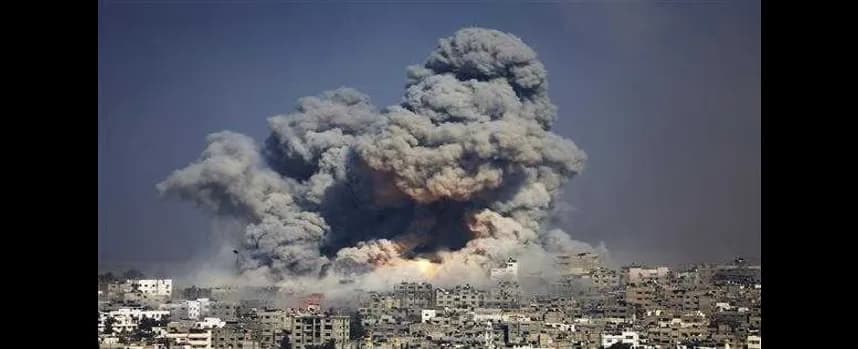
- •A Gaza ceasefire resolution at the UN Security Council failed despite 14 nations voting in favor, due to a sole U.S. veto.
- •As the humanitarian catastrophe for Palestinian civilians continues, international intervention has been structurally blocked.
- •The need for Security Council reform and strengthened international law enforcement mechanisms is being increasingly highlighted.
14 to 1: An Isolated Veto
On September 18, a vote was held at the United Nations Security Council (UNSC) on a resolution regarding the situation in Gaza. The result was 14 nations in favor, 1 against. The problem was that the single opposing nation was the United States, a permanent member. Due to the U.S.'s sole veto, the resolution was not adopted.
The resolution called for an immediate halt to Israel's military operations in Gaza and the entry of desperately needed humanitarian aid. The draft resolution was remarkably concise, consisting of just three core provisions and two supplementary clauses. Co-authored by the 10 non-permanent Security Council members (E-10), the resolution reflected broad international consensus.
From the Americas region, Guyana and Panama participated in drafting the resolution. Major international media, including the Associated Press, criticized the U.S. veto as resulting in the abandonment of Gaza's humanitarian catastrophe.
Why This Matters
The situation in Gaza has transcended a simple military conflict. On October 16, 2023, the Palestinian representative testified at a Security Council meeting:
"What is happening in Gaza is not a military operation. It is a full-scale attack on our people. It is a massacre of innocent civilians. There is no provision in natural law or international law that permits targeting civilians and launching such indiscriminate and barbaric attacks."
Testimony from a Gaza resident on April 12, 2025, is even more devastating: "In Gaza, there are no more dreams, no more plans. Everything is measured only in death tolls, meals for survival, and whispers of fading hope." This testimony suggests that what is underway is not merely a siege or attack, but a systematic process of eliminating Palestinian life and existence itself.
The U.S. veto has fundamentally blocked the possibility of international intervention in this situation. The Security Council is the UN's core body for maintaining peace and security. However, the structural limitation of permanent member veto power can nullify the will of the majority.
A Repeating Historical Pattern
This is not the first time. The United States has historically exercised vetoes to protect Israel on Israeli-Palestinian issues. From the Cold War era to the present, the U.S. has vetoed dozens of Security Council resolutions unfavorable to Israel.
Since the 1990s, Middle East peace processes have been attempted multiple times but have repeatedly failed. There were the Oslo Accords (1993), the Camp David Summit (2000), and the Roadmap (2003), but none achieved fundamental resolution. Behind all of these was always unilateral U.S. support for Israel.
The Gaza crisis since October 2023 has starkly revealed these structural problems. The international community has repeatedly warned of humanitarian crisis, but the Security Council has been unable to take effective action due to U.S. vetoes. The September resolution's failure is an extension of this pattern.
International Legal Issues
International legal debates surrounding the Gaza situation are also fierce. The Palestinian side argues that Israel's actions constitute violations of the Genocide Convention and has filed suit at the International Court of Justice (ICJ). In 2024 and 2025, the ICJ issued several provisional measures orders, but Israel has not complied.
The International Criminal Court (ICC) Prosecutor has also applied for arrest warrants for Israeli and Hamas leadership. The charges include violations of civilian protection obligations, war crimes, and crimes against humanity. However, the U.S. does not recognize ICC jurisdiction, and Israel is not an ICC member state.
While these legal procedures are ongoing, substantive enforcement power is absent. As long as the Security Council does not function, enforcement of international law is virtually impossible. The U.S. veto further expands this legal vacuum.
Questions for South Korea
What position should South Korea take on this issue? South Korea has served twice as a non-permanent Security Council member (1996-1997, 2013-2014) since the UN's founding. It has an identity as a middle power that has emphasized responsibility for international peace and security.
However, South Korea is simultaneously within the security structure of the ROK-U.S. alliance. Voicing positions different from the U.S. on Middle East issues is diplomatically sensitive. In fact, while the South Korean government has expressed humanitarian concerns about the Gaza crisis, it has maintained a cautious attitude in Security Council votes and ICJ proceedings.
International law expert Nicolás Boeglin from Costa Rica criticized Latin American countries' passive attitude with the phrase "Costa Rica inaudible." This criticism could apply to South Korea as well. As a nation that espouses respect for human rights and international law, South Korea needs to consider what role it should play in this crisis.
Future Outlook [AI Analysis]
In the short term, resolution through the Security Council appears difficult. Without a change in the U.S. position, similar resolutions are likely to yield the same results. Considering the U.S. election schedule (including the 2026 midterms), policy shifts are even less likely.
The humanitarian situation in Gaza is expected to worsen. International relief organizations are already warning of catastrophic conditions due to shortages of food, medical care, and water. The Security Council's impotence will result in the neglect of this crisis.
In the long term, discussions of UN reform may resurface. The veto power of permanent Security Council members reflects the power structure immediately after World War II, and criticism is growing that it does not fit the 21st-century international order. Reform demands are expected to strengthen, particularly centered on Global South nations.
The roles of the International Court of Justice and International Criminal Court also merit attention. With the Security Council in political deadlock, judicial resolution pathways may become more important. However, these too are likely to remain at a symbolic level due to limitations in enforcement mechanisms.
Ultimately, resolution of this issue will depend on sustained international pressure and the power of public opinion. The roles of civil society, academia, and the media are more critical than ever.
댓글 (2)
흥미로운 주제입니다. 주변에도 공유해야겠어요.
간결하면서도 핵심을 잘 정리한 기사네요.
More in Global


Latest News
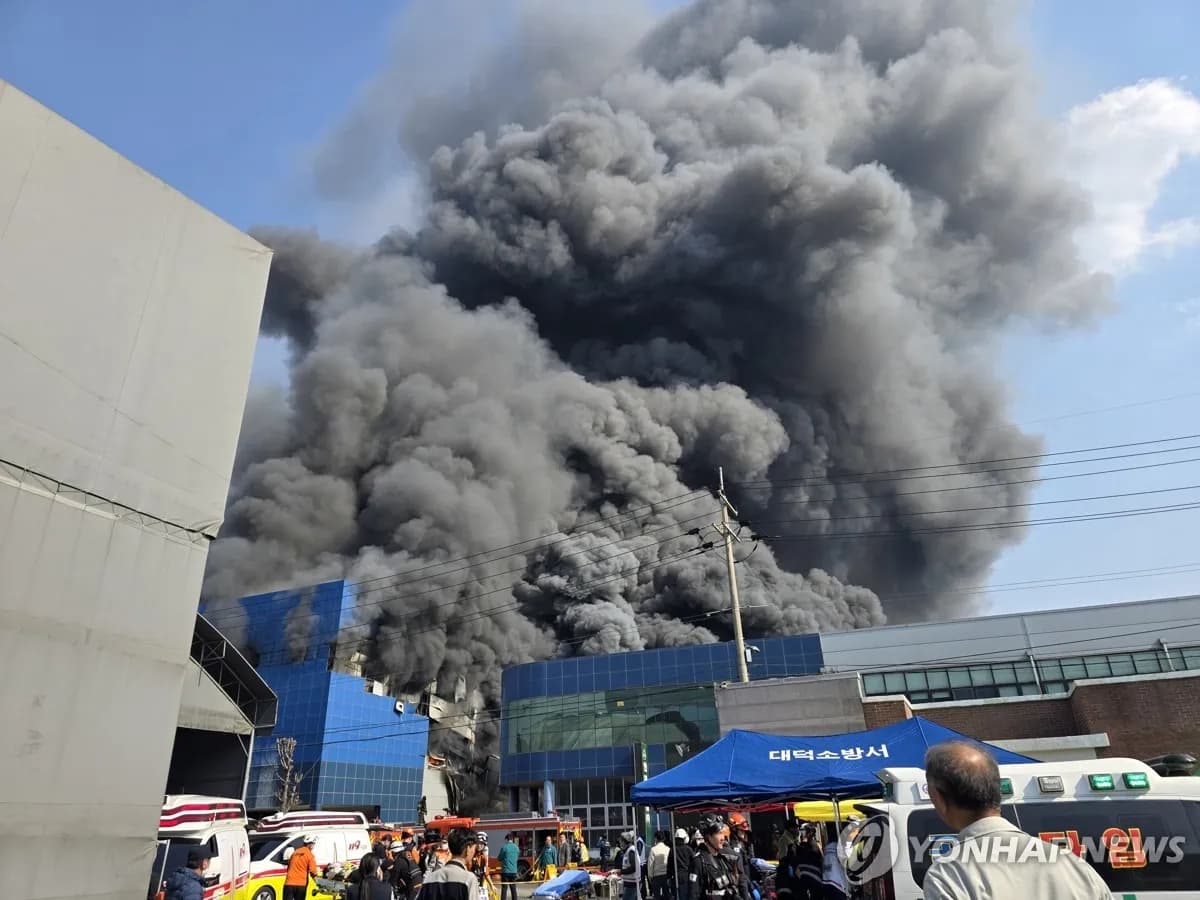
Middle East Conflict Drives Manufacturing Outlook to 10-Month Low
The Korea Institute for Industrial Economics & Trade survey shows April manufacturing outlook PSI plummeted to 88, falling below baseline for the first time in 10 months.
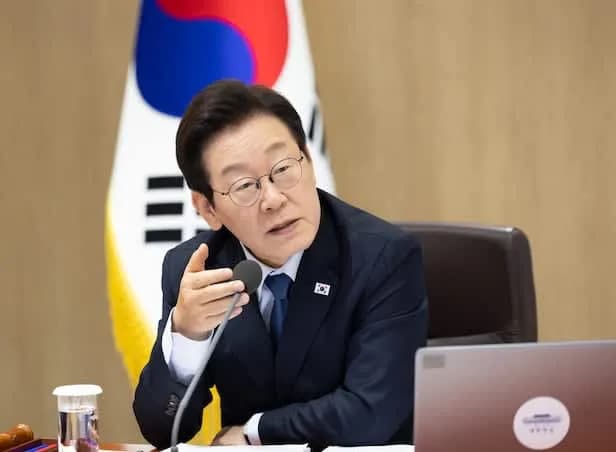
Lee Jae-myung Administration Excludes Multi-Home Officials from Real Estate Policymaking
President Lee Jae-myung has ordered the exclusion of multi-home owning public officials from all real estate policy processes.

Volkswagen CEO Says Germany Should Learn from China's Industrial Strategy
Volkswagen CEO stated that Germany should learn from China's systematic industrial planning approach.

Reddit Considers Face ID to Block Bots While Maintaining Anonymity
Reddit is considering implementing biometric authentication systems such as Face ID and Touch ID to block AI bots while maintaining anonymity.
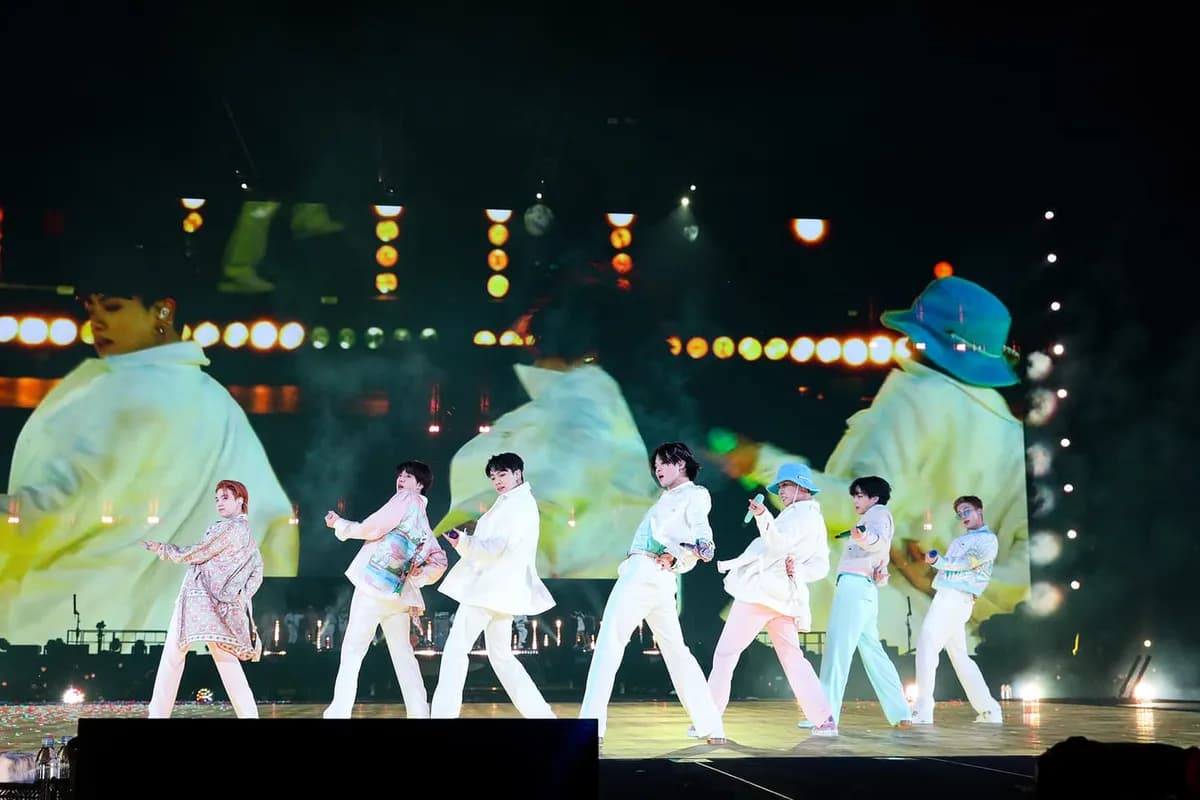
BTS Tops March Artist Brand Reputation Rankings with First Full Group Comeback in 4 Years
BTS ranked first in the Korean Corporate Reputation Research Institute's March Artist Brand Reputation Rankings based on 99 million data points.

Santo Domingo's Malecón Sports Park Construction Progressing Smoothly
Construction of a soccer field and skate park is progressing smoothly in the Malecón area of Santo Domingo, Dominican Republic.

Pogačar Overcomes Crash to Win Milano-Sanremo, Achieves Four Monument Victories
Tadej Pogačar defeated Tom Pidcock to win Milano-Sanremo, achieving his fourth Monument victory.
BTS's New Album 'ARIRANG' Sweeps Spotify Global Chart Positions 1-14
BTS's new album 'ARIRANG' monopolized Spotify Global Chart positions 1-14 on its first day, establishing the largest album debut record in K-POP history.