U.S. Considers Reducing Troops in Germany: First Major Redeployment Since Cold War
84,000 U.S. troops in Europe may be relocated to Indo-Pacific region
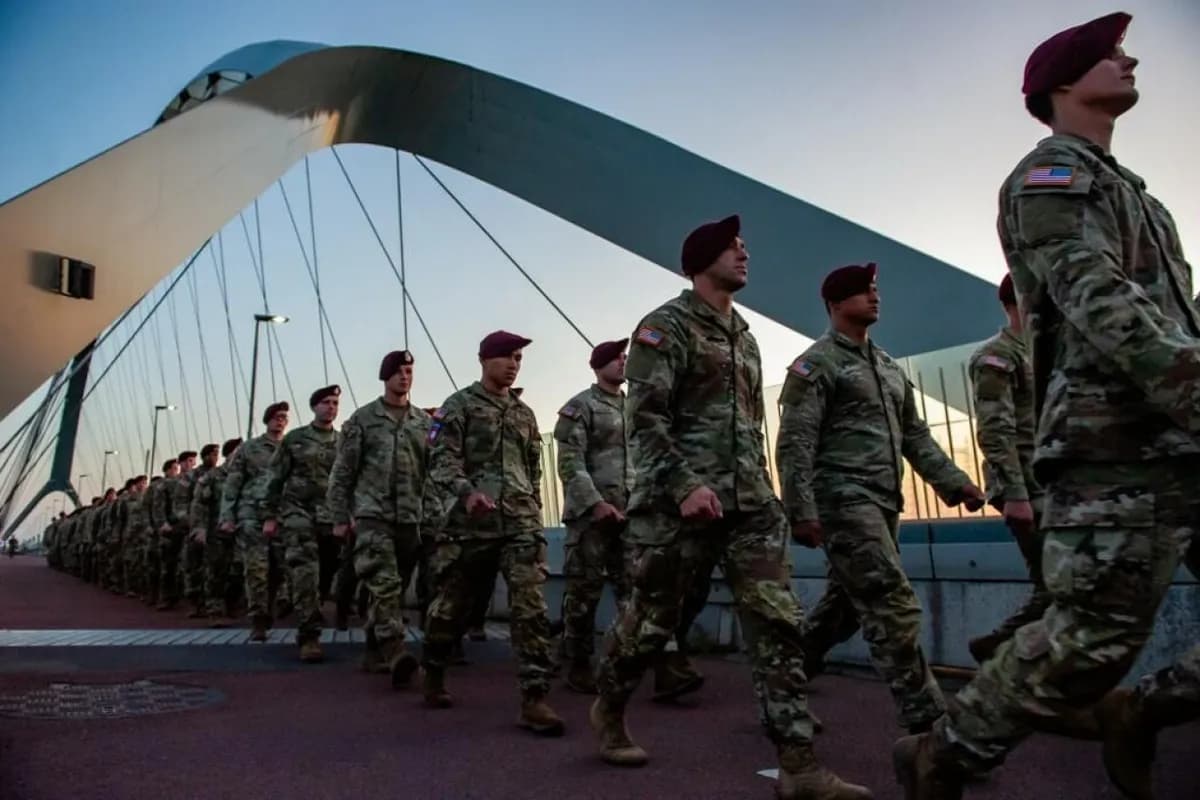
- •The United States is reviewing a reduction of troops stationed in Germany, shaking the European security structure maintained since the Cold War
- •A significant portion of the 84,000 U.S. troops stationed in Europe may be redeployed to the Indo-Pacific region
- •German Defense Minister offered a pessimistic outlook after his Washington visit and promised phased cooperation
The Foundation of German Defense Is Shaking
The United States has confirmed it is reviewing a major reduction of troops stationed in Germany. With the possibility that a significant portion of the 84,000 U.S. military personnel currently deployed in Europe could be relocated to the Indo-Pacific region, the German government has launched an emergency response.
German Defense Minister Boris Pistorius recently visited Washington for talks with U.S. Defense Secretary Pete Hegseth. Following the meeting, Minister Pistorius offered a pessimistic outlook, stating, "If such a decision is made, we have agreed to work closely together on how to implement it in stages."
Confusion from Contradictory Messages
The problem lies in the conflicting messages coming from the U.S. administration. When German Chancellor Friedrich Merz visited the White House last June, President Donald Trump assured him there were no plans for U.S. troop withdrawal.
However, during Minister Pistorius's visit to Washington, a completely different position was communicated. The Pentagon stated it was "reviewing the redeployment of overseas U.S. forces and considering a shift from Europe to the Indo-Pacific."
According to U.S. European Command (EUCOM) data, approximately 84,000 active-duty U.S. military personnel are currently stationed in Europe. Since a significant portion is deployed in Germany, if the reduction becomes reality, it would directly impact Germany's security framework.
Crisis in Post-Cold War Defense Structure
For Germany, U.S. military presence goes beyond a simple alliance—it is the core pillar of national security. From the Cold War era to the present, Germany has relied on U.S. military protection while neglecting investment in its own armed forces.
Despite being Europe's largest economy, Germany's defense spending has long fallen short of NATO's recommended benchmark of 2% of GDP. This has been a structural problem across Europe, not just Germany. U.S. military power has served as the actual foundation of European defense.
This is why major European capitals from Berlin to Paris, Warsaw, and Vilnius are on edge. The reduction of U.S. forces is not simply Germany's problem—it could reshape the entire European collective security system.
Shadow of Indo-Pacific Strategy
According to Pentagon insiders, a comprehensive review of global military deployment is currently underway, led by Elbridge Colby. This suggests the U.S. strategic priority is shifting from Europe to the Indo-Pacific region, where China must be countered.
The Trump administration has consistently criticized NATO allies for "free-riding." The argument is that European countries depend solely on U.S. military power without sufficient investment in their own defense.
Implications for South Korea
This U.S. troop redeployment discussion carries important implications for South Korea's security strategy. Currently, approximately 28,500 U.S. Forces Korea serve as the core pillar of Korean Peninsula security.
If the United States relocates European-based troops to the Indo-Pacific as part of its global military redeployment strategy, this could lead to increased U.S. military presence in Asia, including South Korea. However, it could simultaneously intensify additional demands such as "increased defense cost-sharing."
Germany's case demonstrates the reality that countries dependent on the U.S. security umbrella may face. The challenge of finding balance between strengthening self-defense capabilities and maintaining alliance relationships has become more urgent.
Future Outlook [AI Analysis]
In the short term, rather than immediate implementation, troop reduction is more likely to proceed as a gradual drawdown. The mention of "close cooperation" with Germany supports this view.
However, in the medium to long term, pressure for Europe to build its own defense system appears inevitable. Germany has already established a special defense fund worth 100 billion euros and is accelerating discussions with France on strengthening common European defense capabilities.
The shift of U.S. strategic focus to the Indo-Pacific is a structural trend. European countries stand at a turning point where they must break away from a security dependency structure maintained for over 70 years and create a new defense paradigm.
댓글 (4)
이 사안은 신중하게 접근해야 한다고 봅니다.
차분한 논의가 필요하다는 말에 공감합니다.
Reducing 문제는 양쪽 입장을 모두 들어봐야 할 것 같습니다.
팩트에 기반한 냉정한 판단이 필요한 시점입니다.
More in Global


Latest News
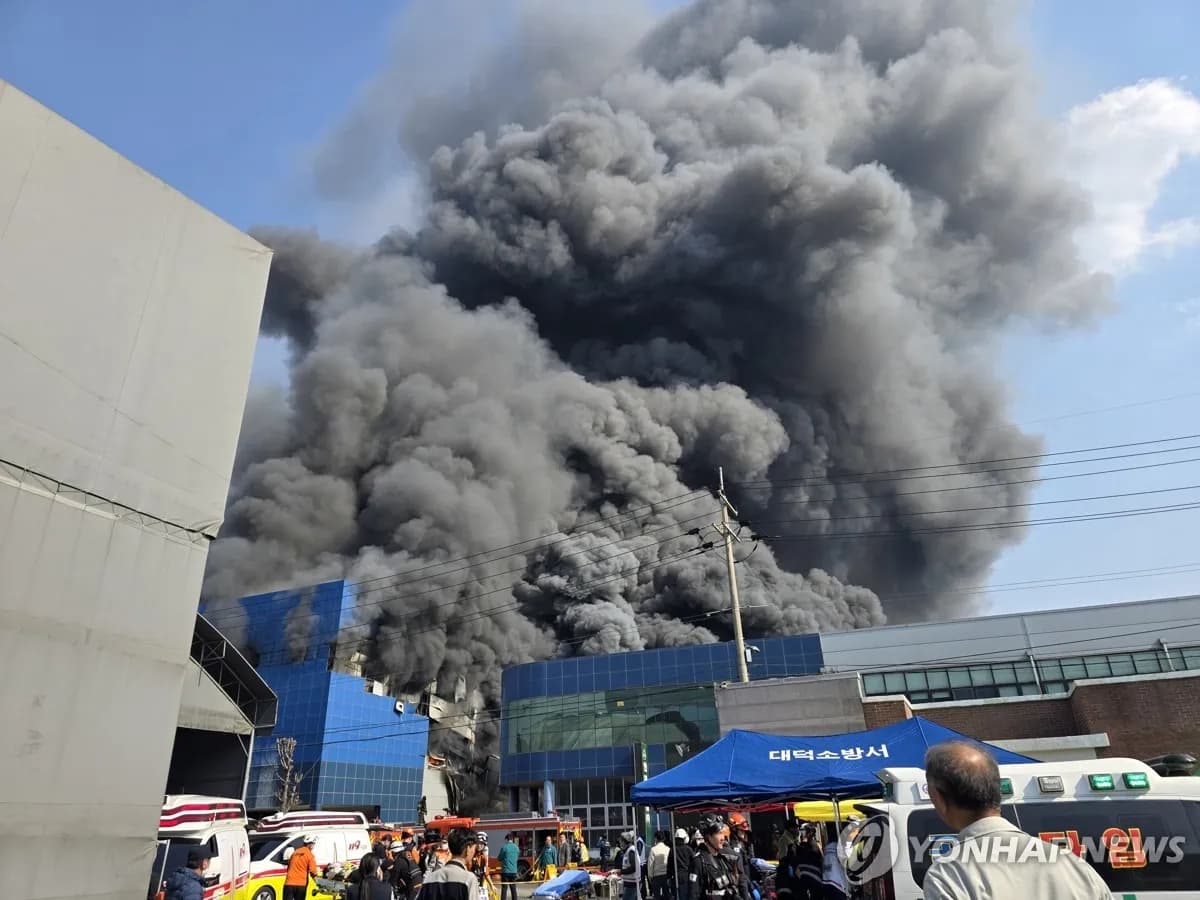
Middle East Conflict Drives Manufacturing Outlook to 10-Month Low
The Korea Institute for Industrial Economics & Trade survey shows April manufacturing outlook PSI plummeted to 88, falling below baseline for the first time in 10 months.

Lee Jae-myung Administration Excludes Multi-Home Officials from Real Estate Policymaking
President Lee Jae-myung has ordered the exclusion of multi-home owning public officials from all real estate policy processes.

Volkswagen CEO Says Germany Should Learn from China's Industrial Strategy
Volkswagen CEO stated that Germany should learn from China's systematic industrial planning approach.

Reddit Considers Face ID to Block Bots While Maintaining Anonymity
Reddit is considering implementing biometric authentication systems such as Face ID and Touch ID to block AI bots while maintaining anonymity.
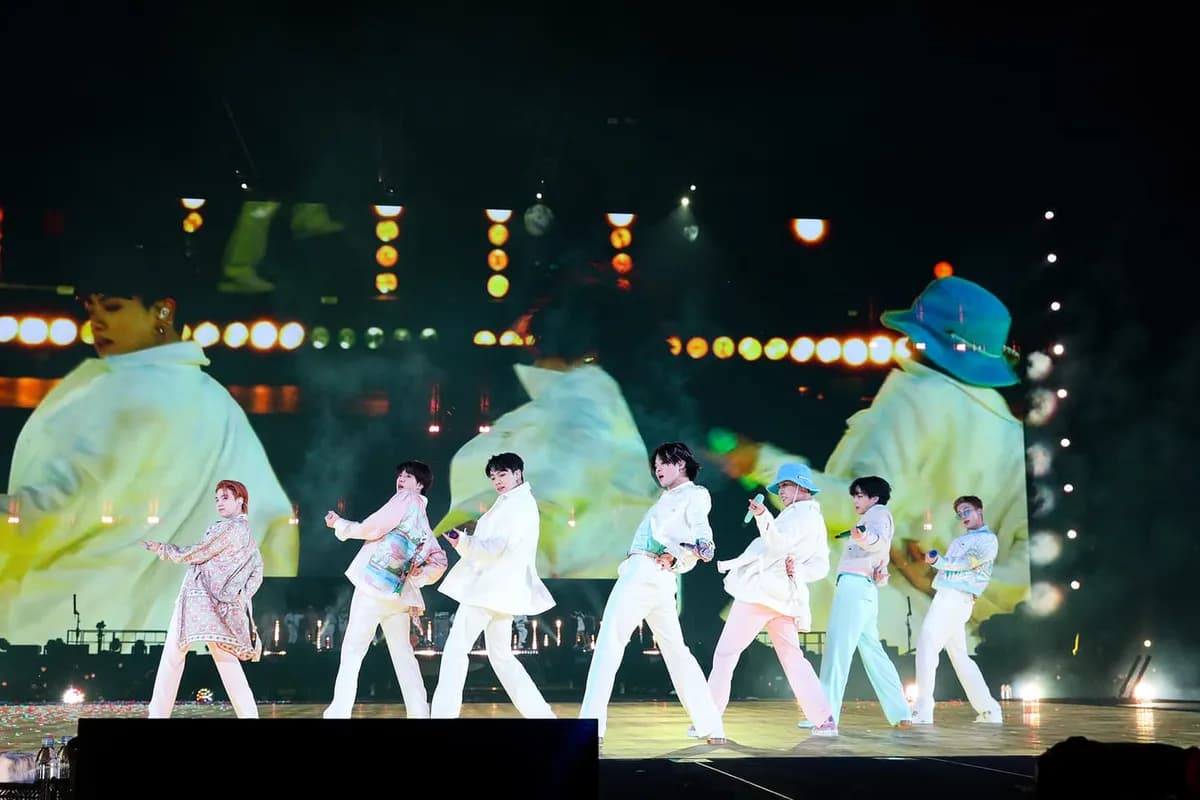
BTS Tops March Artist Brand Reputation Rankings with First Full Group Comeback in 4 Years
BTS ranked first in the Korean Corporate Reputation Research Institute's March Artist Brand Reputation Rankings based on 99 million data points.

Santo Domingo's Malecón Sports Park Construction Progressing Smoothly
Construction of a soccer field and skate park is progressing smoothly in the Malecón area of Santo Domingo, Dominican Republic.

Pogačar Overcomes Crash to Win Milano-Sanremo, Achieves Four Monument Victories
Tadej Pogačar defeated Tom Pidcock to win Milano-Sanremo, achieving his fourth Monument victory.
BTS's New Album 'ARIRANG' Sweeps Spotify Global Chart Positions 1-14
BTS's new album 'ARIRANG' monopolized Spotify Global Chart positions 1-14 on its first day, establishing the largest album debut record in K-POP history.