US, Europe, Japan Intensify China Containment as Taiwan's International Status Accelerates
Vice President Hsiao Speaks at IPAC Annual Meeting, Japanese Defense Minister Hints at Taiwan Intervention

- •US and Europe simultaneously declare anti-communist weeks, intensifying China containment
- •Taiwan Vice President successfully delivers speech at European Parliament's IPAC annual meeting with EU support
- •Japanese Defense Minister publicly mentions possibility of exercising collective self-defense rights in Taiwan contingency
Signals from the Free World's 'Anti-Communist Week'
The United States and Europe simultaneously declared 'Anti-Communist Week,' intensifying international checks on China's communist regime. The White House designated November 7 as the 'National Day for the Victims of Communism.' Marking the 108th anniversary of Russia's October Revolution in 1917, the official proclamation signed by President Trump expressed commitment to defending liberal democracy.
Germany observed 'Berlin Freedom Week' around the 36th anniversary of the fall of the Berlin Wall (November 9). The event commemorated the historical significance of the 1989 Berlin Wall collapse as the starting point for the Soviet communist system's downfall.
Taiwan's Diplomatic Breakthrough: Live Speech at IPAC Annual Meeting
Republic of China Vice President Hsiao Bi-khim attended the Inter-Parliamentary Alliance on China (IPAC) annual meeting at the European Parliament, delivering a speech before lawmakers from dozens of countries. IPAC formally addressed issues of the Chinese Communist Party's transnational repression and organ harvesting.
IPAC's Secretary-General stated that "the Belgian government, the President of the European Parliament, and the EU diplomatic service were all aware of and supported this schedule." This is interpreted as major European powers tacitly approving the Taiwanese Vice President's official activities in Europe.
Former President Tsai Ing-wen also delivered a speech in Germany. Analysts note the symbolic significance of both speeches coinciding temporally with the US and European anti-communist weeks, suggesting intentional coordination.
Japan's Strategic Shift: Public Indication of 'Taiwan Contingency Intervention'
Japanese Defense Minister Sanae Takaichi recently stated that "Japan could exercise collective self-defense rights in a Taiwan contingency," marking the first public mention of possible joint intervention with US forces. This represents the first instance of the Japanese government officially linking the Taiwan issue to its own national security.
The Japanese Prime Minister directly raised issues of China's territorial water incursions, Hong Kong democratic suppression, and Xinjiang Uyghur human rights violations in dialogue with Chinese leadership. Japanese media characterized this as a "conversation of ice and fire," reporting on the chilled bilateral relations.
China's Consul General responded with extreme rhetoric threatening to "behead" the Japanese Prime Minister, which ironically reinforced international perceptions of Chinese diplomacy's violent nature. Song Guo-cheng, researcher at National Chengchi University's International Relations Research Center, commented that "Minister Takaichi taught China the standards of civilization."
Historical Context: Turning Point in Taiwan Status Debate [AI Analysis]
The Taiwan status issue has been a diplomatic flashpoint for over 70 years since the 1949 Chinese Civil War. While China has maintained its 'One China' principle, recent international developments point in a different direction.
Post-2020 Developments:
- 2020: COVID-19 origin controversy damages China's international image
- 2022: US House Speaker Nancy Pelosi visits Taiwan
- 2023: G7 summit explicitly addresses Taiwan Strait stability
- 2025: Taiwan Vice President's European Parliament speech materializes
This IPAC annual meeting may be recorded as a case of de facto EU-level approval of Taiwan's official diplomatic activities. It signals that China's 'One China' principle no longer functions as a diplomatic constraint for Western nations.
Human Rights Issues Expose Systemic Contradictions [AI Analysis]
The US State Department's 2025 Trafficking in Persons Report classified China in the worst tier. The report specifically mentioned allegations of organ harvesting by Chinese authorities, characterizing it as "state-level systematic human rights violations."
China operates 700 million surveillance cameras and AI facial recognition systems, yet paradoxically experiences mass disappearances annually. Testimonies continue to emerge that families requesting searches for missing persons become targets of state surveillance and repression themselves.
Future Outlook [AI Analysis]
The simultaneous multi-front containment of China by the US, Europe, and Japan is likely to solidify as a structural change rather than a temporary phenomenon. The internationalization of Taiwan's status is expected to proceed to the next stage.
Japan's public declaration of Taiwan intervention signals a restructuring of Asian security order. US allies including South Korea, Australia, and the Philippines will be compelled to reconsider their positions on the Taiwan issue.
China's 'Wolf Warrior Diplomacy' is producing the counterproductive result of self-imposed international isolation. Extreme rhetoric like the Consul General's beheading remarks undermines Chinese diplomacy's credibility and may paradoxically strengthen Western cohesion.
댓글 (2)
간결하면서도 핵심을 잘 정리한 기사네요.
기사 잘 봤습니다. 다른 시각의 분석도 읽어보고 싶네요.
More in Global



Latest News
Middle East Conflict Drives Manufacturing Outlook to 10-Month Low
The Korea Institute for Industrial Economics & Trade survey shows April manufacturing outlook PSI plummeted to 88, falling below baseline for the first time in 10 months.
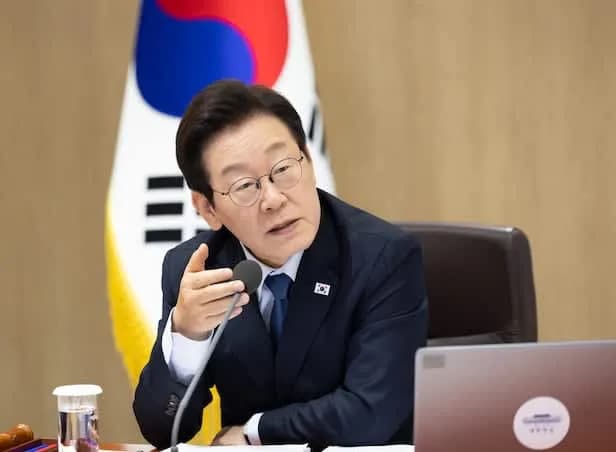
Lee Jae-myung Administration Excludes Multi-Home Officials from Real Estate Policymaking
President Lee Jae-myung has ordered the exclusion of multi-home owning public officials from all real estate policy processes.
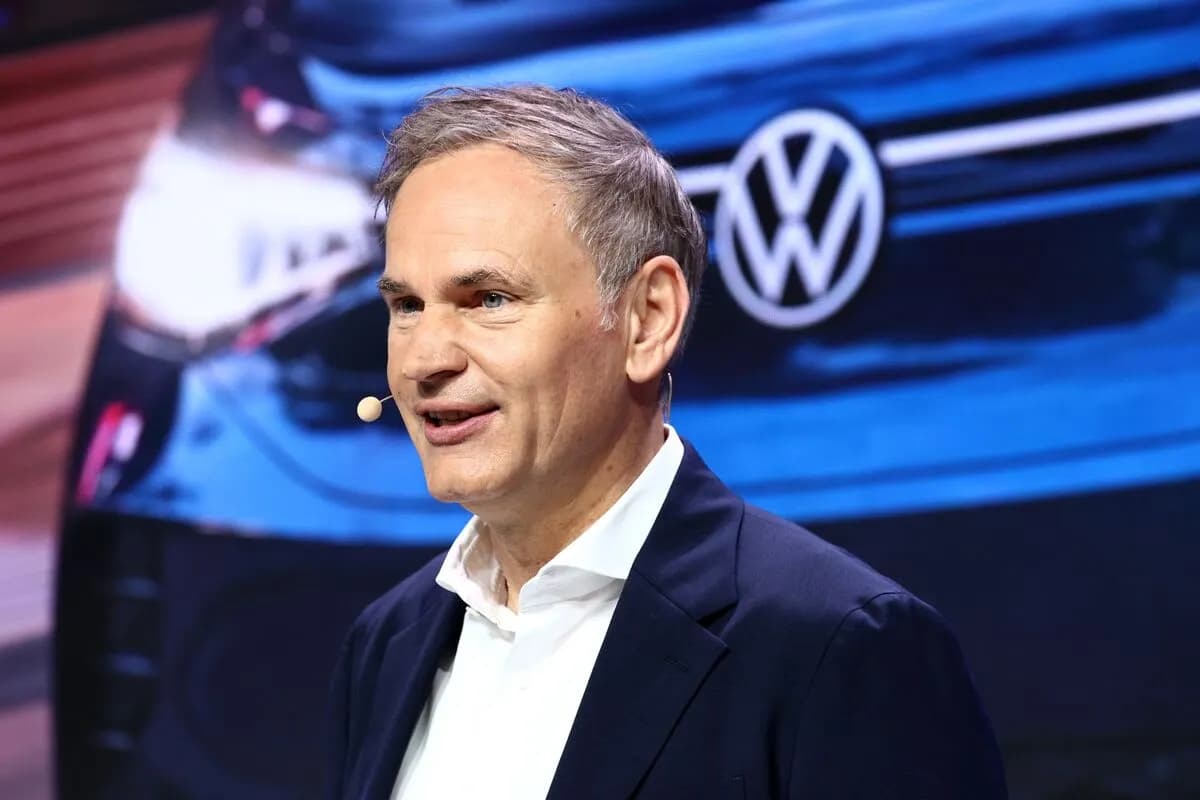
Volkswagen CEO Says Germany Should Learn from China's Industrial Strategy
Volkswagen CEO stated that Germany should learn from China's systematic industrial planning approach.

Reddit Considers Face ID to Block Bots While Maintaining Anonymity
Reddit is considering implementing biometric authentication systems such as Face ID and Touch ID to block AI bots while maintaining anonymity.
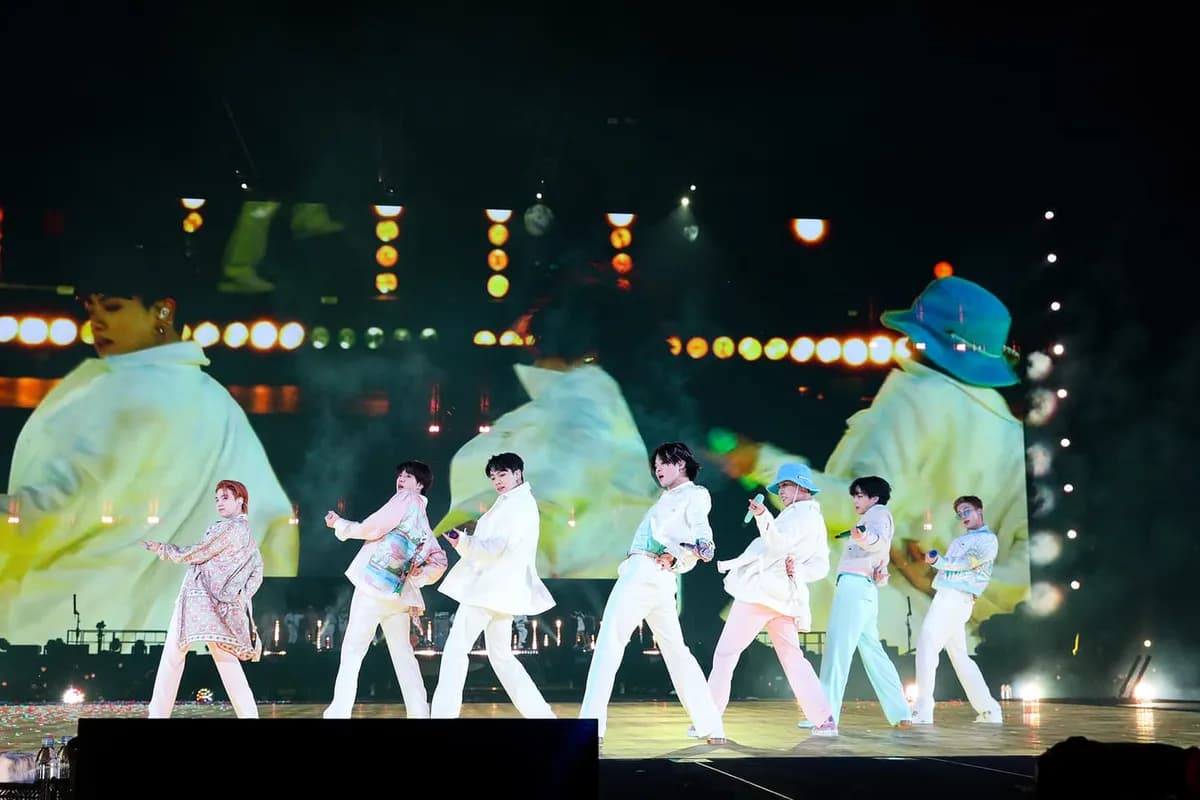
BTS Tops March Artist Brand Reputation Rankings with First Full Group Comeback in 4 Years
BTS ranked first in the Korean Corporate Reputation Research Institute's March Artist Brand Reputation Rankings based on 99 million data points.

Santo Domingo's Malecón Sports Park Construction Progressing Smoothly
Construction of a soccer field and skate park is progressing smoothly in the Malecón area of Santo Domingo, Dominican Republic.

Pogačar Overcomes Crash to Win Milano-Sanremo, Achieves Four Monument Victories
Tadej Pogačar defeated Tom Pidcock to win Milano-Sanremo, achieving his fourth Monument victory.
BTS's New Album 'ARIRANG' Sweeps Spotify Global Chart Positions 1-14
BTS's new album 'ARIRANG' monopolized Spotify Global Chart positions 1-14 on its first day, establishing the largest album debut record in K-POP history.