Venezuela Crisis Reveals Shift in Global Order
U.S. Military Intervention Signals Era Where Great Power Logic Trumps International Law
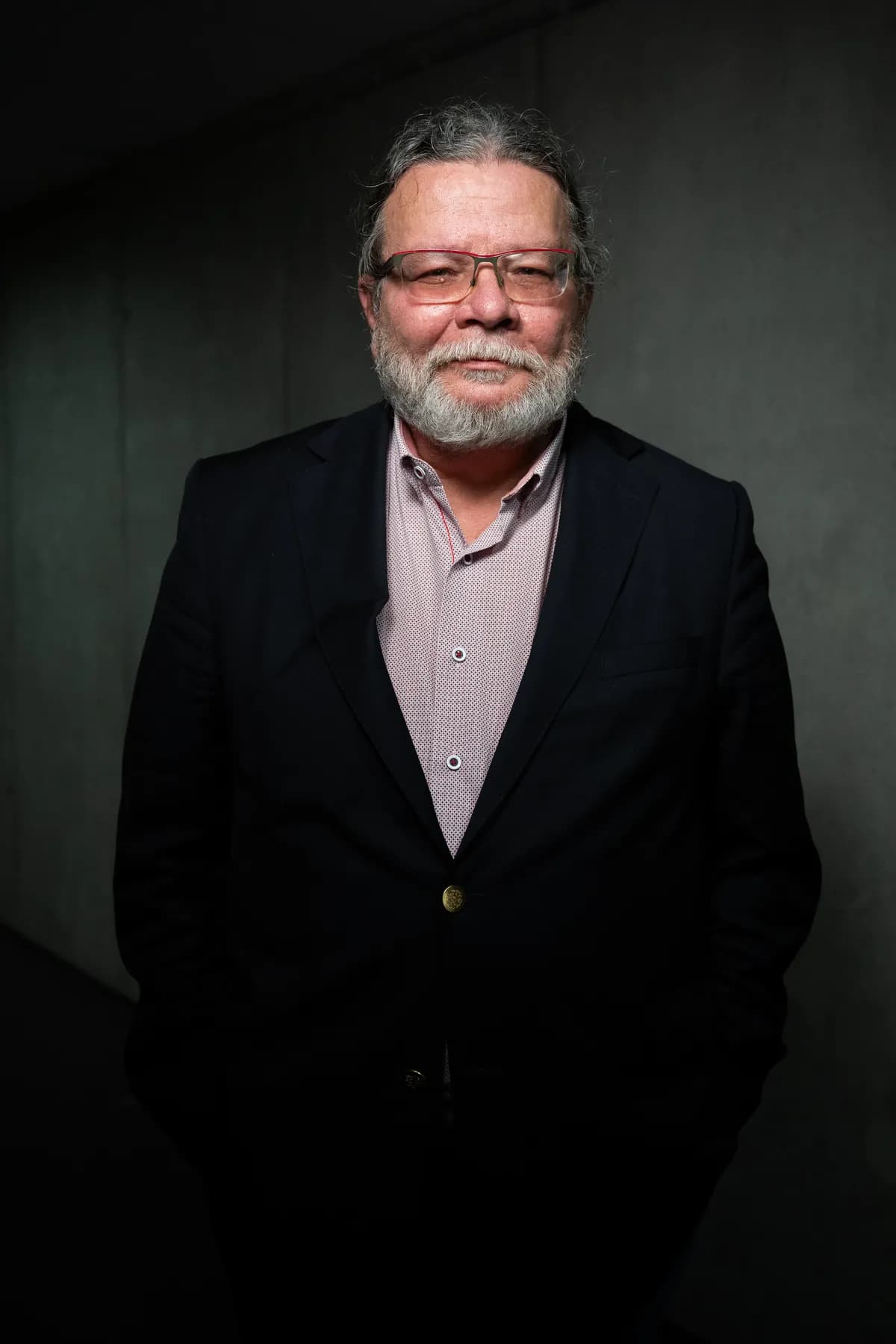
- •The U.S. military intervention in Venezuela was completed without casualties, earning assessments of military success.
- •Czech foreign policy expert analyzed that this crisis demonstrates a shift to an era where great power strength dominates over international law.
- •Middle powers like Europe and Korea need to strengthen independent security capabilities in an age of sphere of influence politics.
U.S. Military Intervention in Venezuela: A Flawless Operation
Alexandr Vondra, a European Parliament member from the Czech Republic and former diplomat (Civic Democratic Party), described the U.S. military operation in Venezuela as "a perfect operation from a military standpoint."
In an interview with Czech Radio, Vondra stated, "They achieved their objectives without a single civilian casualty or U.S. military casualty," analyzing it as "an unprecedented success in the history of military operations." He noted that 8 million citizens fled the country under the Chávez-Maduro regime, predicting that this intervention would bring positive outcomes for Venezuela.
Not About Oil, But Geopolitical Realignment
Some analysts suggest this intervention was aimed at securing Venezuelan oil. Critics including American author Stephen King claimed "it's about oil, not drugs," and President Trump did not deny this assertion.
However, Vondra drew a clear line: "Oil is not the sole objective." He explained, "Even Professor Lukesh of Boston University, who has been a strong critic of Trump, believed oil was not the primary motive," analyzing that "both the drug issue and oil likely played certain roles."
In reality, Venezuela's return to the international oil market could lead to lower oil prices, potentially weakening Russia's war-fighting capabilities as it depends on oil exports.
The End of the International Law Era
Vondra diagnosed this situation as "a case showing where the world is headed."
Rules-Based Order of the 1990s
In the 1990s, the international community respected international legal norms, conducting military interventions with UN Security Council approval. The Gulf War (1991) and Bosnia peacekeeping deployment (1995) were prime examples.
Fractures Since the 2000s
However, these norms have gradually eroded over the past 15 years. Russia's annexation of Crimea (2014), intervention in the Syrian civil war, and China's construction of artificial islands in the South China Sea marked the beginning of great powers prioritizing national interests over international law.
Present: Return of Spheres of Influence Politics
Vondra stated, "We now live in an era of power politics where great powers create order according to their own rules in their own backyards."
Implications for Europe and Korea
Vondra advised that Europe and the Czech Republic should respond "calmly." He analyzed, "For Venezuela, this is a better scenario than the continuation of the Maduro regime," adding that "it will also serve as a warning to dictatorial regimes like Cuba and Nicaragua."
The implications for Korea are clear. If the United States took unilateral military action in its "backyard" of Latin America, East Asia could also become a frontline of U.S.-China sphere of influence competition. The possibility has increased that great power logic, rather than international law, will operate in issues such as North Korea and Taiwan Strait tensions.
Vondra emphasized the need for Europe to strengthen autonomous defense, stating, "We too must ensure that no one can act freely in our yard." This message applies equally to Korea.
Future Outlook [AI Analysis]
The Venezuela crisis likely signals more than a regional conflict—it may be a harbinger of international order realignment.
The weakening of the rules-based order will likely accelerate. The precedent of the United States taking military action without UN Security Council approval provides justification for other great powers. Russia and China may also take bolder actions in their respective spheres of influence.
Strategic choices by middle powers become crucial. Countries like Korea and the Czech Republic will face the dilemma of either securing independent positions between great powers or preserving autonomy through strengthened alliances.
Economic ripple effects also warrant attention. Venezuela's return to the oil market could lead to global energy market realignment, potentially affecting not only Russia's war-fighting capabilities but also the influence of Middle Eastern oil-producing nations.
댓글 (4)
불안한 시기에 정확한 보도가 중요합니다. 좋은 기사 감사합니다.
이 위기를 어떻게 극복할 수 있을지 전문가 의견이 더 필요합니다.
경제 상황이 좋지 않은데, 정부의 대응이 아쉽습니다.
맞습니다. 대비가 필요한 시점이에요.
More in Global


Latest News

Middle East Conflict Drives Manufacturing Outlook to 10-Month Low
The Korea Institute for Industrial Economics & Trade survey shows April manufacturing outlook PSI plummeted to 88, falling below baseline for the first time in 10 months.
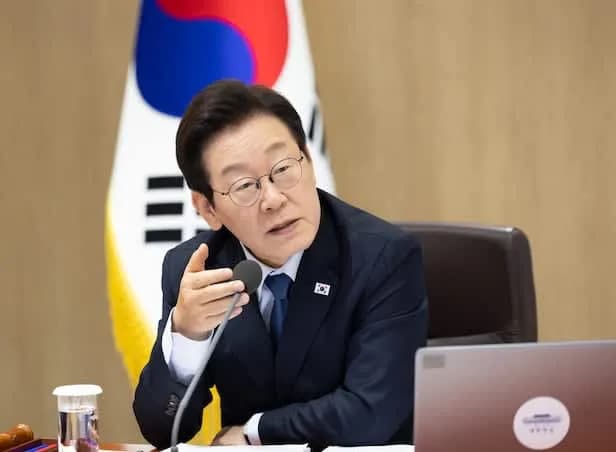
Lee Jae-myung Administration Excludes Multi-Home Officials from Real Estate Policymaking
President Lee Jae-myung has ordered the exclusion of multi-home owning public officials from all real estate policy processes.
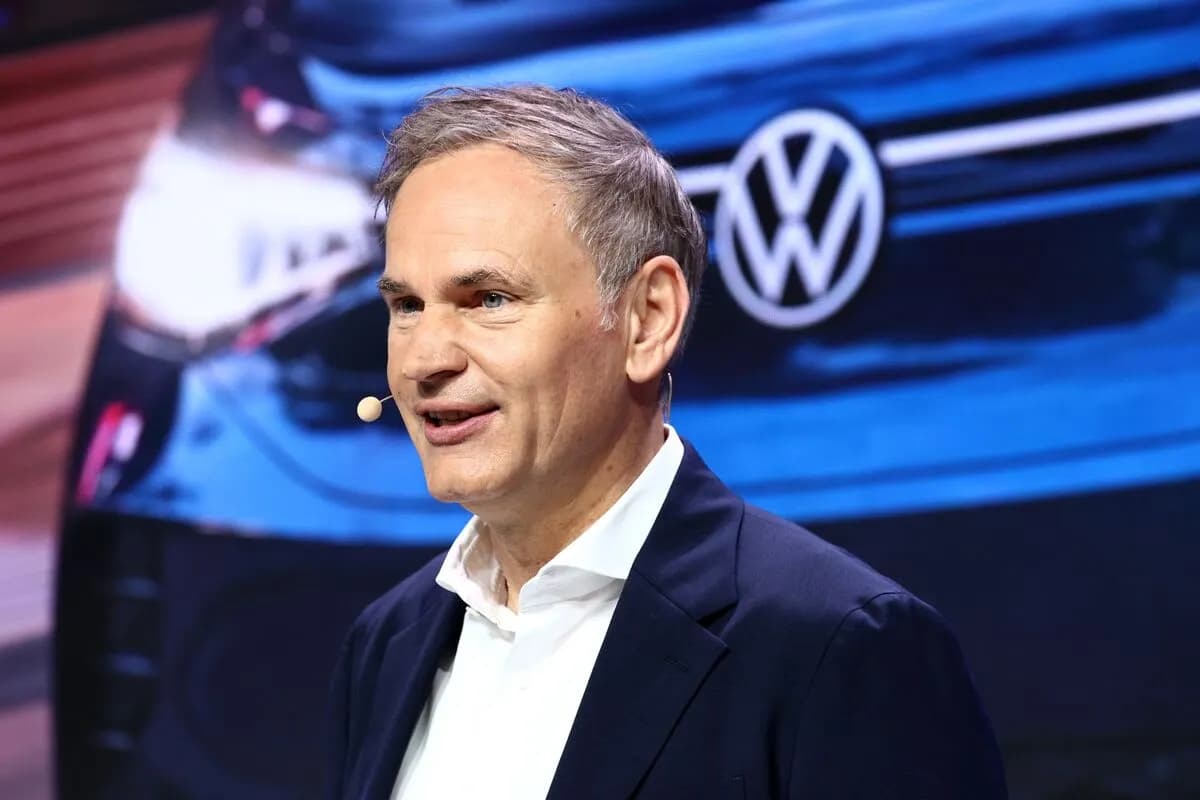
Volkswagen CEO Says Germany Should Learn from China's Industrial Strategy
Volkswagen CEO stated that Germany should learn from China's systematic industrial planning approach.

Reddit Considers Face ID to Block Bots While Maintaining Anonymity
Reddit is considering implementing biometric authentication systems such as Face ID and Touch ID to block AI bots while maintaining anonymity.
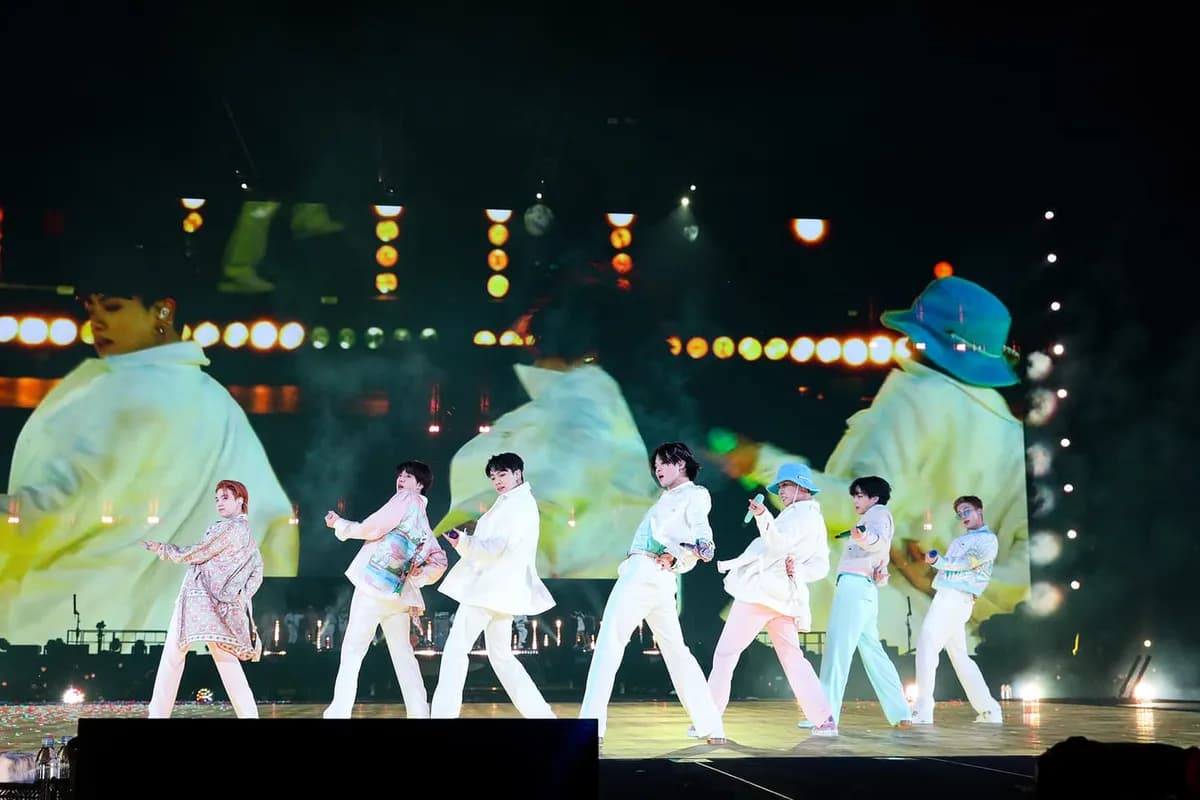
BTS Tops March Artist Brand Reputation Rankings with First Full Group Comeback in 4 Years
BTS ranked first in the Korean Corporate Reputation Research Institute's March Artist Brand Reputation Rankings based on 99 million data points.

Santo Domingo's Malecón Sports Park Construction Progressing Smoothly
Construction of a soccer field and skate park is progressing smoothly in the Malecón area of Santo Domingo, Dominican Republic.

Pogačar Overcomes Crash to Win Milano-Sanremo, Achieves Four Monument Victories
Tadej Pogačar defeated Tom Pidcock to win Milano-Sanremo, achieving his fourth Monument victory.
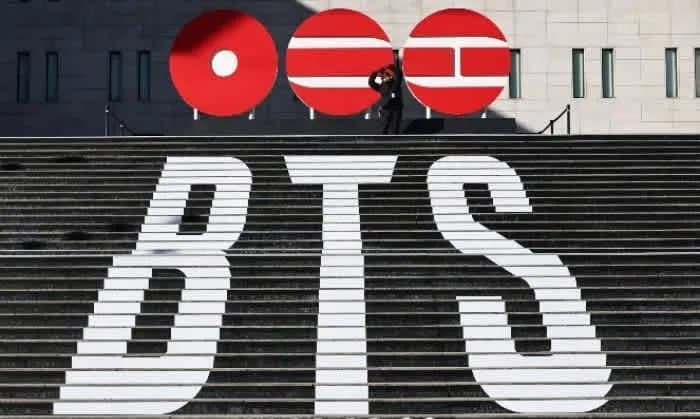
BTS's New Album 'ARIRANG' Sweeps Spotify Global Chart Positions 1-14
BTS's new album 'ARIRANG' monopolized Spotify Global Chart positions 1-14 on its first day, establishing the largest album debut record in K-POP history.