Venezuela Crisis Enters New Phase with Trump Intervention
President Maduro Appears in US Court as Naval Fleet Deployment Heightens Tensions in Caribbean
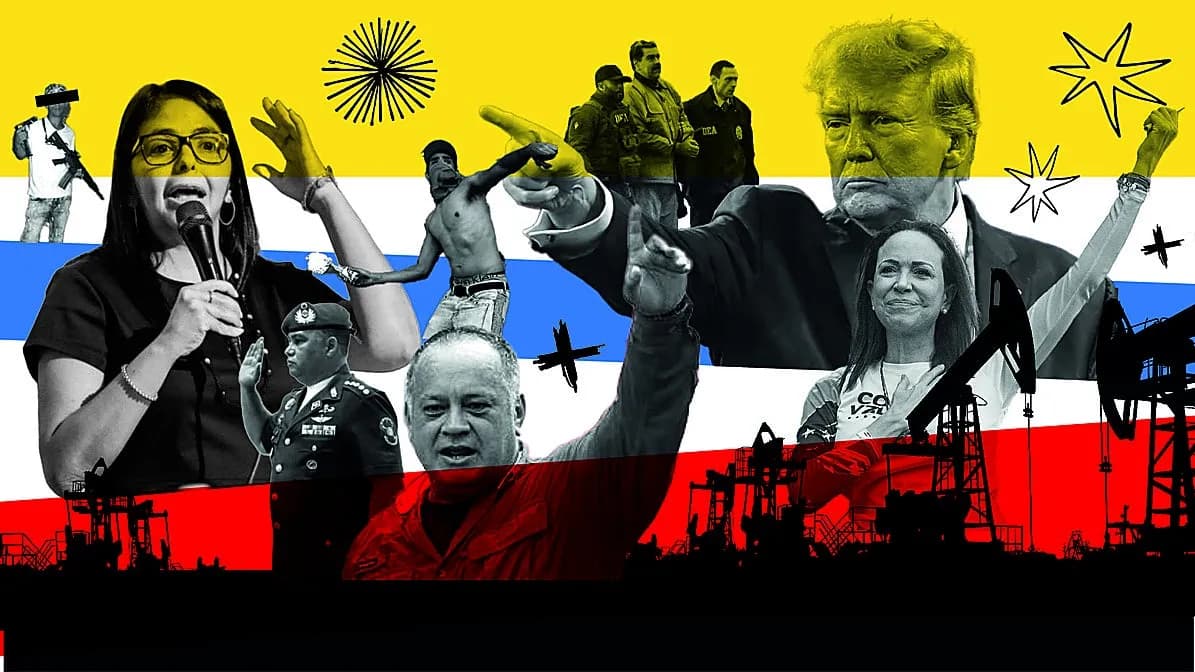
- •President Trump's direct intervention shocked the international community as Venezuelan President Maduro appeared in a New York courtroom.
- •Venezuela faces unprecedented tension with complex stakeholders including the military, opposition parties, drug cartels, and oil corporations entangled in the situation.
- •The Trump administration's new unilateral interventionism could signal a reorganization of international order and is expected to impact the international community including South Korea.
Trump Signals New Policy Direction with Venezuela Intervention
Last Saturday, the world watched in shock as Venezuelan President Nicolás Maduro appeared in a New York courtroom. What had been anticipated since the United States deployed a naval fleet to the Caribbean became reality.
President Donald Trump's move goes beyond simple diplomatic pressure. It is interpreted as a signal marking the beginning of a new interventionist policy that prioritizes American interests above all other considerations. Venezuela has now become the first testing ground for the Trump administration's aggressive foreign policy.
Complex Power Dynamics Surrounding Venezuela
Venezuela's political landscape was already a battleground for multiple stakeholders. Various actors are entangled in the situation: military forces within the Caracas government, opposition leadership in exile, hardliners within the Trump administration (the so-called 'hawks'), drug cartels, and multinational oil corporations.
With this direct US intervention, Venezuela's already complicated situation now faces unprecedented levels of tension. As the interests of each faction collide, the likelihood of unpredictable developments has increased significantly.
Historical Context of the Venezuelan Crisis
Venezuela's political turmoil is rooted in the conflict between the leftist regime that has persisted since Hugo Chávez's rule and the United States. The Maduro government, which succeeded to power after Chávez's death in 2013, has experienced economic crisis and international isolation.
The United States has intensified pressure on the Maduro regime by recognizing opposition leader Juan Guaidó as interim president. While economic sanctions and diplomatic isolation were the primary tools, the Trump second-term administration has chosen a much more direct and aggressive approach.
Venezuela's strategic value as the holder of the world's largest oil reserves is a crucial factor explaining US intervention. The fact that China and Russia have strengthened their relationships with Venezuela has also heightened American concerns.
Impact on South Korea
Although geographically distant, the Venezuelan crisis could affect South Korea. First, there is potential for increased volatility in international oil markets. Venezuelan political instability could lead to oil supply disruptions, which could burden the South Korean economy with its high dependence on energy imports.
Additionally, if the Trump administration's unilateral interventionism becomes a new standard in international order, it could impact the East Asian security environment. Changes in the US approach to foreign policy cannot be ruled out as a new variable affecting Korean Peninsula issues.
Future Outlook [AI Analysis]
The Venezuelan situation appears unlikely to stabilize in the short term. The dynamics of the military supporting the Maduro government, the opposition's cohesion, and international community responses are operating in combination, making a continuation of the fluid situation highly likely.
The new interventionism the Trump administration is demonstrating through Venezuela could extend to other regions. This challenges existing international law and diplomatic conventions, potentially signaling a reorganization of the international order.
The responses of Latin American countries, the reactions of China and Russia, and the position-taking of European nations will be important variables determining the future direction of the Venezuelan crisis. Particular attention should be paid to the possibility of intensifying competition among major powers over oil interests.
댓글 (2)
Venezuela 상황이 심각하네요. 서민들 피해가 걱정됩니다.
이 위기를 어떻게 극복할 수 있을지 전문가 의견이 더 필요합니다.
More in Global


Latest News
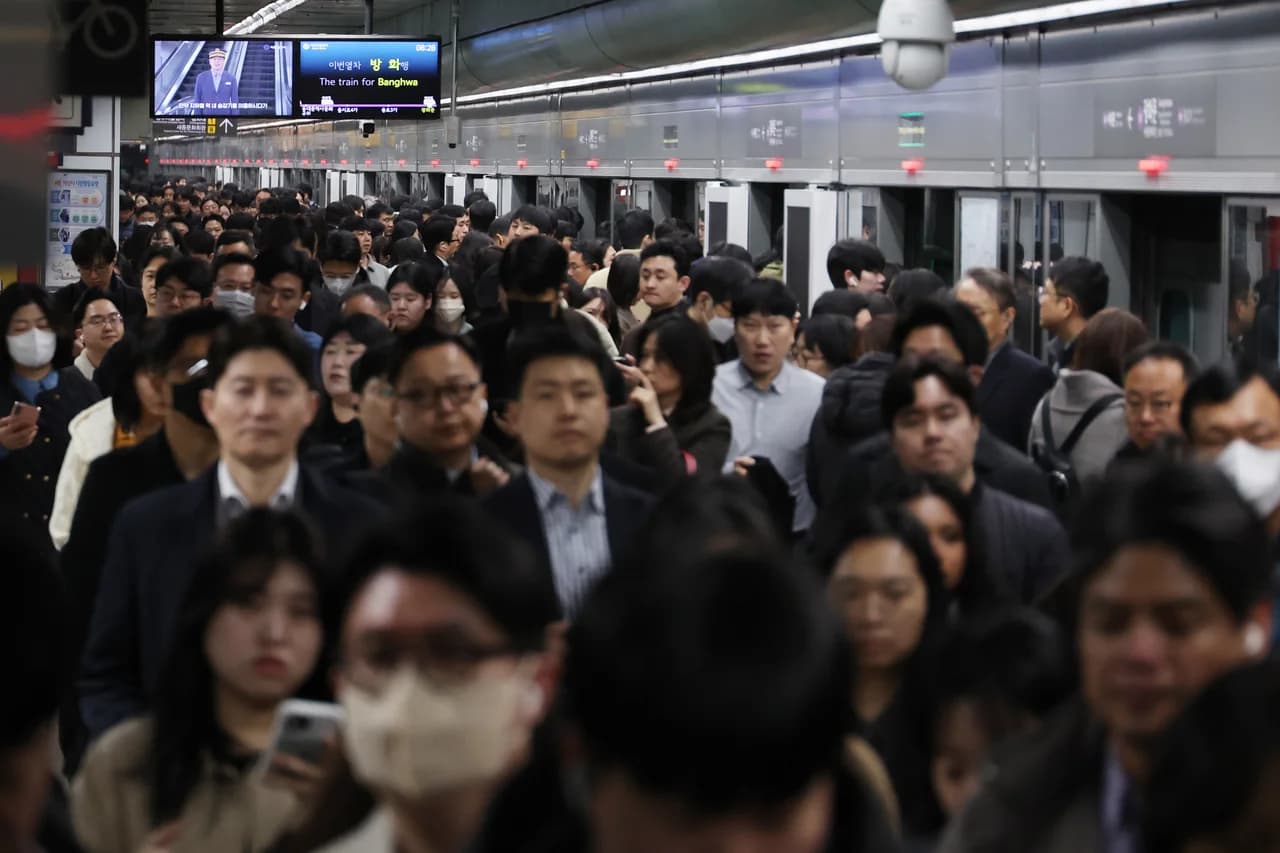
Middle East Conflict Drives Manufacturing Outlook to 10-Month Low
The Korea Institute for Industrial Economics & Trade survey shows April manufacturing outlook PSI plummeted to 88, falling below baseline for the first time in 10 months.
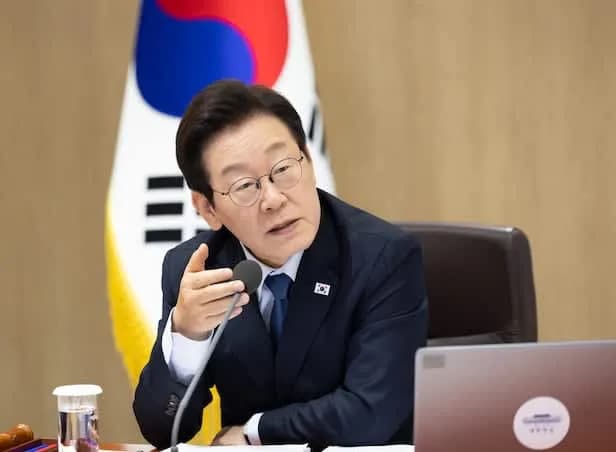
Lee Jae-myung Administration Excludes Multi-Home Officials from Real Estate Policymaking
President Lee Jae-myung has ordered the exclusion of multi-home owning public officials from all real estate policy processes.
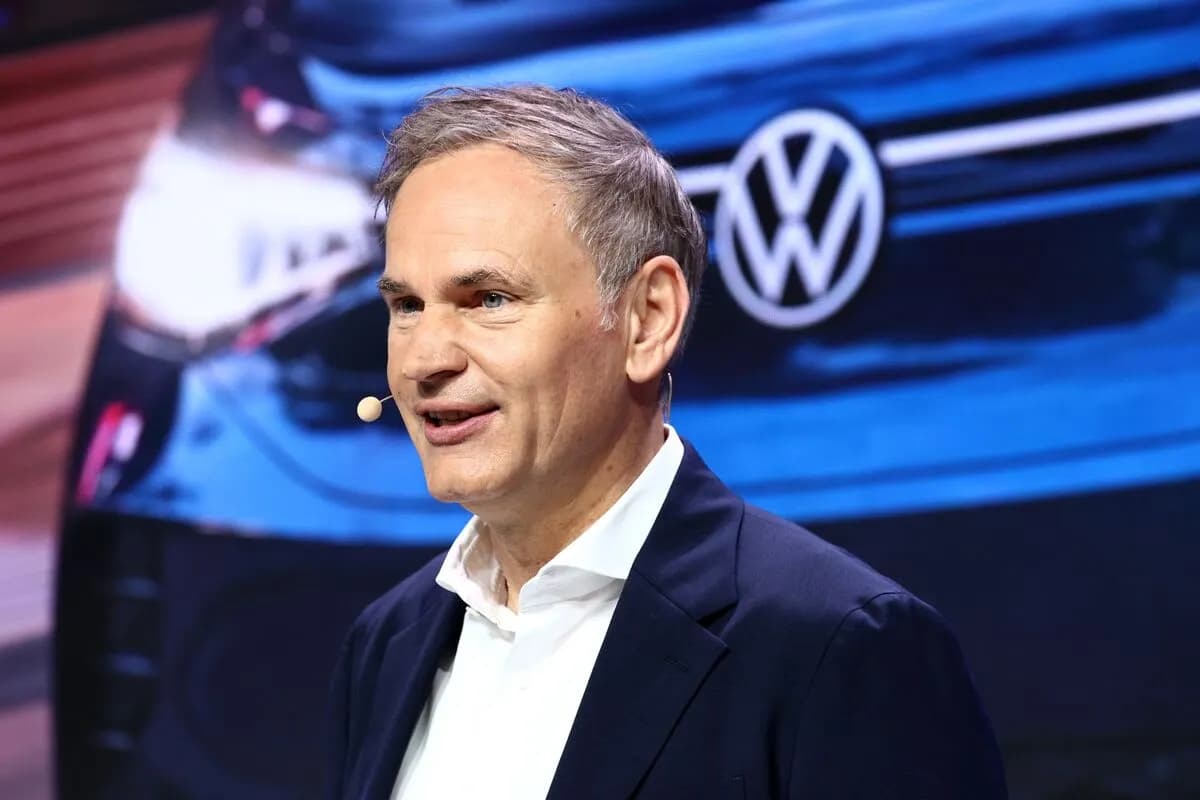
Volkswagen CEO Says Germany Should Learn from China's Industrial Strategy
Volkswagen CEO stated that Germany should learn from China's systematic industrial planning approach.

Reddit Considers Face ID to Block Bots While Maintaining Anonymity
Reddit is considering implementing biometric authentication systems such as Face ID and Touch ID to block AI bots while maintaining anonymity.
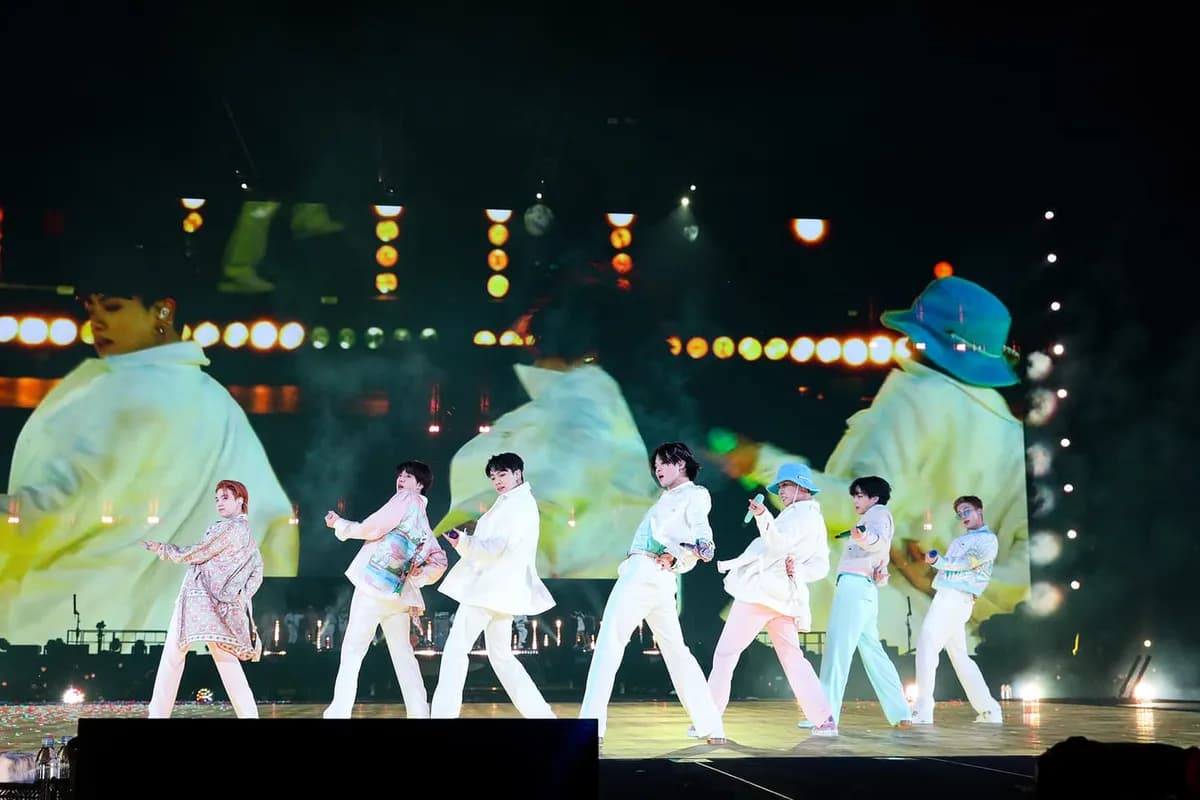
BTS Tops March Artist Brand Reputation Rankings with First Full Group Comeback in 4 Years
BTS ranked first in the Korean Corporate Reputation Research Institute's March Artist Brand Reputation Rankings based on 99 million data points.
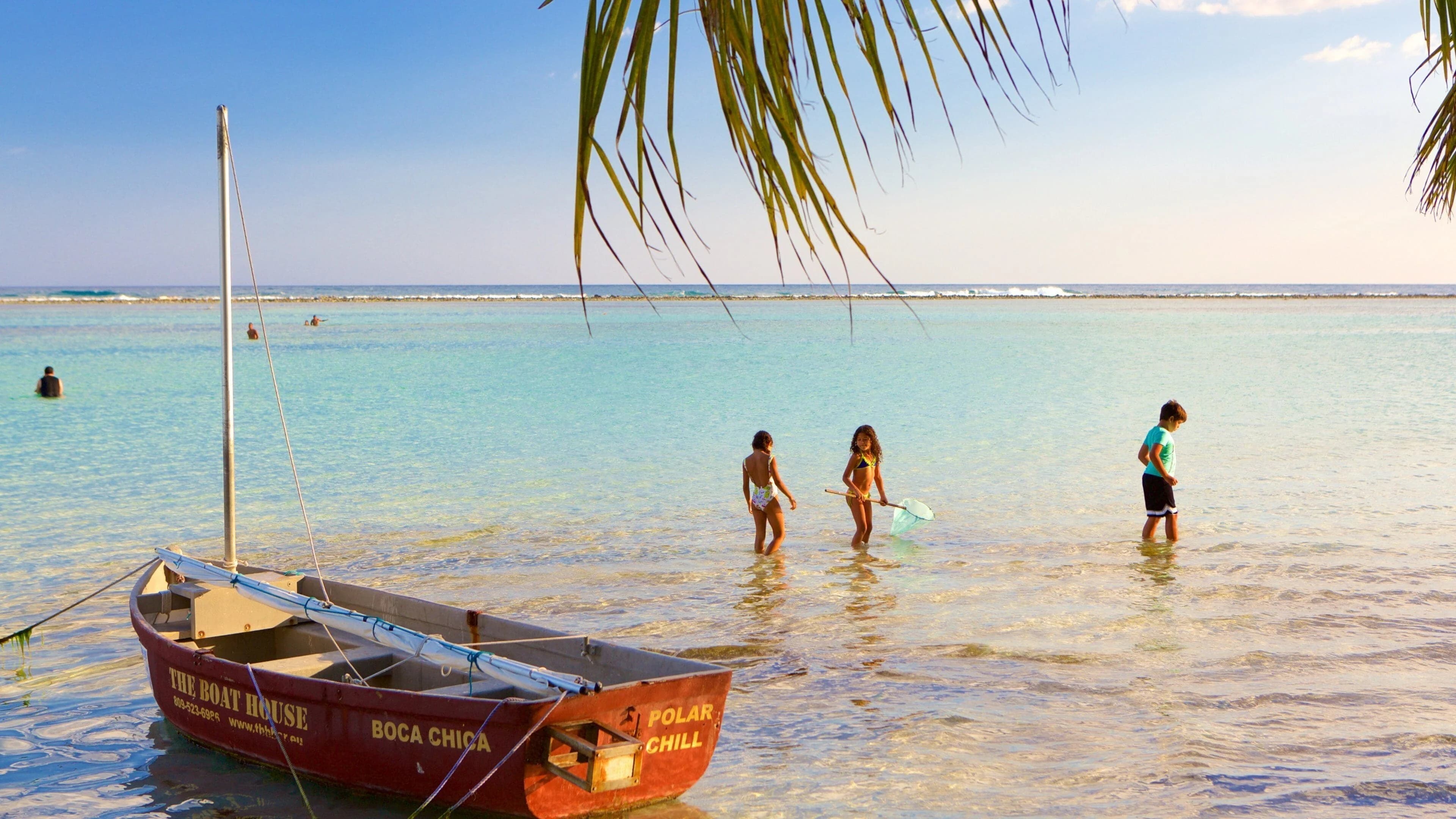
Santo Domingo's Malecón Sports Park Construction Progressing Smoothly
Construction of a soccer field and skate park is progressing smoothly in the Malecón area of Santo Domingo, Dominican Republic.

Pogačar Overcomes Crash to Win Milano-Sanremo, Achieves Four Monument Victories
Tadej Pogačar defeated Tom Pidcock to win Milano-Sanremo, achieving his fourth Monument victory.
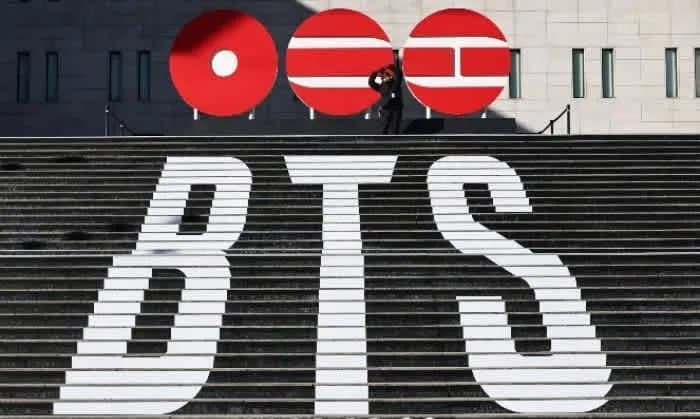
BTS's New Album 'ARIRANG' Sweeps Spotify Global Chart Positions 1-14
BTS's new album 'ARIRANG' monopolized Spotify Global Chart positions 1-14 on its first day, establishing the largest album debut record in K-POP history.