North Macedonia's Albanian Presidential Candidate Warns of Deepening Ethnic Conflict
Former Foreign Minister Osmani Criticizes Attempts to Revert to Mono-Ethnic State, Emphasizes Equality
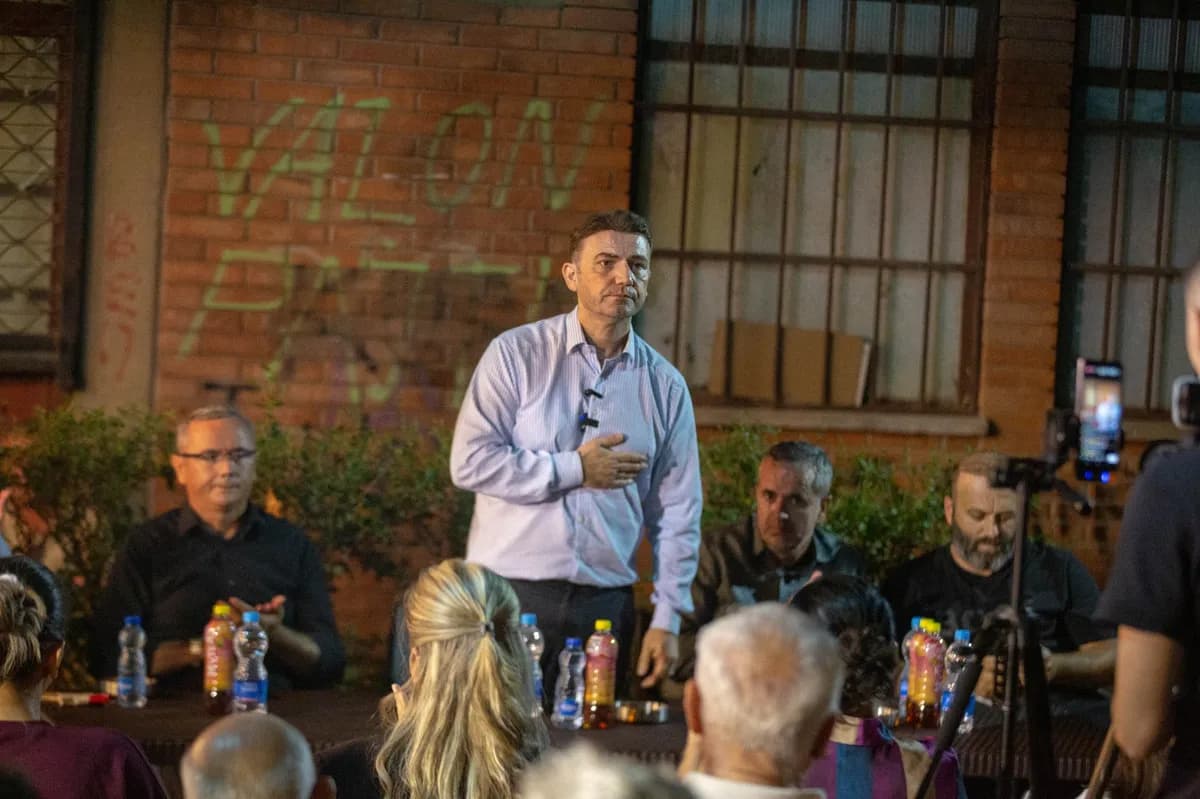
- •Bujar Osmani, North Macedonia's Albanian presidential candidate, strongly criticized the current government's attempt to revert to a mono-ethnic state.
- •He claimed a second-phase plan is underway to downgrade Albanians to minority status, directly targeting Prime Minister Mickoski.
- •With elections approaching in October, ethnic tensions are escalating and are expected to impact EU accession negotiations.
Albanian Politician Raises Concerns Over Minority Status Downgrade
Bujar Osmani, North Macedonia's Albanian presidential candidate and former foreign minister, has strongly criticized the current government's policies as an "attempt to return to a mono-ethnic state." At the opening ceremony of his campaign office in Skopje's Çair district on March 4, Osmani emphasized that "this is not a fight against VLEN (the ruling coalition), but a fight against the concept of treating us as second-class citizens."
He characterized the October 19 election as "a watershed moment that will determine whether Albanians are recognized as equal citizens." Osmani stated, "We are a nation with two states in the Balkans, and these states are developing exponentially. We cannot tolerate being marginalized and humiliated."
Building Cross-Party Alliance with Medical Professionals
Notably, Osmani has joined forces with Arben Taravari, his rival in the previous presidential election. Together, they garnered 200,000 votes in the last election and recently met with over 200 medical professionals in the Skopje region, pledging cross-party cooperation.
Osmani emphasized, "This is a time when we must transcend party divisions," adding that "the equal status of Albanians is under threat." He claimed that through international sources and confidential information, "a second-phase plan is underway to downgrade Albanians to minority status and exclude them from decision-making processes."
Direct Criticism Targeting Prime Minister Mickoski
Osmani identified Prime Minister Hristijan Mickoski as the symbol of these policies. He stated, "The reason Mickoski dislikes me is not because of the Bulgaria agreement. They don't want Albanian politicians who see themselves as masters of the state."
Having concluded a 30-year historical dispute with Bulgaria during his tenure as foreign minister, Osmani said, "I have never accepted the role of a second-class citizen. When we had the responsibility to represent the country in negotiations, we did it," emphasizing that "we are now at a stage where we will not accept anything less than complete equality."
Efforts to Inspire Confidence in Youth
Osmani revealed that his main goal is to inspire confidence in the younger generation. "I'm pleased that young people are coming to rallies. I want to instill confidence in them," expressing his commitment to nurturing the next generation of Albanian leaders.
Albanians constitute approximately 25% of North Macedonia's total population, making them a significant minority. While the Ohrid Agreement, signed after the 2001 armed conflict, guaranteed Albanians considerable autonomy and political representation, concerns have recently been raised that these rights are under threat.
Future Outlook [AI Analysis]
Ethnic tensions in North Macedonia are likely to intensify ahead of the October elections. While Osmani's hardline stance may mobilize Albanian voters, it also risks deepening ethnic divisions.
For North Macedonia, which is pursuing European Union membership, resolving domestic ethnic conflicts is an essential task. The international community is closely monitoring whether the spirit of the Ohrid Agreement is being maintained, and the guarantee of minority rights is expected to impact EU accession negotiations.
While there is limited direct connection to Korea, the patterns of conflict emerging in a multi-ethnic state's integration process offer a valuable reference for understanding global democratic development.
댓글 (2)
이 문제의 본질이 무엇인지 깊이 생각해볼 필요가 있습니다.
댓글란이 과열되지 않았으면 합니다. 차분한 논의가 필요해요.
More in Global


Latest News
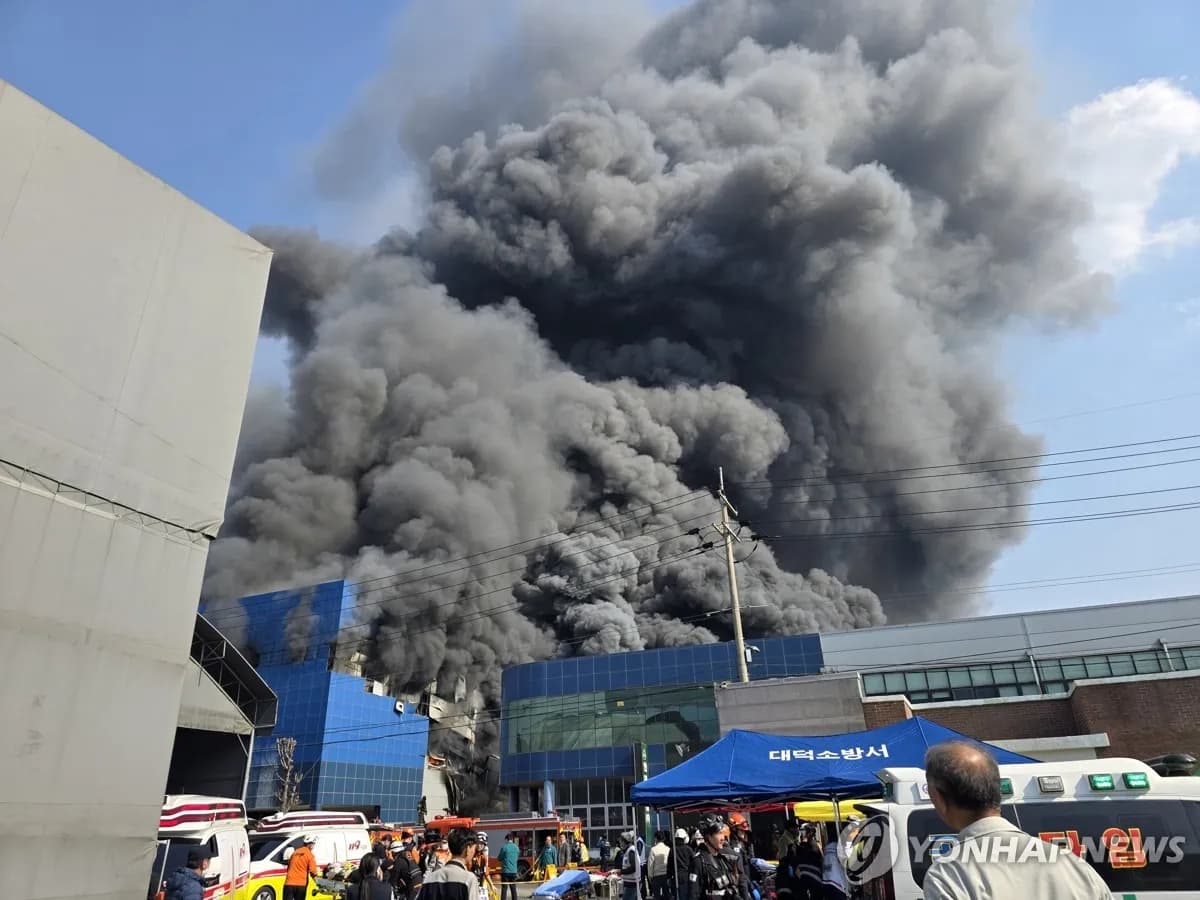
Middle East Conflict Drives Manufacturing Outlook to 10-Month Low
The Korea Institute for Industrial Economics & Trade survey shows April manufacturing outlook PSI plummeted to 88, falling below baseline for the first time in 10 months.
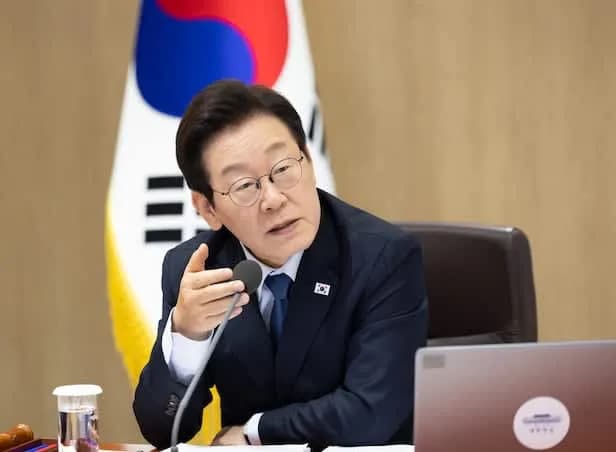
Lee Jae-myung Administration Excludes Multi-Home Officials from Real Estate Policymaking
President Lee Jae-myung has ordered the exclusion of multi-home owning public officials from all real estate policy processes.
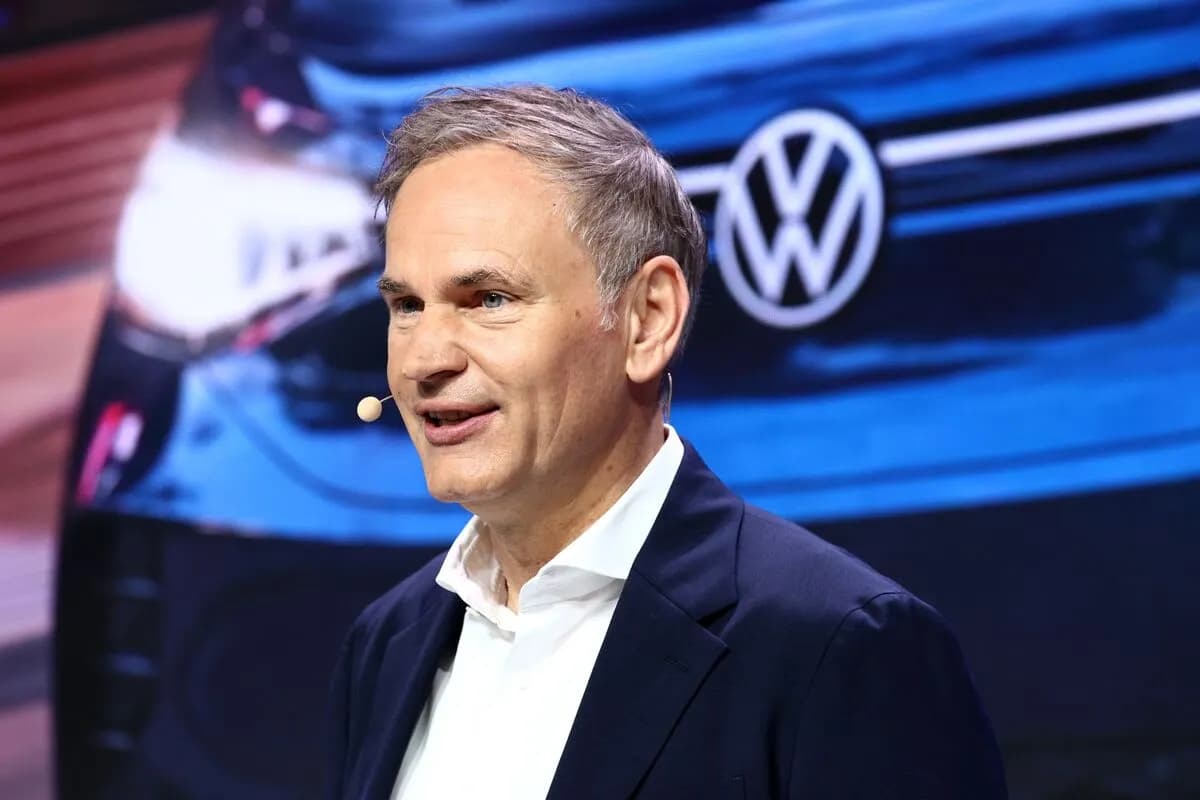
Volkswagen CEO Says Germany Should Learn from China's Industrial Strategy
Volkswagen CEO stated that Germany should learn from China's systematic industrial planning approach.

Reddit Considers Face ID to Block Bots While Maintaining Anonymity
Reddit is considering implementing biometric authentication systems such as Face ID and Touch ID to block AI bots while maintaining anonymity.
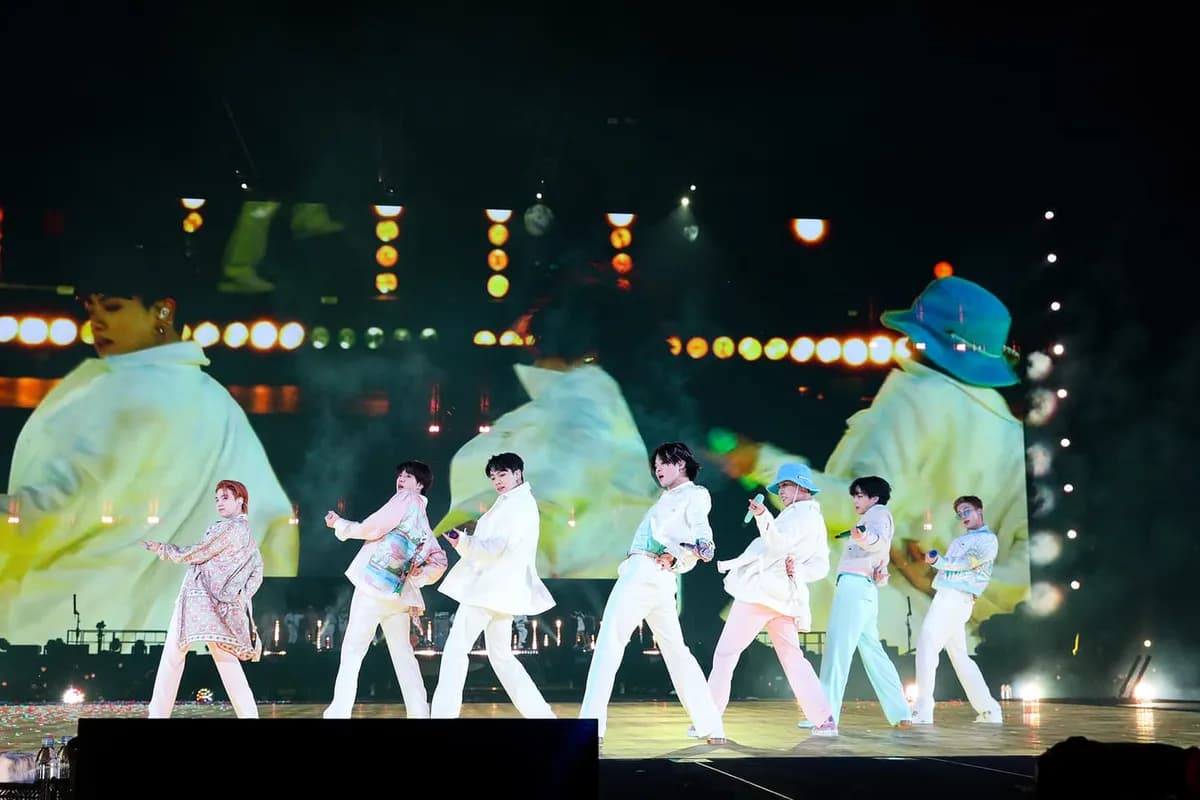
BTS Tops March Artist Brand Reputation Rankings with First Full Group Comeback in 4 Years
BTS ranked first in the Korean Corporate Reputation Research Institute's March Artist Brand Reputation Rankings based on 99 million data points.
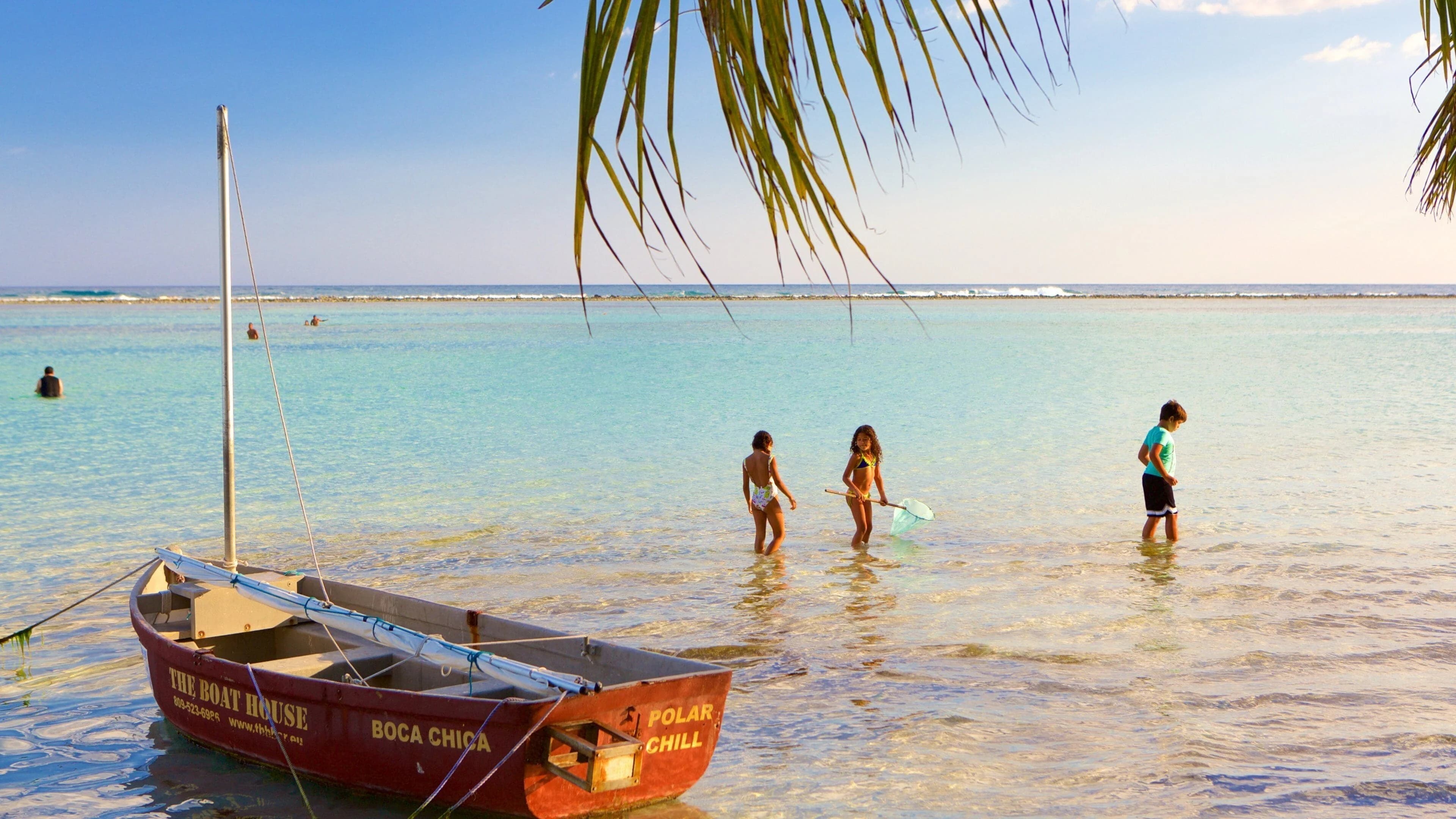
Santo Domingo's Malecón Sports Park Construction Progressing Smoothly
Construction of a soccer field and skate park is progressing smoothly in the Malecón area of Santo Domingo, Dominican Republic.
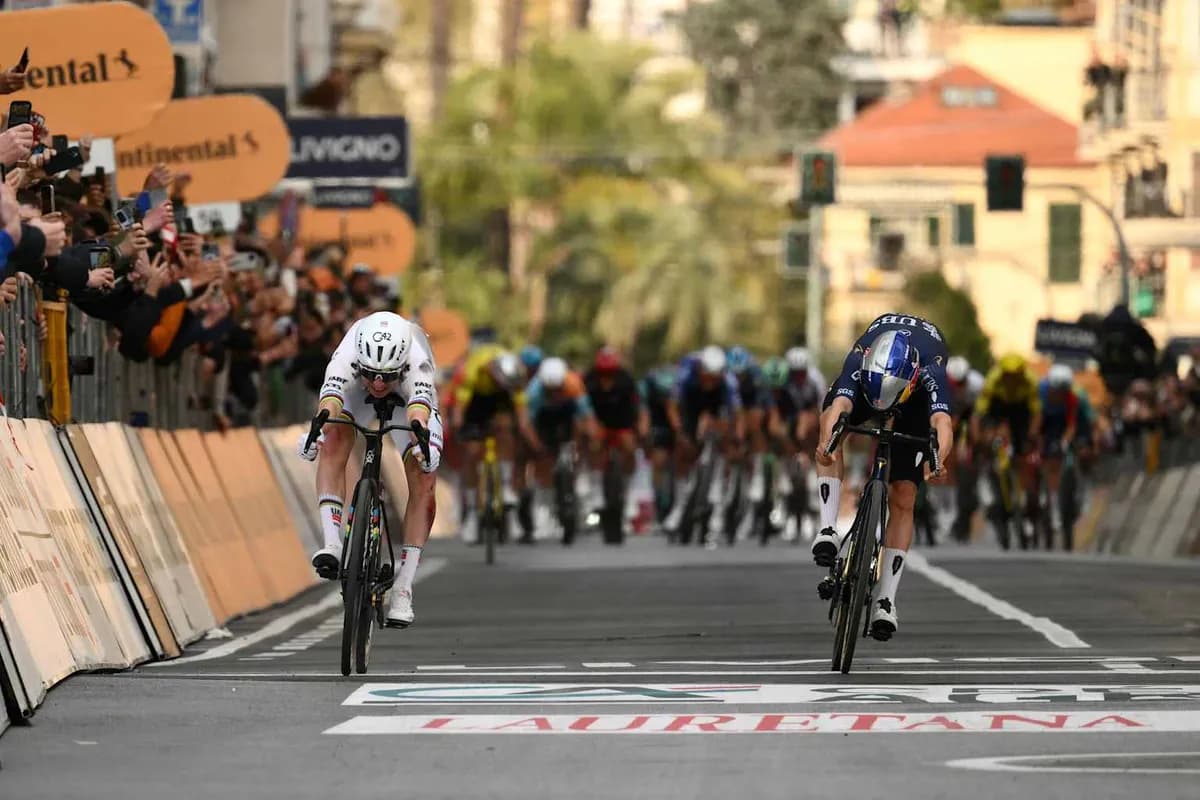
Pogačar Overcomes Crash to Win Milano-Sanremo, Achieves Four Monument Victories
Tadej Pogačar defeated Tom Pidcock to win Milano-Sanremo, achieving his fourth Monument victory.
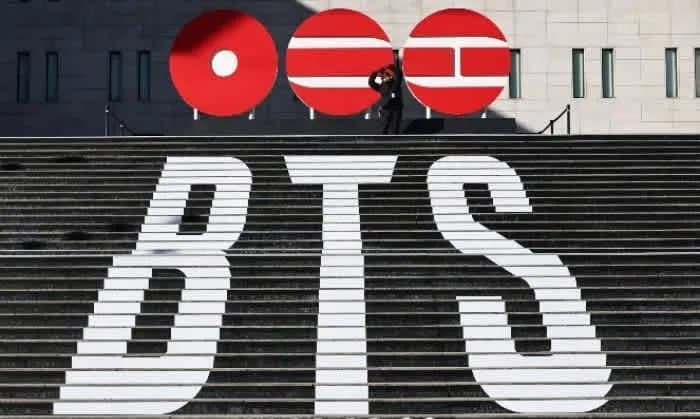
BTS's New Album 'ARIRANG' Sweeps Spotify Global Chart Positions 1-14
BTS's new album 'ARIRANG' monopolized Spotify Global Chart positions 1-14 on its first day, establishing the largest album debut record in K-POP history.