The World's Peace System Faces Its Third Crisis
International Order Shaken Again After Two Failed Attempts, Korea Also in the Impact Zone
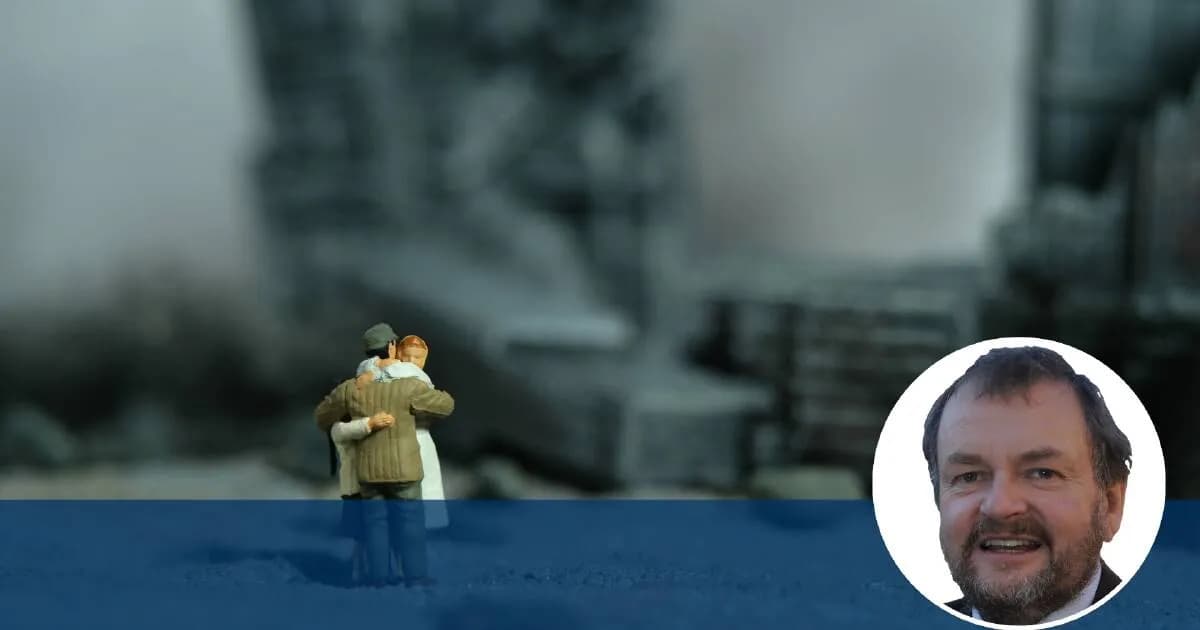
- •The world has attempted to build a peace system twice through the League of Nations and the UN, but both failed, and it is currently facing a third crisis with the weakening of the UN system.
- •The deepening confrontation between major powers is paralyzing the UN's mediation function, directly affecting the North Korean nuclear issue and Korean Peninsula security.
- •To prevent the collapse of international order, restraint by major powers and mediation roles by middle powers are urgently needed, with regional security cooperation emerging as an alternative.
A Repeating History of Failure
The world has attempted to establish a universal peace system three times. However, it has failed twice, and given recent international developments, the third attempt is also on the verge of failure.
Australian political columnist Crispin Hull raised this concern through the Glen Innes Examiner. He emphasized the severity of the current situation, stating that "the world cannot afford to fail this time."
Lessons from Two Past Failures
The first attempt was the League of Nations, established after World War I. Founded in 1920, the League of Nations tried to prevent war through collective security, but it lost effectiveness due to U.S. non-participation and conflicts of interest among major powers. It became virtually powerless after failing to stop Japan's invasion of Manchuria and Italy's invasion of Ethiopia in the 1930s, and completely failed with the outbreak of World War II.
The second attempt was the United Nations (UN), established in 1945. The UN learned from the League of Nations' failure and adopted a stronger Security Council system. During the Cold War, it played a limited role in conflict mediation, but recently it has shown signs of functional paralysis as confrontation between major powers has intensified.
The Third Crisis Currently Unfolding
The "third failure" pointed out by columnist Hull refers to the current weakening of the UN system. The UN has virtually lost its mediation function in major international issues such as the Russia-Ukraine war, Middle East conflicts, and U.S.-China tensions.
In particular, the foundation of the collective security system is being shaken as permanent Security Council members abuse their veto power according to their national interests. A representative example is the repeated blocking of Ukraine-related resolutions by Russia's veto since 2022.
Impact on Korea
This weakening of international order directly affects Korea. International cooperation for resolving the North Korean nuclear issue has become more difficult, and the Korean Peninsula peace process is also increasingly likely to be subordinated to the interests of major powers.
Additionally, as security instability in the Indo-Pacific region intensifies, Korea is being forced to make increasingly complex diplomatic choices between U.S.-China tensions. With the UN's mediation function weakened, Korea's security environment could become even more unstable if regional conflicts occur.
Historical Context: Why Do Peace Systems Repeatedly Fail?
The failure of global peace systems fundamentally stems from the contradiction between the sovereign state system and collective security. The principle of state sovereignty established after the Treaty of Westphalia in 1648 prioritizes each country's national interests. This fundamentally conflicts with collective security systems that pursue common interests.
The 1930s, when the League of Nations failed, and the present are strikingly similar. Just as each country returned to putting itself first after the Great Depression, protectionism and nationalism have strengthened globally after the 2008 financial crisis and the COVID-19 pandemic.
Future Outlook [AI Analysis]
If current trends continue, the substantive functional paralysis of the UN system is likely to accelerate. However, rather than complete dissolution, a scenario of differentiation into regional security cooperation bodies is more realistic.
Security cooperation centered on NATO and the EU in Europe, and centered on the Quad or ASEAN in Asia, is expected to strengthen. For Korea, it is important to secure an independent position in such regional security systems.
However, as history shows, the collapse of international order has ultimately led to reorganization after large-scale conflicts. If the world is to prevent a third failure, now may be the last opportunity. The restraint of major powers and active mediation roles by middle powers are more urgently needed than ever.
댓글 (5)
이 위기를 어떻게 극복할 수 있을지 전문가 의견이 더 필요합니다.
이 부분은 저도 주시하고 있습니다.
World 상황이 심각하네요. 서민들 피해가 걱정됩니다.
이 부분은 저도 주시하고 있습니다.
Peace 문제가 장기화되면 어떻게 될지 우려됩니다.
More in Global


Latest News

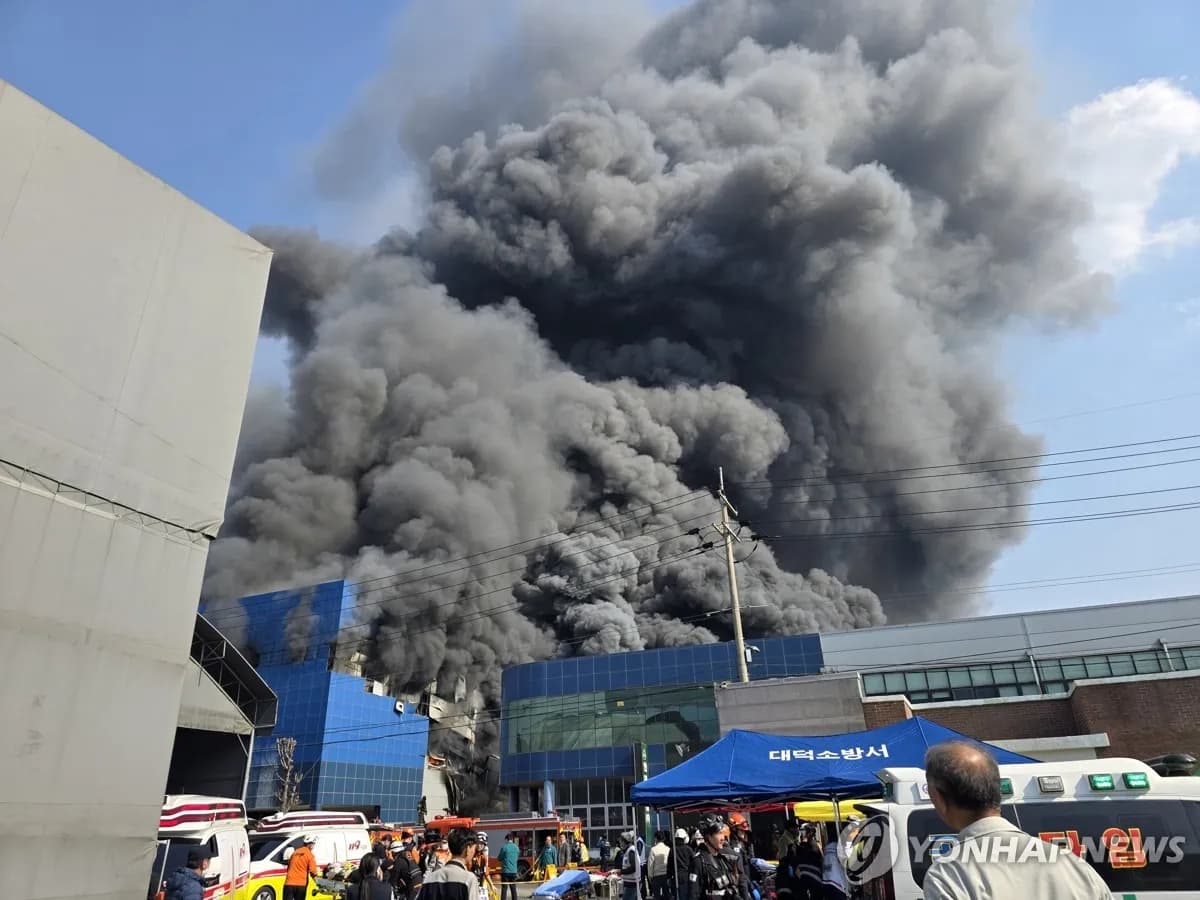
Middle East Conflict Drives Manufacturing Outlook to 10-Month Low
The Korea Institute for Industrial Economics & Trade survey shows April manufacturing outlook PSI plummeted to 88, falling below baseline for the first time in 10 months.

Lee Jae-myung Administration Excludes Multi-Home Officials from Real Estate Policymaking
President Lee Jae-myung has ordered the exclusion of multi-home owning public officials from all real estate policy processes.

Volkswagen CEO Says Germany Should Learn from China's Industrial Strategy
Volkswagen CEO stated that Germany should learn from China's systematic industrial planning approach.

Reddit Considers Face ID to Block Bots While Maintaining Anonymity
Reddit is considering implementing biometric authentication systems such as Face ID and Touch ID to block AI bots while maintaining anonymity.
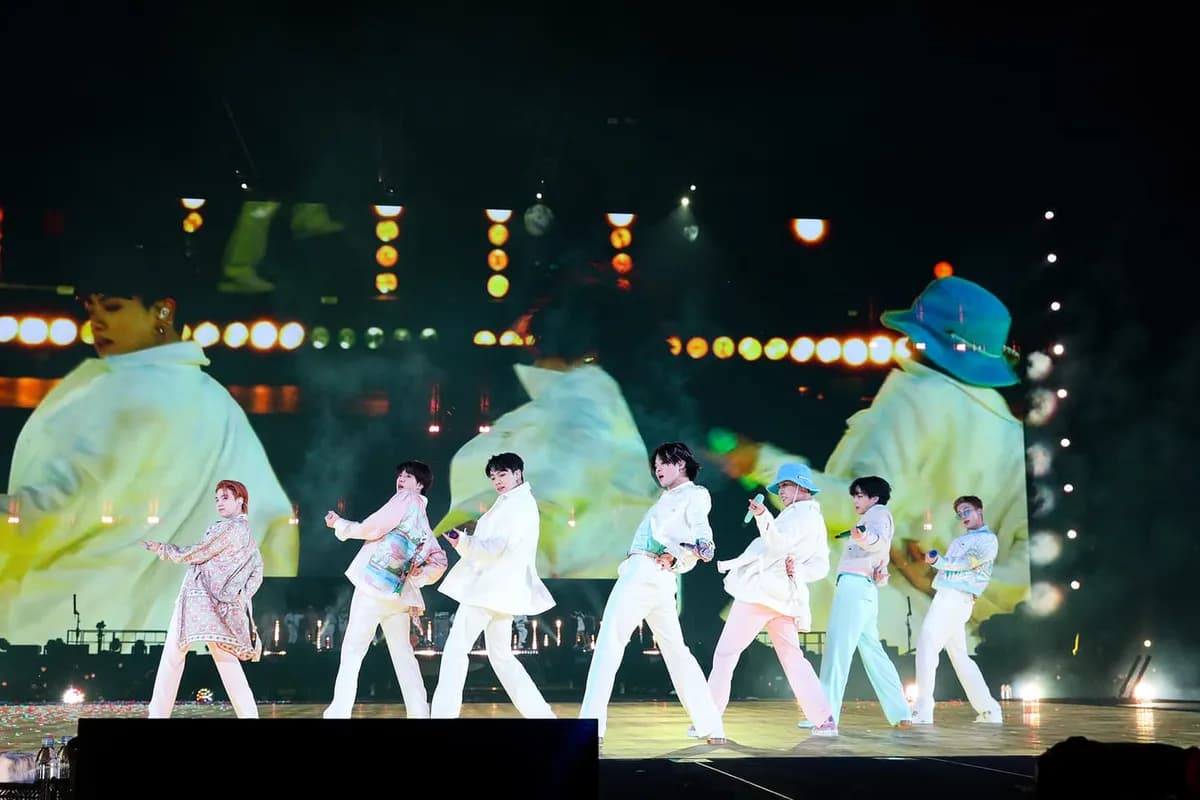
BTS Tops March Artist Brand Reputation Rankings with First Full Group Comeback in 4 Years
BTS ranked first in the Korean Corporate Reputation Research Institute's March Artist Brand Reputation Rankings based on 99 million data points.

Santo Domingo's Malecón Sports Park Construction Progressing Smoothly
Construction of a soccer field and skate park is progressing smoothly in the Malecón area of Santo Domingo, Dominican Republic.

Pogačar Overcomes Crash to Win Milano-Sanremo, Achieves Four Monument Victories
Tadej Pogačar defeated Tom Pidcock to win Milano-Sanremo, achieving his fourth Monument victory.
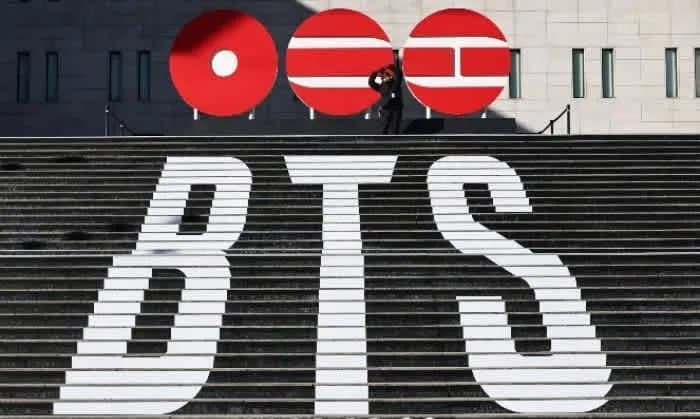
BTS's New Album 'ARIRANG' Sweeps Spotify Global Chart Positions 1-14
BTS's new album 'ARIRANG' monopolized Spotify Global Chart positions 1-14 on its first day, establishing the largest album debut record in K-POP history.