Australian PM Albanese Declares Independence from U.S. Subordination in New York
Australian foreign policy determined in Canberra… Biggest turning point since John Curtin in WWII
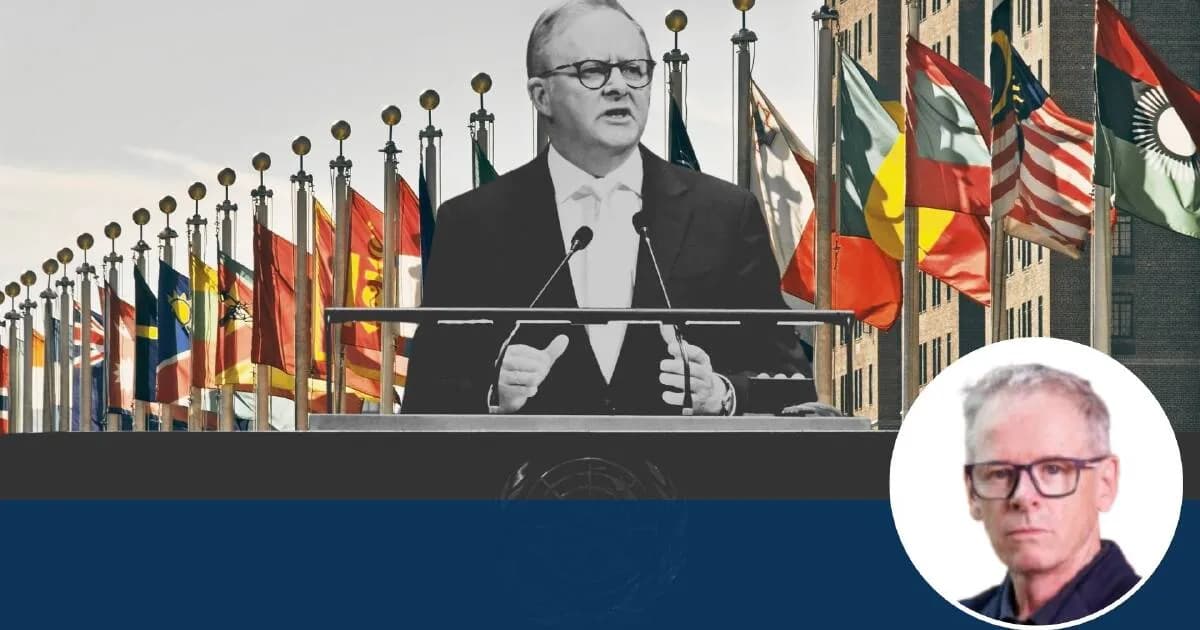
- •Australian Prime Minister Albanese declared in New York that 'Australian foreign policy is determined in Canberra,' rejecting U.S. subordination.
- •This is regarded as the biggest diplomatic turning point since Prime Minister John Curtin chose the U.S. over Britain in 1941.
- •It is expected to serve as a precedent for U.S. allies, including Korea, in seeking a balance between alliance and autonomy.
Why Rejection of Trump Meeting Wasn't a 'Humiliation'
When Australian Prime Minister Anthony Albanese defended his government in New York last week, most Australian media viewed it through the lens of presumed U.S. subordination. Their focus was singular: would a face-to-face meeting with President Donald Trump materialize?
Opposition figures immediately characterized it as a "humiliation." Their interpretation was that this was the price for not unconditionally supporting the U.S. on climate change, social media regulation, and Israel policy. Some even claimed that former U.S. Ambassador Kevin Rudd's past criticism of Trump was the root cause.
But Prime Minister Albanese's response was different. Under pressure from journalists, he drew a clear line.
"Australia, as a sovereign nation, makes our position clear. Australian foreign policy is not determined in Washington, Beijing, or even Wellington. Our foreign policy is determined at the Cabinet table in Canberra."
Biggest Shift Since John Curtin in 1941
This statement is not mere rhetoric. It is likely to be recorded as a symbolic moment declaring independent foreign policy in modern Australian history.
Historically, the last time Australia made such a decisive choice was in late 1941. During World War II, Prime Minister John Curtin refused Winston Churchill's demands and chose to defend his own country instead of Burma. Churchill initially refused but eventually relented.
On December 27, 1941, just three weeks after Pearl Harbor, Curtin wrote in a newspaper editorial:
"Without any inhibitions of any kind, I make it clear that Australia looks to America, free of any pangs as to our traditional links or kinship with the United Kingdom."
If the threat from Imperial Japan was an existential crisis then, now a multipolar international order is demanding new choices from Australia.
Implications for Korea: Balancing Alliance and Autonomy
Albanese's declaration offers insights for Korean diplomacy as well. Like Australia, which maintains a close alliance with the U.S. while also needing to build independent relationships with Asian nations like China, Japan, and Indonesia, the question is how to balance alliance and autonomy.
Particularly as the second Trump administration intensifies "America First" policies, it is becoming imperative rather than optional for middle powers to clearly define their national interests.
Australia's case demonstrates that being an ally doesn't mean unilaterally following every policy. Maintaining independent judgment on climate policy, trade agreements, and regional security issues can actually make the alliance healthier in the long term.
Albanese's 'Progressive Patriotism' [AI Analysis]
Prime Minister Albanese's "progressive patriotism" is not just a slogan. It is likely to be interpreted as a new diplomatic paradigm that protects liberal values while clearly defining national interests.
Going forward, Australia is expected to pursue a multilayered diplomatic strategy that maintains the AUKUS security agreement with the U.S. and UK while strengthening independent partnerships with Pacific island nations and economic cooperation with ASEAN countries.
However, considerable domestic resistance is expected before this independent line is implemented as actual policy. Conservative forces and some media in Australia still worry about "deteriorating relations with the U.S."
Ultimately, whether Albanese's statement will remain one-time rhetoric or become a genuine turning point in Australian diplomacy will depend on concrete policy actions going forward.
댓글 (2)
Australian에 대해 더 알고 싶어졌습니다. 후속 기사 부탁드립니다.
기사 잘 봤습니다. 다른 시각의 분석도 읽어보고 싶네요.
More in Global



Latest News

Middle East Conflict Drives Manufacturing Outlook to 10-Month Low
The Korea Institute for Industrial Economics & Trade survey shows April manufacturing outlook PSI plummeted to 88, falling below baseline for the first time in 10 months.

Lee Jae-myung Administration Excludes Multi-Home Officials from Real Estate Policymaking
President Lee Jae-myung has ordered the exclusion of multi-home owning public officials from all real estate policy processes.

Volkswagen CEO Says Germany Should Learn from China's Industrial Strategy
Volkswagen CEO stated that Germany should learn from China's systematic industrial planning approach.

Reddit Considers Face ID to Block Bots While Maintaining Anonymity
Reddit is considering implementing biometric authentication systems such as Face ID and Touch ID to block AI bots while maintaining anonymity.

BTS Tops March Artist Brand Reputation Rankings with First Full Group Comeback in 4 Years
BTS ranked first in the Korean Corporate Reputation Research Institute's March Artist Brand Reputation Rankings based on 99 million data points.

Santo Domingo's Malecón Sports Park Construction Progressing Smoothly
Construction of a soccer field and skate park is progressing smoothly in the Malecón area of Santo Domingo, Dominican Republic.

Pogačar Overcomes Crash to Win Milano-Sanremo, Achieves Four Monument Victories
Tadej Pogačar defeated Tom Pidcock to win Milano-Sanremo, achieving his fourth Monument victory.
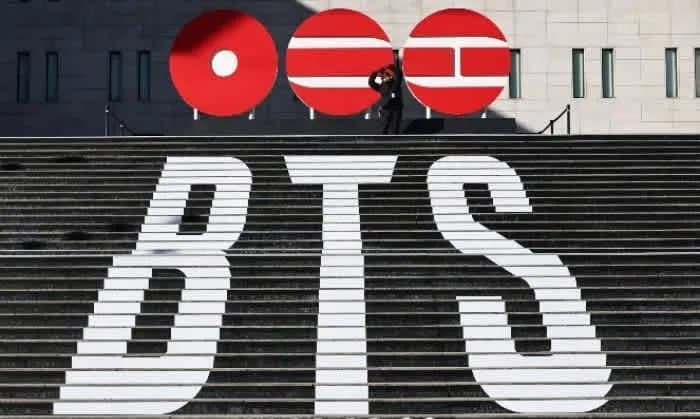
BTS's New Album 'ARIRANG' Sweeps Spotify Global Chart Positions 1-14
BTS's new album 'ARIRANG' monopolized Spotify Global Chart positions 1-14 on its first day, establishing the largest album debut record in K-POP history.