Europe-US Alliance Faces Greatest Crisis Since NATO's Founding
EU Prepares $93 Billion in Retaliatory Tariffs Against Trump's Tariff Pressure
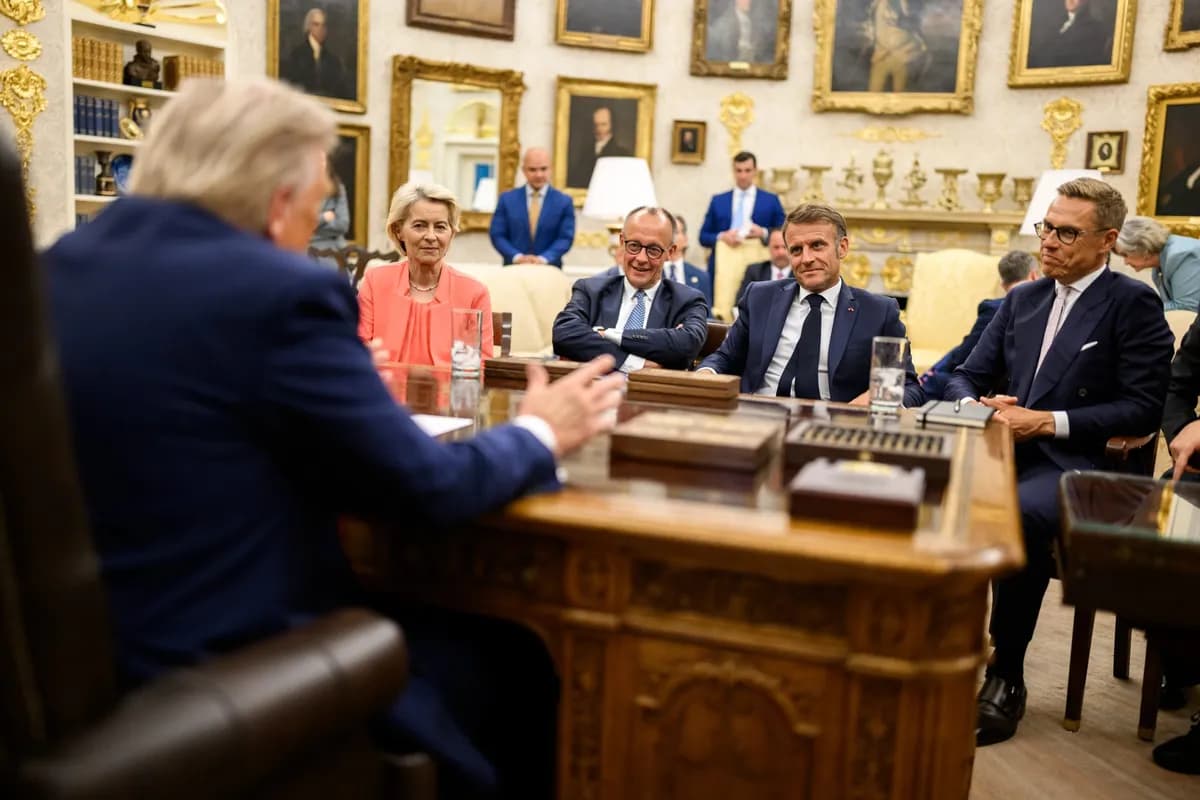
- •Trump imposed tariffs on NATO allies to pressure Greenland acquisition, creating the greatest crisis in the transatlantic alliance since its founding.
- •The EU is preparing $93 billion in retaliatory tariffs and considering activating its 'anti-coercion instrument.'
- •NATO's internal divisions are expected to directly impact South Korea's security and trade.
Trump's Greenland Strategy and Tariff Bombshell
U.S. President Donald Trump has imposed 10% tariffs on eight NATO allies to pressure Greenland's acquisition, plunging the transatlantic alliance into its greatest crisis since its founding. Trump, who openly stated that his favorite word is "tariff," has targeted European countries that deployed military training exercises to the Arctic region.
The European Union (EU) convened an emergency summit on January 22 and is preparing massive retaliatory tariffs worth 83 billion euros (approximately $93 billion). This powerful response card was prepared ahead of scheduled negotiations following Trump's speech at the Davos Forum on January 21.
Europe's Collective Response: Preparing to Fire the "Bazooka"
French President Emmanuel Macron has called for activating the EU's Anti-Coercion Instrument. This measure, dubbed the "commercial bazooka," includes extensive punitive measures and investment restrictions.
UK Prime Minister Keir Starmer warned Trump that imposing tariffs on allies strengthening NATO's collective security is the wrong policy. The European Parliament is expected to delay ratification of the trade agreement negotiated last summer between European Commission President Ursula von der Leyen and Trump.
The Arctic Becomes a New Geopolitical Front
The eight European countries targeted by Trump's tariffs participated in Denmark-led "Operation Arctic Endurance," deploying troops to Greenland and the Arctic region. While this was intended to secure Arctic security, Trump used it as a pretext for pressuring Greenland's acquisition.
Europe's military deployment was intended to deter unilateral U.S. territorial expansion. "The U.S. flag planted on Greenland's glaciers would be tantamount to the end of the transatlantic alliance," according to analysis from European diplomatic circles.
Impact on South Korea
South Korea holds dual status as a U.S. alliance partner and NATO partner nation. Deepening NATO-EU divisions are expected to have the following impacts:
1. East Asian Security Vacuum America's Atlantic focus could signify a weakening of the Indo-Pacific strategy. South Korea must prepare for the possibility of reduced U.S. engagement in Asia while responding to North Korean nuclear threats and Chinese expansion.
2. Trade Bloc Risk If the EU-U.S. tariff war escalates, global supply chains could be reorganized. Korean companies are likely to be affected by tariffs on key exports such as semiconductors and automobiles.
3. Multilateral Diplomacy Strategy Adjustment While South Korea has deepened relations with Europe as a NATO partner, the U.S. alliance remains paramount. Balanced diplomacy between both sides has become even more critical.
Historical Context: NATO's Adaptation DNA
Since its founding in 1949, NATO has inscribed adaptation and survival in its organizational DNA. It has transformed multiple times: containing the Soviet Union during the Cold War, transitioning to peacekeeping missions after the Cold War's end, responding to terrorism after 9/11, and strengthening Eastern European defense after Russia's 2014 Crimea annexation.
However, the current crisis differs from the past in that it involves internal division among allies. While there were U.S.-European conflicts during the 1956 Suez Crisis and French-German opposition during the 2003 Iraq War, confrontation accompanied by economic sanctions is unprecedented.
The Meaning of the "Dangerous Downward Spiral" Warning
The "dangerous downward spiral" used by European diplomats doesn't simply mean escalating tensions. It refers to a process where retaliation and counter-retaliation repeat, driving relationships toward collapse.
Transatlantic trade accounts for 30% of global trade. The 10% tariff (with threats of increasing to 25% from June 1) leaves room for negotiation, but if the EU fires its "bazooka," the situation could become uncontrollable.
Interestingly, the "bazooka" is named after the portable anti-tank rocket launcher used by U.S. forces when liberating Western Europe from Nazi occupation during World War II. While America rescued Europe then, that weapon's name has now become a symbol of economic retaliation aimed at the United States.
Future Outlook [AI Analysis]
While the Davos Forum proclaimed a "spirit of dialogue," it will likely serve as the starting point for the "downward spiral." EU leaders will use their prepared retaliatory tariffs as negotiating leverage with Trump.
In the short term, compromise is possible. Trump's 10% tariff may be a negotiating starting point, and Europe has concession cards such as defense spending increases.
In the medium to long term, NATO's identity could be redefined. Expected developments include strengthening Europe's "strategic autonomy," rekindling discussions of a French-led European army, and deepening U.S. isolationism.
South Korea must closely monitor these changes and pursue a strategy that maintains the U.S. alliance while conducting multilayered cooperation with Europe. Fractures in the transatlantic alliance will directly impact the Indo-Pacific security landscape.
댓글 (2)
불안한 시기에 정확한 보도가 중요합니다. 좋은 기사 감사합니다.
Alliance 상황이 심각하네요. 서민들 피해가 걱정됩니다.
More in Global


Latest News
Middle East Conflict Drives Manufacturing Outlook to 10-Month Low
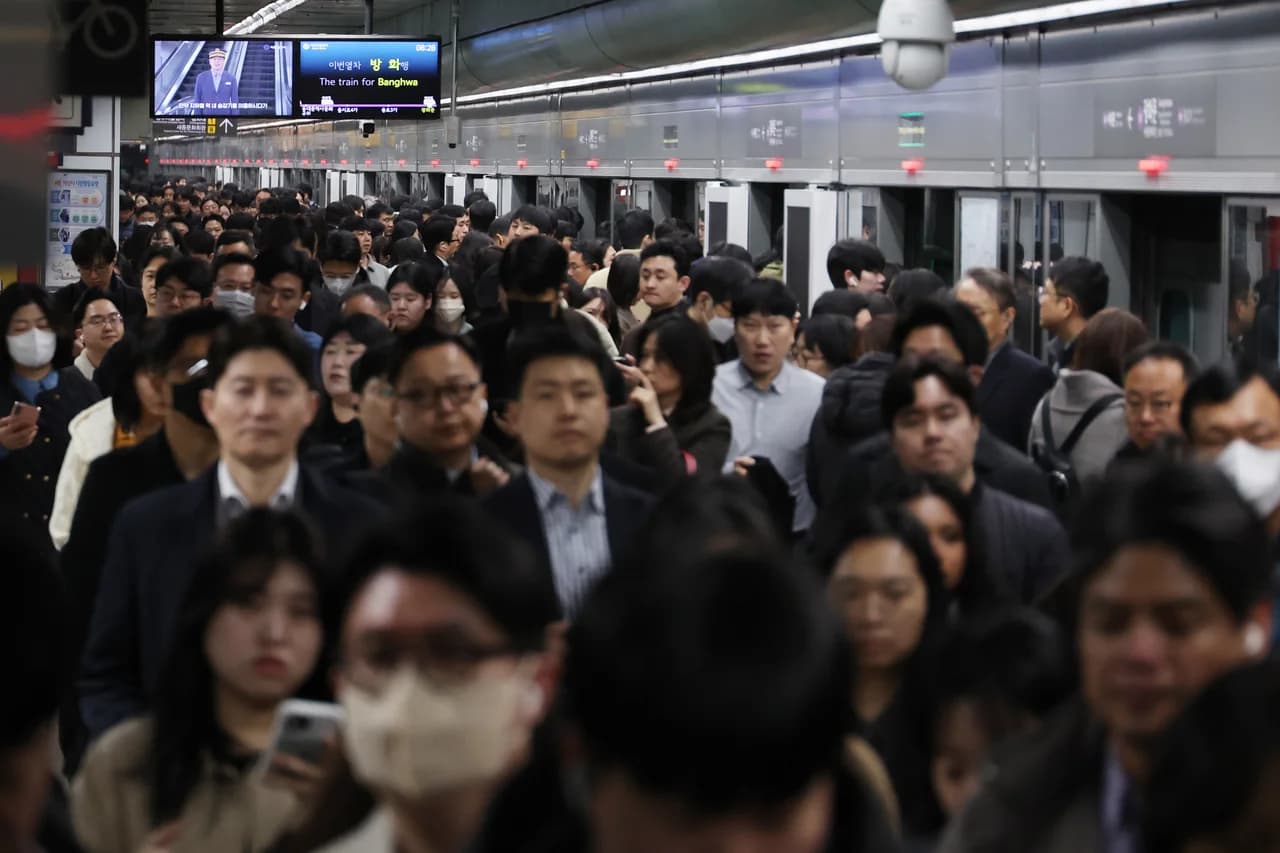
The Korea Institute for Industrial Economics & Trade survey shows April manufacturing outlook PSI plummeted to 88, falling below baseline for the first time in 10 months.
Lee Jae-myung Administration Excludes Multi-Home Officials from Real Estate Policymaking
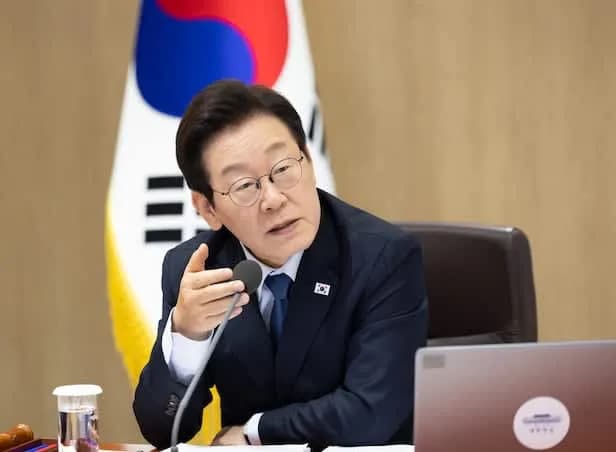
President Lee Jae-myung has ordered the exclusion of multi-home owning public officials from all real estate policy processes.
Volkswagen CEO Says Germany Should Learn from China's Industrial Strategy
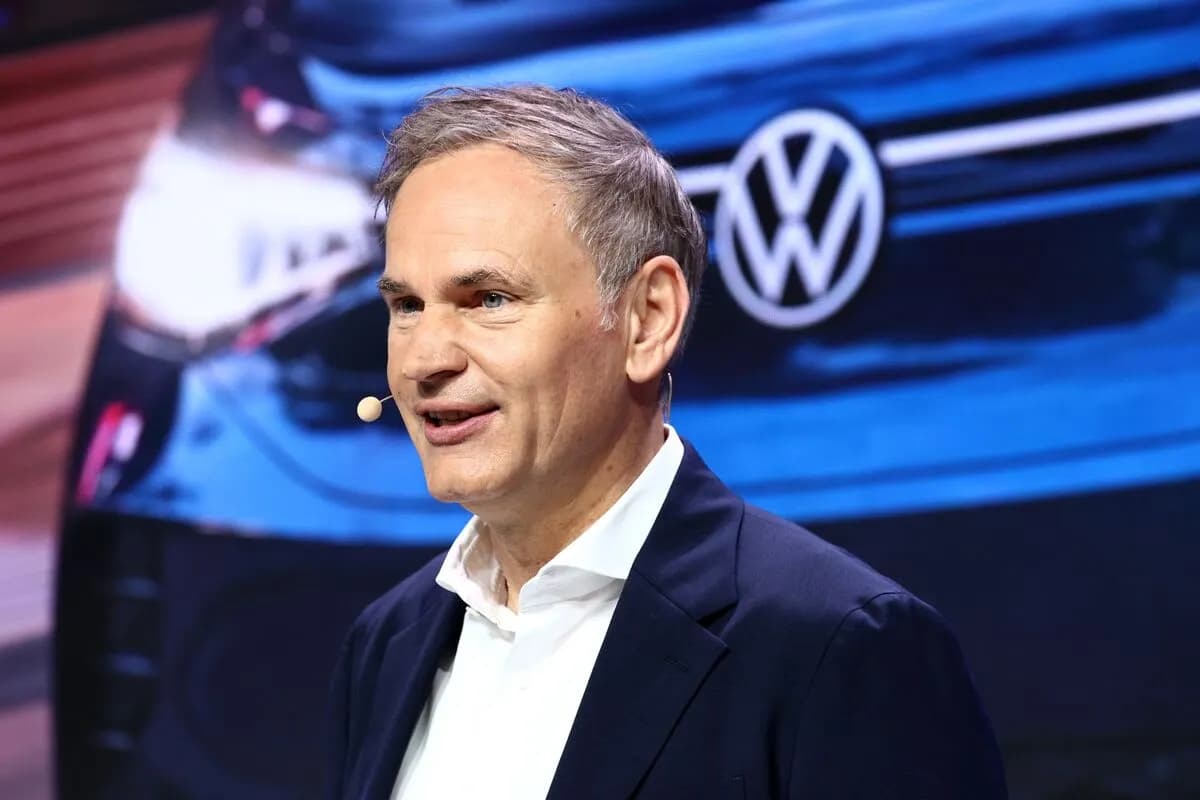
Volkswagen CEO stated that Germany should learn from China's systematic industrial planning approach.

Reddit Considers Face ID to Block Bots While Maintaining Anonymity
Reddit is considering implementing biometric authentication systems such as Face ID and Touch ID to block AI bots while maintaining anonymity.
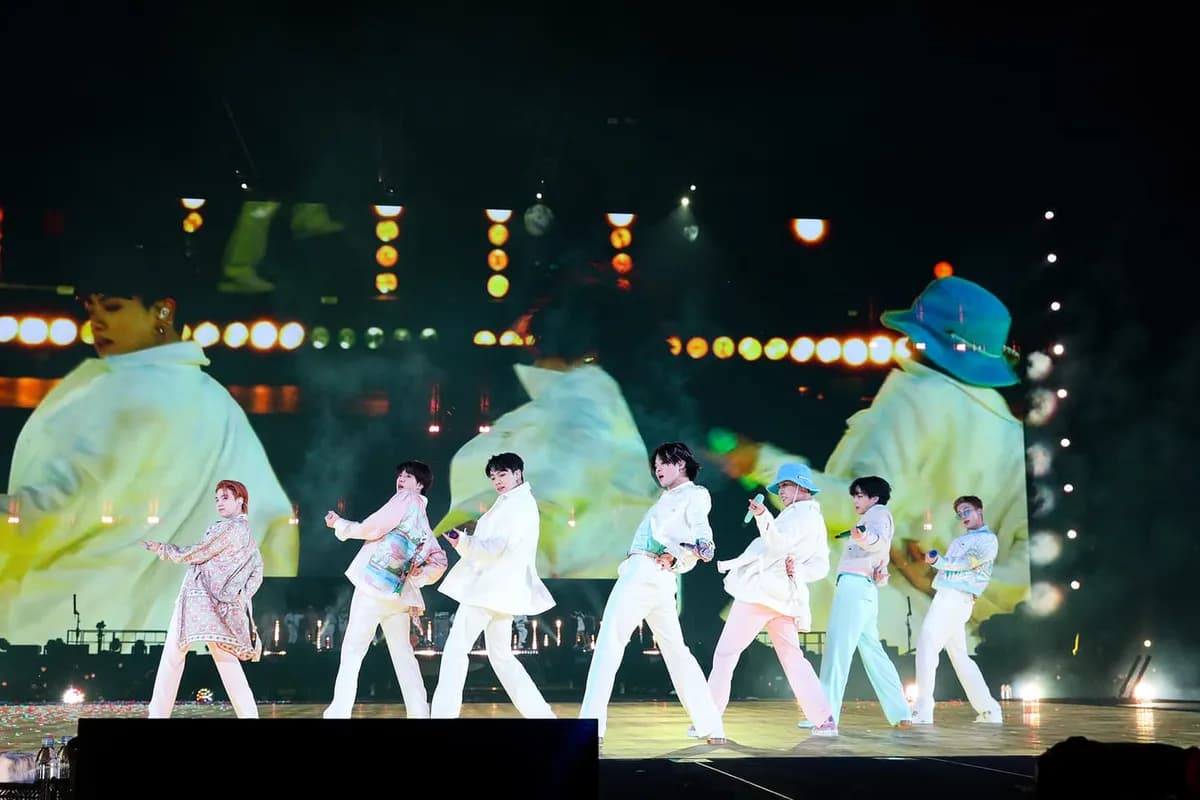
BTS Tops March Artist Brand Reputation Rankings with First Full Group Comeback in 4 Years
BTS ranked first in the Korean Corporate Reputation Research Institute's March Artist Brand Reputation Rankings based on 99 million data points.
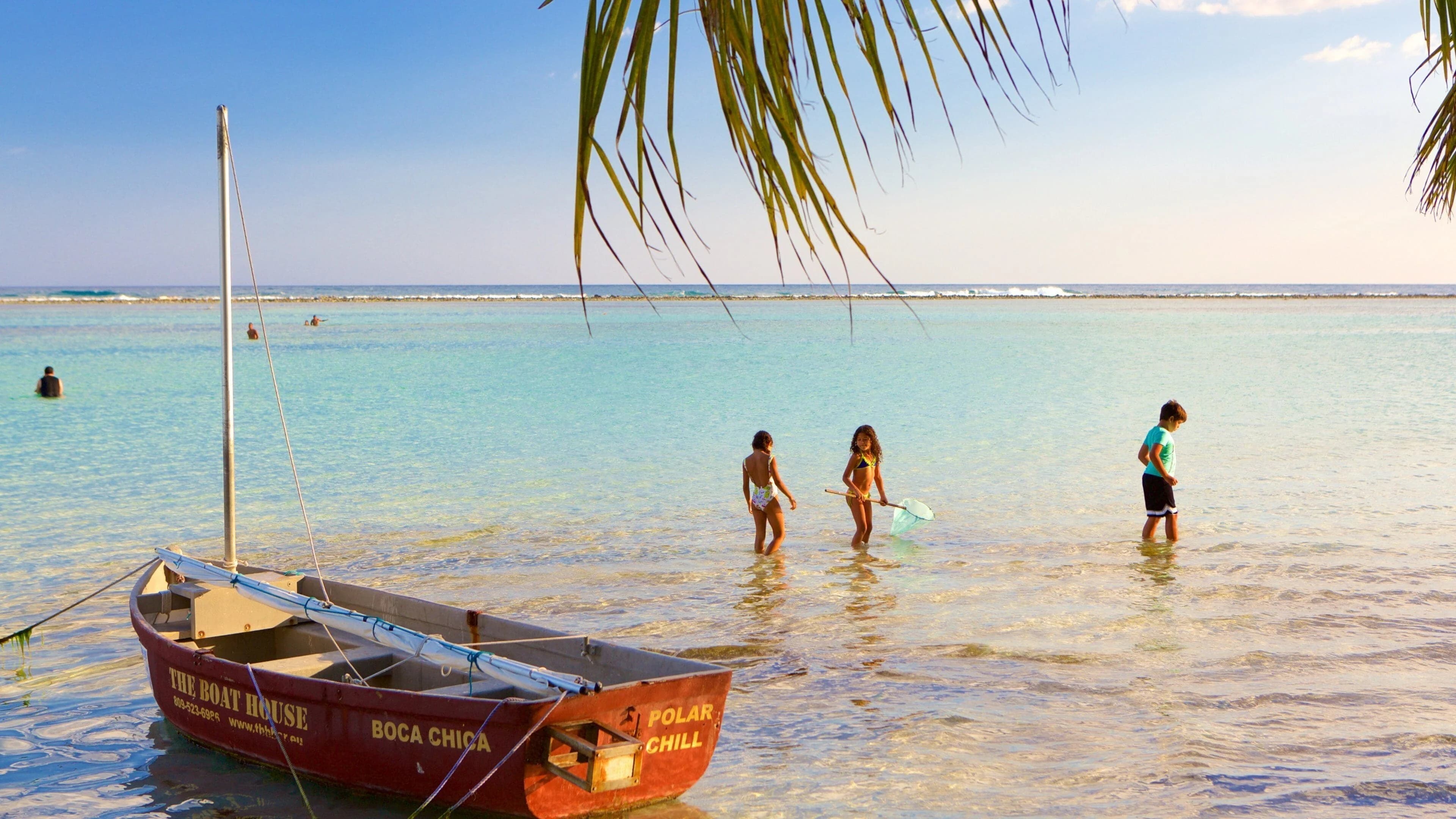
Santo Domingo's Malecón Sports Park Construction Progressing Smoothly
Construction of a soccer field and skate park is progressing smoothly in the Malecón area of Santo Domingo, Dominican Republic.
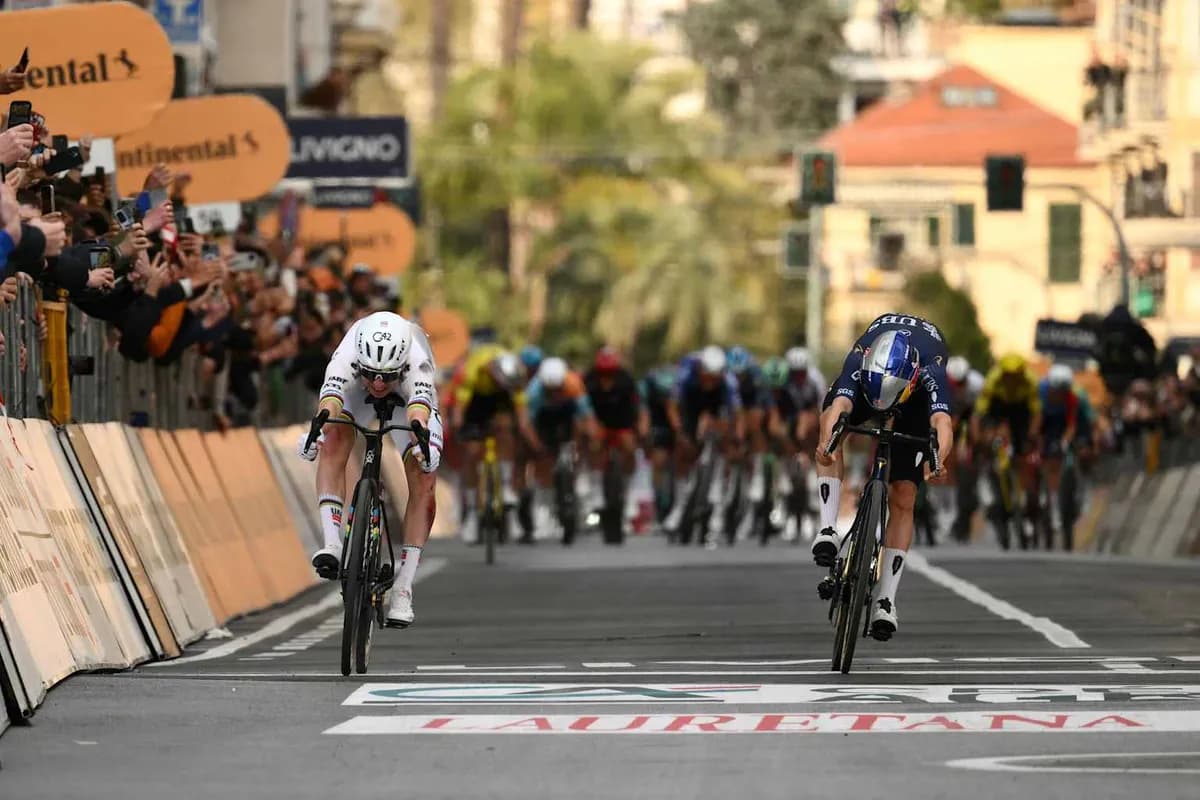
Pogačar Overcomes Crash to Win Milano-Sanremo, Achieves Four Monument Victories
Tadej Pogačar defeated Tom Pidcock to win Milano-Sanremo, achieving his fourth Monument victory.
BTS's New Album 'ARIRANG' Sweeps Spotify Global Chart Positions 1-14
BTS's new album 'ARIRANG' monopolized Spotify Global Chart positions 1-14 on its first day, establishing the largest album debut record in K-POP history.