Indonesia's Energy Transition: Western Promises Fall Short as China Surges Ahead
JETP delivers only 6% of $20B pledge while China rapidly expands solar, hydropower, and EV projects
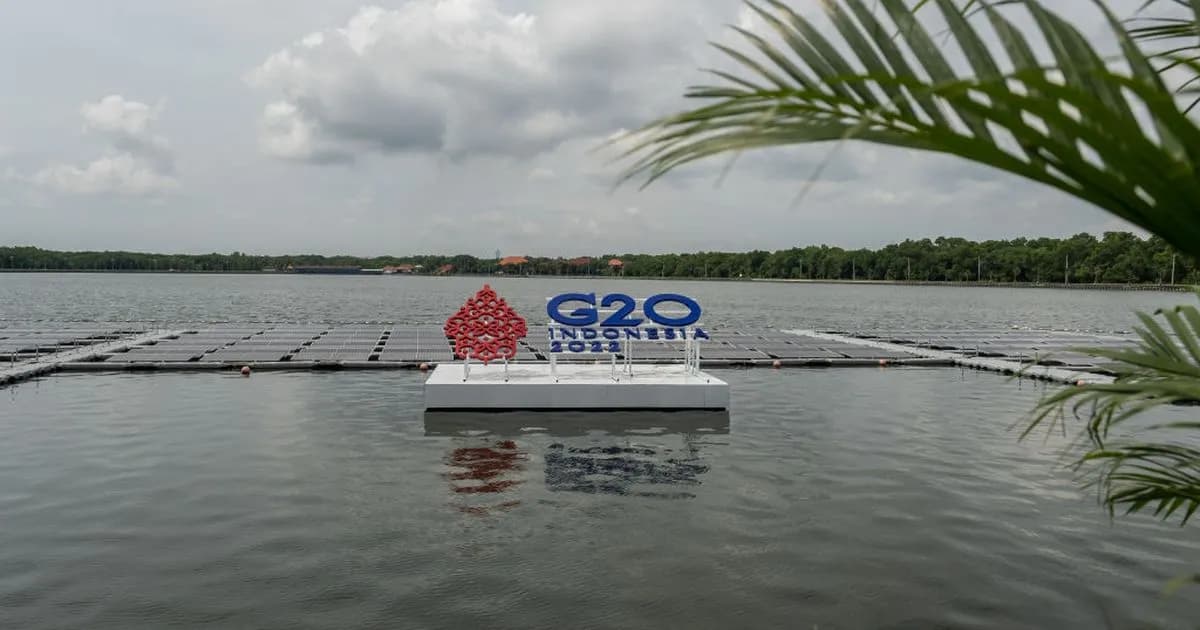
- •Western-led JETP has disbursed only $12 billion of its $20 billion pledge; the U.S. withdrew in March 2025
- •China is rapidly advancing solar, hydropower, and EV projects with state financial backing
- •Indonesia's energy transition has become a geopolitical battleground between Western 'fairness' and Chinese 'speed'
Western Promises vs. Chinese Execution
The international cooperation framework surrounding Indonesia's coal-to-clean energy transition is undergoing a dramatic shift. The Just Energy Transition Partnership (JETP), launched in 2022 by Western nations and Japan with a pledge of $20 billion in total support, has actually disbursed only $12 billion to date—three years later. This represents just 6% of the promised amount.
Moreover, the United States, which was initially a leading force behind JETP, quietly withdrew in March 2025, with coordination responsibilities shifting to Germany and Japan. Despite the package including grants, low-interest loans, and private investment commitments, the implementation speed has fallen far short of expectations.
China's Fast-Track Approach
Filling the void left by the West is China. Chinese companies are expanding their participation across the entire green energy value chain in Indonesia. Their involvement spans from solar power projects to hydropower facilities and electric vehicle assembly operations.
The distinguishing feature of these projects is their foundation in state capital support. Unlike the Western approach, which requires time-consuming private investment mobilization, China rapidly deploys funds and advances projects through its state financial system. This has resulted in an overwhelming difference in both the number and speed of actually operational projects.
Two Paths for Energy Transition
Indonesia is the world's fifth-largest coal producer and consumer. Breaking free from a structure that depends on coal-fired power for over 60% of its electricity requires enormous capital, technology, and time.
JETP, under the banner of a "just transition," emphasized worker protection and minimizing community impact. The approach went beyond simply building renewable energy facilities to consider job transitions for coal industry workers and establishing social safety nets. However, this comprehensive approach simultaneously requires complex stakeholder coordination and extended implementation timelines.
In contrast, China's approach focuses on project execution speed. It rapidly completes visible infrastructure such as solar panel factories, hydropower dam construction, and electric vehicle production lines. This process raises concerns that regulatory relaxation and environmental standard adjustments may accompany such rapid development.
Geopolitical Implications [AI Analysis]
The Indonesian case demonstrates that energy transitions in developing countries are becoming arenas for geopolitical competition, not merely technical or financial matters.
The Western JETP model presupposes strict environmental standards and social impact assessments, but this simultaneously reveals limitations of complex governance and slow implementation. It is a structure with grand promises but sluggish execution.
The Chinese model enables rapid capital deployment and swift project completion, but carries higher risks of environmental regulatory relaxation or insufficient community participation. While short-term results are clear, questions remain about long-term sustainability.
The Indonesian government must navigate a balance between these two models. The tension between the urgency of energy transition, compliance with international standards, and national sovereignty is expected to continue.
As South Korea is also expanding energy cooperation with Indonesia, it needs to carefully observe these changes in international finance and cooperation frameworks and approach them strategically.
댓글 (3)
Indonesia 관련 기사 잘 읽었습니다. 유익한 정보네요.
Energy에 대해 더 알고 싶어졌습니다. 후속 기사 부탁드립니다.
그 부분은 저도 궁금했습니다.
More in Global


Latest News
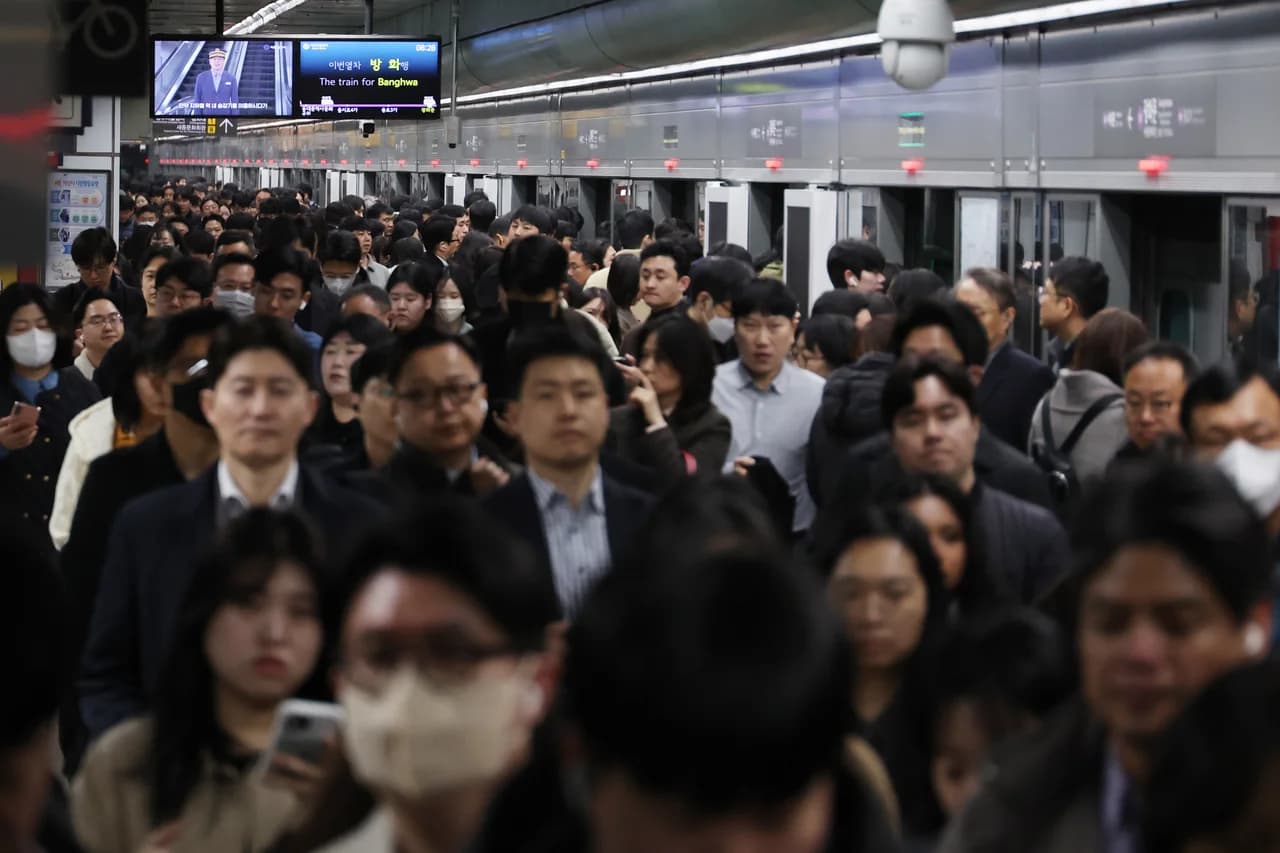
Middle East Conflict Drives Manufacturing Outlook to 10-Month Low
The Korea Institute for Industrial Economics & Trade survey shows April manufacturing outlook PSI plummeted to 88, falling below baseline for the first time in 10 months.

Lee Jae-myung Administration Excludes Multi-Home Officials from Real Estate Policymaking
President Lee Jae-myung has ordered the exclusion of multi-home owning public officials from all real estate policy processes.
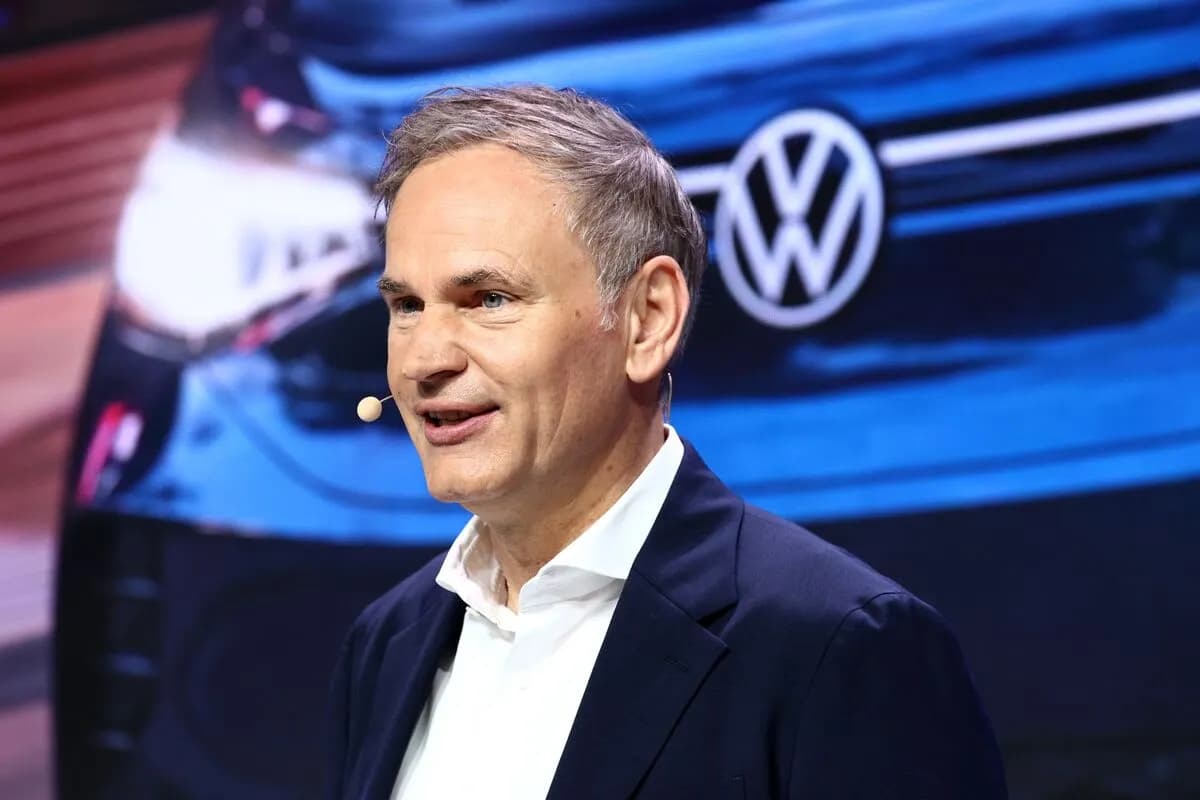
Volkswagen CEO Says Germany Should Learn from China's Industrial Strategy
Volkswagen CEO stated that Germany should learn from China's systematic industrial planning approach.

Reddit Considers Face ID to Block Bots While Maintaining Anonymity
Reddit is considering implementing biometric authentication systems such as Face ID and Touch ID to block AI bots while maintaining anonymity.
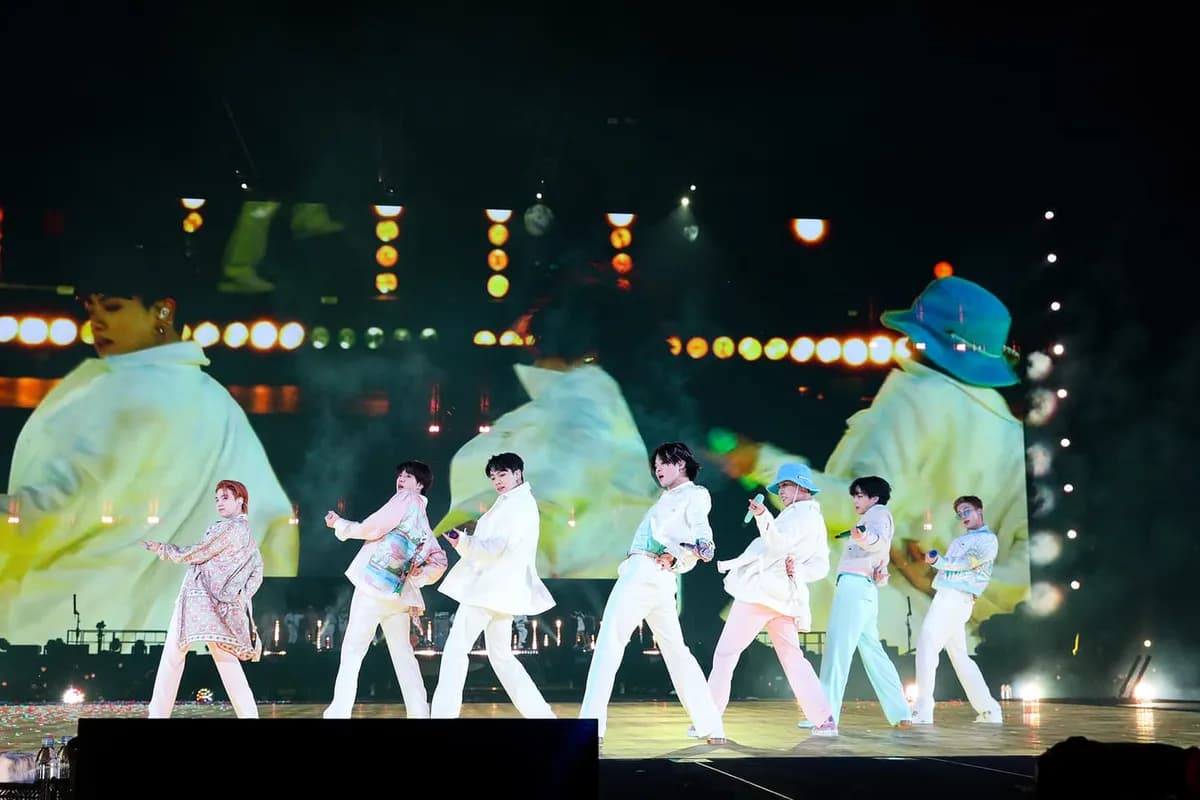
BTS Tops March Artist Brand Reputation Rankings with First Full Group Comeback in 4 Years
BTS ranked first in the Korean Corporate Reputation Research Institute's March Artist Brand Reputation Rankings based on 99 million data points.

Santo Domingo's Malecón Sports Park Construction Progressing Smoothly
Construction of a soccer field and skate park is progressing smoothly in the Malecón area of Santo Domingo, Dominican Republic.

Pogačar Overcomes Crash to Win Milano-Sanremo, Achieves Four Monument Victories
Tadej Pogačar defeated Tom Pidcock to win Milano-Sanremo, achieving his fourth Monument victory.
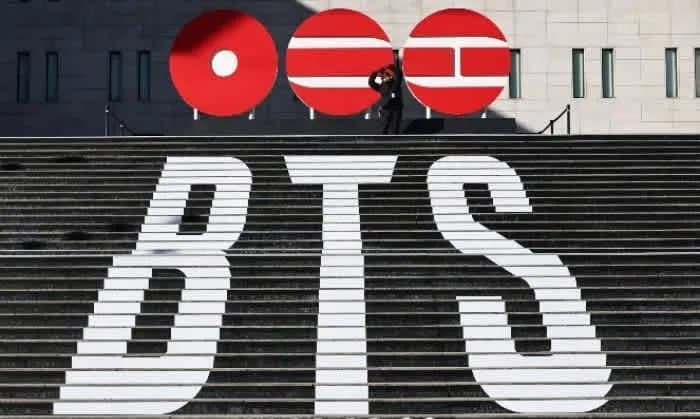
BTS's New Album 'ARIRANG' Sweeps Spotify Global Chart Positions 1-14
BTS's new album 'ARIRANG' monopolized Spotify Global Chart positions 1-14 on its first day, establishing the largest album debut record in K-POP history.