The New Middle East Geopolitics: Israel's Isolation and Türkiye's Rise
Israel's aggressive policies in 2025 deepen regional instability, while Türkiye emerges as an alternative power
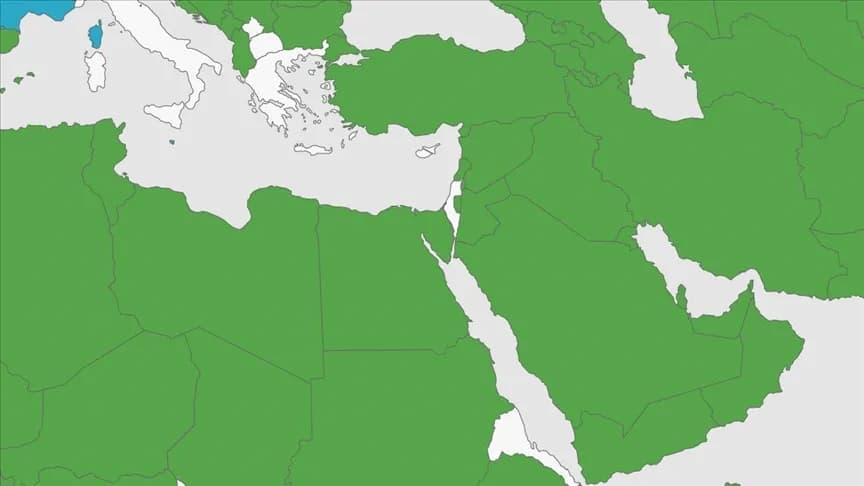
- •Israel's aggressive military actions in 2025 transformed regional dynamics but paradoxically made the country the region's greatest destabilizing factor, leading to self-imposed isolation.
- •As the Abraham Accords lost momentum, Gulf states began prioritizing reconciliation with a weakened Iran and cooperation with Türkiye over relations with Israel.
- •Türkiye has emerged as an influential regional power in the Middle East, leveraging its historical depth, defense capabilities, and diplomatic networks.
Israel Becomes the Region's Greatest Destabilizing Factor
The keywords that defined Middle Eastern geopolitics in 2025 were Israel's aggressive expansion and Türkiye's growing influence. Israel fundamentally altered the regional power dynamics, beginning with a 12-day military confrontation with Iran in June, during which it directly struck Iranian nuclear facilities and military bases.
Professor Ali Bakeer of Qatar University's International Security Studies program analyzed that "Israel significantly weakened Iran's 'forward defense' strategy and proxy network, securing military superiority in the region."
However, Israel's indiscriminate military actions paradoxically transformed the country into the region's greatest threat. From the Gaza genocide to unauthorized airstrikes on Lebanon and Syria, and even an unprecedented attack on Qatar, Israel has become increasingly isolated both regionally and internationally.
The Abraham Accords Lose Momentum
Israel's hegemonic pursuit triggered a strategic recalculation among Gulf Cooperation Council (GCC) countries. The Arab-Israeli normalization trend, which had been the core driver of the Abraham Accords signed in 2020, came to a halt.
Saudi Arabia and other Gulf states began prioritizing "pragmatic reconciliation with a weakened Iran" over "an unpredictable and hegemonic Israel." For the GCC, which places regional stability as its highest priority, Israel's military adventurism emerged as a direct threat.
This signifies that the Abraham Accords, which had been a central axis of Middle Eastern diplomacy in the early 2020s, have effectively lost their momentum. Israel's aggressive behavior has ironically blocked its own path to normalizing relations with the Arab world.
Türkiye Emerges as an Alternative Power
In contrast to Israel's destabilizing policies, Türkiye has emerged as an influential regional power. Under President Recep Tayyip Erdoğan's leadership, Türkiye has secured multiple strategic assets.
Key factors include:
- Enhanced influence following the collapse of Syria's Assad regime in late 2024
- Rapidly growing defense industry capabilities
- Improved relations with Iraq, Egypt, and Gulf states
- Favorable relationship with U.S. President Donald Trump
Türkiye has positioned itself as one of the few regional powers capable of countering Israel's destabilizing policies, leveraging its historical, geographical, and cultural depth. This represents not merely military capability but the presentation of an alternative vision pursuing regional stability, peace, and security.
Implications for South Korea
Changes in Middle Eastern geopolitics have direct and indirect impacts on South Korea in terms of energy security and defense cooperation.
The trend of Gulf states distancing themselves from Israel while strengthening ties with Türkiye offers insights for South Korean Middle East diplomacy. For South Korea, which has expanded energy and infrastructure cooperation with Saudi Arabia and the UAE, their strategic realignment requires careful monitoring.
Additionally, Türkiye's defense industry growth may create a competitive dynamic with South Korea in the Middle Eastern arms market. As both countries compete in third-party markets like Poland, finding the balance between strategic cooperation and competition emerges as a key challenge.
2026 Outlook [AI Analysis]
In 2026, Israel is likely to continue its destructive policies in the West Bank, Gaza, Lebanon, and Syria. However, the intensity may be moderated due to international pressure and deepening regional isolation.
Türkiye is expected to further consolidate its influence in Syria's reconstruction process and establish a trilateral cooperation framework with Iraq and Egypt. This could accelerate the transition from an Israel-centric order to a multipolar system in the Middle East.
Gulf states will maintain their pragmatic approach, simultaneously pursuing tension reduction with Iran and strengthening cooperation with Türkiye. The Abraham Accords are unlikely to be revived in the near term, and the axis of Middle Eastern diplomacy may shift from security-centered to economy and energy cooperation-centered.
댓글 (2)
기사 잘 봤습니다. 다른 시각의 분석도 읽어보고 싶네요.
흥미로운 주제입니다. 주변에도 공유해야겠어요.
More in Global


Latest News

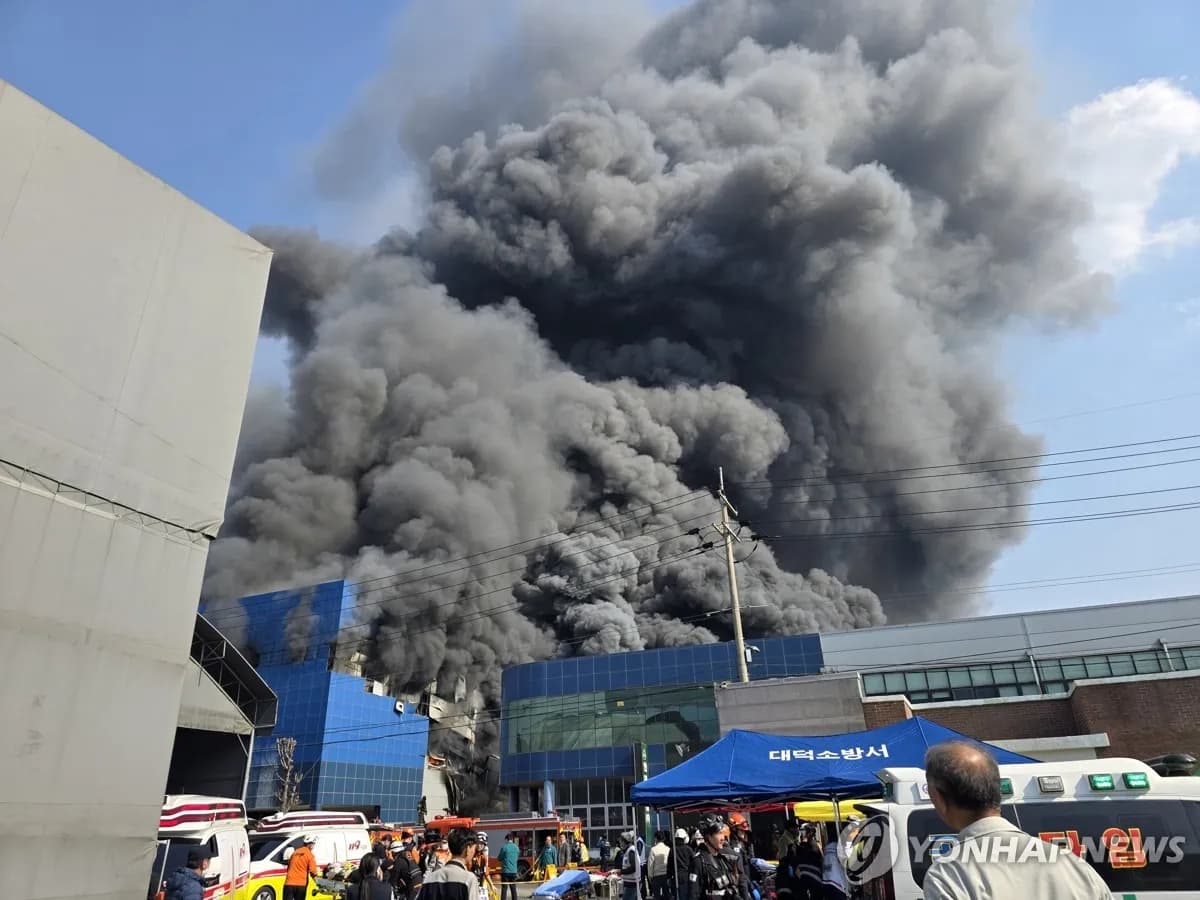
Middle East Conflict Drives Manufacturing Outlook to 10-Month Low
The Korea Institute for Industrial Economics & Trade survey shows April manufacturing outlook PSI plummeted to 88, falling below baseline for the first time in 10 months.
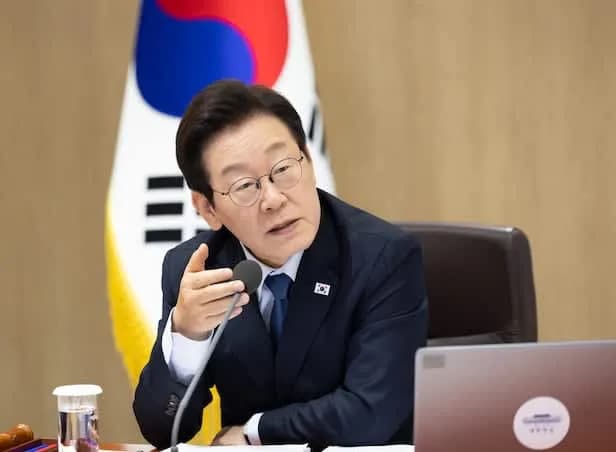
Lee Jae-myung Administration Excludes Multi-Home Officials from Real Estate Policymaking
President Lee Jae-myung has ordered the exclusion of multi-home owning public officials from all real estate policy processes.
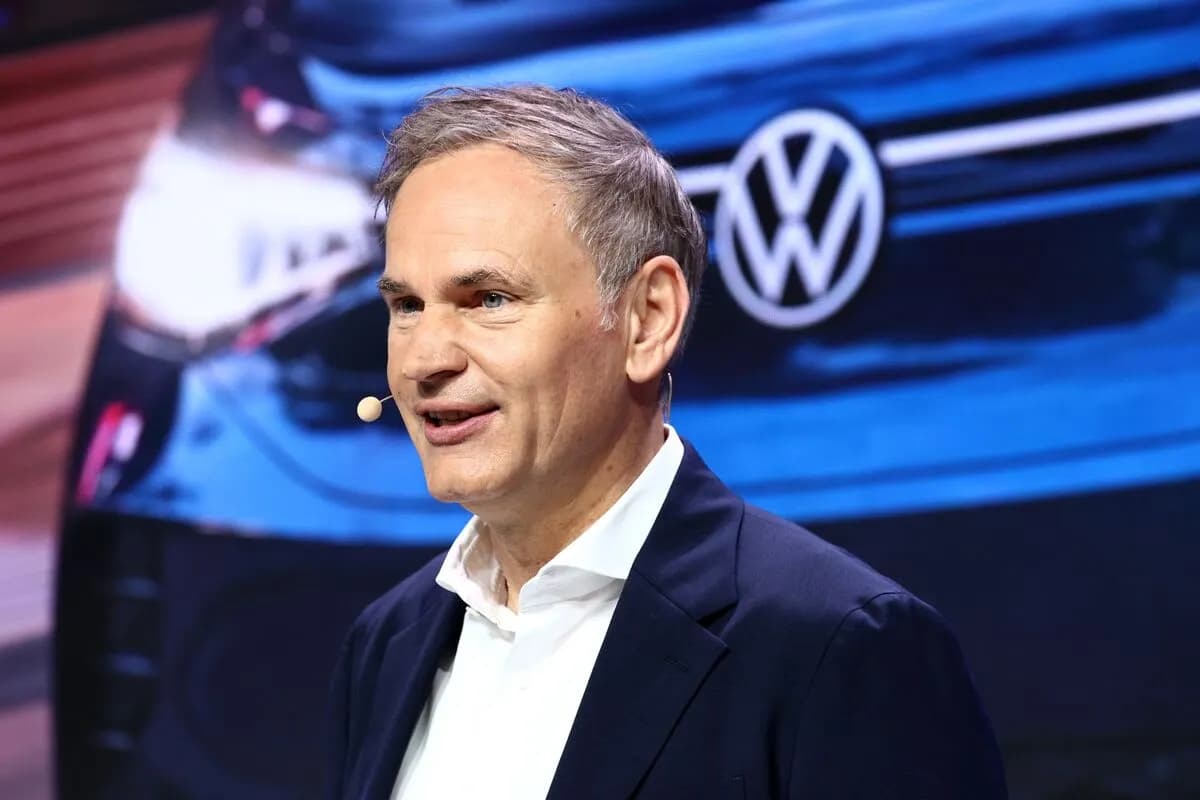
Volkswagen CEO Says Germany Should Learn from China's Industrial Strategy
Volkswagen CEO stated that Germany should learn from China's systematic industrial planning approach.

Reddit Considers Face ID to Block Bots While Maintaining Anonymity
Reddit is considering implementing biometric authentication systems such as Face ID and Touch ID to block AI bots while maintaining anonymity.
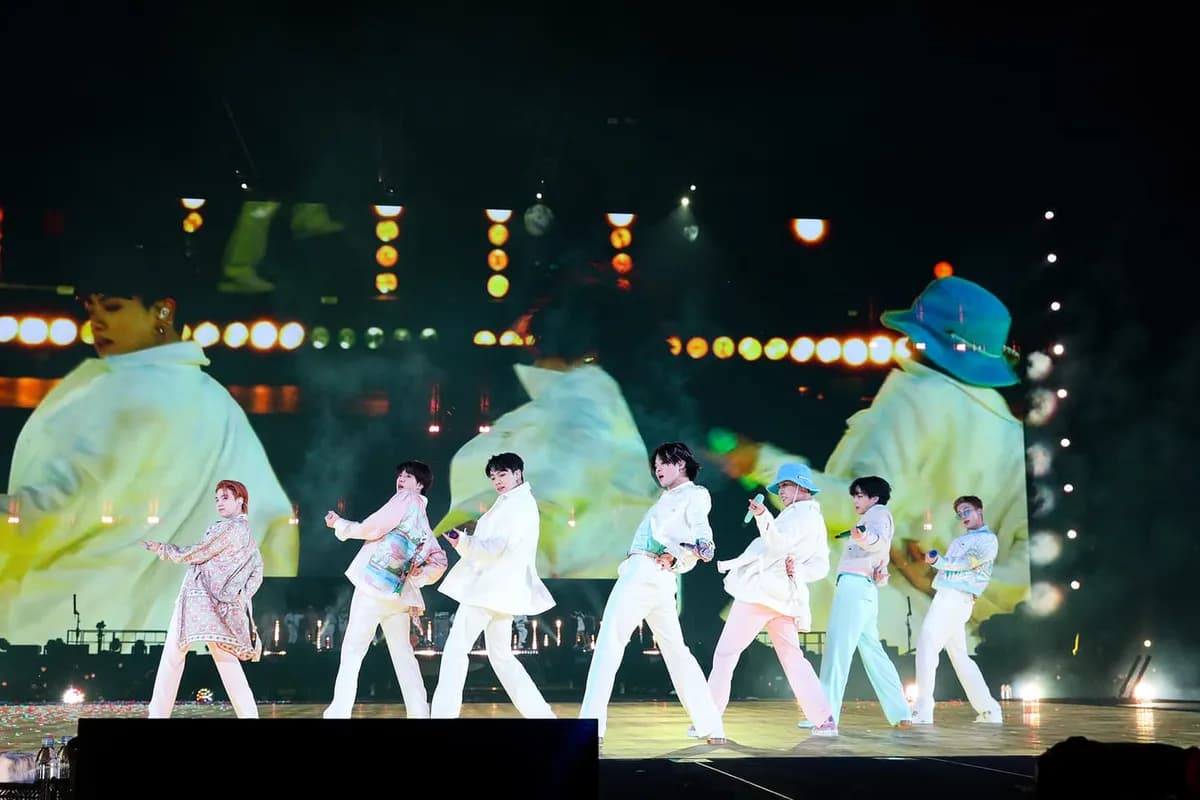
BTS Tops March Artist Brand Reputation Rankings with First Full Group Comeback in 4 Years
BTS ranked first in the Korean Corporate Reputation Research Institute's March Artist Brand Reputation Rankings based on 99 million data points.

Santo Domingo's Malecón Sports Park Construction Progressing Smoothly
Construction of a soccer field and skate park is progressing smoothly in the Malecón area of Santo Domingo, Dominican Republic.
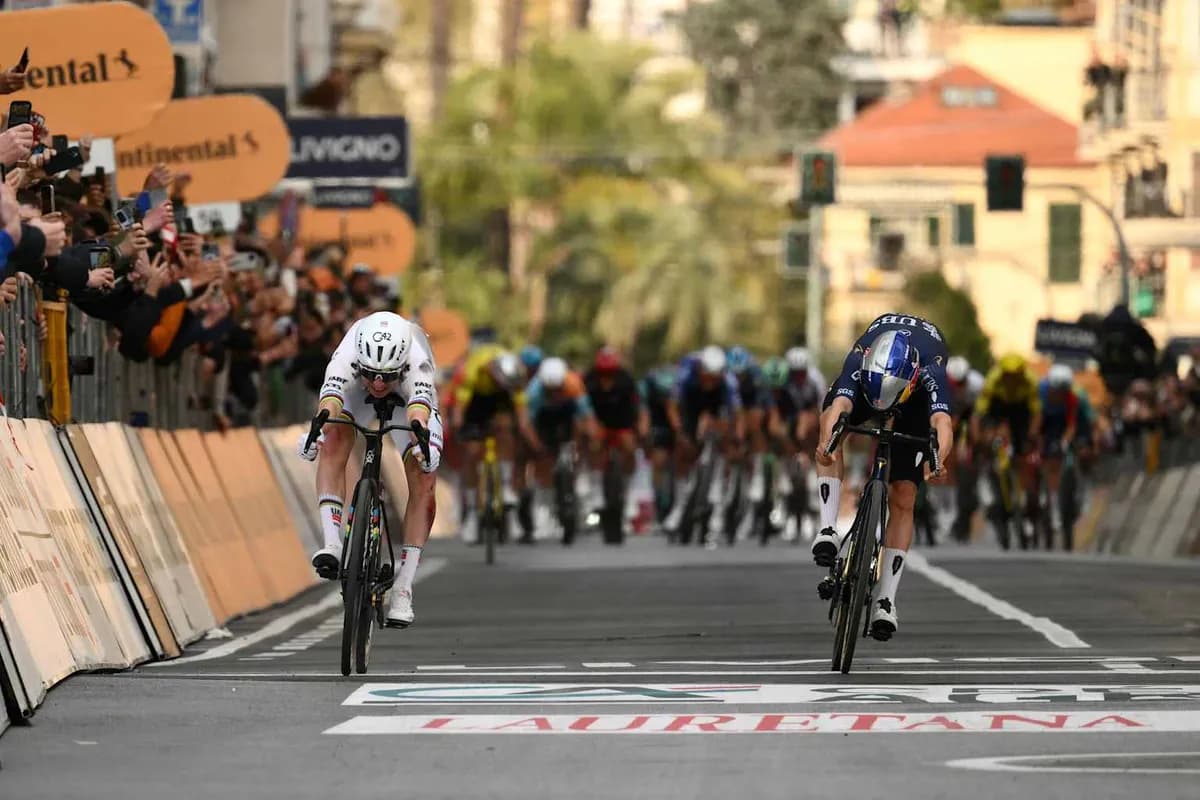
Pogačar Overcomes Crash to Win Milano-Sanremo, Achieves Four Monument Victories
Tadej Pogačar defeated Tom Pidcock to win Milano-Sanremo, achieving his fourth Monument victory.
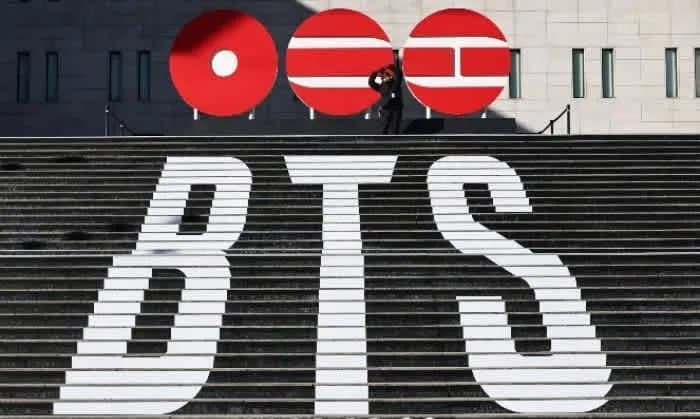
BTS's New Album 'ARIRANG' Sweeps Spotify Global Chart Positions 1-14
BTS's new album 'ARIRANG' monopolized Spotify Global Chart positions 1-14 on its first day, establishing the largest album debut record in K-POP history.