Turkey Declares Diplomacy-First Strategy Amid Global Instability
Ambassador Semih Turgut Emphasizes Regional Stability Through Dialogue and Cooperation
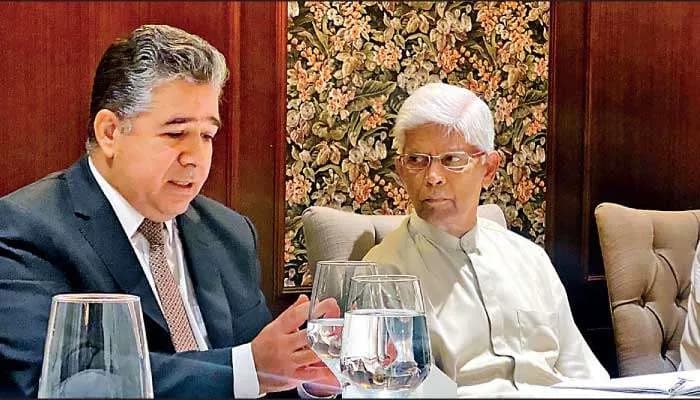
- •Turkish Ambassador presented a strategy for regional stability through diplomacy and dialogue.
- •Emphasized the limits of military power and importance of diplomacy through Ukraine and Gaza conflicts.
- •Identified Russia-Ukraine mediation, EU membership, and Central Asian cooperation as three pillars of Turkish diplomacy.
Diplomacy is the Answer
Turkey has positioned diplomacy and dialogue as its top strategic priority amid rapidly changing international circumstances. Ambassador Semih Lütfü Turgut, Turkey's Ambassador to Sri Lanka, addressed the Pathfinder Foundation's Ambassador Roundtable on January 21, urging international cooperation by stating that "diplomacy is the most effective and cost-efficient policy tool."
Ambassador Turgut diagnosed that the world in 2026 is experiencing extreme instability due to unresolved conflicts, shifting power balances, and the weakening of the rules-based international order. He emphasized the importance of strengthening bilateral, regional, and multilateral cooperation, noting that "although geographically distant, Turkey and Sri Lanka share common aspirations for peace, stability, and sustainable development."
Lessons from Ukraine and Gaza Conflicts
The Ambassador characterized the Ukraine war and Gaza conflict as "defining crises of our time." These two wars simultaneously demonstrate the limits of military power and the enormous humanitarian costs of war, while exposing double standards in the international system.
He particularly pointed out the fragility of ceasefire efforts in Gaza, emphasizing that sustained international engagement is essential to prevent further escalation and humanitarian suffering. He also identified instability in Yemen, Iran, and the Horn of Africa, as well as rising tensions in Europe and East Asia, as areas of concern.
He expressed concern that intensifying arms buildups, proxy wars, and geopolitical competition risk further deteriorating global stability, and that economic pressure and austerity policies could fuel political extremism.
Three Pillars of Turkish Foreign Policy
Ambassador Turgut outlined three core directions of Turkish foreign policy.
1. Russia-Ukraine Mediation Efforts Turkey is focusing on securing global food security through Black Sea stability and continues to serve as a dialogue channel between both sides.
2. European Union (EU) Full Membership Full EU membership remains a strategic priority for Turkey. The policy is to expand economic and security cooperation through strengthening relations with Europe.
3. Strengthening Central Asian Cooperation Turkey is strengthening ties with Central Asia through the Organisation of Turkic States and promoting economic cooperation in energy and transportation corridor development.
Implications for South Korea
Turkey's strategy is drawing attention as a model for middle-power diplomacy. South Korea also faces the challenge of securing independent diplomatic space amid US-China competition.
Turkey's approach—positioning itself as a mediator between Russia and Ukraine while simultaneously pursuing EU membership and Central Asian cooperation—offers valuable insights for securing South Korea's strategic autonomy. It particularly suggests possibilities for mediating and coordinating roles that South Korea could play regarding the North Korean nuclear issue, Korea-Japan relations, and Indo-Pacific strategy.
Future Outlook [AI Analysis]
Turkey's diplomatic strategy is likely to continue developing around the twin pillars of mediation diplomacy and economic cooperation beyond 2026.
As the Ukraine war becomes prolonged, Turkey's mediating role is expected to become increasingly important. The stable operation of grain export agreements through the Black Sea is directly linked to mitigating the global food crisis.
While EU membership is unlikely to be resolved in the short term, substantial cooperation expansion is expected to continue, given that Turkey's cooperation is essential in addressing energy crises and refugee issues.
In Central Asia, Turkey may establish an independent course leveraging cultural and linguistic ties between China's Belt and Road Initiative (BRI) and Russian influence. Energy corridor development could accelerate in conjunction with Europe's strategy to reduce dependence on Russian energy.
From South Korea's perspective, cooperation with Turkey could provide opportunities to secure a foothold for expansion into the Middle East and Central Asia, and to strengthen diplomatic standing through middle-power solidarity.
댓글 (4)
Turkey 문제는 양쪽 입장을 모두 들어봐야 할 것 같습니다.
중요한 포인트를 짚으셨네요.
이 사안은 신중하게 접근해야 한다고 봅니다.
차분한 논의가 필요하다는 말에 공감합니다.
More in Global


Latest News
Middle East Conflict Drives Manufacturing Outlook to 10-Month Low
The Korea Institute for Industrial Economics & Trade survey shows April manufacturing outlook PSI plummeted to 88, falling below baseline for the first time in 10 months.
Lee Jae-myung Administration Excludes Multi-Home Officials from Real Estate Policymaking
President Lee Jae-myung has ordered the exclusion of multi-home owning public officials from all real estate policy processes.
Volkswagen CEO Says Germany Should Learn from China's Industrial Strategy
Volkswagen CEO stated that Germany should learn from China's systematic industrial planning approach.

Reddit Considers Face ID to Block Bots While Maintaining Anonymity
Reddit is considering implementing biometric authentication systems such as Face ID and Touch ID to block AI bots while maintaining anonymity.
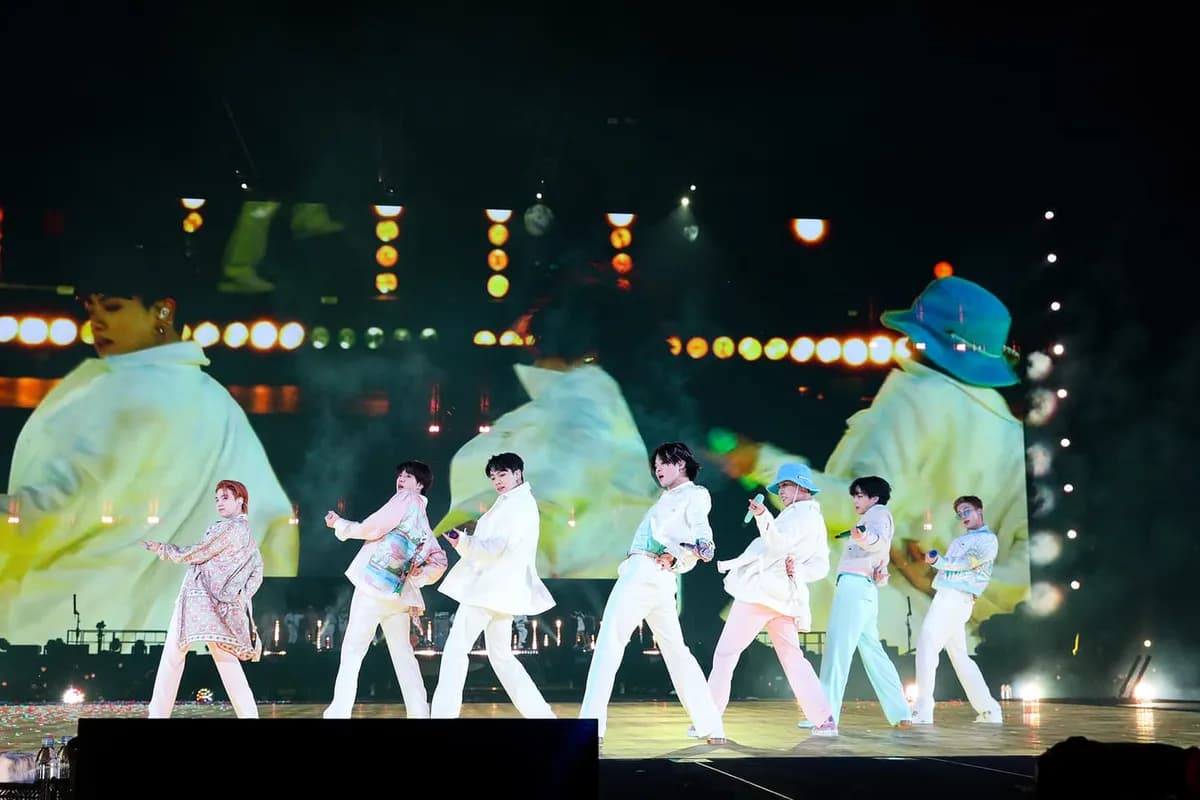
BTS Tops March Artist Brand Reputation Rankings with First Full Group Comeback in 4 Years
BTS ranked first in the Korean Corporate Reputation Research Institute's March Artist Brand Reputation Rankings based on 99 million data points.

Santo Domingo's Malecón Sports Park Construction Progressing Smoothly
Construction of a soccer field and skate park is progressing smoothly in the Malecón area of Santo Domingo, Dominican Republic.
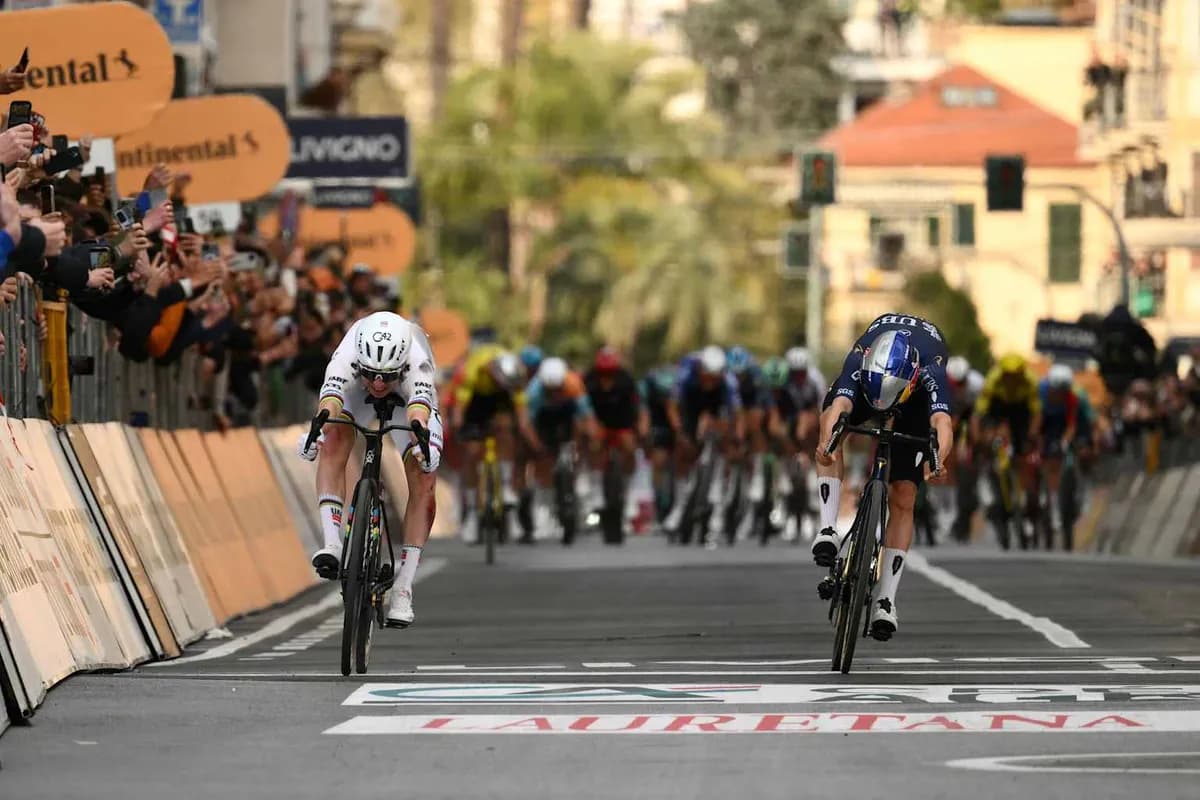
Pogačar Overcomes Crash to Win Milano-Sanremo, Achieves Four Monument Victories
Tadej Pogačar defeated Tom Pidcock to win Milano-Sanremo, achieving his fourth Monument victory.
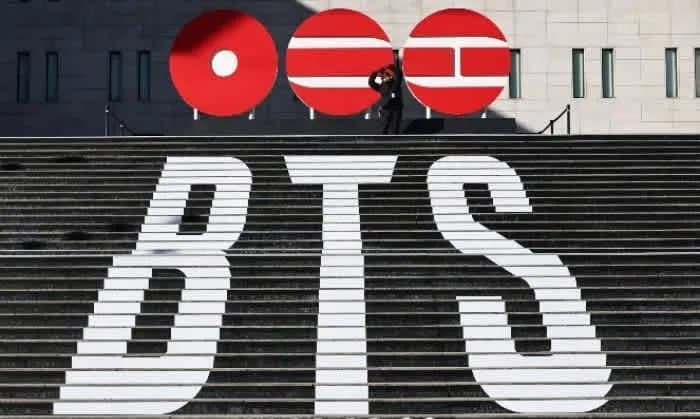
BTS's New Album 'ARIRANG' Sweeps Spotify Global Chart Positions 1-14
BTS's new album 'ARIRANG' monopolized Spotify Global Chart positions 1-14 on its first day, establishing the largest album debut record in K-POP history.