Trump Envoys Reveal Gaza Ceasefire Negotiation Behind-the-Scenes
Kushner and Witkoff's Middle East Mediation Starting at 4:30 AM
- •Trump's envoys have been coordinating between countries from early morning for Gaza ceasefire negotiations.
- •Kushner emphasized 'pragmatic realism' diplomacy that seeks common interests rather than values.
- •Trump-style transactional diplomacy may also impact the ROK-U.S. alliance and North Korean issues.
Gaza Negotiations at 4:30 AM at the White House
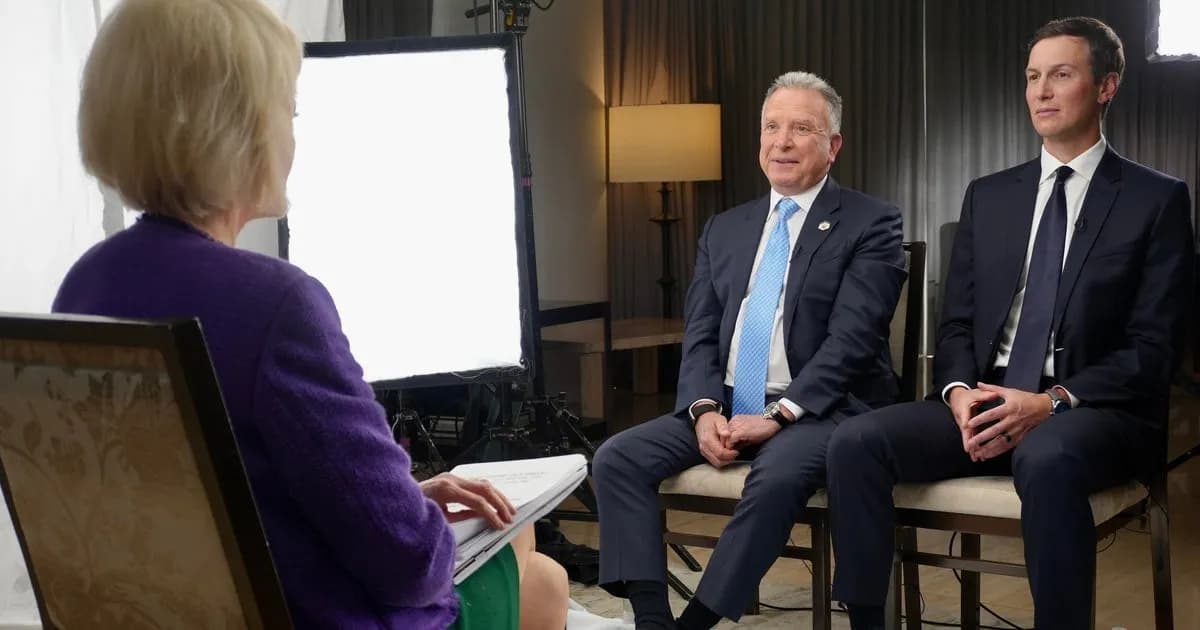
Jared Kushner, President Donald Trump's son-in-law and Middle East envoy, along with real estate developer Steve Witkoff, have revealed the behind-the-scenes process of Gaza ceasefire negotiations.
In an interview with CBS's '60 Minutes,' Kushner explained their early morning negotiation routine: "Witkoff is a very early riser, and my kids also wake up early for school. The time before they wake up is the best time for us to catch up on overseas situations."
Even on this particular morning, the two were devoted to resolving misunderstandings between countries regarding Gaza relief supplies delivery. Kushner explained, "The UN is trying to deliver food to Gaza residents, and Turkey offered to send rescue teams to find deceased hostages. However, many well-intentioned efforts are being delayed due to communication issues."
"We Can't Afford to Fail" - 100% Confidence in Success
When President Trump asked about the chances of success, Kushner answered "100%." When asked why, he responded, "Because we can't afford to fail."
Witkoff conveyed the urgency of the negotiations: "We kept telling ourselves, 'This finish line is about saving lives.'"
Real Estate-Style Negotiation? "We Didn't Sit Across the Table"
When the interviewer asked if they used a hardline approach like in real estate negotiations, Kushner gave an unexpected answer.
"There were some intense moments, but what produced this result was the trust we built. I learned foreign policy during President Trump's first term, and he brought a different approach from traditional Washington diplomacy."
The core of Trump-style diplomacy that Kushner describes is 'pragmatic realism.' He explained, "Sometimes it's about focusing on interests rather than values, finding where common interests lie with other countries and pursuing them."
He added, "We didn't sit across the negotiating table. After agreeing on the same goal, we locked arms and found ways to get there together."
Lessons from the Abraham Accords
Kushner mentioned his experience achieving the Abraham Accords, the Middle East peace agreement during Trump's first term.
"We succeeded with 'Plan C' on the Abraham Accords. But that was after going through the alphabet three times and failing at every letter. We never gave up."
The Gaza negotiations went through even more trial and error, he said. "We probably went through the alphabet about seven or eight times," Kushner revealed.
Implications for South Korea
This American 'transactional diplomacy' could also impact South Korea. The Trump administration's approach of prioritizing practical interests over values may bring changes to the nature of the ROK-U.S. alliance.
Particularly in resolving North Korean issues, they may seek solutions through 'deals' rather than ideological approaches, which requires coordination with the South Korean government's North Korea policy.
Additionally, if Kushner, who has experience mediating Middle East peace, also becomes involved in Asian issues, it could become a new variable in the Korean Peninsula situation.
댓글 (3)
Trump 관련 기사 잘 읽었습니다. 유익한 정보네요.
Envoys에 대해 더 알고 싶어졌습니다. 후속 기사 부탁드립니다.
그 부분은 저도 궁금했습니다.
More in Global


Latest News

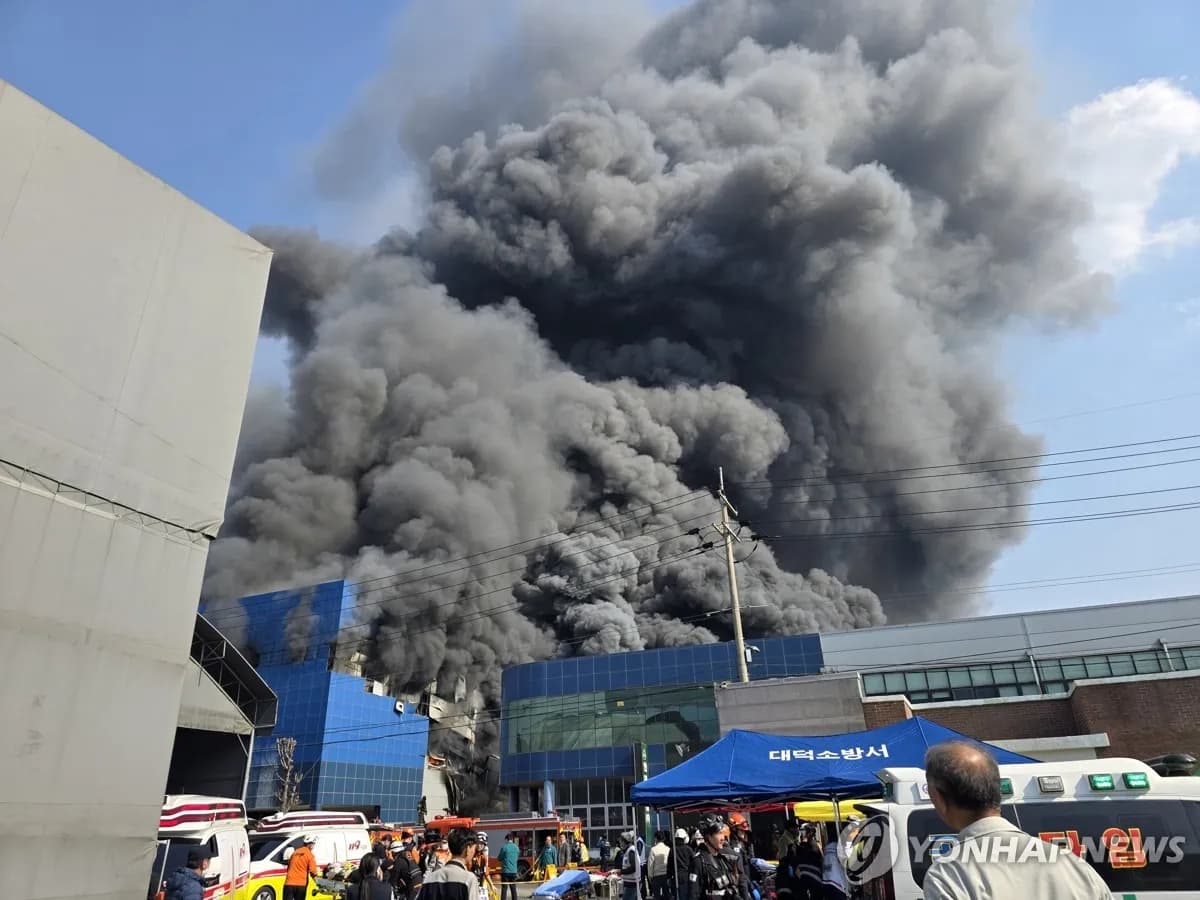
Middle East Conflict Drives Manufacturing Outlook to 10-Month Low
The Korea Institute for Industrial Economics & Trade survey shows April manufacturing outlook PSI plummeted to 88, falling below baseline for the first time in 10 months.
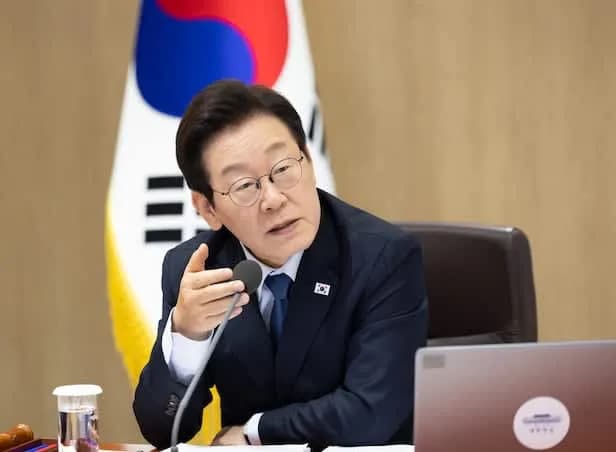
Lee Jae-myung Administration Excludes Multi-Home Officials from Real Estate Policymaking
President Lee Jae-myung has ordered the exclusion of multi-home owning public officials from all real estate policy processes.
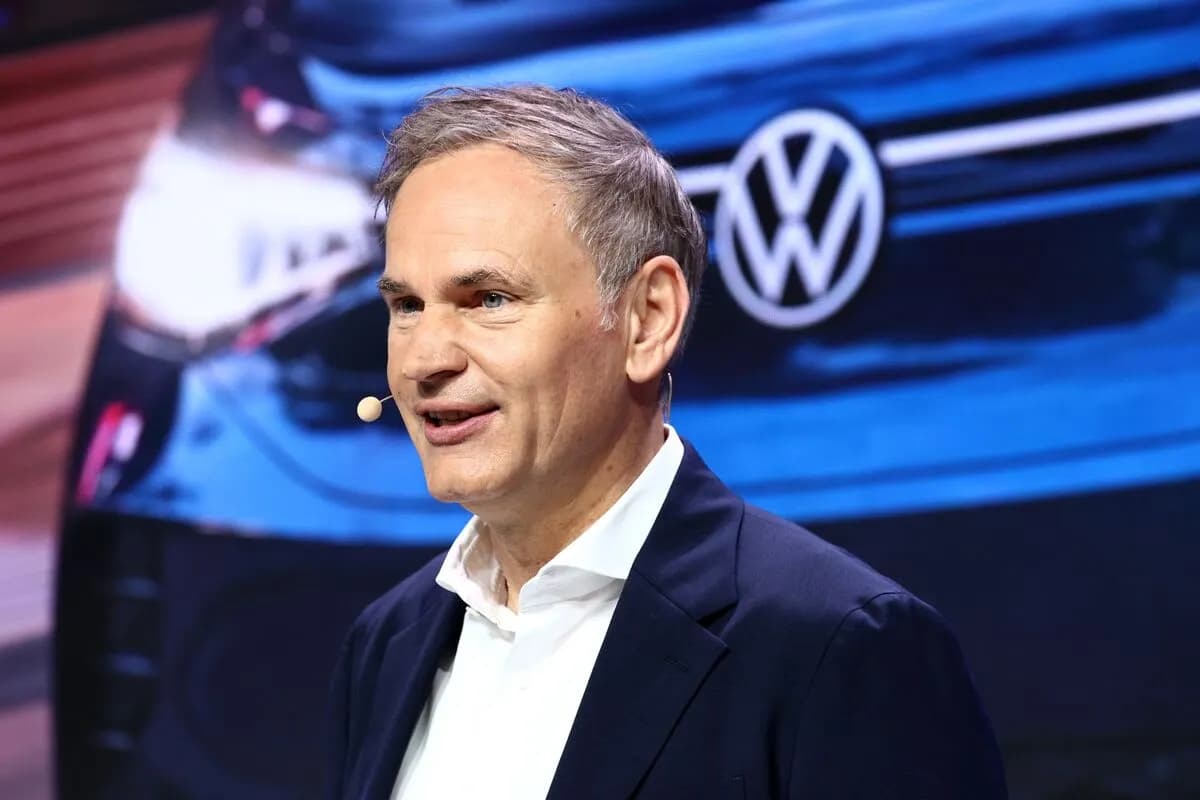
Volkswagen CEO Says Germany Should Learn from China's Industrial Strategy
Volkswagen CEO stated that Germany should learn from China's systematic industrial planning approach.

Reddit Considers Face ID to Block Bots While Maintaining Anonymity
Reddit is considering implementing biometric authentication systems such as Face ID and Touch ID to block AI bots while maintaining anonymity.

BTS Tops March Artist Brand Reputation Rankings with First Full Group Comeback in 4 Years
BTS ranked first in the Korean Corporate Reputation Research Institute's March Artist Brand Reputation Rankings based on 99 million data points.

Santo Domingo's Malecón Sports Park Construction Progressing Smoothly
Construction of a soccer field and skate park is progressing smoothly in the Malecón area of Santo Domingo, Dominican Republic.

Pogačar Overcomes Crash to Win Milano-Sanremo, Achieves Four Monument Victories
Tadej Pogačar defeated Tom Pidcock to win Milano-Sanremo, achieving his fourth Monument victory.
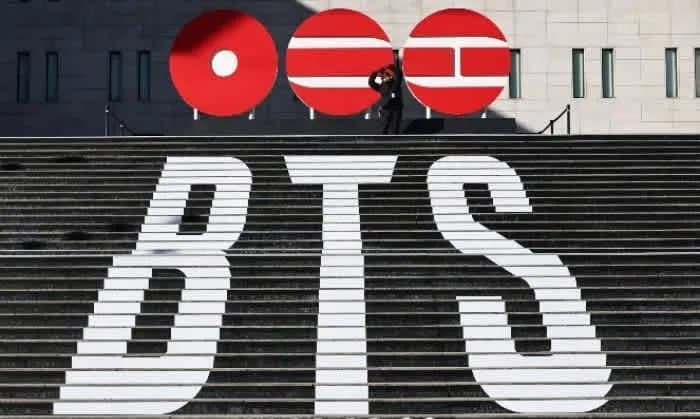
BTS's New Album 'ARIRANG' Sweeps Spotify Global Chart Positions 1-14
BTS's new album 'ARIRANG' monopolized Spotify Global Chart positions 1-14 on its first day, establishing the largest album debut record in K-POP history.