Pakistan's Choice: Balancing Diplomacy Between the US and China
Pakistan pursues non-aligned stance in new Cold War era, maintaining strategic balance with both superpowers
- •In the new Cold War era, Pakistan pursues strategic balanced diplomacy between the United States and China.
- •President Trump met with Pakistan's Chief of Army Staff first, signaling strengthened security cooperation with the United States.
- •Pakistan's non-aligned stance provides implications for South Korea as a middle power's survival strategy amid US-China competition.
Pakistan's Dilemma in the New Cold War Era
If the world during the Cold War was divided into capitalist and communist camps, today a new bloc confrontation is forming centered around the United States and China. What's interesting is that, unlike the past, nations choosing a particular camp reveals more than just political alignment—it demonstrates preferences for global order.
China and Russia advocate for a multipolar world order, promoting alternative international organizations such as the Shanghai Cooperation Organization (SCO), BRICS, and the Asian Infrastructure Investment Bank (AIIB). China's Belt and Road Initiative (BRI) also reflects this transition toward multipolarity.
Which Camp Does Pakistan Belong To?
"Which bloc does Pakistan belong to?" This is the most frequently asked question when discussing Pakistan's relations with major powers. If you asked ordinary citizens on the street, most would classify Pakistan as part of China's camp. However, examining the main areas of actual interaction might yield a different answer.
Recent Pakistani foreign policy appears to follow the concept of strategic balance and non-alignment. Pakistan has enjoyed deep state-to-state friendship with China. China has never imposed an "either with us or against us" condition on its relationship with Pakistan. While the US-Pakistan relationship has been "issue-based," the fundamental determining factor in China-Pakistan relations has been geographic location.
Signs of Change in Pakistan-US Relations
The main areas of interaction determining which camp a nation belongs to include politics/diplomacy, economics, military/security, culture, and state signaling.
State signaling is immediate and fluid, yet an important determining factor. The visit of Pakistan's Chief of Army Staff to the United States in June this year is a representative case. President Trump met with Pakistan's Chief of Army Staff before meeting with Pakistan's President or Prime Minister. This was unprecedented, and there are reports that the Chief of Army Staff will visit the US again soon.
If state signaling is a determining factor, the two nations are clearly sending and receiving signals. From the US perspective, it needs security partnerships in the region, and with the US imposing 50% tariffs on Indian imports and India criticizing American hypocrisy, it may be the right time to cooperate with Pakistan.
Economically, Pakistan is not as large a market as India, but it provides market access to an influential regional power. However, more than economics, military/security is the core driver of current Pakistan-US relations.
Changing Nature of Warfare and Pakistan's Strategic Value
The Iran-Israel war and the Russia-Ukraine war demonstrate how the nature of warfare has changed. While Germany and Japan used new technologies such as aircraft, tanks, submarines, and aircraft carriers during World War II, today's new warfare technologies include drones, various missiles (including hypersonic missiles), and fifth-generation fighter jets.
In this context, Pakistan's military capabilities and geopolitical position hold strategic value for the United States.
Implications for South Korea
Pakistan's strategic balanced diplomacy offers significant implications for South Korea as a middle power's survival strategy. As US-China competition intensifies, South Korea also faces the challenge of maintaining balance in its relations with both countries.
Pakistan's approach of maintaining deep friendship with China while strengthening security cooperation with the US resembles South Korea's dilemma of "economics with China, security with America." However, there is a difference in that Pakistan pursues practical benefits while clearly maintaining non-aligned principles.
Future Outlook [AI Analysis]
Pakistan's strategic balanced diplomacy is likely to continue for the time being. As US-China competition intensifies, both sides will seek to secure the support of strategic positions like Pakistan.
However, for this tightrope diplomacy to succeed, establishing clear red lines is necessary. There may come moments when Pakistan must choose one side on specific issues, requiring decisions prioritizing national interests.
South Korea also needs to establish a framework for principled pragmatic diplomacy by referencing Pakistan's case. Rather than simply oscillating between the two sides, it is important to secure strategic autonomy through selective cooperation based on clear national interest criteria.
댓글 (3)
Pakistan 관련 기사 잘 읽었습니다. 유익한 정보네요.
흥미로운 주제입니다. 주변에도 공유해야겠어요.
기사 잘 봤습니다. 다른 시각의 분석도 읽어보고 싶네요.
More in Global


Latest News
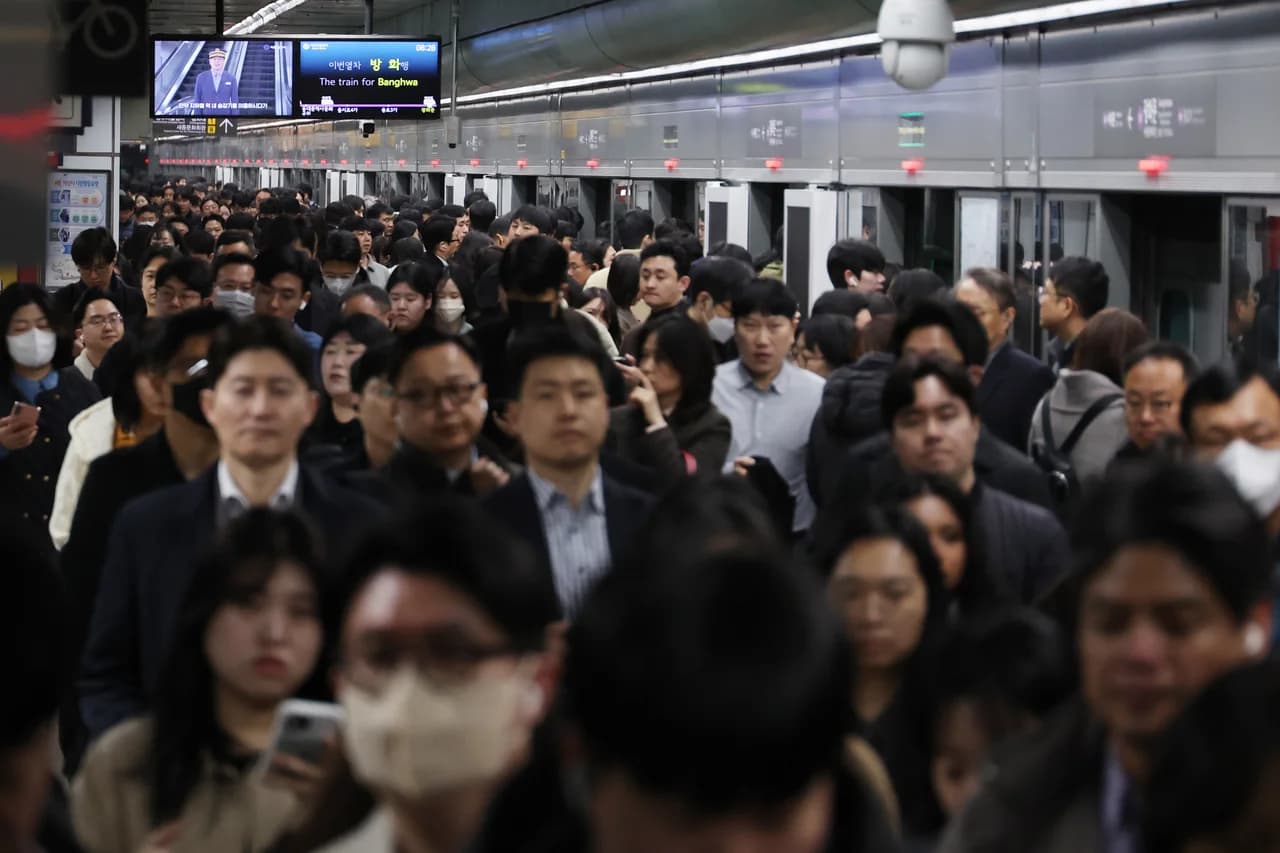
Middle East Conflict Drives Manufacturing Outlook to 10-Month Low
The Korea Institute for Industrial Economics & Trade survey shows April manufacturing outlook PSI plummeted to 88, falling below baseline for the first time in 10 months.
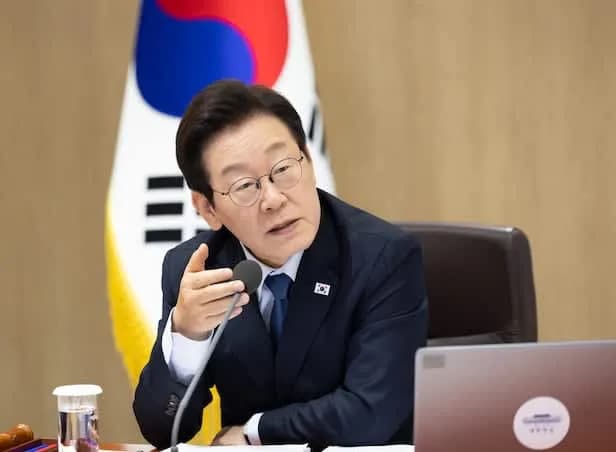
Lee Jae-myung Administration Excludes Multi-Home Officials from Real Estate Policymaking
President Lee Jae-myung has ordered the exclusion of multi-home owning public officials from all real estate policy processes.
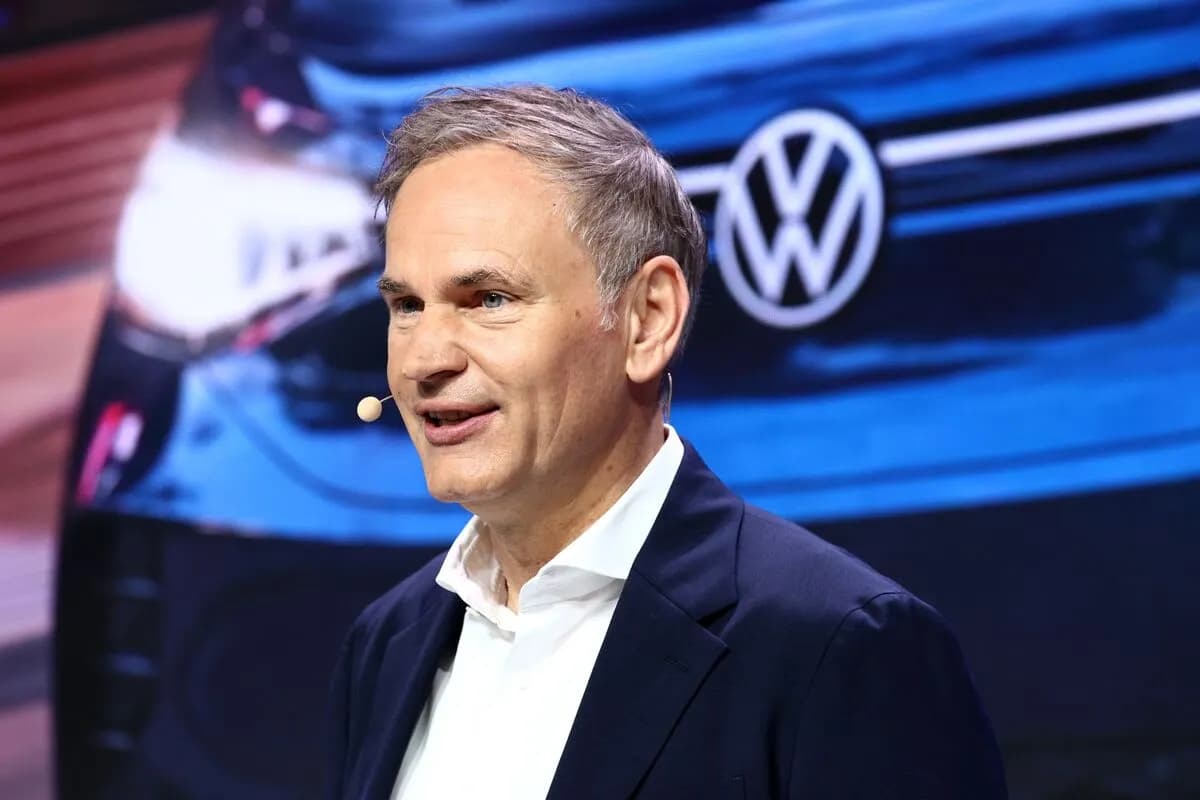
Volkswagen CEO Says Germany Should Learn from China's Industrial Strategy
Volkswagen CEO stated that Germany should learn from China's systematic industrial planning approach.

Reddit Considers Face ID to Block Bots While Maintaining Anonymity
Reddit is considering implementing biometric authentication systems such as Face ID and Touch ID to block AI bots while maintaining anonymity.
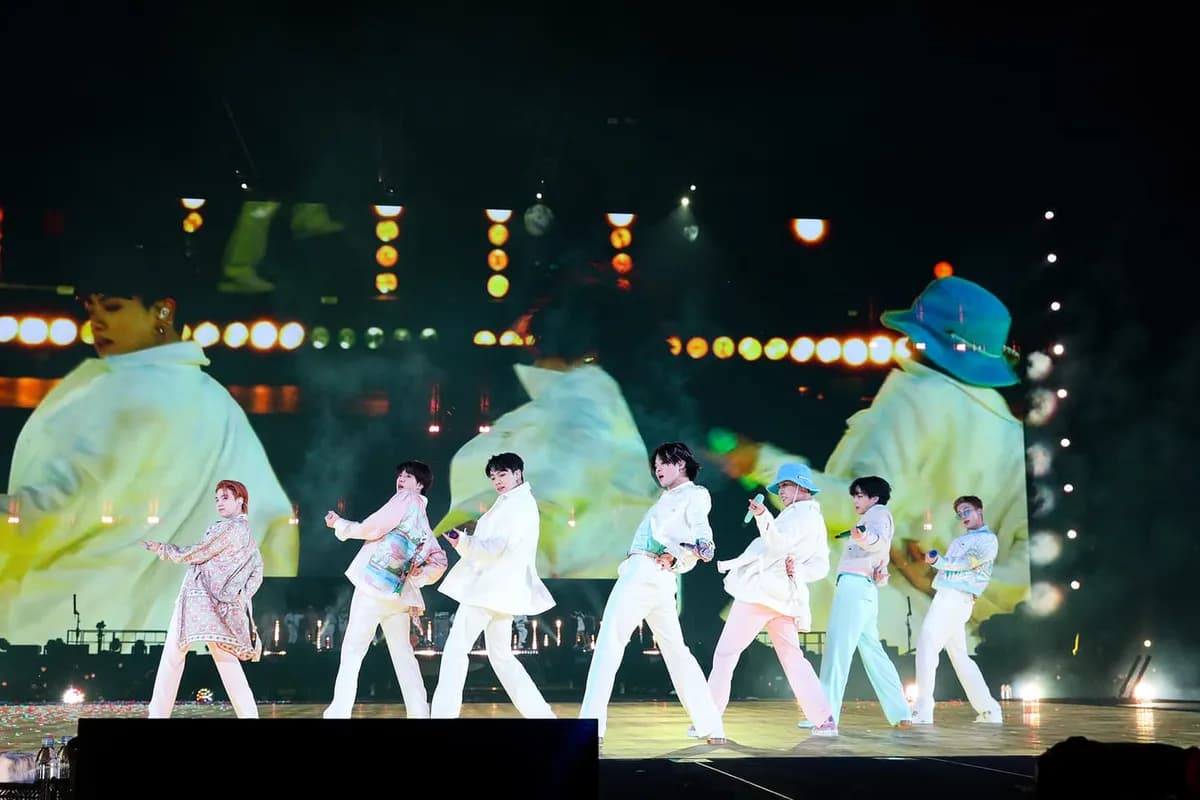
BTS Tops March Artist Brand Reputation Rankings with First Full Group Comeback in 4 Years
BTS ranked first in the Korean Corporate Reputation Research Institute's March Artist Brand Reputation Rankings based on 99 million data points.
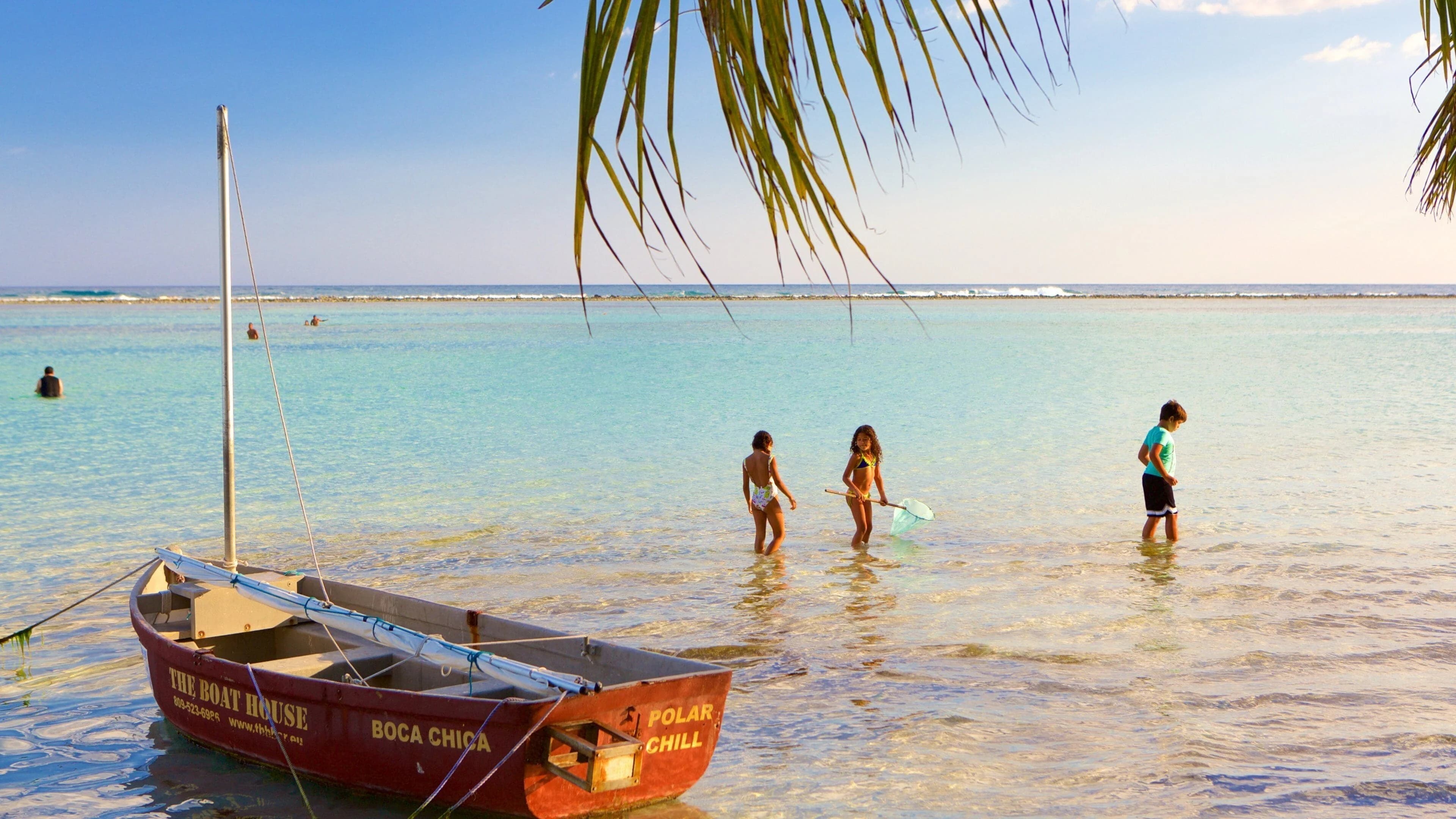
Santo Domingo's Malecón Sports Park Construction Progressing Smoothly
Construction of a soccer field and skate park is progressing smoothly in the Malecón area of Santo Domingo, Dominican Republic.

Pogačar Overcomes Crash to Win Milano-Sanremo, Achieves Four Monument Victories
Tadej Pogačar defeated Tom Pidcock to win Milano-Sanremo, achieving his fourth Monument victory.
BTS's New Album 'ARIRANG' Sweeps Spotify Global Chart Positions 1-14
BTS's new album 'ARIRANG' monopolized Spotify Global Chart positions 1-14 on its first day, establishing the largest album debut record in K-POP history.