Architecture of the Gaze: 25 Observatory Designs to Experience the Landscape
An architectural device that tames vastness, illuminating the role of the observatory as a medium between the observer and the territory.

- •The observatory is an architectural device that organizes gaze and establishes relationships between humans and territory.
- •Framing the vast landscape makes it legible and briefly inhabitable.
- •25 design examples illustrate modern observatory architecture that seeks maximum experience with minimum intervention.
Architecture that frames the landscape
The observatory is not simply a structure to view the scenery from a high place. According to related architectural media, the observatory functions as a 'device' that organizes the gaze and establishes a direct relationship between the human body and the territory. Whether in a natural or urban environment, observatories are implemented in various forms at the threshold between the observer and the landscape.
From subtle gestures to monumental structures, the scale of observatories varies greatly. However, there is an essence that they all share. It is an attempt to tame the vastness. The goal is to make landscapes that may feel excessive without mediation readable through precise framing.
An experience that changes through the medium of gaze
This act of mediation changes the experience of observation itself. The moment a privileged point is reached, not only does the body move in space, but its perception of itself also changes. The breadth of the field of view and the vastness of the landscape highlight the relationship between individual and territorial scale and promote an expanded awareness of the surrounding environment.
Between the horizon and the body, the observatory establishes a possible scale. Rather than reducing the landscape, it is captured within a frame, allowing the gaze to move over it, understand it, and inhabit it for a moment.
Historical context of observatory construction
Architectural interest in observatories dates back to the 'picturesque' aesthetic of 18th-century Europe. Follies and viewing structures, which originated in English gardens, reflected the desire to appreciate the landscape as a pictorial composition. In the 20th century, observatories became popular as part of tourism infrastructure, and in modern times, they have become a key element of landscape architecture and environmental interpretation.
Especially since the 2010s, as interest in 'architecture in nature' has increased, especially in Northern Europe and Switzerland, observatories have become a testbed for design that brings out the maximum experience through minimal intervention. Norway's National Tourist Routes project is a representative example of this trend and is providing inspiration to architects around the world.
Possibilities presented by 25 observatories
The 25 observatory designs highlighted this time redefine the relationship between landscape and humans in different contexts and scales. Some protrude from the edge of the cliff in the form of a cantilever, providing a dizzying sense of tension, while others gently blend into the forest and provide a meditative space. The observatory located in an urban environment creates a new urban experience through the contrast between artificial and natural, vertical and horizontal.
What these structures have in common is that they pursue maximum experiential depth with minimal architectural intervention. It is characterized by an honest use of materials, a sensitive response to the terrain, and, above all, a restrained design language that makes the landscape itself the protagonist.
Future outlook [AI analysis]
As awareness of climate change and ecological crisis increases, observatory architecture is likely to acquire new meaning. Beyond being a simple tourist facility, it is expected to play a role as a medium to promote environmental education and ecological awareness.
Additionally, as the demand for accessibility and inclusive design increases, universal design observatories where visitors of all physical conditions can experience the scenery are expected to spread further. Combination with digital technology is also a notable trend, with the possibility of the emergence of an interpretation system using augmented reality (AR) or an interactive observatory that provides real-time environmental data.
Ultimately, the observatory is expected to grow in importance as an architectural tool that allows humans to reflect on their relationship with nature.
댓글 (3)
간결하면서도 핵심을 잘 정리한 기사네요.
기사 잘 봤습니다. 다른 시각의 분석도 읽어보고 싶네요.
흥미로운 주제입니다. 주변에도 공유해야겠어요.
More in Culture & Art
39 world-renowned artists, including Brian Eno and Jen Goldin, join an auction to support humanitarianism in Palestine

Cinnamund Café, integrated into Barcelona's medieval architecture, a blend of history and modernity

Building a Refugee Shelter with Nomadic Weaving Techniques: An Architectural Experiment with Abir Seikali
A small villa at the end of a lake is reborn as modern architecture.

Belgian fashion legends ‘Antwerp Six’ gather together for the first time in 40 years

WORKac transforms flood plains into ‘new possibilities for habitation’
Latest News
Middle East War Reaches One-Month Mark, Weekend Critical for Talks or Ground War
Middle East war from US-Israel-Iran strikes enters 27th day
ASEAN Summit to Proceed in Philippines in May Despite Middle East Conflict, Scale Reduced
ASEAN summit confirmed for May in Philippines despite prolonged Middle East conflict

Court Suspends Detention of Unification Church Leader Han Hak-ja, Temporary Release Until Next Month 30th
Court decides to suspend detention of Unification Church leader Han Hak-ja

People Power Party Strongly Criticizes President Lee's Cheonan Ship Remarks
People Power Party strongly criticizes President Lee Jae-myung's Cheonan-related remarks

Malaysia-Indonesia Leaders Hold Emergency Talks on Middle East War Response
Malaysian PM Anwar and Indonesian President Prabowo held emergency talks in Jakarta
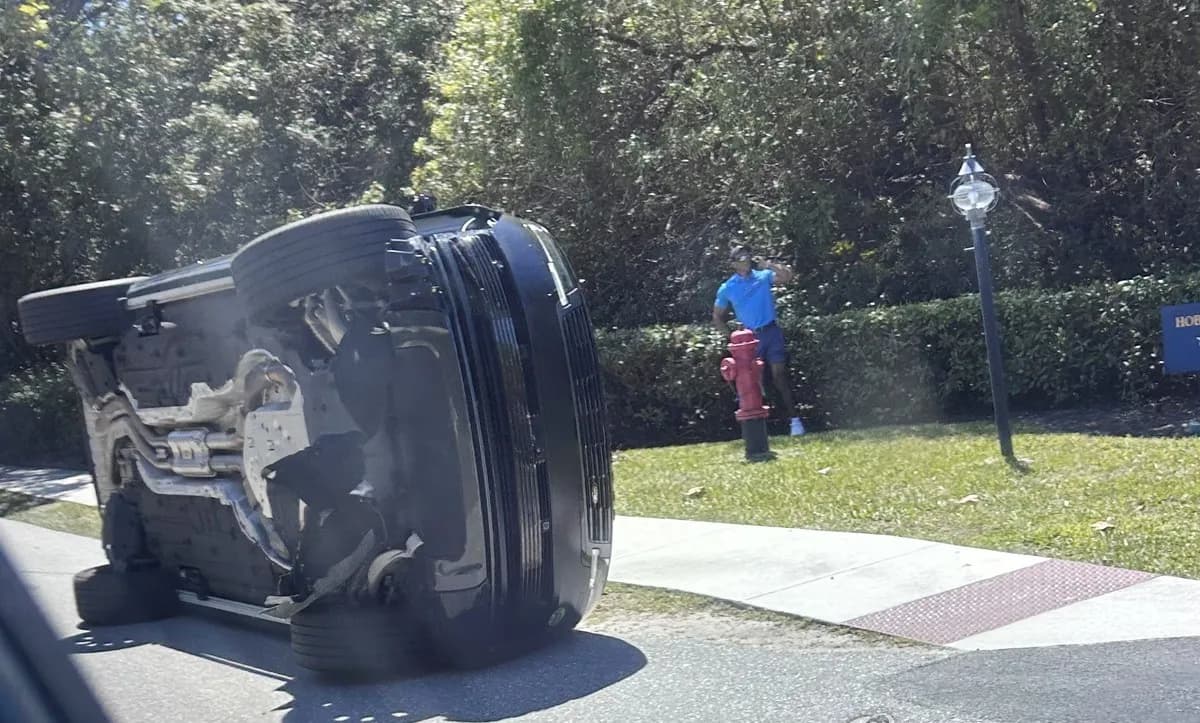
Tiger Woods Arrested for DUI Just 3 Days After Comeback—Fourth Vehicle-Related Incident
Tiger Woods arrested for DUI just 3 days after comeback

UK University Meningitis Outbreak: Worst Over but Concerns Remain About Recurrence
UK university meningococcal outbreak worst appears over, but cause remains unclear

Yen/Dollar Rate Breaks Through 160 Yen for First Time in 1 Year 8 Months Amid US-Iran War
Yen/dollar rate breaks through 160 yen for first time in 1 year 8 months amid US-Iran war