WORKac transforms flood plains into ‘new possibilities for habitation’
Rhode Island housing project combines climate resilience and passive house technology

- •WORKac has completed a home in Rhode Island that turns flood plain constraints into architectural opportunities.
- •It combines environmental performance and expressive design, including meeting passive house standards and integrating solar power.
- •As a new model of climate-resilient architecture, attention is being paid to its potential for future expansion.
Turn constraints into architectural gestures
‘Riverhouse’, completed in Hopkinton, Rhode Island by American architecture office WORKac, is presenting a new direction for residential architecture in the era of climate crisis. This project is attracting attention as an example of turning the locational constraints of a flood plain into a key driving force for architecture.
WORKac, led by Amale Andraos and Dan Wood, designed a compact, high-rise home on the site of an existing aging country house. The structure raised from the ground to meet floodplain regulations went beyond simple regulatory response and developed into a new spatial strategy that provides a view of the entire site.
Active design that meets passive house standards
The most striking element of Riverhouse is the blue metal roof that folds inward to form a central courtyard. This sculptural form is not simply an aesthetic choice, but plays a functional role by integrating the solar panels and drawing light into the central void.
The building was designed to meet Passive House standards. 35-centimetre-thick insulated walls, triple-glazed windows and solar panels combined with an on-site battery storage system enable all-electric operation all year round. A sharply cut upper skin rises above the wooden base, creating an almost graphic presence in the forest environment.
Balance between high-performance architecture and expressiveness
Unlike the achromatic neutrality that high-performance buildings often have, River House actively utilizes variations in color, texture, and materials. WORKac took an approach that embraces contrast and expression while reflecting the tones of the surrounding environment.
The interior space is enriched with the works of several collaborative artists. In the central space, a custom dining table created by MOS Architects simultaneously serves as structure, furniture, and social condenser. In the living room, large theatrical curtains designed by Petra Blaisse regulate light and privacy and introduce seasonal changes. The bedroom's linen curtains are the work of Austėja Walter, and the bathroom tiles are a collaboration with Karim Chaya, featuring patterns rooted in Lebanese craft traditions.
Genealogy of climate-adaptive housing
Construction on flood plains has a long history. From the traditional high-rise houses of Southeast Asia to the expensive homes that spread along the U.S. Gulf Coast after Hurricane Katrina, architecture that coexists with water has developed into various forms.
As the climate crisis has deepened since the 2010s, these approaches have become more sophisticated. With the introduction of passive house standards, the integration of renewable energy, and the development of on-site energy storage systems, 'climate resilience' has become a core concept in architectural design. River House is the latest example of this trend and is significant in that it integrates regulatory response, environmental performance, and aesthetic expression in one project.
Future outlook [AI analysis]
The model presented by Riverhouse is likely to spread further as demand for construction in 'risk zones' such as flood plains, coastal areas, and forest fire risk areas increases due to climate change. In particular, the approach of turning regulations into a design driver rather than simply meeting them is expected to open up new creative opportunities for architects.
However, these high-performance and highly expressive houses have accessibility issues in terms of cost. In the future, as technology spreads and economies of scale are realized, it is expected that the key will be whether this approach can be expanded to the wider residential market.
댓글 (2)
너무 슬픈 소식이네요. 피해자 분들과 가족에게 위로를 보냅니다.
마음이 무겁습니다. 삼가 고인의 명복을 빕니다.
More in Culture & Art

39 world-renowned artists, including Brian Eno and Jen Goldin, join an auction to support humanitarianism in Palestine

Cinnamund Café, integrated into Barcelona's medieval architecture, a blend of history and modernity

Building a Refugee Shelter with Nomadic Weaving Techniques: An Architectural Experiment with Abir Seikali
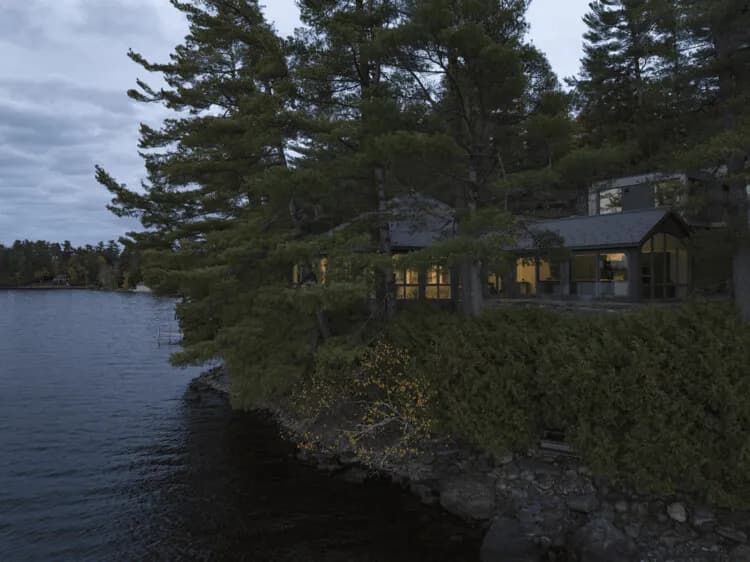
A small villa at the end of a lake is reborn as modern architecture.

Belgian fashion legends ‘Antwerp Six’ gather together for the first time in 40 years

Valerian Bloss, reinterpreting materials and opening up new possibilities in design and production
Latest News
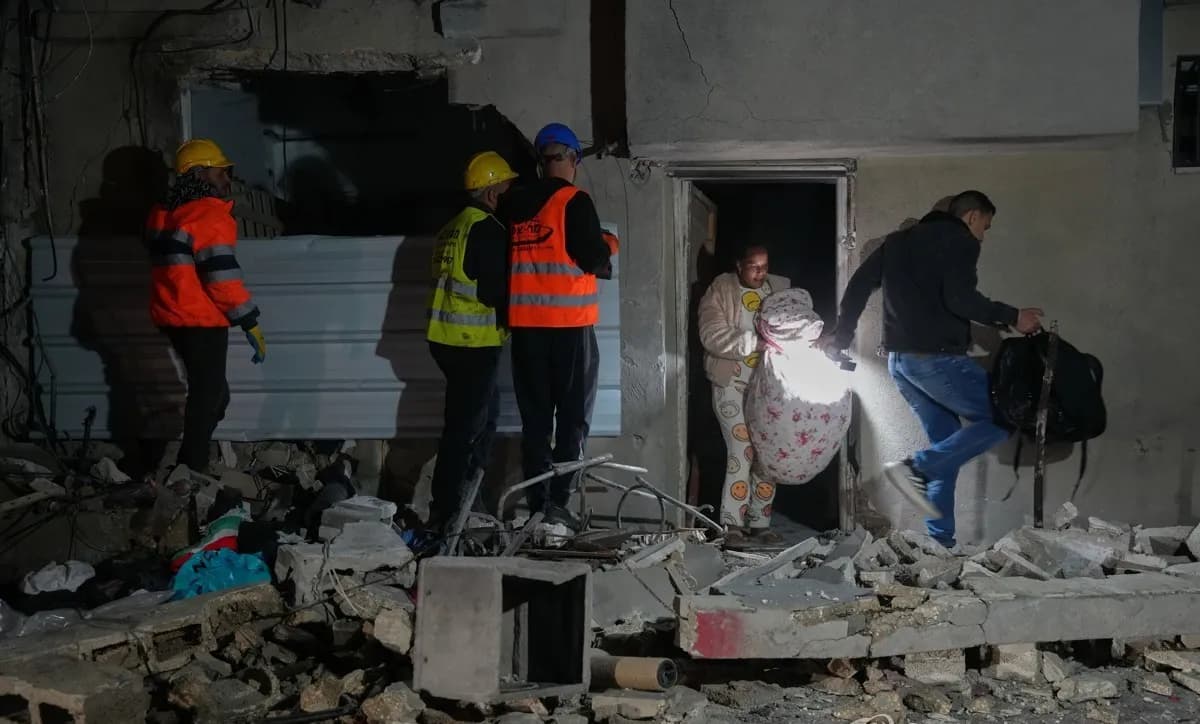
Middle East War Reaches One-Month Mark, Weekend Critical for Talks or Ground War
Middle East war from US-Israel-Iran strikes enters 27th day

ASEAN Summit to Proceed in Philippines in May Despite Middle East Conflict, Scale Reduced
ASEAN summit confirmed for May in Philippines despite prolonged Middle East conflict

Court Suspends Detention of Unification Church Leader Han Hak-ja, Temporary Release Until Next Month 30th
Court decides to suspend detention of Unification Church leader Han Hak-ja

People Power Party Strongly Criticizes President Lee's Cheonan Ship Remarks
People Power Party strongly criticizes President Lee Jae-myung's Cheonan-related remarks

Malaysia-Indonesia Leaders Hold Emergency Talks on Middle East War Response
Malaysian PM Anwar and Indonesian President Prabowo held emergency talks in Jakarta

Tiger Woods Arrested for DUI Just 3 Days After Comeback—Fourth Vehicle-Related Incident
Tiger Woods arrested for DUI just 3 days after comeback

UK University Meningitis Outbreak: Worst Over but Concerns Remain About Recurrence
UK university meningococcal outbreak worst appears over, but cause remains unclear

Yen/Dollar Rate Breaks Through 160 Yen for First Time in 1 Year 8 Months Amid US-Iran War
Yen/dollar rate breaks through 160 yen for first time in 1 year 8 months amid US-Iran war