Artemis 2 Attempts to Recreate Apollo 8's Iconic 'Earthrise' Photo After 57 Years
Modern astronauts aim to capture Earth rising above the lunar horizon, echoing a legendary 1968 moment
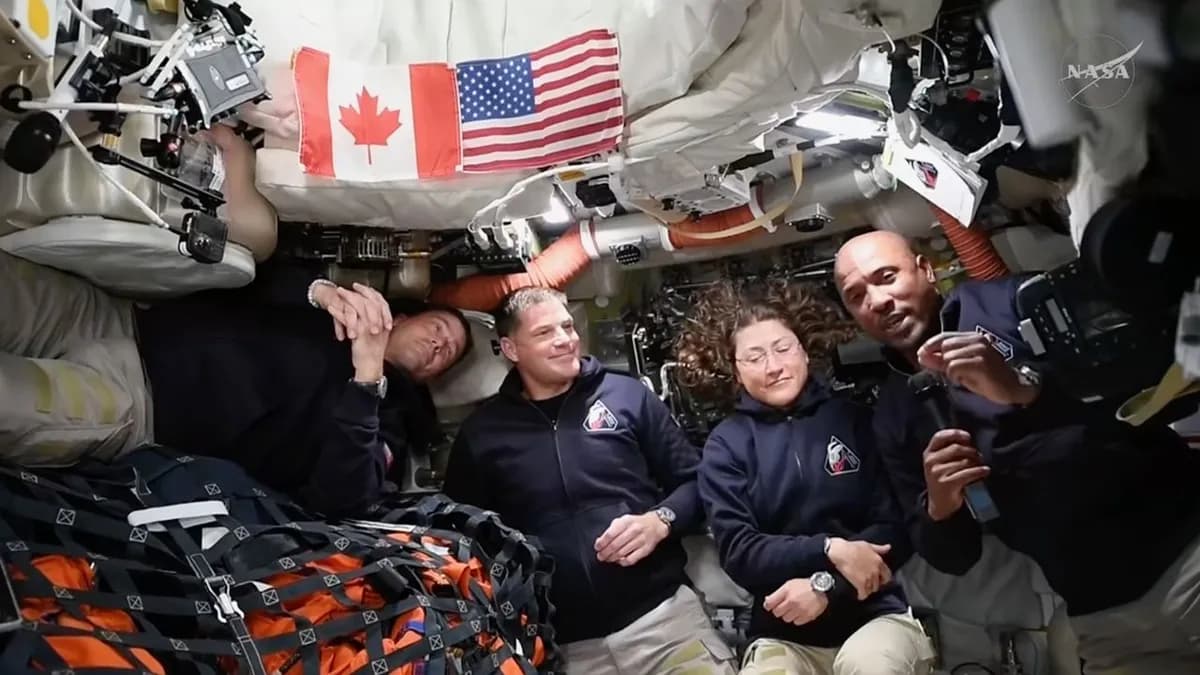
- •Artemis 2 astronauts attempt to recreate the iconic 1968 Earthrise photo during their April 6 lunar flyby.
- •The planned shoot contrasts sharply with Apollo 8's unscripted, accidental capture of the legendary image.
- •A new Earthrise photo could become a unifying cultural symbol amid today's global challenges.
Earth Rising Again Beyond the Moon
On Christmas Eve 1968, one of the most famous photographs in human history was born in the vastness of space. NASA's Apollo 8 crew captured 'Earthrise'—the blue Earth rising above the barren lunar surface—an image that still resonates 57 years later.
On April 6, 2026, the crew of Artemis 2 sets out to recreate that historic moment during their lunar flyby.
A Planned Miracle, and One That Wasn't
Apollo 8's Earthrise photograph was entirely accidental. Lunar Module Pilot Bill Anders spotted Earth rising above the lunar horizon during the mission's fourth orbit. "Oh my god, look at that picture over there! There's Earth coming up. Wow, is that pretty!" his exclamation, preserved in mission transcripts, captures the wonder of humanity's first glimpse of its own planet from beyond.
Armed with a Hasselblad camera with a 250mm telephoto lens but only black-and-white film loaded, Anders quickly swapped film with Jim Lovell and shifted to a different hatch window to take the shot. Even Mission Commander Frank Borman's joking protest—"don't take that, it's not scheduled"—couldn't stop the moment.
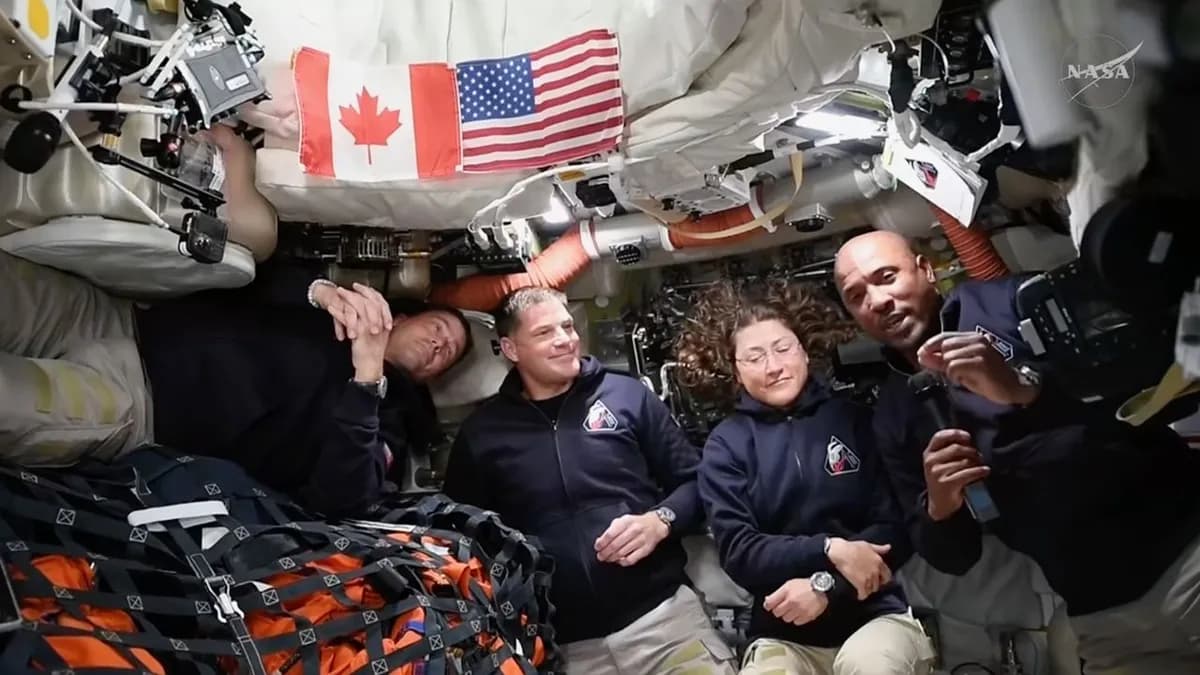
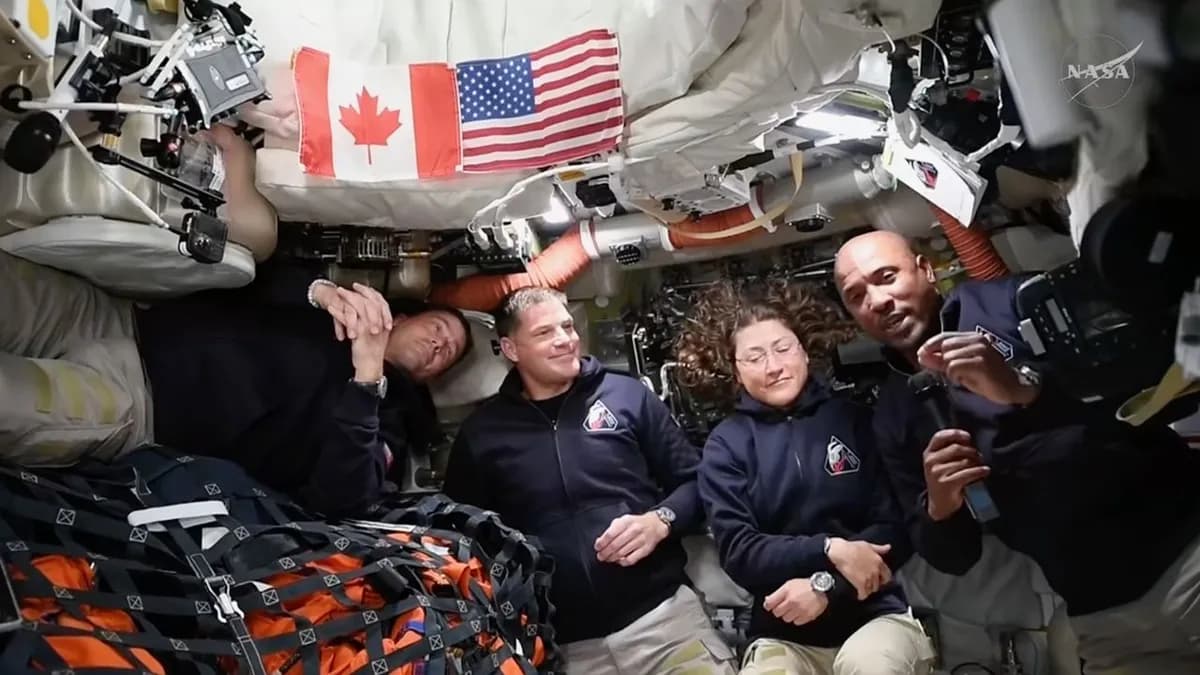
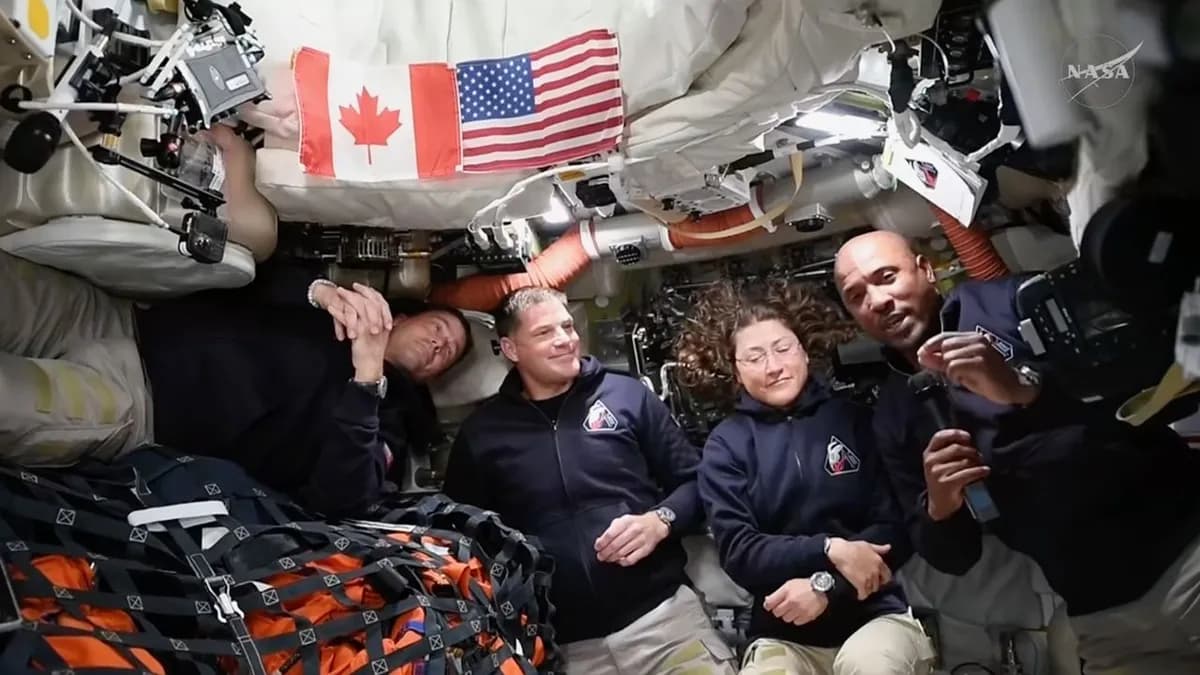
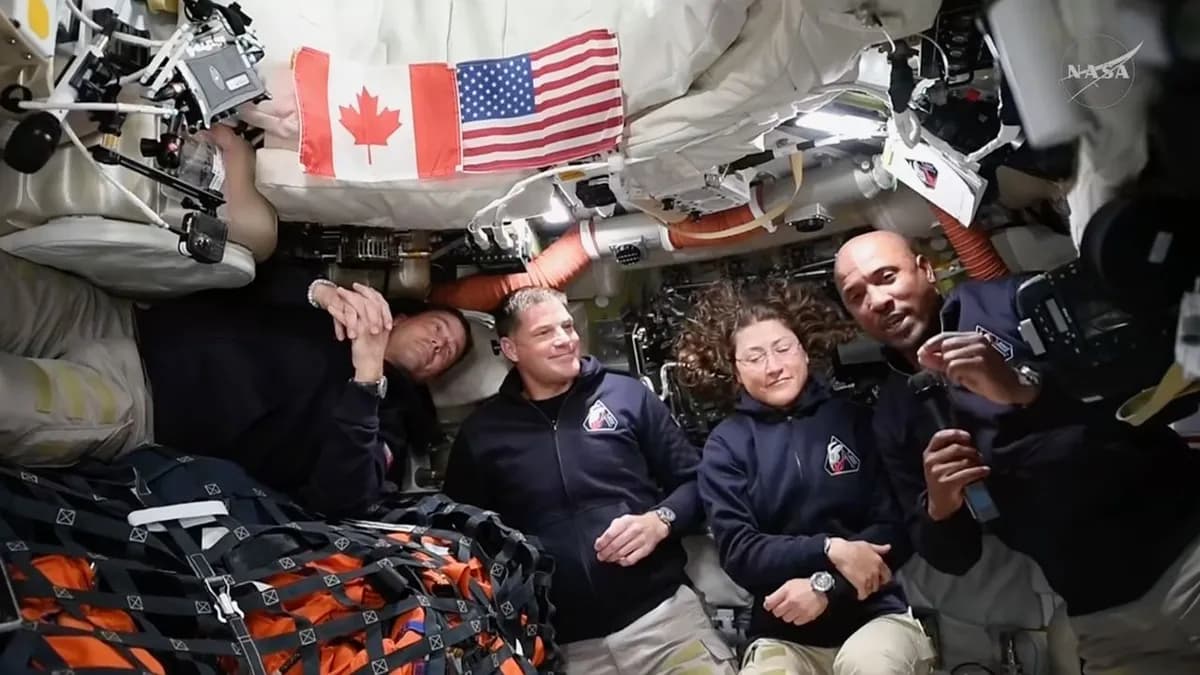
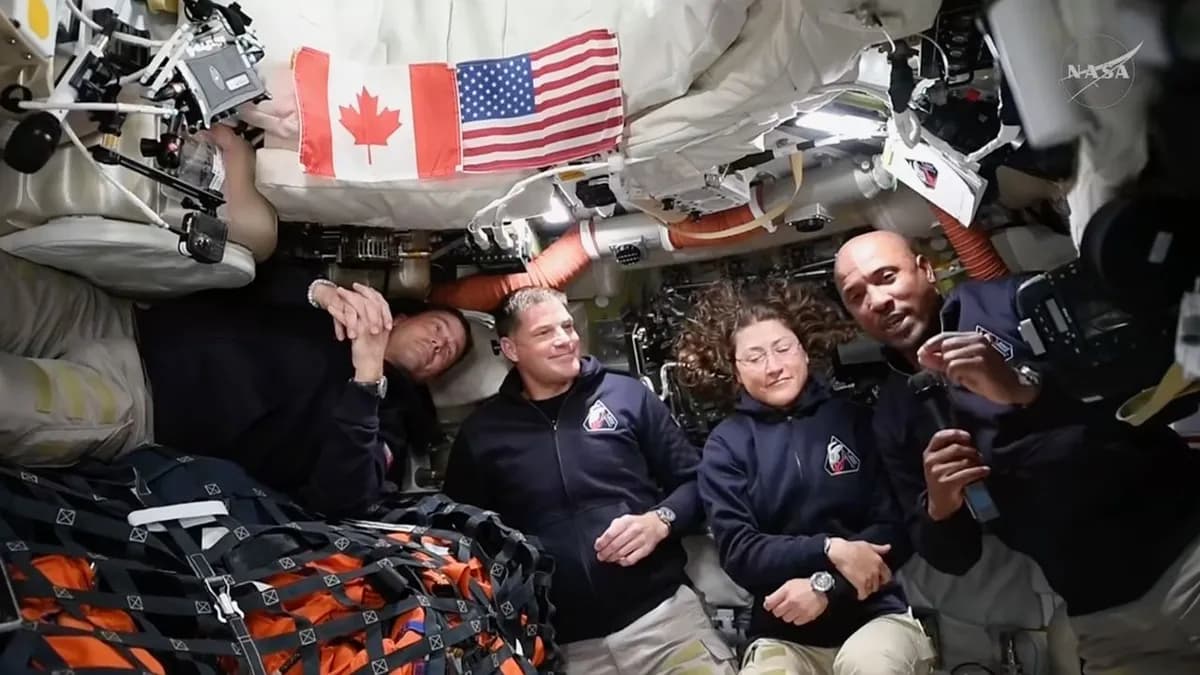
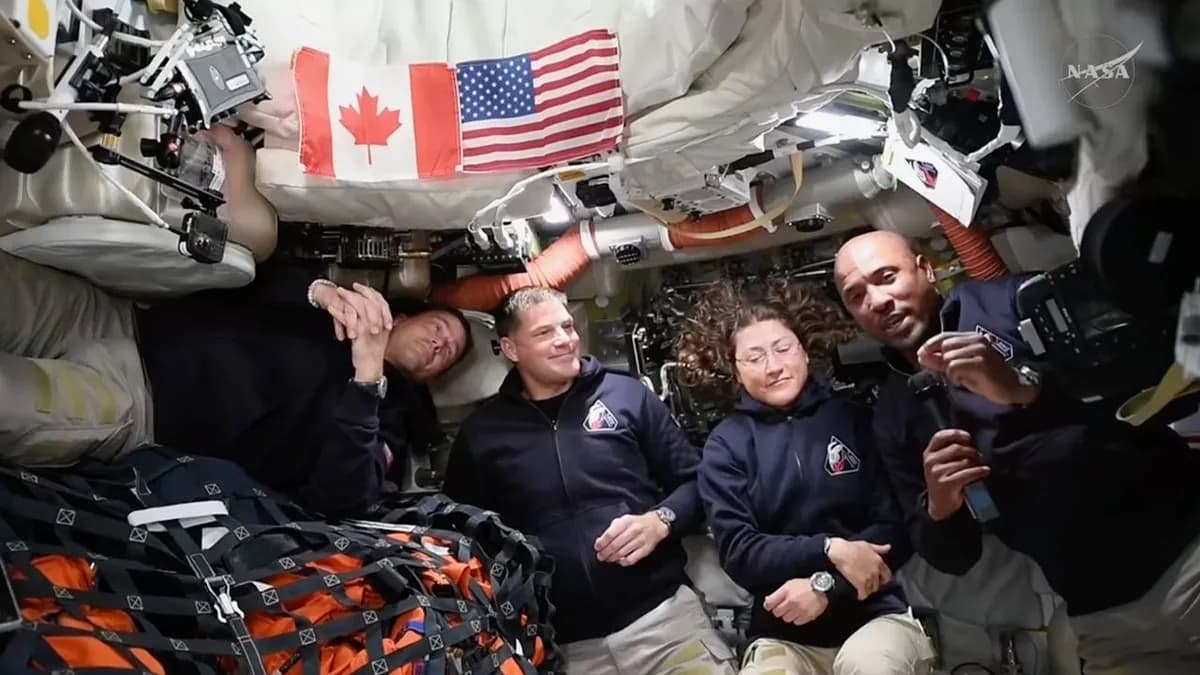
For Artemis 2, the Earthrise shot is very much on the schedule. Crew members Reid Wiseman, Victor Glover, and Christina Koch of NASA, along with Jeremy Hansen of the Canadian Space Agency (CSA), plan to capture not only Earthrise but also 'Earthset'—the moment Earth slips behind the lunar limb. They'll have only minutes to capture both scenes before beginning their 45-minute journey around the far side.
Same Dream, Different Conditions
Artemis 2's Orion capsule, named Integrity, will fly at altitudes ranging from approximately 6,430 to 9,650 kilometers above the lunar surface—up to 100 times higher than Apollo 8's 97-kilometer orbit. This dramatically changes the relative scale of the lunar surface and Earth in the frame.
The cameras differ as well. Instead of Hasselblad film cameras, Artemis 2 astronauts will use digital Nikon D5 cameras with vastly superior resolution and exposure control. A key variable remains lunar surface illumination: Anders photographed Earth rising over a sun-bathed lunar surface, while conditions may differ considerably for Artemis 2.
Why One Photo Changed the World
Earthrise was more than a photograph. Taken in 1968 amid deep U.S. involvement in the Vietnam War and the early stirrings of environmental consciousness, it became a symbol for both anti-war and pro-environment movements. The lone blue marble glowing in cold, dark space made viscerally clear how fragile and precious our planet truly is. The image is widely credited with helping inspire the first Earth Day in 1970.
Looking Ahead [AI Analysis]
Artemis 2's attempt to recreate Earthrise is likely to carry significance beyond nostalgia. In the mid-2020s—an era defined by climate crisis, geopolitical tensions, and the AI revolution—a new Earthrise image could serve as a cultural catalyst, much as the original did, reminding humanity of shared vulnerability and the need for solidarity.
Technologically, the Artemis program is the foundation for planned lunar bases in the 2030s and eventual Mars exploration. A successful Artemis 2 mission would solidify the blueprint for subsequent flights. The photographs captured during this journey are likely to become defining records of that historic path.
From Anders' accidental shutter press in 1968 to Artemis 2's deliberate recreation in 2026, both moments pose the same question: in this vast universe, how seriously do we take the fact that we all share one fragile planet?
댓글 (3)
Artemis에 대해 더 알고 싶어졌습니다. 후속 기사 부탁드립니다.
기사 잘 봤습니다. 다른 시각의 분석도 읽어보고 싶네요.
공감합니다. 참고하겠습니다.
More in Special



Latest News
DAY6's Wonpil Shatters His Own Record With 142,651 First-Week Sales for 'Unpiltered'
Wonpil's mini album 'Unpiltered' sold 142,651 copies in its first week.
'Perfect Crown' Tops Drama Buzz Charts Before Its Premiere
MBC's 'Perfect Crown' ranks No. 1 in drama buzz ahead of its premiere.
BTS Makes History: 'ARIRANG' Stays at No. 1 on Billboard 200 for Second Consecutive Week
BTS's 'ARIRANG' becomes the first Korean artist album to spend multiple weeks at No. 1 on the Billboard 200.
One Line on a Whiteboard: 'Don't Hit It to Adell'
Jo Adell robbed three Mariners home runs in one of baseball's greatest defensive games.
Astros Ace Hunter Brown Lands on IL with Right Shoulder Strain
Astros ace Hunter Brown is placed on the 15-day IL with a shoulder strain.
Adell's Triple Robbery and Ohtani's Rainy-Day Gift Steal the MLB Weekend
Jo Adell robbed three home runs in one game, lifting the Angels to a 1-0 win.

'Recipe for Love' Hits New Turning Point as Kim Seung Soo and Kim Hyung Mook's Bond Deepens
Yang Dong Ik takes a knife meant for Gong Jeong Han in a dramatic scene.
Lego's New Educational Space Sets Teach Kids Physics Through Play
Lego launched four science education kits focused on space and polar themes.