Architecture immersed in the forest, terrain-adaptive design of Yevani Villa in the Czech Republic
A dual-structure residential space flowing along a slope, breaking down the boundaries between nature and architecture.

- •Yevani Villa in the Czech Republic is a house designed according to the topography of a spruce forest slope
- •It appears as a single-story structure from the road, but is characterized by a double-layered exterior that reveals a two-story structure in the garden.
- •A central staircase connects the day and night living areas and forms a visual axis to the forest landscape.
A house that follows the shape of the land
Jevany Villa, designed by Czech architectural studio Architektura, is attracting attention in the architectural world. This house is located on a sloping site in the middle of a spruce forest and was designed to take full advantage of the topographical characteristics of the site where the existing building was demolished.
When viewed from the road, it appears to be a single-story building, but from the garden side, a two-story open structure is revealed. This visual change is the result of a design that utilizes slopes. In particular, the parking space was placed on the roof to ensure accessibility from the road level while minimizing the presence of the building.
The beauty of space composition
The core of the building is the staircase space located in the center. The architects named this 'torso' and explained that this space connects the east and west wings. There is a daytime activity space in the west wing and a nighttime rest area in the east wing, so the daily flow lines are naturally separated.
The key concept of the design is the visual axis and sense of descent into the forest landscape. Sunlight filters through the huge wooden pillars, and the view of the lake surface below is naturally visible from inside.
A color language that embodies harmony with nature
Architects paid attention to the fact that green and red are complementary colors. The intention was for the building to become a part of the forest like an organism through a color plan that contrasts yet harmonizes with the green of the surrounding forest. In this place where deer and birds come and go, the building is positioned as a symbiotic entity rather than an intruder.
According to related industry reports, this project is evaluated as an exemplary example of terrain-adaptive architecture and is highly praised for meeting modern residential functions without damaging the natural landscape.
댓글 (2)
기사 잘 봤습니다. 다른 시각의 분석도 읽어보고 싶네요.
immersed에 대해 더 알고 싶어졌습니다. 후속 기사 부탁드립니다.
More in Culture & Art

39 world-renowned artists, including Brian Eno and Jen Goldin, join an auction to support humanitarianism in Palestine

Cinnamund Café, integrated into Barcelona's medieval architecture, a blend of history and modernity

Building a Refugee Shelter with Nomadic Weaving Techniques: An Architectural Experiment with Abir Seikali
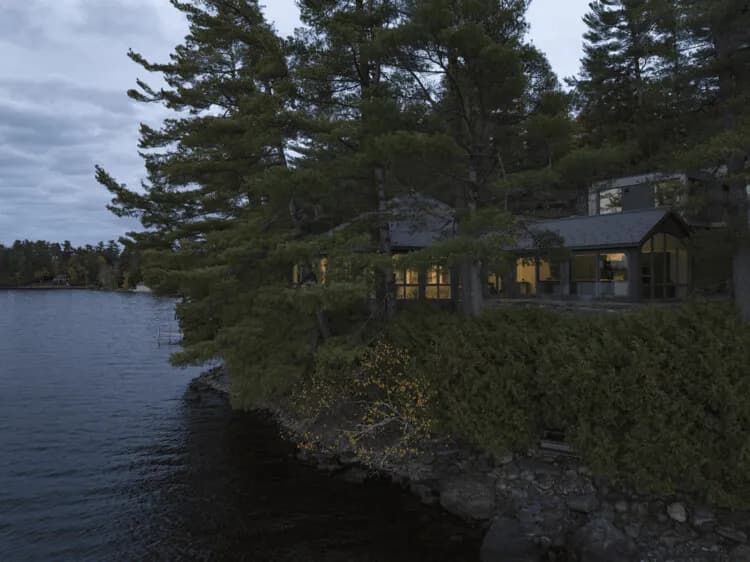
A small villa at the end of a lake is reborn as modern architecture.

Belgian fashion legends ‘Antwerp Six’ gather together for the first time in 40 years

WORKac transforms flood plains into ‘new possibilities for habitation’
Latest News
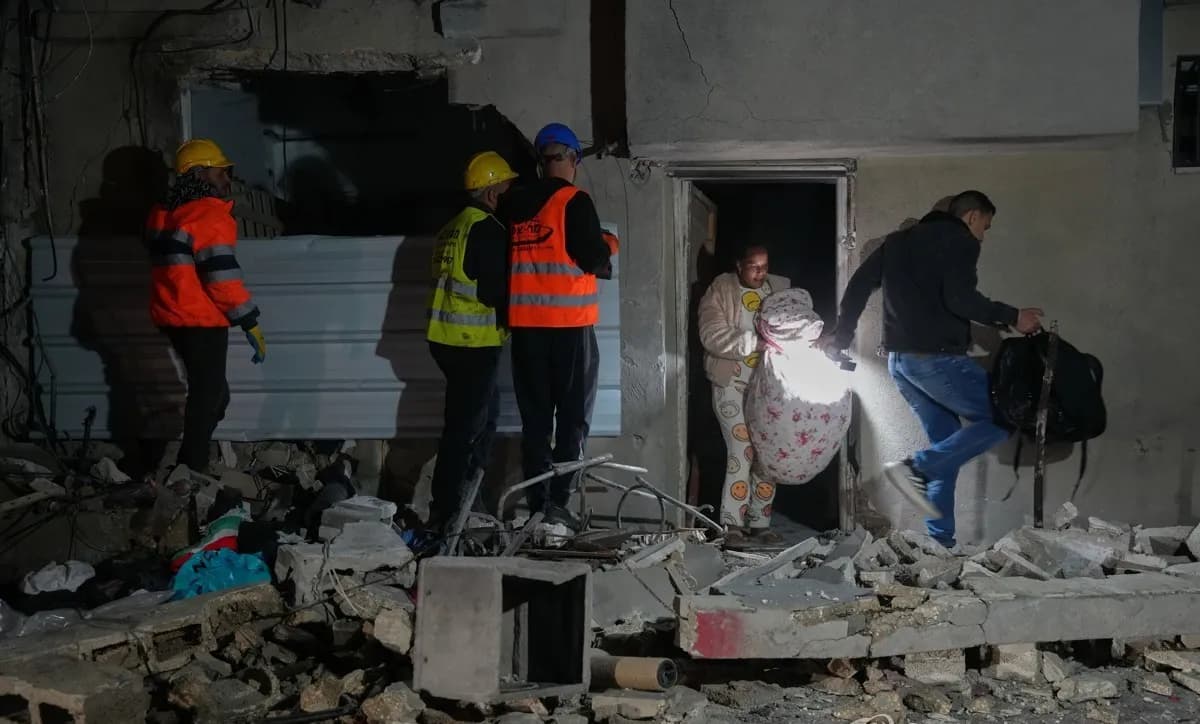
Middle East War Reaches One-Month Mark, Weekend Critical for Talks or Ground War
Middle East war from US-Israel-Iran strikes enters 27th day
ASEAN Summit to Proceed in Philippines in May Despite Middle East Conflict, Scale Reduced
ASEAN summit confirmed for May in Philippines despite prolonged Middle East conflict

Court Suspends Detention of Unification Church Leader Han Hak-ja, Temporary Release Until Next Month 30th
Court decides to suspend detention of Unification Church leader Han Hak-ja

People Power Party Strongly Criticizes President Lee's Cheonan Ship Remarks
People Power Party strongly criticizes President Lee Jae-myung's Cheonan-related remarks

Malaysia-Indonesia Leaders Hold Emergency Talks on Middle East War Response
Malaysian PM Anwar and Indonesian President Prabowo held emergency talks in Jakarta

Tiger Woods Arrested for DUI Just 3 Days After Comeback—Fourth Vehicle-Related Incident
Tiger Woods arrested for DUI just 3 days after comeback

UK University Meningitis Outbreak: Worst Over but Concerns Remain About Recurrence
UK university meningococcal outbreak worst appears over, but cause remains unclear

Yen/Dollar Rate Breaks Through 160 Yen for First Time in 1 Year 8 Months Amid US-Iran War
Yen/dollar rate breaks through 160 yen for first time in 1 year 8 months amid US-Iran war