A new model for urban regeneration in China: residential complexes transform into art ecosystems
Transformation into a community asset by connecting three spaces: exhibition, cafe, and studio
- •Three idle spaces in a residential complex in China have been converted into an art center, cafe, and studio
- •A community art ecosystem was established by connecting exhibition-social-creation functions
- •Focusing on rediscovering the public value of existing buildings as a new model for urban regeneration
An art ecosystem blooming within a residential complex
As China's urban development paradigm shifts from new construction to recycling of existing space, a notable experiment is underway in a residential complex completed in 2021. This project, led by architectural design studio MINOR lab, transformed three idle spaces in the complex into art infrastructure, creating a place for creation and exchange in the daily lives of residents.
The core of the project is the conversion of an existing annex building into a community arts center, an adjacent area into a community cafe, and a standard residential unit into an artist studio. Although these three spaces are physically separated, they form an organic network through the functional link of ‘exhibition-socialization-creation’.
Why is this project important?
According to related industry reports, as China's urban development policy has clearly shifted from 'increasing construction' to 'stock renewal', how to rediscover the public value of existing buildings has emerged as a key agenda. As one of the solutions, this project presents a practical model for converting idle space in a residential complex into a community asset.
What is particularly noteworthy is the nature of space. Rather than simply 'placing' cultural facilities, we designed a structure that naturally blends into the residents' movement and lifestyle patterns. The experiences of meeting neighbors at a cafe, viewing an exhibition at an art center, and witnessing the creative process in a studio are all connected in one flow.
The intersection of urban regeneration and community art
These attempts are in line with the global urban regeneration trend. As the 'creative city' discourse, which began in Europe and North America in the 1990s, has spread to Asia, the practice of promoting creative activities within existing urban structures instead of building large-scale landmarks has received attention. In particular, as the concept of '15-minute city' emerged after the pandemic in the 2020s, the importance of neighborhood cultural facilities that can provide culture and leisure near residential areas has increased.
Minor Lab's project is meaningful in that it applies this trend to a new complex. While most urban regeneration targets older areas, this case shows that public use of space can be designed from the ground up even in relatively new residential complexes.
Potential of a community-based art space [AI analysis]
The implications of this project are not limited to simply architectural achievements. As China's real estate market matures in the future, it is highly likely that new sales complexes will introduce similar community cultural infrastructure as a differentiation strategy. Beyond simple amenities, the ‘cultural identity’ of a residence can emerge as a factor in determining real estate value.
Additionally, the placement of the artist residency within a residential complex is also an experiment in resetting the relationship between creators and the local community. When the studio functions as an open space with daily contact with residents rather than an isolated creative space, the boundary between art and life has the potential to become more flexible.
댓글 (2)
new에 대해 더 알고 싶어졌습니다. 후속 기사 부탁드립니다.
기사 잘 봤습니다. 다른 시각의 분석도 읽어보고 싶네요.
More in Culture & Art
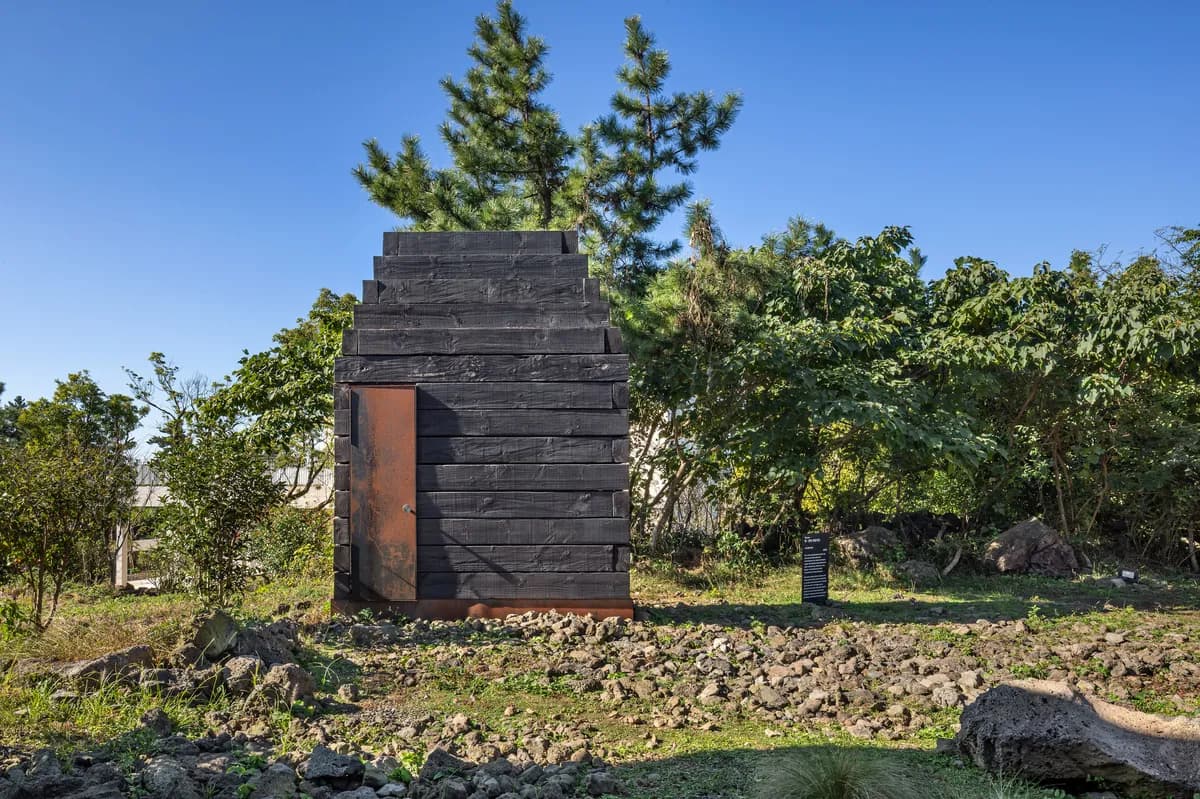
Jeju’s light-filled architecture, ‘Light Pavilion’ unveiled
An architectural experiment in Peru's 'Trama House', a house with concrete beams penetrating through it.
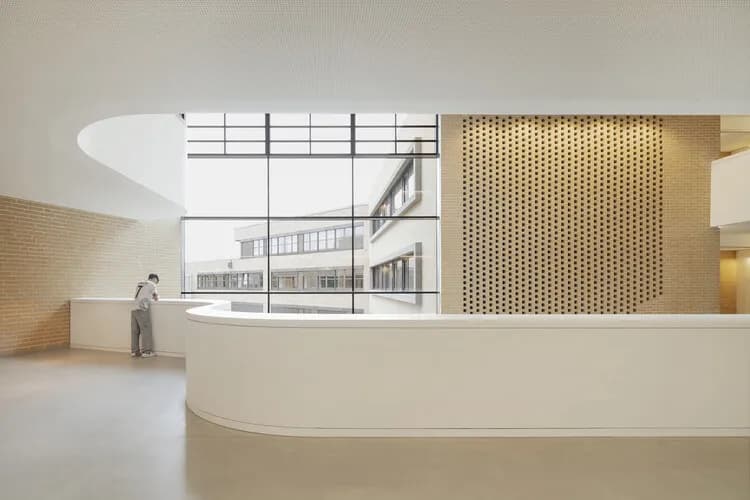
Regensburg, Germany, completes modern extension to 40-year-old vocational school
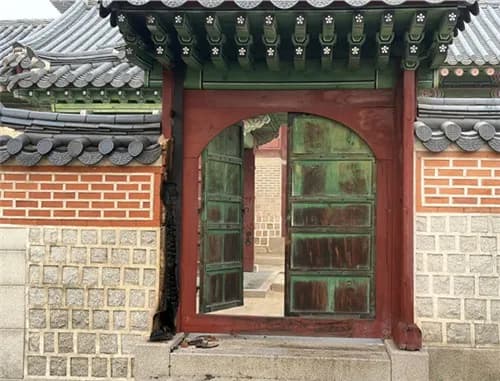
Gyeongbokgung Palace fire in the early morning, part of the side gate near Sambimun is destroyed... Investigating the cause
‘Cabin on the Valley’, a three-generation family home nestled in a Czech national park.
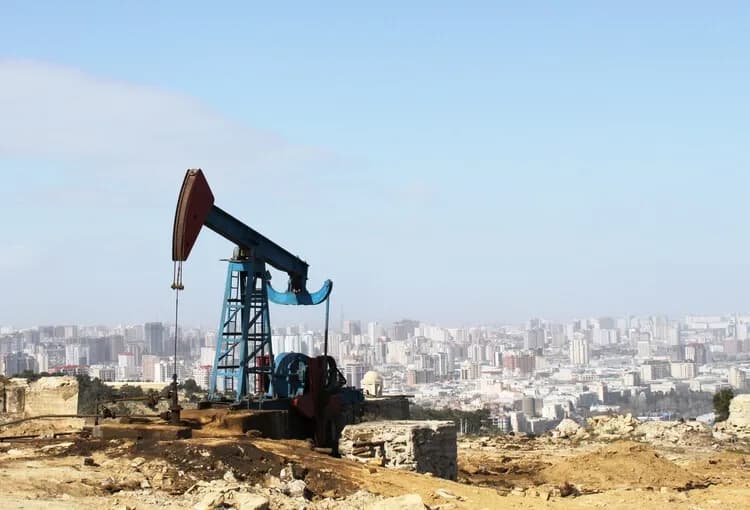
Oil designed the city: the politics of architecture that began beneath the ground.
Latest News
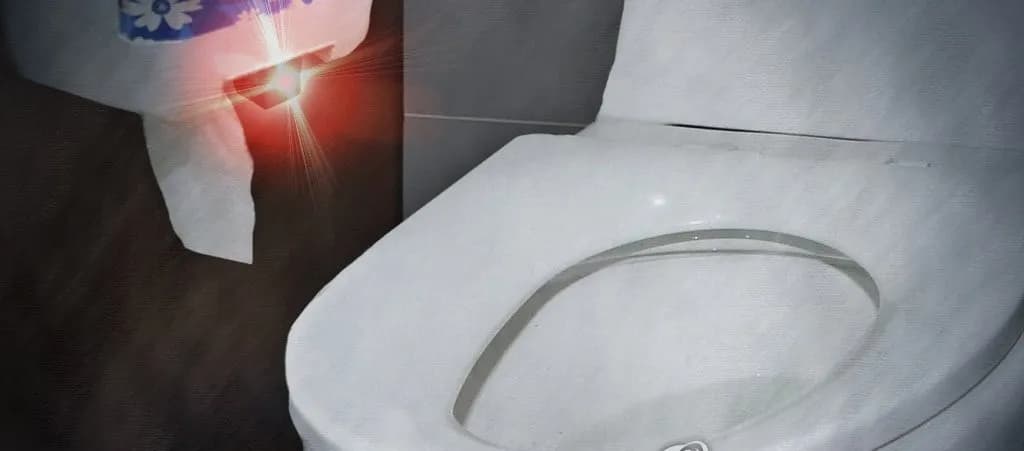
Chungbuk Education Office Official Faces Arrest Warrant for Illegal Filming in Restaurant Restroom
Police request arrest warrant for Chungbuk Education Office supervisor who installed illegal camera in restaurant public restroom
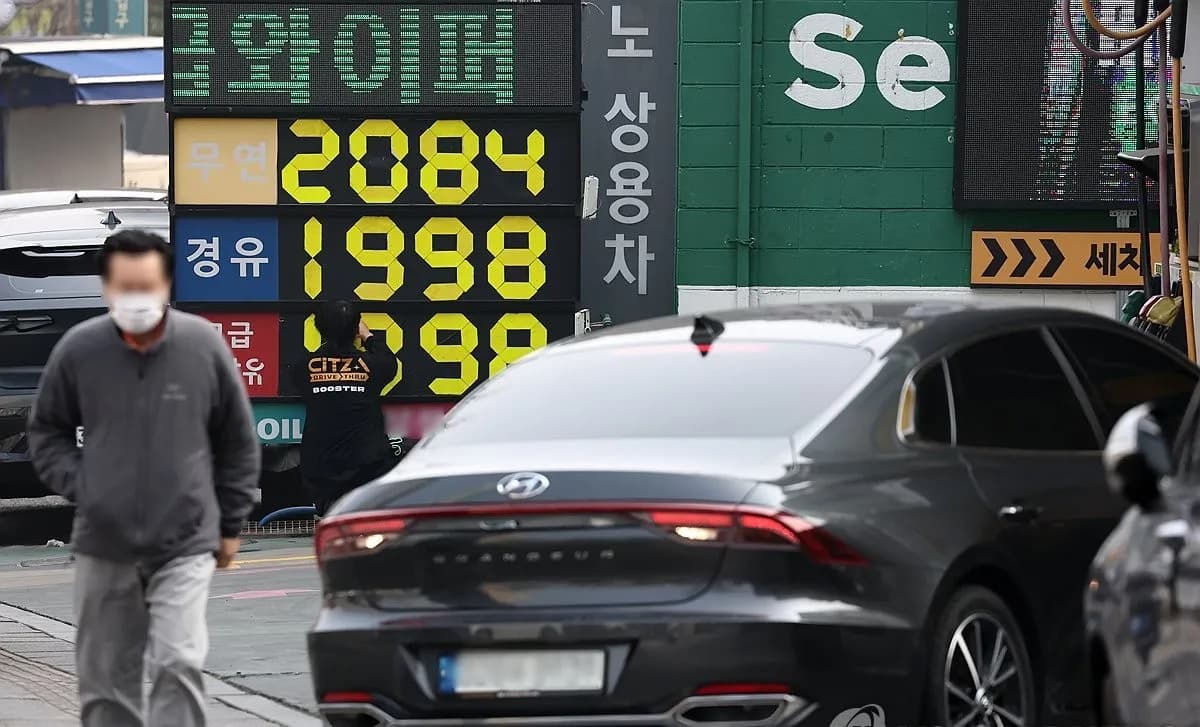
KDB and KEXIM Hold Emergency Meeting on Energy Crisis…Financial Support for KNOC Under Review
KDB and KEXIM held emergency meeting to respond to energy crisis amid Middle East tensions

Car Strikes Multiple Pedestrians in Derby City Centre, One Arrested
Vehicle struck multiple pedestrians in Derby city centre at approximately 21:30 on Saturday evening

Scotland Suffer Shock Defeat to Japan Ahead of World Cup Return
Scotland rugby team suffers defeat to Japan with poor performance ahead of World Cup
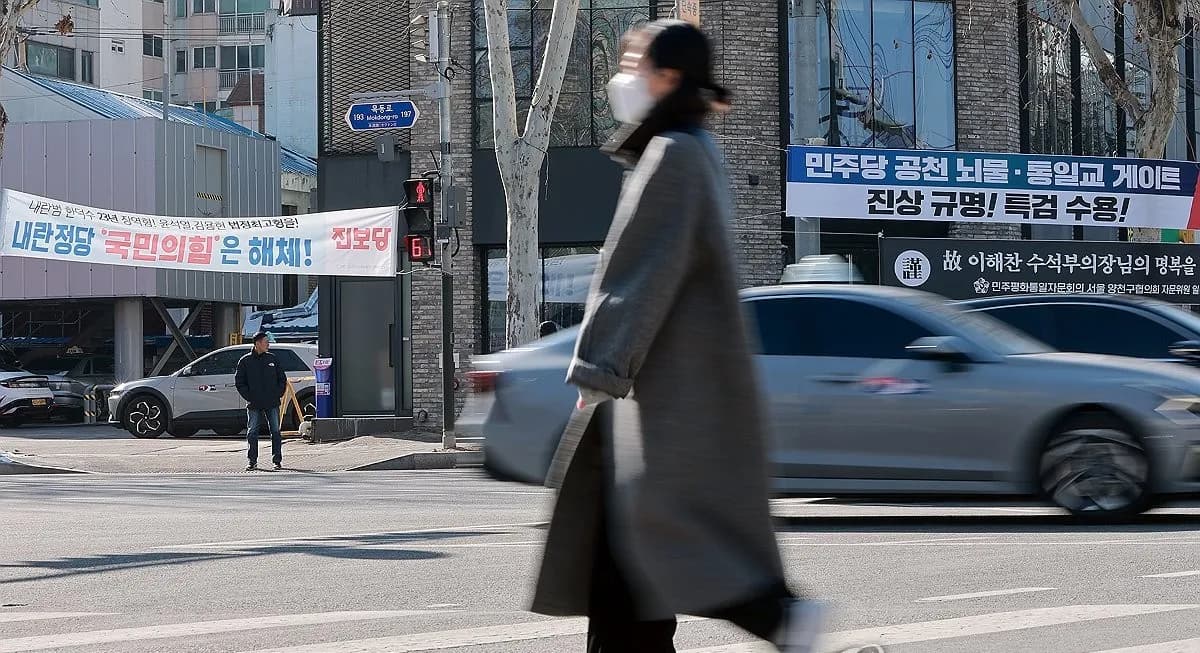
Election Banner Crisis Looms as Middle East Naphtha Shortage Hits Minor Parties
Middle East crisis causes naphtha supply disruption, threatens election banner cost explosion
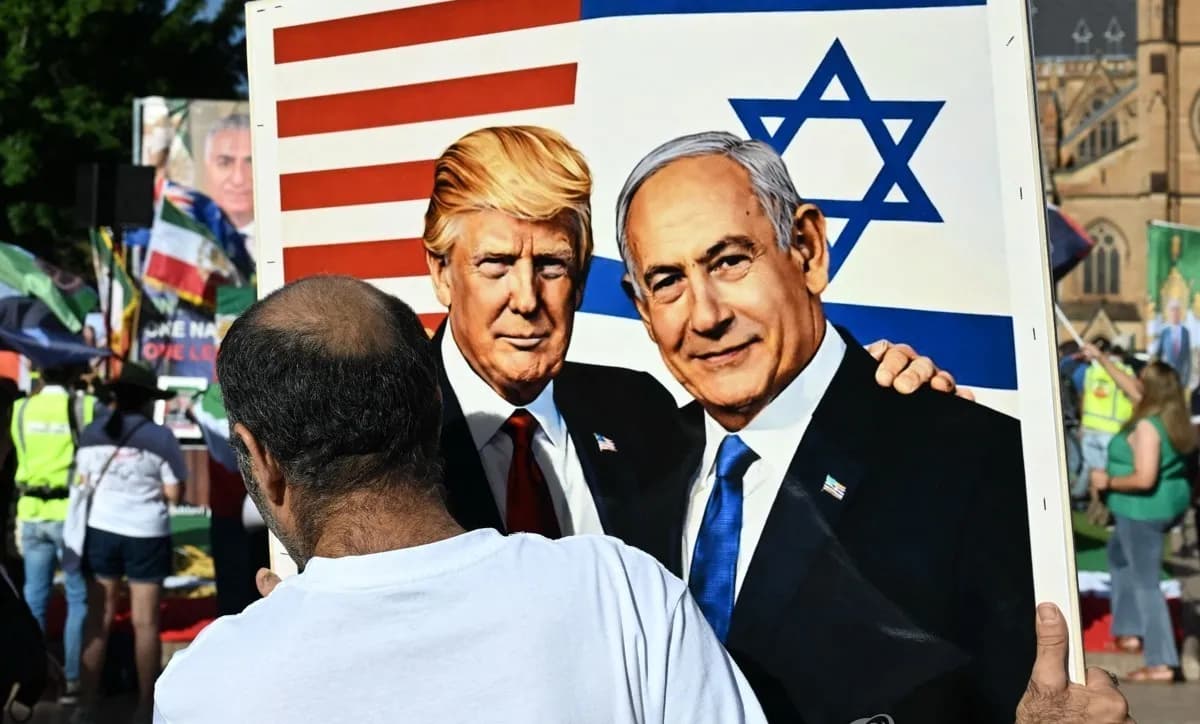
Iran Crisis Fuels Market Volatility Amid Oil Price Concerns
Global and domestic markets face volatility from Iran-triggered oil crisis
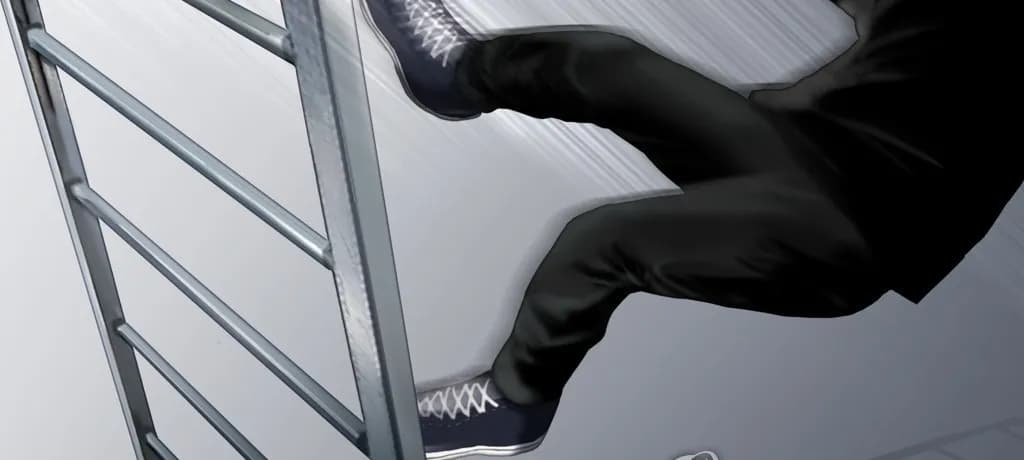
4 out of 10 Industrial Deaths Due to Falls...Over 200 Workers Die Annually from Workplace Falls
4 out of 10 industrial deaths are caused by fall accidents
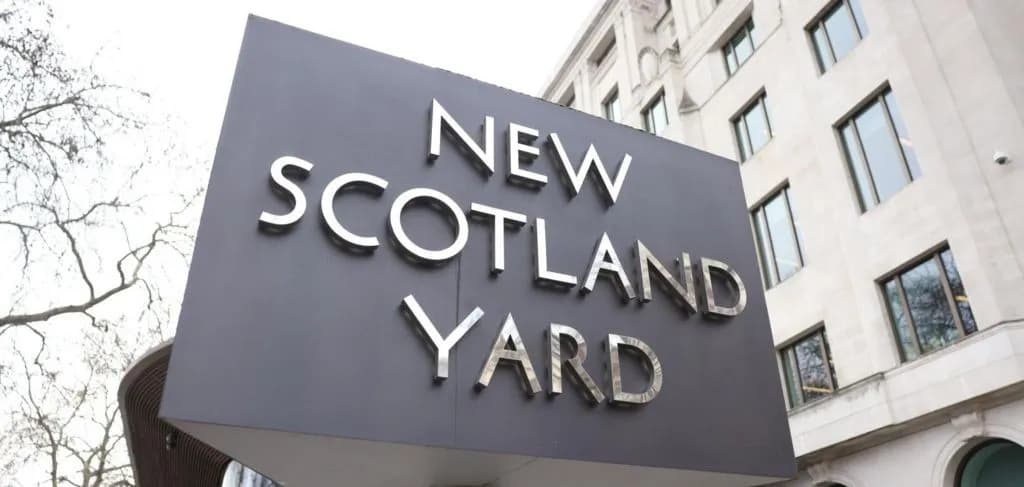
18 Arrested at Palestine Support Protest Outside London Police Headquarters
18 arrested at pro-Palestine protest outside London police headquarters