Google Gemini is equipped with 'Lyria 3', which creates music with text and images
The latest music creation model capable of creating 30-second tracks, officially integrated into the Gemini app

- •Google DeepMind has installed the latest music creation model, Lyria 3, into the Gemini app.
- •You can create a 30-second music track just by entering text or images.
- •The competition for multimodal functions of AI assistants is expected to expand into the audio area.
Key takeaway: Add music creation functionality to the Gemini app
Google DeepMind has installed the latest music creation model 'Lyria 3' into its AI assistant Gemini app. This allows users to create 30-second music tracks using only text prompts or images.
Lyria 3 is the most advanced music creation model developed by Google DeepMind, and is designed to allow anyone to create their own music without any musical knowledge or composition experience. If you describe the desired mood or genre in text or upload an image, AI will automatically compose music that matches the emotion of the image.
Why It Matters: Multimodal Scaling of Generative AI
This update is an example showing that generative AI is expanding beyond text and images into the audio area. The existing Gemini has shown strengths in text generation, image analysis, and code writing, but the addition of the music creation function has greatly expanded its range of use as a creative tool.
In particular, it is expected to accelerate the democratization of creation in that even ordinary users without professional music production software (DAW) or the ability to play musical instruments can create music with just their ideas. Content creators, social media users, video producers, etc. can easily create background music (BGM).
Comparison of Competitive Landscape: AI Music Generation Market Status
| service | Developer | maximum creation length | Input method | Platform integration |
|---|---|---|---|---|
| Lyria 3 (Gemini) | Google DeepMind | 30 seconds | text, image | Gemini App |
| Suno | Suno AI | Up to 4 minutes | text | Web, API |
| Udio | Udio | Up to 2 minutes | text | web |
| MusicLM | 20 seconds | text | experimental release | |
| Stable Audio | Stability AI | Up to 3 minutes | text | Web, API |
Lyria 3's 30-second time limit is shorter than that of competing services, but it is differentiated in terms of accessibility in that it is directly integrated into the Gemini app and can be used immediately without signing up for a separate service. Additionally, image-based music creation is a unique feature not provided by competing services such as Suno and Udio.
Lyria's development flow
Google DeepMind's music AI development began in earnest with the release of MusicLM in 2023. MusicLM is an early model for converting text into music, and was released on a limited basis for academic research purposes. Afterwards, the Lyria model was announced in 2024 and applied to 'Dream Track', an AI music experiment tool on the YouTube platform.
This Lyria 3 is the 3rd generation version of this technology and is the first to be officially installed in the Gemini app for general consumers. This means that Google has transitioned its AI music creation technology from the experimental stage to the public service stage.
[AI Analysis] Future prospects and implications
Lyria 3's Gemini integration is likely to impact the market in several ways.
First, competition for AI assistant functions is intensifying. Competitors such as OpenAI, Microsoft, and Meta also have greater incentives to integrate music creation functions into their AI platforms. In particular, OpenAI has recently made few public moves related to music AI after Jukebox, but competitive pressure is expected to increase.
Second, copyright and royalty issues are emerging. It is highly likely that issues of copyright attribution to AI-generated music and compensation for existing music used as learning data will be discussed in earnest. The music industry has already expressed concerns about AI learning, and the popularization of Lyria 3 could accelerate these debates.
Third, changes in the creator ecosystem. The 30-second limit is exactly in line with the demand for BGM for short-form content (Reels, TikTok, YouTube Shorts). Creators who previously used copyright-free music libraries or stock music services are likely to move to AI-generated music, and a reorganization of the related market is expected.
Currently, Google has not disclosed any further details, including Lyria 3's exact release region, pricing policy, and whether the music produced will be available for commercial use. There is also the possibility that creation length expansion and more detailed editing functions will be added through future updates.
댓글 (4)
기사 잘 봤습니다. 다른 시각의 분석도 읽어보고 싶네요.
공감합니다. 참고하겠습니다.
간결하면서도 핵심을 잘 정리한 기사네요.
is에 대해 더 알고 싶어졌습니다. 후속 기사 부탁드립니다.
More in this series
More in AI & Tech
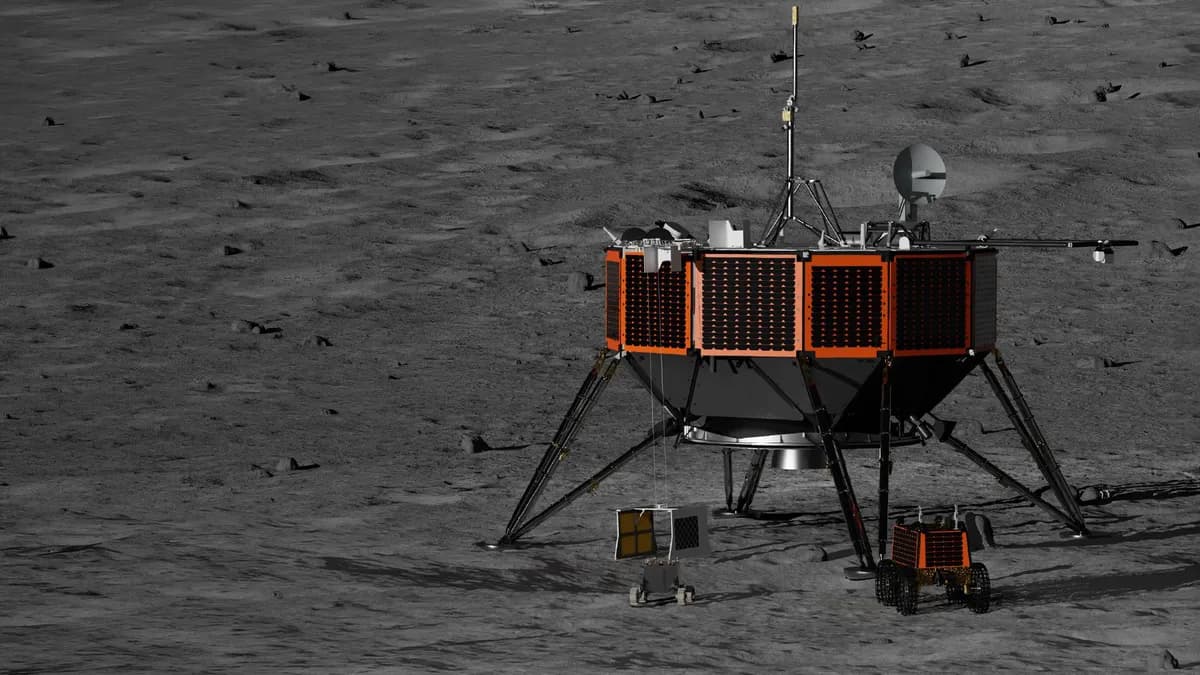
NASA awards $180 million contract to Intuitive Machines to explore lunar south pole

NASA-ISRO joint satellite NISAR captures first radar image of Mount Rainier

NASA-ISRO joint satellite NISAR captures St. Helens volcano through clouds

NASA plans to launch low-orbit experimental mission equipped with 7 small satellites

NASA Selects 10 Scientists to Support Artemis Lunar South Pole Exploration

NASA pursues private procurement of 'Nexus' Ka band relay service to replace aging satellites
Latest News

Oh Se-hoon: "I Would Choose 5th Term as Seoul Mayor Over Presidency"
Seoul Mayor Oh Se-hoon states he would choose 5th mayoral term over presidency

BTS' 'Arirang' Tops Billboard 200 Chart—Seventh No. 1 Album
BTS's new song 'Arirang' achieves No. 1 on U.S. Billboard 200 chart

Three Arrested in Paris After Attempted Bomb Attack Near Bank of America
Three suspects arrested after attempted bomb attack near Bank of America branch in Paris

Three Journalists Killed in Israeli Strike on Southern Lebanon, Hundreds Mourn in Beirut
Three journalists killed in Israeli targeted attack on southern Lebanon

Two Australian States Offer Free Public Transport as Iran War Drives Up Fuel Prices
Victoria and Tasmania implement free public transport in response to fuel price surge from Iran war fallout

Iranian Missile Strikes Israeli Industrial Zone—Major Fire and Hazardous Material Leak
Iranian ballistic missile directly hits southern Israeli industrial zone, causing major fire

Trump Shares Pastor's Letter Amid Month-Long Iran War: "Blessed Are the Peacemakers"
President Trump shares pastor's letter on one-month anniversary of Iran war

African Football Chief Resigns Amid Morocco-Senegal Final Controversy
CAF Secretary General Veron Mosengo-Omba resigns amid Morocco-Senegal final controversy