NASA Selects 10 Scientists to Support Artemis Lunar South Pole Exploration
An expert team was formed to collect rocks and deploy scientific equipment in humanity's first lunar mission to land at the South Pole.

- •NASA selected 10 scientists to support Artemis lunar south pole exploration
- •They establish key mission plans such as collecting moon rocks and deploying scientific equipment
- •This mission is part of establishing the foundation for manned exploration of Mars.
10 people selected for Artemis lunar surface science team
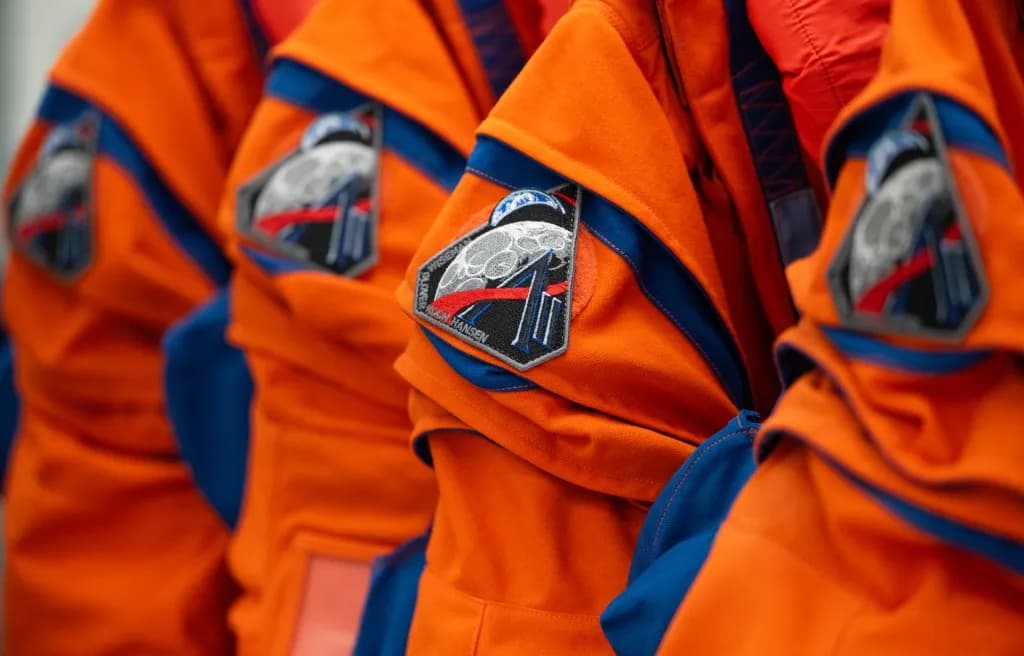
NASA has selected 10 participating scientists to support the Artemis program's exploration of the lunar surface. They will help astronauts establish scientific plans to be carried out on the lunar surface and are responsible for key tasks such as deploying scientific equipment, observing the landing site, and collecting moon rocks.
The list of selected scientists is as follows. Christine Bennett (Northern Arizona University), Alexandra Gauronska (Catholic University of America), Timothy Gloch (State University of New York at Stony Brook), Paul Hein (University of Colorado at Boulder), Erika Jarwin (Smithsonian Institution), Jeanette Luna (Tennessee Institute of Technology), Sabrina Martinez (NASA Johnson Space Center), Jamie Molaro (Planetary Science Institute), Hanna Sizemore (Planetary Science Institute), Catherine Weitz (Planetary Science Institute).
Scientific significance of lunar south pole exploration
This selection is a measure to maximize the scientific achievements of the Artemis program. “The selected scientists will bring their wealth of expertise to support astronauts on the lunar surface to achieve the mission’s science goals,” said Joel Kearns, associate administrator for the Exploration Directorate at NASA Headquarters.
On Artemis' first manned lunar mission, astronauts will land near the lunar south pole. This region is an extreme environment where dark craters with the potential for ice coexist with mountain peaks that are almost always illuminated by sunlight. Scientists will collect key data to address questions dating back to the Apollo era—including the history of lunar impacts and the location of shallow ice deposits.
The participating scientists join the first Artemis lunar surface science team led by Project Scientist Noah Petro at NASA's Goddard Space Flight Center and Deputy Project Scientist Pardee Boyd at NASA Headquarters. They support the Artemis geology team, led by Brett Deneby of the Johns Hopkins University Applied Physics Laboratory, and collaborate with the instrument deployment team and Artemis' internal science team.
A stepping stone toward Mars exploration
“The research these scientists will contribute before, during, and after missions will enable astronauts to make the most of every step they take on the lunar surface and learn as much as possible from this new era of human exploration,” said LaKisha Hawkins, acting associate administrator for NASA's Exploration Systems Development Directorate.
The procedures developed and verified by the science team on the first Artemis manned landing mission will become the scientific operational framework for future high-level missions to explore deeper into the lunar surface and subsurface. Through Artemis, NASA is pursuing the goals of scientific discovery on the Moon, generating economic benefits, and establishing the foundation for manned exploration of Mars.
댓글 (3)
NASA 관련 기사 잘 읽었습니다. 유익한 정보네요.
Selects에 대해 더 알고 싶어졌습니다. 후속 기사 부탁드립니다.
기사 잘 봤습니다. 다른 시각의 분석도 읽어보고 싶네요.
More in AI & Tech
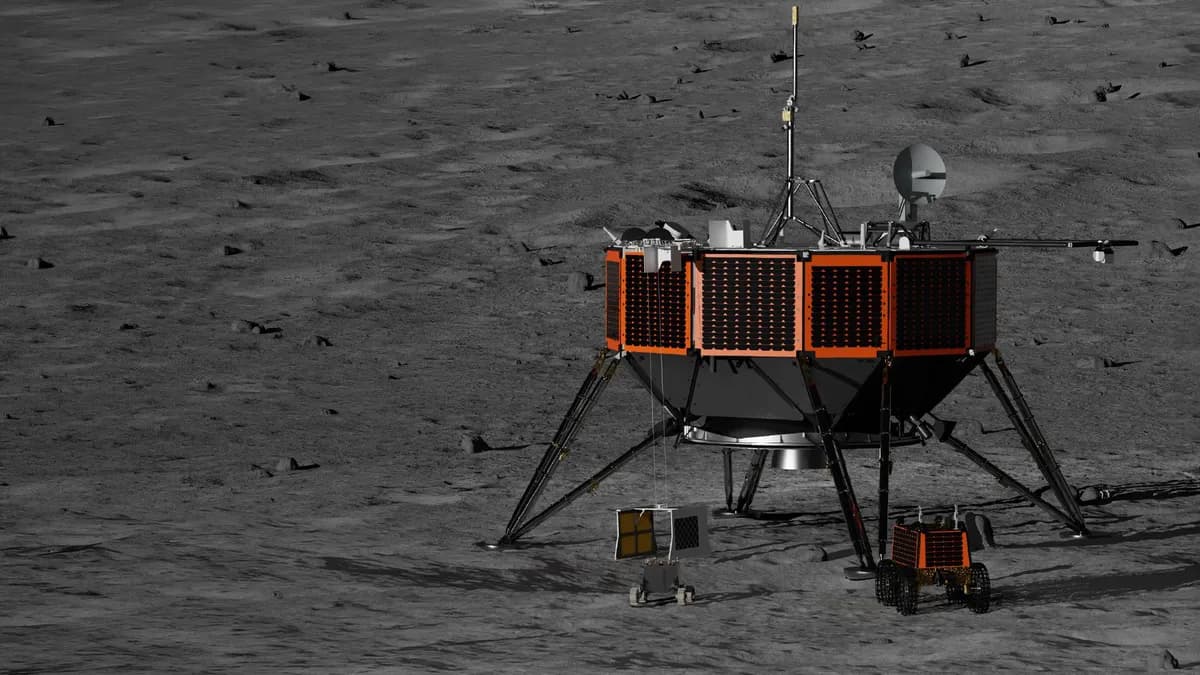
NASA awards $180 million contract to Intuitive Machines to explore lunar south pole

NASA-ISRO joint satellite NISAR captures first radar image of Mount Rainier

NASA-ISRO joint satellite NISAR captures St. Helens volcano through clouds

NASA plans to launch low-orbit experimental mission equipped with 7 small satellites
NASA pursues private procurement of 'Nexus' Ka band relay service to replace aging satellites

84-year-old Chinese grandmother writes love letter to AI character and even dreams of marriage
Latest News

Man in His 30s Arrested After Crashing into Streetlight While Driving Under Propofol
Man in his 30s crashes into streetlight while driving after illegally taking propofol

Goyang Sono's 10-Game Winning Streak Ends as DB's Ellenson Explodes for 38 Points
Wonju DB ends Goyang Sono's 10-game winning streak with Henry Ellenson's 38-point explosion

Yemen's Houthis Launch Missiles at Israel, Enter War as Red Sea Security Crisis Deepens
Yemen's Houthi rebels launched missiles at Israel on the 28th, directly entering the US-Iran war

Nepal's Ex-PM Oli Arrested Over Deadly Protest Crackdown
Nepal's former PM KP Sharma Oli arrested over deadly protest crackdown

Iranian Missiles Breach Israeli Air Defense, Strike Southern Cities Dimona and Arad
Iranian ballistic missiles penetrated Israeli multi-layered air defense, striking southern cities Dimona and Arad

Mastermind of 'Revenge-for-Hire' Ring Faces Arrest Warrant Over Feces Terror Attacks
Mastermind of revenge-for-hire ring faces arrest hearing over orchestrating excrement attacks and graffiti

BBC Investigation Uncovers Error in Dopamine Agonist Drug Warnings... UK Authorities Launch Review
BBC investigation discovers critical error in patient leaflets for dopamine agonist drugs

Israel Activates Air Defense as Houthi Rebels Launch Missile from Yemen
Israeli military detects Houthi rebel missile launch from Yemen on the 28th and activates air defense