NASA completes sound and vibration tests before launch of next-generation 'Roman Space Telescope'
$4 billion telescope boasting 100 times the field of view of Hubble scheduled for launch in fall 2026

- •NASA completes 138-decibel acoustic and high-intensity vibration test of Roman Space Telescope
- •It is a $4 billion project with a field of view 100 times that of Hubble and the ability to directly observe exoplanets
- •It is scheduled for launch in the fall of 2026 and will carry out various missions such as dark matter and exoplanet exploration.
Withstand 138 decibel sound bombardment
The National Aeronautics and Space Administration (NASA) announced that it has completed environmental testing for the next-generation space telescope, the Nancy Grace Roman Space Telescope. Engineers at Goddard Space Flight Center (GSFC) in Maryland placed the Roman Telescope in an acoustic test chamber this month and bombarded it with sound waves of up to 138 decibels. This is equivalent to the noise made by a jet engine at a distance of about 30 meters.
Cory Powell, director of structural analysis at the Goddard Center, explained, “The load you feel through your body during a concert with extremely loud bass sounds is acoustic energy,” and added, “The sound generated during a launch can put a very high load on a huge structure like the Roman.”
In addition to acoustic testing, engineers placed the telescope on a 'shaker table' to replicate the high-intensity vibrations it would experience during launch. Through this, we verified whether the telescope body and on-board equipment could fully operate after takeoff.
$4 billion project, why do we need such rigorous testing?
The estimated cost of the Roman Space Telescope exceeds $4 billion (about 5.5 trillion won). Because a single launch failure can lead to astronomical losses, NASA is putting special effort into extreme environment testing. The released photo is a rare record showing the rigorous verification process that space exploration equipment undergoes before launch.
The Roman Telescope is equipped with the same 2.4-meter (8-foot) primary mirror as the Hubble Space Telescope, but its viewing angle is 100 times that of Hubble. By installing a coronagraph here, you can block the light of distant stars and directly observe extrasolar planets orbiting them.
Once operational, the Roman Telescope is expected to perform a variety of missions, including mapping the large-scale structure of the universe, measuring dark energy and dark matter, detecting distant black holes, and discovering tens of thousands of exoplanets. NASA is currently targeting launch in the fall of 2026 if all goes according to schedule.
댓글 (5)
이런 긍정적인 뉴스가 더 많았으면 좋겠습니다.
관계자분들의 노력에 박수를 보냅니다.
저도 정말 기쁜 소식이라고 생각합니다!
sound 소식 반갑습니다. 앞으로가 더 기대됩니다.
저도 정말 기쁜 소식이라고 생각합니다!
More in Life

Artemis 2 astronauts arrive at Kennedy Space Center... The first manned lunar exploration in 52 years is imminent.

NASA Artemis 2 scheduled to launch into lunar orbit on April 1

Burger King launches ‘Peppercorn BLT Whopper’ created with fan idea

NASA unveils 'Blue Marble' award categories in environment and energy fields

Soothe yourself with LEGO while waiting for Star Wars Ahsoka Season 2, now 20% off

Can humans give birth to babies in space? Science Reveals Unexpected Challenges
Latest News

Middle East War Reaches One-Month Mark, Weekend Critical for Talks or Ground War
Middle East war from US-Israel-Iran strikes enters 27th day

ASEAN Summit to Proceed in Philippines in May Despite Middle East Conflict, Scale Reduced
ASEAN summit confirmed for May in Philippines despite prolonged Middle East conflict

Court Suspends Detention of Unification Church Leader Han Hak-ja, Temporary Release Until Next Month 30th
Court decides to suspend detention of Unification Church leader Han Hak-ja

People Power Party Strongly Criticizes President Lee's Cheonan Ship Remarks
People Power Party strongly criticizes President Lee Jae-myung's Cheonan-related remarks

Malaysia-Indonesia Leaders Hold Emergency Talks on Middle East War Response
Malaysian PM Anwar and Indonesian President Prabowo held emergency talks in Jakarta
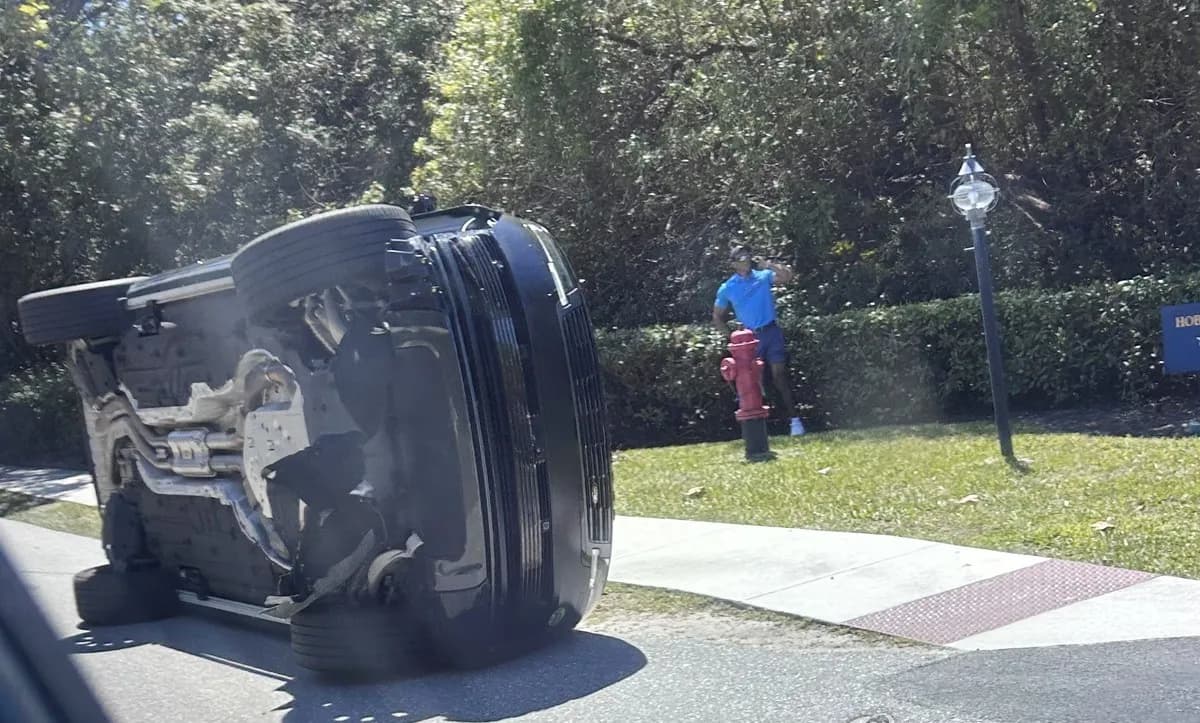
Tiger Woods Arrested for DUI Just 3 Days After Comeback—Fourth Vehicle-Related Incident
Tiger Woods arrested for DUI just 3 days after comeback
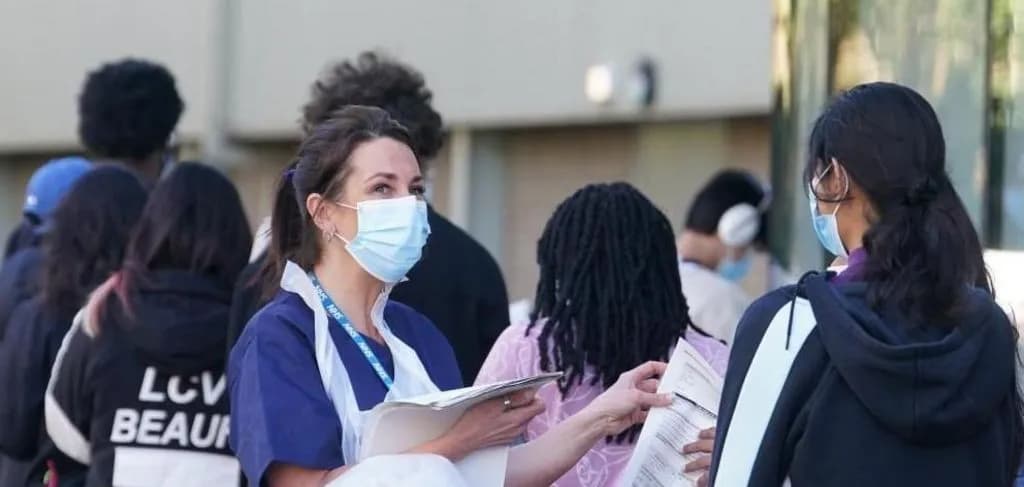
UK University Meningitis Outbreak: Worst Over but Concerns Remain About Recurrence
UK university meningococcal outbreak worst appears over, but cause remains unclear

Yen/Dollar Rate Breaks Through 160 Yen for First Time in 1 Year 8 Months Amid US-Iran War
Yen/dollar rate breaks through 160 yen for first time in 1 year 8 months amid US-Iran war