BTS Gwanghwamun Concert: AI Network Prevents Communication Crisis for 40,000 Fans
First full group comeback in 3 years and 9 months, telecom carriers deploy AI traffic distribution technology in real-world scenario
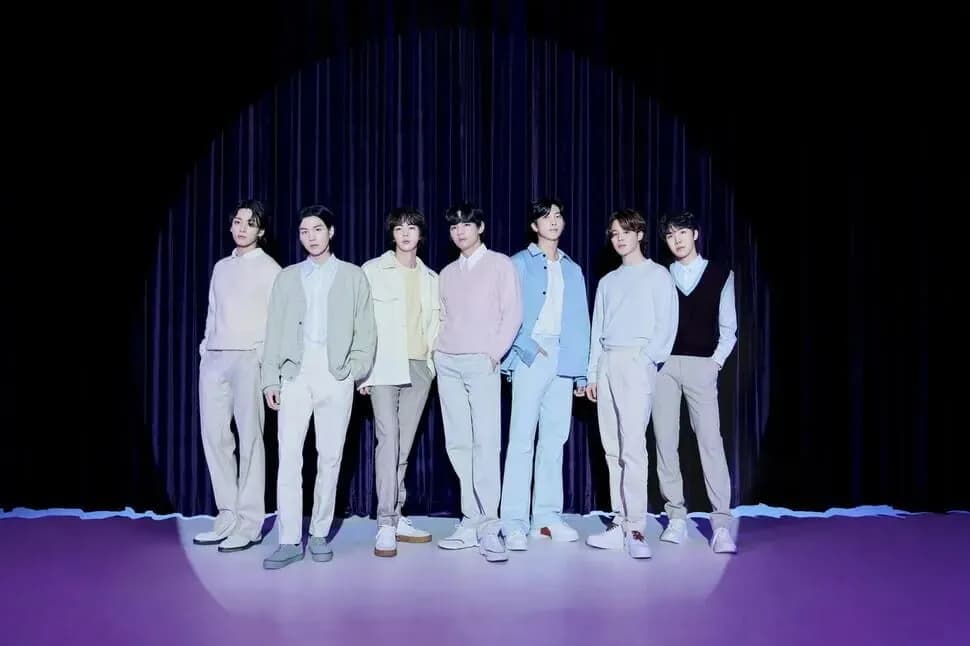
- •44,000 people gathered for the BTS Gwanghwamun concert, raising network overload concerns, but the three telecom carriers' AI traffic distribution technology maintained stability.
- •KT's 14 Wi-Fi access points could not handle tens of thousands of simultaneous connections, but mobile networks stabilized after the concert began.
- •Live-streamed to 190 countries via Netflix, this concert served as a real-world test for Korean telecommunications technology and is expected to set standards for future large-scale events.
260,000 Expected, 44,000 Actually Attended
On the evening of the 21st, approximately 44,000 people gathered at Gwanghwamun Square in Seoul for the BTS full group comeback concert, according to police estimates. While organizers initially anticipated 260,000 attendees, the actual on-site controlled crowd was smaller. However, with tens of thousands concentrated in a confined area, concerns about network overload became reality.
Admission to Gwanghwamun Square began at 5 PM, with attendees starting to secure their spots three hours before the performance. Metal detectors were installed at 31 gates, and police special forces were deployed inside. Some gates were temporarily closed due to congestion.
Three Telecom Carriers Deploy Full AI Network Technology
South Korea's three major mobile carriers—SK Telecom, KT, and LG U+—deployed 18 base stations and 17 repeaters in preparation for the concert. The key technological highlight was the real-world deployment of AI-based network technology.
KT installed 14 Wi-Fi access points on-site, but these proved insufficient to handle simultaneous connections from tens of thousands of people. Many attendees attempting to connect to public Wi-Fi experienced complete connection failures or extremely slow speeds.
However, mobile networks showed a different pattern. While communication speeds plummeted due to upload bottlenecks before the performance, mobile networks stabilized once the concert began and attendees focused on the stage instead of filming. This is attributed to AI traffic distribution technology detecting and redistributing network loads in real-time.
Global Live Stream: Netflix's First Korean Live Event
The concert was live-streamed to 190 countries worldwide via Netflix. This marked the first time Netflix conducted a live broadcast in the Korean market.
Brandon Riegg, Vice President of Nonfiction Series and Sports at Netflix, stated at a briefing held at Gwanghwamun Cinecube the day before the event: "There won't be a bigger moment than this," adding that "being part of this at the historic Gwanghwamun is a special privilege."
Netflix installed a stage measuring 14.7 meters in height and anticipated an audience of 3 billion viewers worldwide.
On-Site Chaos and Enthusiasm
Lines stretched endlessly from Gwanghwamun to City Hall Plaza. Some attendees spent nearly an hour covering a distance that normally takes 15 minutes on foot. Hundreds who thought they were heading to Gwanghwamun ultimately settled in front of the large outdoor screen at City Hall Plaza.
Those who entered the venue had to arrive by 5 PM, and all food except one bottle of water was confiscated. Standing-area attendees were reluctant even to use the restroom, fearing they would lose their hard-won spots.
International attendees were also notable. Paula, 27, from Chile, had attended the members' last performance before military enlistment. "The decision was simple," she said. "BTS is worth it."
Technology Validation Arena: Likely to Set Standards for Future Large-Scale Events [AI Analysis]
The industry had been concerned about the gap between equipment quantity and crowd size even before the concert. While AI network technology contributed to maintaining mobile communication quality to some extent, it did not fully compensate for Wi-Fi infrastructure limitations.
Nevertheless, this concert functioned as a large-scale real-world testing ground for Korean telecommunications technology. It represents the first case of validating whether AI-based traffic distribution technology can operate in an environment with tens of thousands of simultaneous connections.
For future large-scale events, balanced deployment of Wi-Fi and mobile networks and real-time network optimization using AI technology are likely to become essential elements. The telecommunications data from this concert is expected to serve as an important benchmark for establishing communication strategies for global mega-events such as the World Cup and Olympics.
댓글 (3)
불안한 시기에 정확한 보도가 중요합니다. 좋은 기사 감사합니다.
걱정이 많이 되네요. 좋은 지적입니다.
이 위기를 어떻게 극복할 수 있을지 전문가 의견이 더 필요합니다.
More in AI & Tech

Reddit Considers Face ID to Block Bots While Maintaining Anonymity
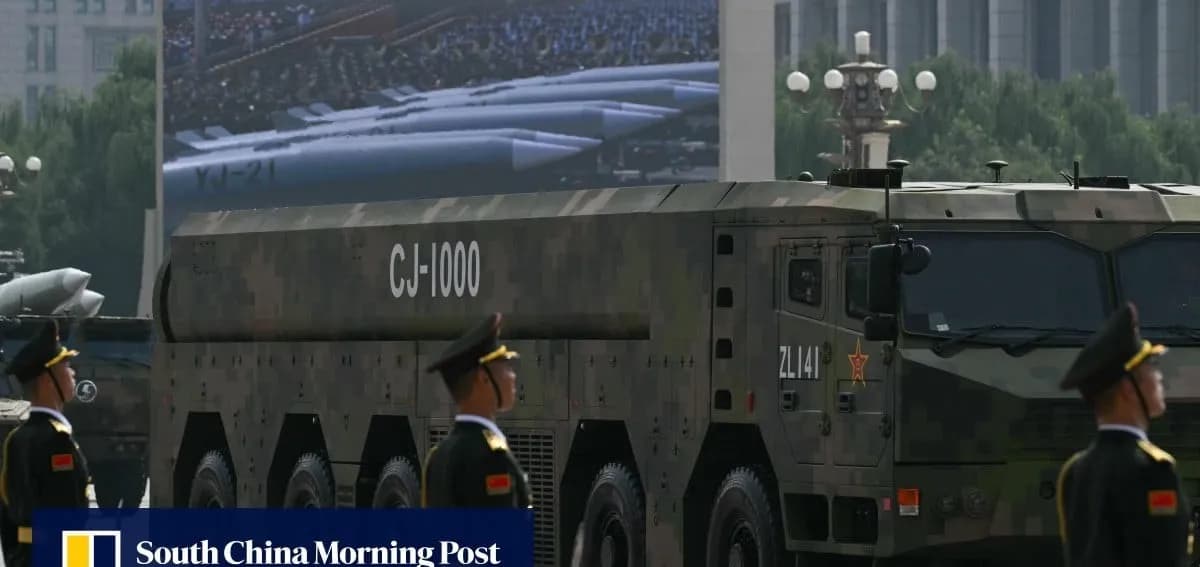
China Reduces Hypersonic Missile Core Technology Simulation to 7 Days
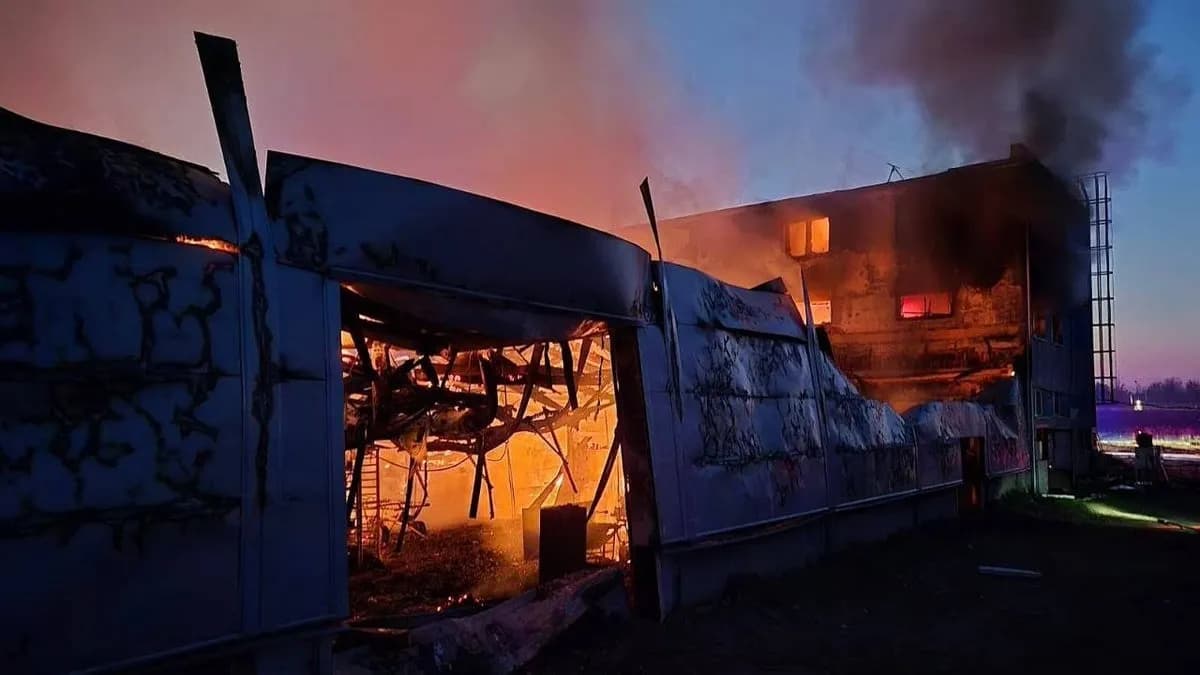
Czech Drone Factory Fire Under Investigation for Terrorism
Trump Slams NATO Allies as 'Cowards' Over Strait of Hormuz Refusal
Google Unveils Gemini 3.1 Flash-Lite Optimized for High-Volume Processing
From Go AI to Life Sciences: AlphaGo's 10-Year Journey
Latest News
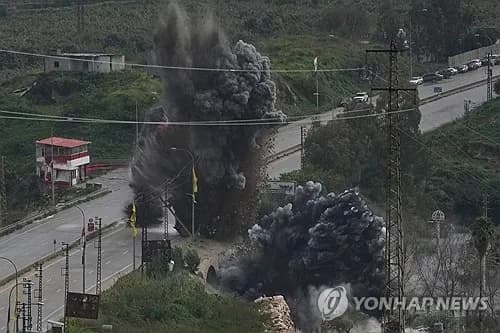
이스라엘, 헤즈볼라 무기 통로 레바논 다리 공습
이스라엘군, 헤즈볼라 무기 통로 레바논 다리 공습
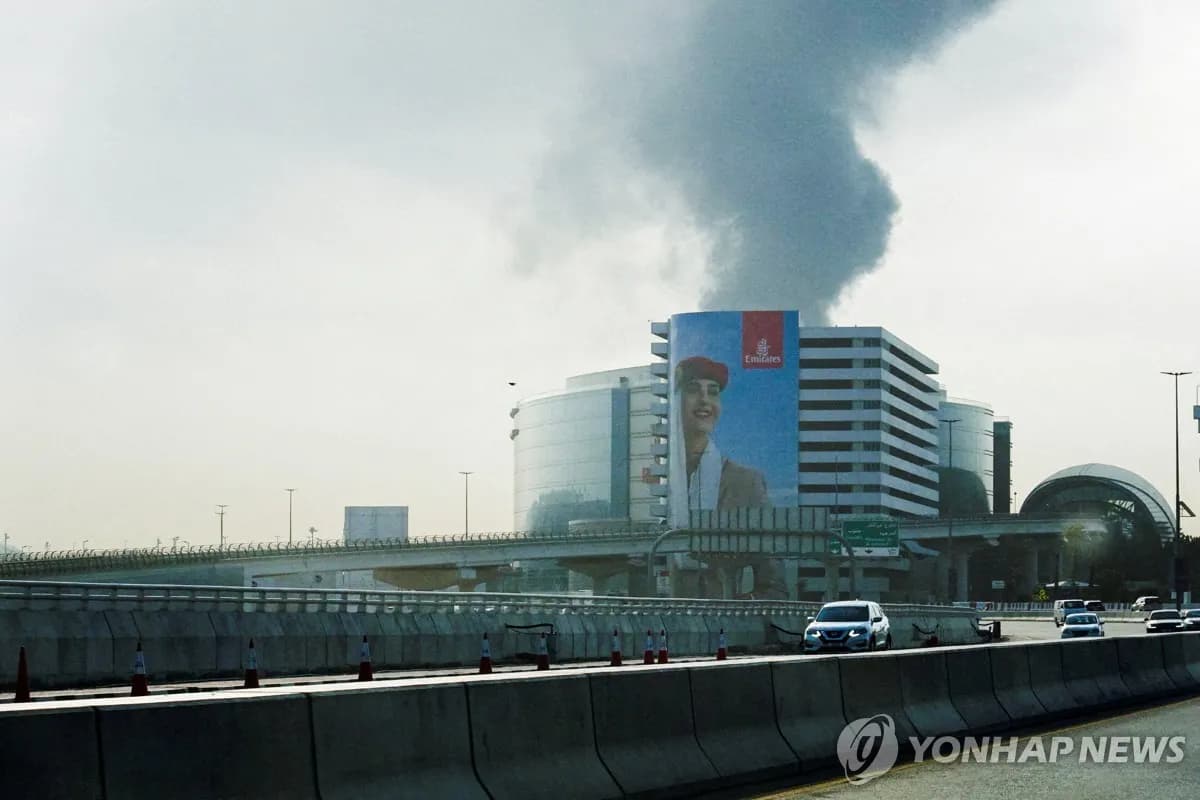
중동행 전세기 전쟁보험료 최고 7천500만원
중동행 전세기 전쟁보험료가 최고 5만달러(7천500만원)로 상승
이란 탄도미사일, 이스라엘 방어망 뚫고 160명 부상
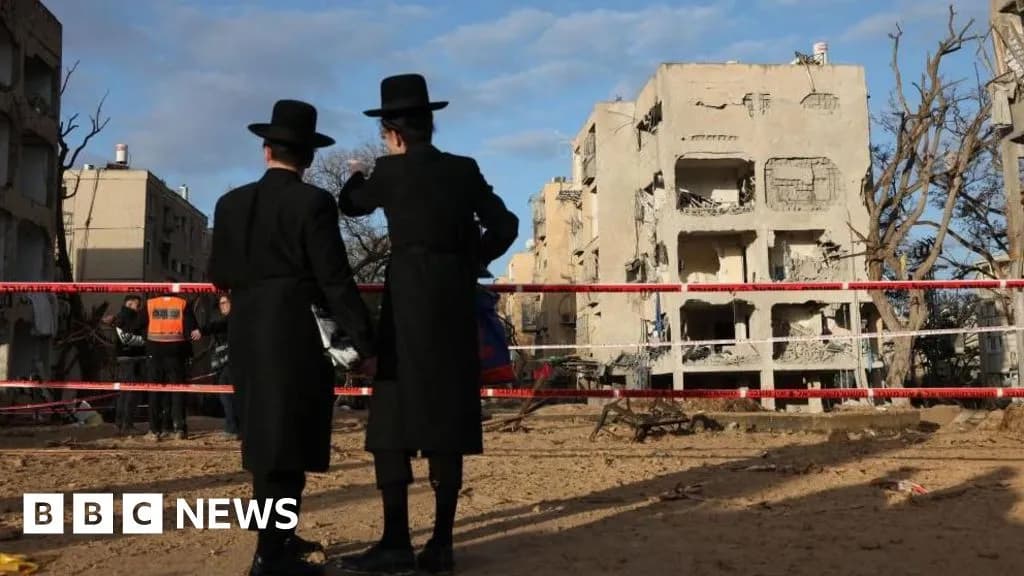
이란 탄도미사일이 이스라엘 방공망을 통과해 160명 부상
Middle East Conflict Drives Manufacturing Outlook to 10-Month Low
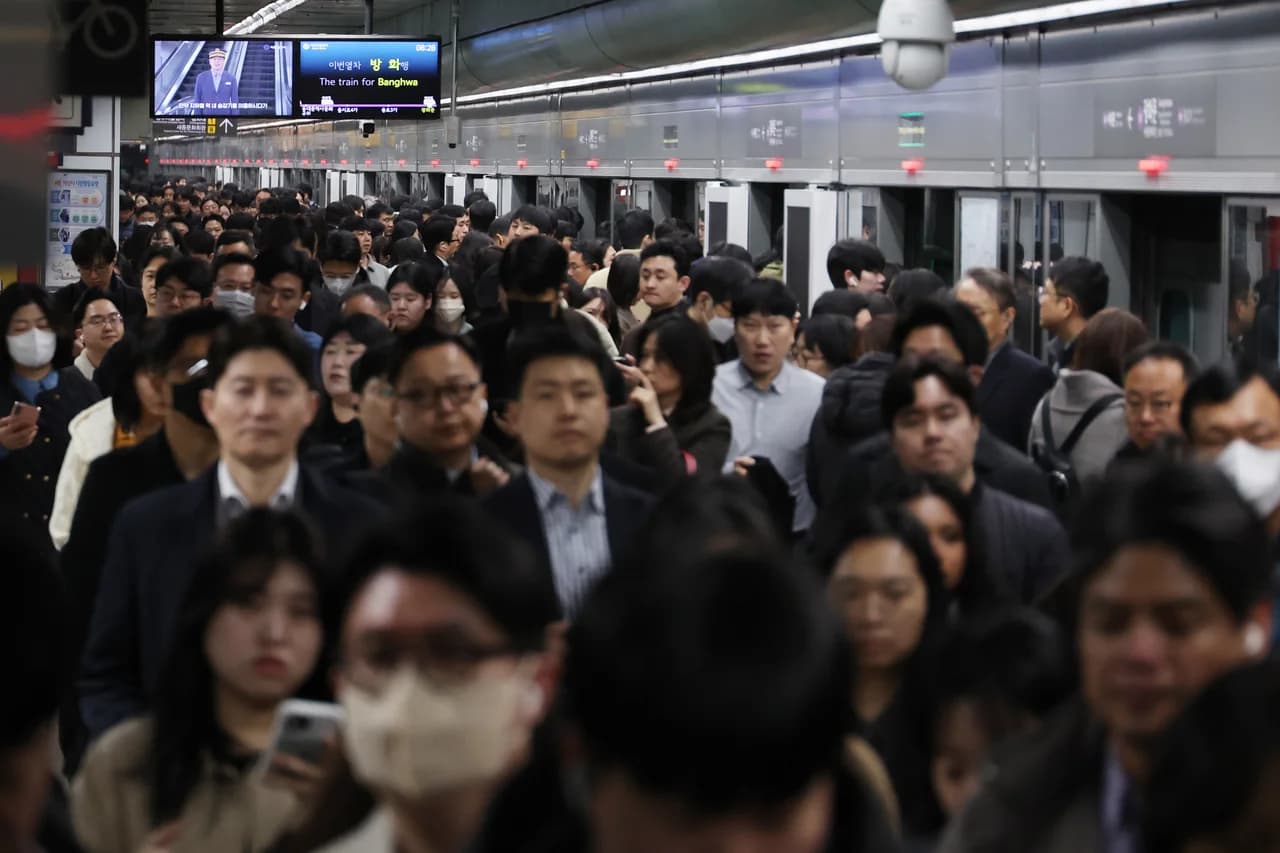
The Korea Institute for Industrial Economics & Trade survey shows April manufacturing outlook PSI plummeted to 88, falling below baseline for the first time in 10 months.

Lee Jae-myung Administration Excludes Multi-Home Officials from Real Estate Policymaking
President Lee Jae-myung has ordered the exclusion of multi-home owning public officials from all real estate policy processes.

Southeast Asia Growth Forecasts Cut Amid Oil Price Surge, Threatening Korean Exports
Maybank Research has downgraded ASEAN-6's 2026 growth forecast from 4.8% to 4.5%.
Volkswagen CEO Says Germany Should Learn from China's Industrial Strategy
Volkswagen CEO stated that Germany should learn from China's systematic industrial planning approach.
BTS Tops March Artist Brand Reputation Rankings with First Full Group Comeback in 4 Years
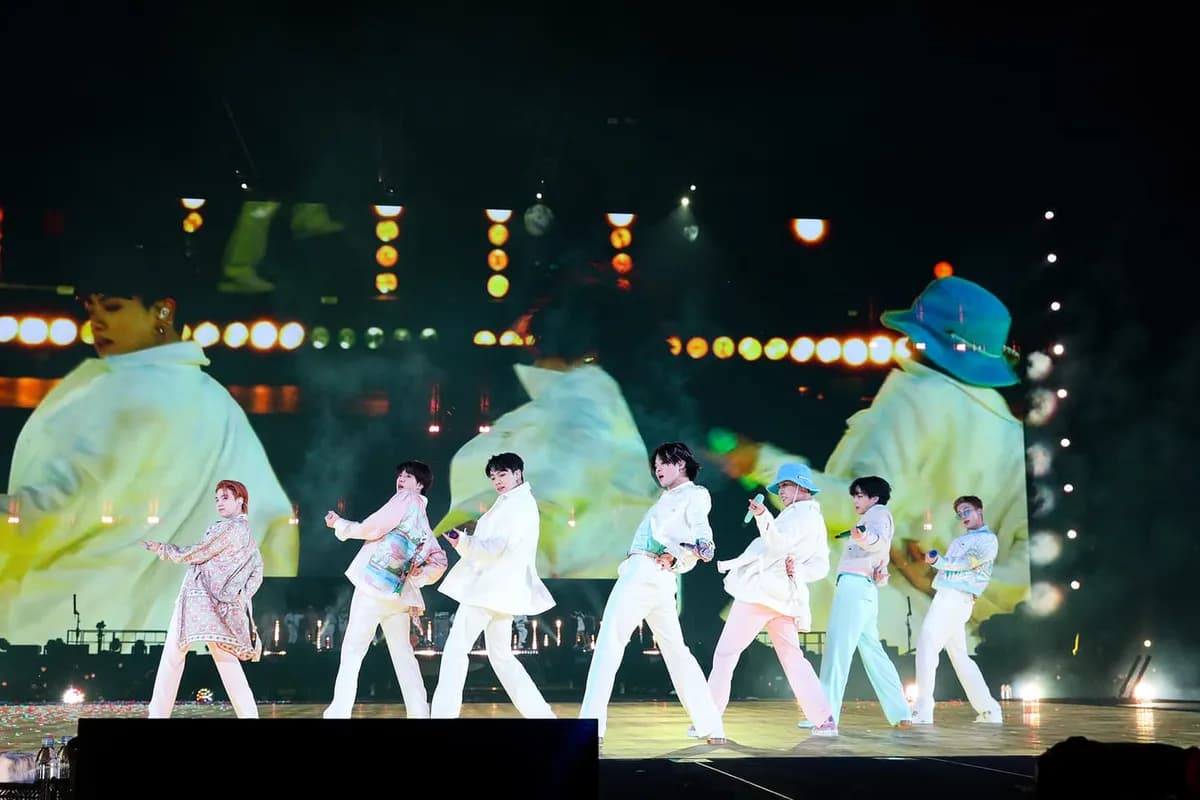
BTS ranked first in the Korean Corporate Reputation Research Institute's March Artist Brand Reputation Rankings based on 99 million data points.