Adding a modern steel pavilion to a 19th-century stone farmhouse
Historic building restoration and sustainable expansion project in the Monaro Plateau, Australia
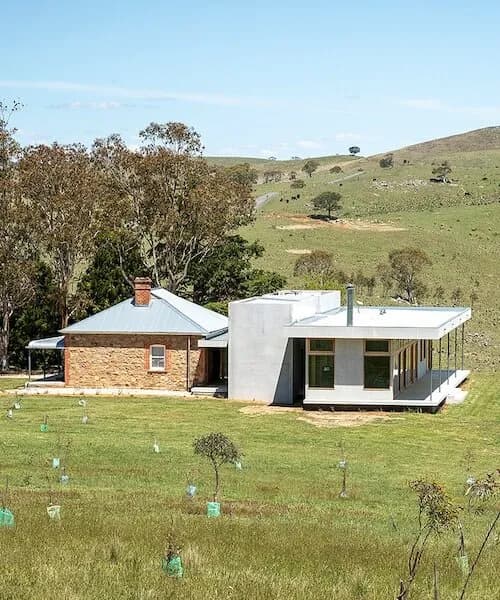
- •A residential space combining a 19th-century stone farmhouse and a modern steel pavilion has been completed in Australia's Monaro Plateau
- •The spaces were clearly divided by placing a bedroom in the restored farmhouse and a living room and master bedroom in the new pavilion
- •We implemented a sustainable design that responds to Australia's extreme environment with natural ventilation and a rainwater collection system.
A meeting of 19th century farmhouse and 21st century architecture
A unique residential space where history and modernity coexist has been completed on the Monaro Plateau near Canberra, Australia. Rodney Moss & Josh Mulford Architects collaborated with Sally Hieatt Interiors to restore a stone farmhouse built in the late 19th century and add a modern steel pavilion to it.
This project, named 'Monaro Plateau Homestead', goes beyond simple expansion and pursues a harmony between preservation of historical buildings and modern architecture. Structural engineer Ken Murta and contractor Mark Lauder participated to design the existing farmhouse and new pavilion to function as a unified living space.
Separation and connection of space
The newly constructed pavilion is a lightweight steel frame structure that houses the main living area and master bedroom. The service area was finished with precast concrete panels to complement the texture and sturdiness of the original stone building.
Bedrooms for children and guests were placed inside the restored stone farmhouse. Through this, public space and private space are clearly distinguished. The two buildings are connected by a large sliding wood-framed glass door, allowing a panoramic view of the rugged scenery of the Monaro Plateau from the inside.
Sustainable design for extreme environments
The pavilion has adopted a natural ventilation strategy to cope with the extreme climate conditions of inland Australia. By introducing cool wind into the room, a comfortable indoor temperature is maintained without the need for additional mechanical equipment.
Rainwater is collected from the roof and used as domestic water, and an integrated wastewater treatment system is installed to operate its own circulation system on site. This building, with its primitive yet industrial expression, is regarded as a durable architectural answer rooted in Australia's rural environment.
Modern rural architecture in historical context
The Monaro Plateau is a highland area located in the southeastern part of New South Wales, Australia, and has developed into a center of livestock farming since the 19th century. The remaining stone farmhouses in this area are a cultural heritage that shows the architectural style of early European settlers.
Recently, in the Australian architectural community, the approach of restoring historical buildings and combining them with modern elements rather than indiscriminately demolishing them has been attracting attention. The Monaro Plateau Homestead is an example of respecting the architectural heritage of the past while meeting the lifestyles of modern families and their needs for sustainability, and represents a new direction for architecture in rural areas.
댓글 (5)
기사 잘 봤습니다. 다른 시각의 분석도 읽어보고 싶네요.
그 부분은 저도 궁금했습니다.
흥미로운 주제입니다. 주변에도 공유해야겠어요.
steel에 대해 더 알고 싶어졌습니다. 후속 기사 부탁드립니다.
공감합니다. 참고하겠습니다.
More in Culture & Art

The first weekend of Jinhae Gunhang Festival, crowded with springtime visitors amidst the light pink cherry blossoms.
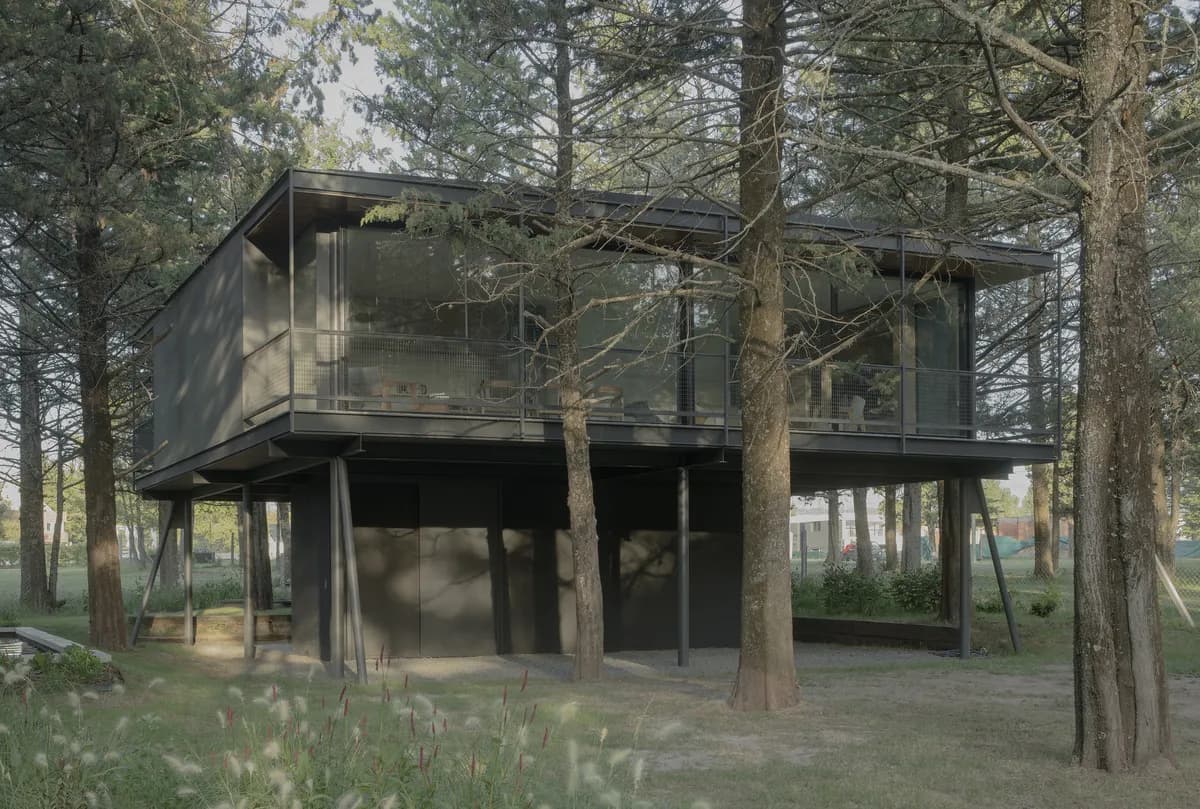
La Florida II House, a summer villa nestled in an Argentinian pine forest

39 world-renowned artists, including Brian Eno and Jen Goldin, join an auction to support humanitarianism in Palestine
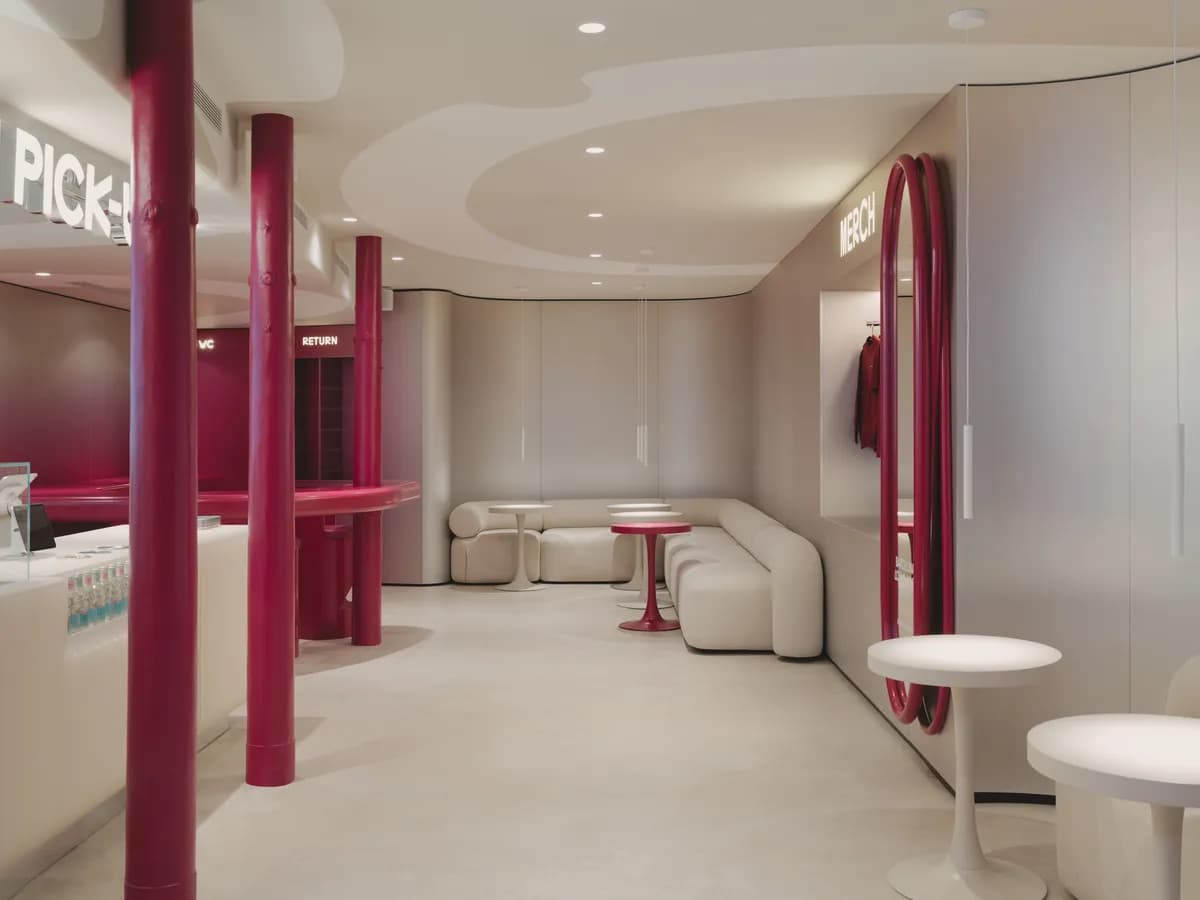
Cinnamund Café, integrated into Barcelona's medieval architecture, a blend of history and modernity

Building a Refugee Shelter with Nomadic Weaving Techniques: An Architectural Experiment with Abir Seikali
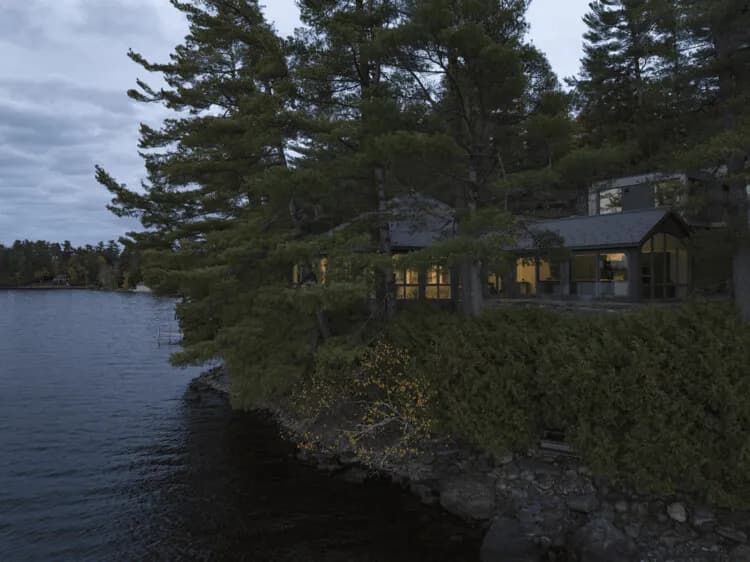
A small villa at the end of a lake is reborn as modern architecture.
Latest News

Man in His 30s Arrested After Crashing into Streetlight While Driving Under Propofol
Man in his 30s crashes into streetlight while driving after illegally taking propofol

Goyang Sono's 10-Game Winning Streak Ends as DB's Ellenson Explodes for 38 Points
Wonju DB ends Goyang Sono's 10-game winning streak with Henry Ellenson's 38-point explosion

Yemen's Houthis Launch Missiles at Israel, Enter War as Red Sea Security Crisis Deepens
Yemen's Houthi rebels launched missiles at Israel on the 28th, directly entering the US-Iran war

Nepal's Ex-PM Oli Arrested Over Deadly Protest Crackdown
Nepal's former PM KP Sharma Oli arrested over deadly protest crackdown

Iranian Missiles Breach Israeli Air Defense, Strike Southern Cities Dimona and Arad
Iranian ballistic missiles penetrated Israeli multi-layered air defense, striking southern cities Dimona and Arad

Mastermind of 'Revenge-for-Hire' Ring Faces Arrest Warrant Over Feces Terror Attacks
Mastermind of revenge-for-hire ring faces arrest hearing over orchestrating excrement attacks and graffiti

BBC Investigation Uncovers Error in Dopamine Agonist Drug Warnings... UK Authorities Launch Review
BBC investigation discovers critical error in patient leaflets for dopamine agonist drugs

Israel Activates Air Defense as Houthi Rebels Launch Missile from Yemen
Israeli military detects Houthi rebel missile launch from Yemen on the 28th and activates air defense