The Invisible Threat: Microplastics Are Accumulating Inside Our Bodies
Found in blood, brains, and placentas — but health effects remain largely unknown
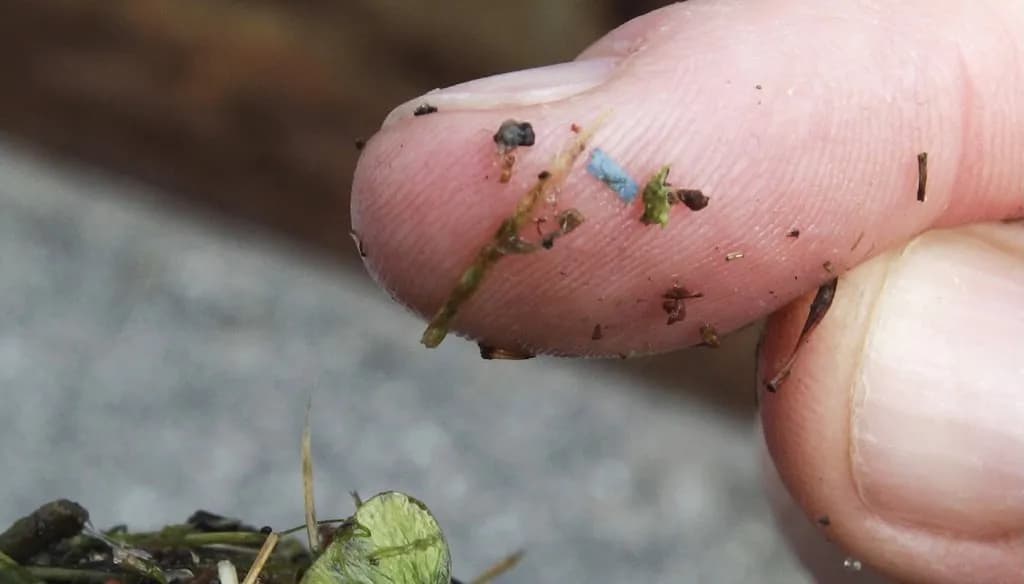
- •Microplastics have been found in human brains, placentas, and throughout major organs.
- •U.S. officials have declared toxicity assessment and measurement standardization top priorities.
- •Long-term epidemiological studies are needed before the full health impact can be determined.
Plastics Don't Break Down — They Break Up
Plastic never truly disappears. Over time, it fragments into increasingly smaller pieces called microplastics, measuring up to 5 millimeters — roughly the width of a pencil eraser. At their smallest, measured in micrometers, particles under 1 micrometer are classified as 'nanoplastics' by the scientific community.
For scale, the coronavirus that causes COVID-19 is about 0.1 micrometers in diameter. Some nanoplastics are smaller.
These particles originate from larger plastic products that were used, bent, or heated over time. Others — found in cosmetics, detergent pods, and paints — were engineered to be small from the start.
They're Everywhere: Air, Water, Food
Microplastics have become embedded in the water cycle itself. Megan Wolff, executive director of the Physician and Scientist Network Addressing Plastics and Health, put it plainly: 'They evaporate in water and wind up in clouds, in snow, in rain. They're everywhere.'
When inhaled, larger microplastic particles can be coughed out. But virus-sized particles can pass from the lungs into the bloodstream. The same applies to ingestion — the tiniest particles can cross the gut lining and enter the blood.
Researchers have detected microplastics in human livers, kidneys, lungs, brains, and placentas. Some studies indicate that nanoplastics can even cross the blood-brain barrier.
Dr. Philip Landrigan, a pediatrician and environmental health researcher, summarized it bluntly: 'Basically, they've been found wherever they have been looked for.'
Measurement Remains a Major Challenge
One of the biggest obstacles in microplastics research is the lack of standardized measurement methods. A Stanford University working group identified seven different approaches, ranging from $10 to $600 per sample, each with distinct limitations.
U.S. Health and Human Services Secretary Robert F. Kennedy Jr. acknowledged the knowledge gap at an April 2 press conference: 'We do not yet understand how these particles interact with the immune system, the endocrine system or the neurological system. And we do not have validated methods to remove them safely.'
A Problem Decades in the Making
Microplastics didn't emerge overnight. Mass plastic production began in earnest in the mid-20th century, and ocean pollution concerns surfaced in the 1960s and 70s. The term 'microplastics' was coined in 2004 by British marine biologist Richard Thompson.
By the 2010s, microplastics were being found throughout marine ecosystems. The WHO launched an investigation into microplastics in drinking water in 2018. By the early 2020s, they were detected in human blood and lungs — and by 2024, in the brain and placenta. The scope of the problem has shifted from environmental to deeply personal.
Regulatory responses have lagged. The EU announced a phased ban on intentionally added microplastics in 2023, but no solution exists for what's already been released into the environment.
What Comes Next [Expert Analysis]
Experts suggest microplastics research is moving from a 'discovery phase' to a 'hazard characterization phase.' We now know where they are — the question is what they do.
Standardizing measurement protocols through international collaboration is likely to be a top priority in coming years. Without a common framework, research findings remain difficult to compare and regulatory thresholds impossible to set.
Toxicity is expected to vary significantly by particle size, shape, material composition, and the chemical contaminants absorbed onto their surfaces. Research over the next five to ten years will likely focus on defining thresholds — not just whether microplastics are present, but at what concentrations and in what forms they become dangerous.
Some researchers caution against amplifying alarm prematurely. Much of the existing evidence comes from animal or cellular studies; long-term epidemiological data in humans remains limited. Premature policy responses under high scientific uncertainty carry their own risks.
Ultimately, experts broadly agree: microplastic contamination is a systemic problem that cannot be solved through individual behavior alone. Without a structural reduction in plastic production and use, addressing the accumulated plastic burden in the environment will remain an uphill battle.
댓글 (28)
핵심만 잘 정리해주시네요.
Invisible 기사에서 언급된 사례가 흥미로웠습니다.
읽기 좋은 기사입니다. Threat: 관련 통계가 의외였습니다. 생각이 바뀌었습니다.
유익한 기사네요. 미세플라스틱에 대한 다른 매체 보도와 비교해봐도 잘 정리되어 있습니다. 계속 지켜봐야겠습니다.
읽기 좋은 기사입니다. 공중보건 주제로 시리즈 기사가 나오면 좋겠습니다. 다른 시각의 분석도 읽어보고 싶습니다.
The 주제로 시리즈 기사가 나오면 좋겠습니다.
요즘 이 매체 기사가 제일 읽기 좋아요.
Threat:에 대해 더 알고 싶어졌습니다.
미세플라스틱에 대해 처음 접하는 정보가 있었습니다.
공중보건 주제로 시리즈 기사가 나오면 좋겠습니다.
읽기 좋은 기사입니다. The의 향후 전망이 궁금합니다.
Invisible에 대한 다른 매체 보도와 비교해봐도 잘 정리되어 있습니다.
Threat: 관련 해외 동향도 궁금합니다. 잘 정리된 기사네요.
잘 읽었습니다. 미세플라스틱 관련 통계가 의외였습니다.
공중보건의 전문가 코멘트가 설득력 있었습니다.
이런 시각도 있었군요. The에 대한 다른 매체 보도와 비교해봐도 잘 정리되어 있습니다.
Invisible 관련 배경 설명이 이해하기 쉬웠습니다. 잘 정리된 기사네요.
흥미로운 주제입니다. Threat:에 대해 주변 사람들과 이야기 나눠볼 만합니다.
유익한 기사네요. 미세플라스틱 관련 데이터가 인상적이었습니다.
이런 시각도 있었군요. 공중보건의 향후 전망이 궁금합니다.
The 관련 배경 설명이 이해하기 쉬웠습니다. 후속 기사 부탁드립니다.
Invisible에 대해 처음 접하는 정보가 있었습니다. 다른 시각의 분석도 읽어보고 싶습니다.
유익한 기사네요. Threat:의 전문가 코멘트가 설득력 있었습니다. 후속 기사 부탁드립니다.
잘 읽었습니다. 미세플라스틱이 일상에 어떤 영향을 줄지 생각해보게 됩니다.
공중보건에 대해 더 알고 싶어졌습니다. 나중에 다시 읽어볼 만합니다.
The에 대해 주변 사람들과 이야기 나눠볼 만합니다.
Invisible 관련 배경 설명이 이해하기 쉬웠습니다.
잘 읽었습니다. Threat:에 대해 더 알고 싶어졌습니다.
More in Special

ICIJ Exposes Merck's Keytruda Pricing Strategy and Patent Abuse

SAVE America Act Ad Misuses Pre-Bill Poll and Misleads on Voter ID

Source Load Failed: UN Press Article Inaccessible
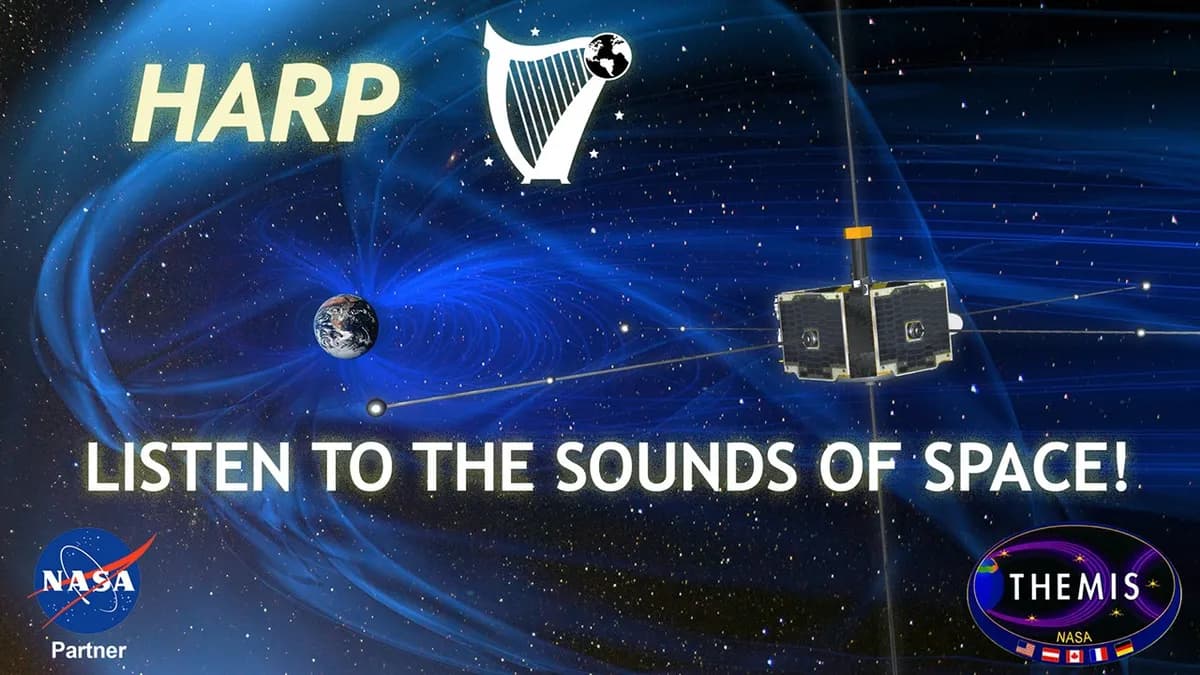
Volunteers Detect Rare Space Weather Events by Listening to the Sky

Hubble Telescope Captures Spiral Galaxy 380 Million Light-Years Away
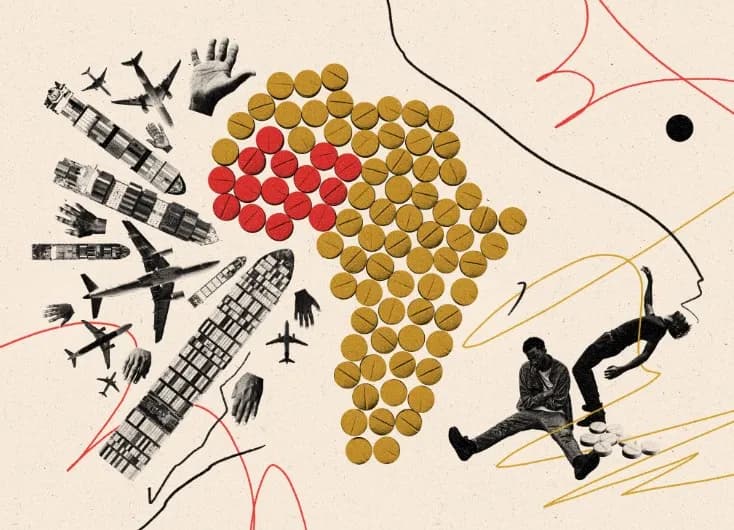
Painkiller Pipeline: 320 Million Tapentadol Pills Flow from India to West Africa
Latest News
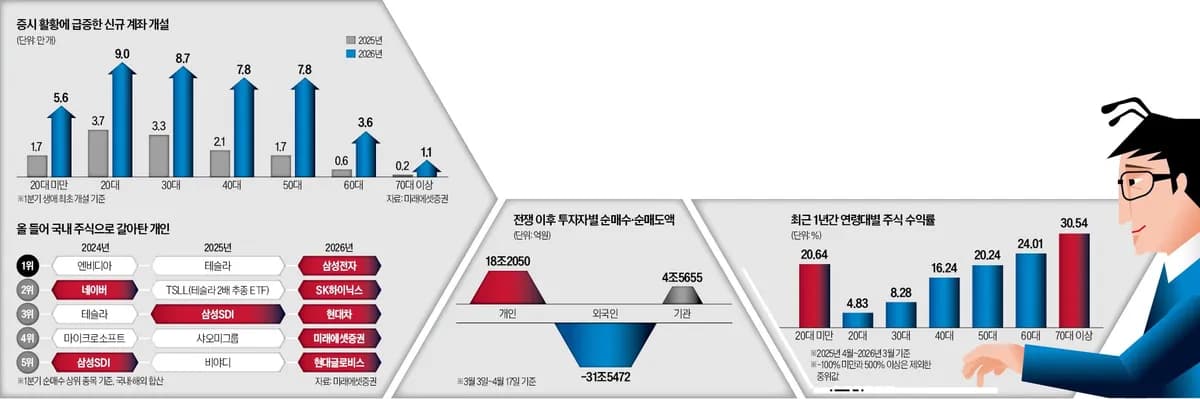
Buy in Fear, Sell in Greed — Retail Investors Credited for Defending KOSPI 5000
Donghak Ants absorb foreign selloffs, playing a key role in defending KOSPI 5000

AMD MI450, Anthropic 계약 임박…엔비디아 독주에 균열 생기나
AMD MI450은 FP8 성능 40 PFLOP, HBM4 메모리 432GB로 이전 세대 대비 2배 성능을 제공한다.
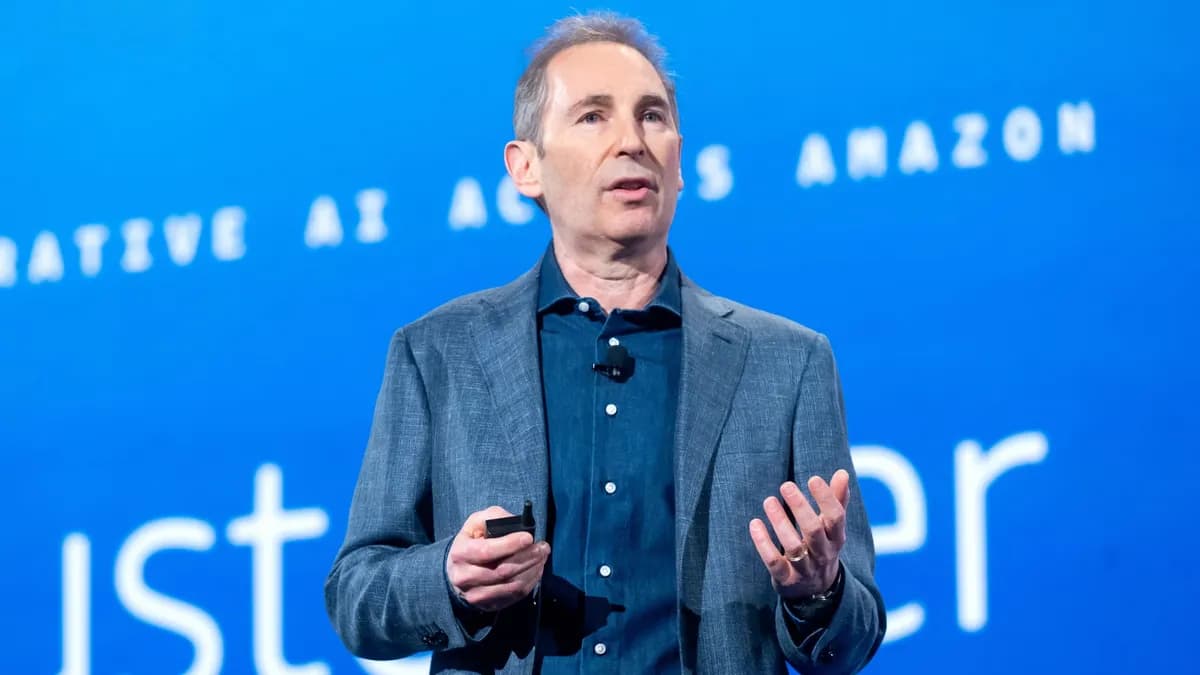
아마존, AWS AI 연매출 150억 달러 첫 공개… 2,000억 달러 투자 정당화 나섰다
아마존 재시 CEO가 AWS AI 연매출 실행률 150억 달러를 처음 공개하고, 2026년 2,000억 달러 capex 계획을 재확인했다.
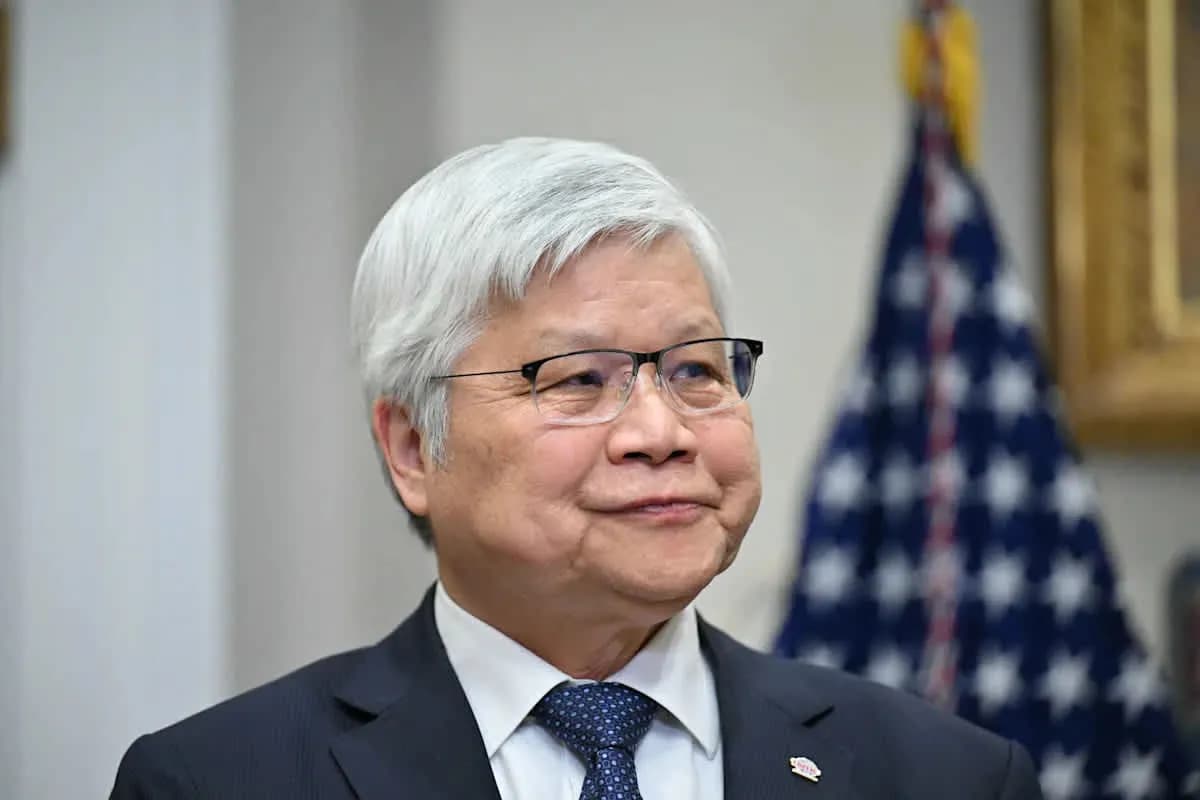
TSMC, 3개 대륙 3나노 팹 동시 확장…AI 수요가 반도체 지형을 바꾼다
TSMC 2026년 1분기 순이익 NT$5,724억, 전년비 58% 급증하며 4분기 연속 신기록 달성.

중국 스마트폰 시장 침체 속 애플 아이폰 출하 20% 급증
애플 아이폰의 중국 1분기 출하량이 전년 대비 20% 급증해 주요 업체 중 최고 성장률을 기록했다.
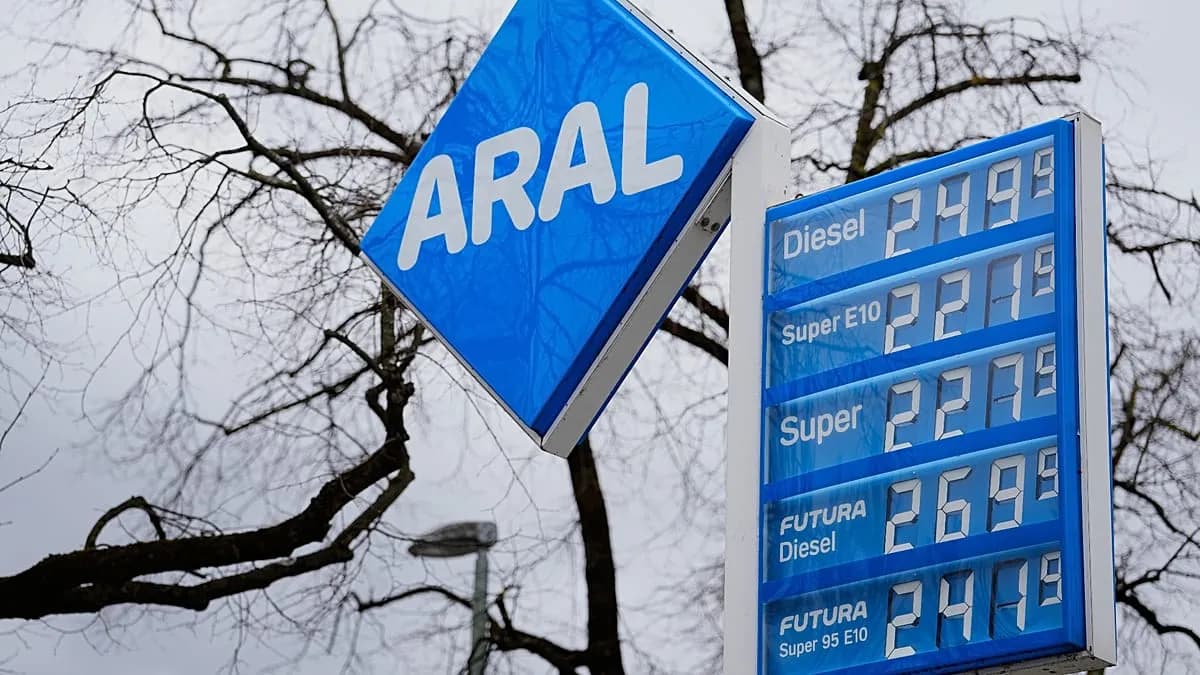
이란 전쟁發 에너지 위기, EU 스태그플레이션 경계선에 서다
IMF가 이란 전쟁發 에너지 위기로 EU 경기침체 가능성을 경고했다.
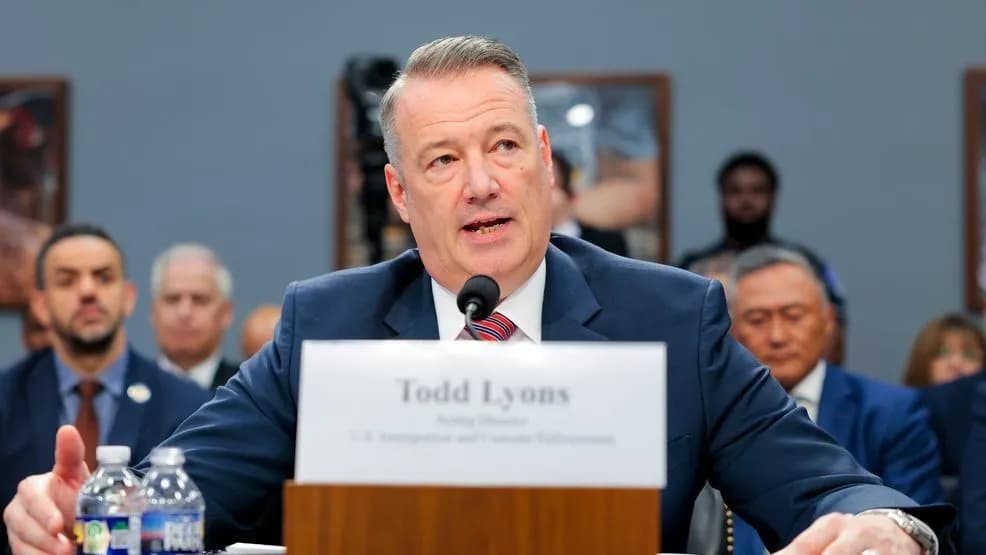
ICE Acting Director Todd Lyons to Resign at End of May, DHS Confirms
ICE Acting Director Todd Lyons officially set to resign at end of May, per DHS

Trump Maintains Naval Blockade as Iran Declares Full Opening of Strait of Hormuz
Trump reaffirms naval blockade on Iran, says Israel will not strike Lebanon again