Volunteers Detect Rare Space Weather Events by Listening to the Sky
NASA citizen science project harnesses human hearing to identify unusual cosmic radio signals
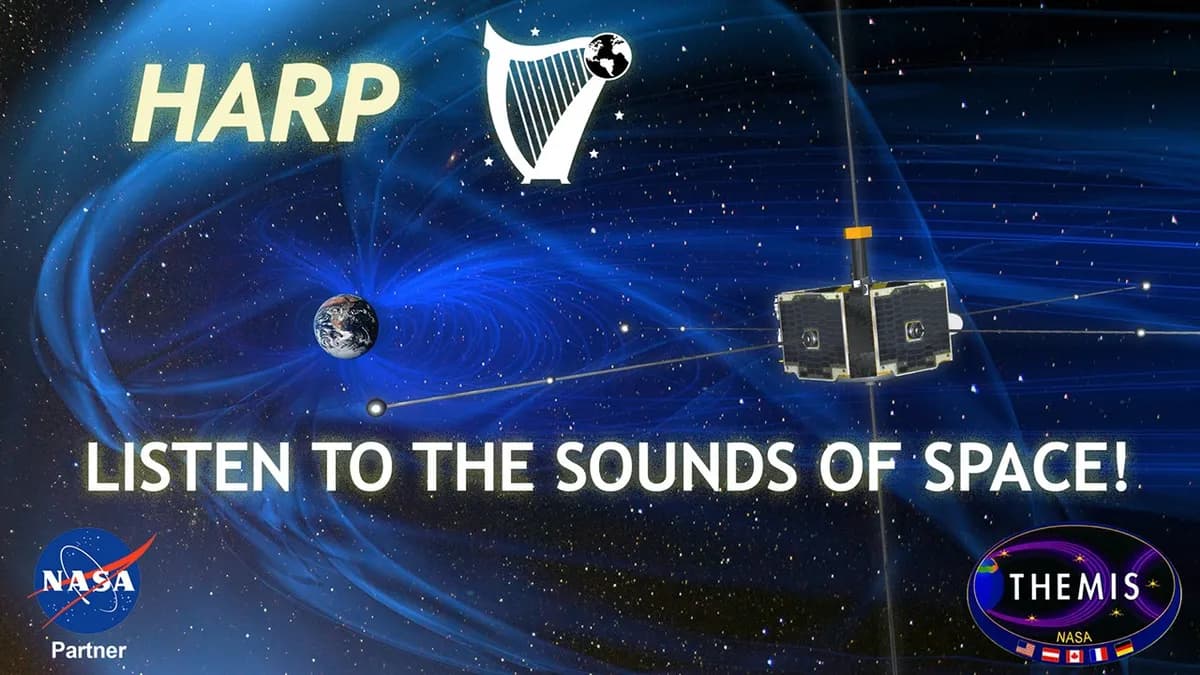
- •NASA volunteers detected rare space weather events by listening to VLF radio signals converted to audio.
- •Human hearing proved more effective than AI for identifying subtle patterns in cosmic radio data.
- •With the Sun nearing solar maximum, citizen science-based space weather monitoring is gaining importance.
Listening to the Universe
According to NASA, volunteers around the world have been detecting rare space weather events by literally listening — using equipment that converts Very Low Frequency (VLF) radio signals into audible sound. The effort demonstrates that ordinary citizens can contribute meaningfully to space physics research without professional instruments.
The initiative is part of NASA's broader citizen science program. Participants receive VLF radio recordings converted into audio files and identify unusual patterns by ear. Solar wind activity, geomagnetic storms, and lightning discharges each leave distinct acoustic signatures, allowing trained volunteers to recognize events that might otherwise go unnoticed.
Why the Human Ear?
Space weather events interact with Earth's ionosphere, generating electromagnetic waves within the audible frequency range (20Hz–20kHz). Researchers classify these sounds as 'whistlers,' 'chorus,' and 'hiss' based on their characteristics.
The challenge is data volume. VLF monitoring stations worldwide generate enormous datasets containing subtle patterns that current AI algorithms struggle to classify reliably. Human auditory intuition fills this gap — the human ear still outperforms machines in detecting meaningful signals amid noise.
From Amateur to Co-Researcher
Citizen science has evolved rapidly since the SETI@home project in the 1990s. Early efforts focused on donating computing power; by the 2010s, platforms like Zooniverse expanded participation to galaxy classification, wildlife surveys, and climate data review. NASA's audio-based space weather project stands apart by directly engaging the human senses.
Timing matters here. The Sun is approaching solar maximum in its 11-year cycle, increasing the frequency of solar flares and coronal mass ejections (CMEs). Greater solar activity means greater demand for observation coverage — and more need for volunteer support.
Why Rare Events Matter
The rare space weather events identified by volunteers help explain satellite communication disruptions, GPS errors, and power grid anomalies. During the 2003 'Halloween Storms,' parts of Sweden lost electricity and multiple satellites malfunctioned. Early detection and robust historical data are key to reducing such impacts.
Rare event data also directly improves space weather forecasting models. Low-frequency occurrences create gaps in AI training datasets, degrading model performance precisely when it matters most. Volunteer discoveries help fill those gaps, strengthening the entire forecasting infrastructure.
댓글 (48)
깔끔한 기사입니다. Volunteers에 대해 주변 사람들과 이야기 나눠볼 만합니다.
Detect이 일상에 어떤 영향을 줄지 생각해보게 됩니다.
Rare에 대해 주변 사람들과 이야기 나눠볼 만합니다.
우주기상에 대해 주변 사람들과 이야기 나눠볼 만합니다.
시민과학이 앞으로 어떻게 전개될지 주목해야겠습니다. 계속 지켜봐야겠습니다.
Volunteers에 대해 주변 사람들과 이야기 나눠볼 만합니다. 나중에 다시 읽어볼 만합니다.
유익한 기사네요. Detect 관련 통계가 의외였습니다.
잘 읽었습니다. Rare에 대해 처음 접하는 정보가 있었습니다.
좋은 정리입니다. 우주기상 기사에서 언급된 사례가 흥미로웠습니다.
잘 보고 있습니다.
깔끔한 기사입니다. Volunteers 관련 데이터가 인상적이었습니다. 해외 동향도 함께 다뤄주시면 좋겠습니다.
좋은 정리입니다. Detect이 앞으로 어떻게 전개될지 주목해야겠습니다.
구독 중인데 만족합니다.
우주기상이 앞으로 어떻게 전개될지 주목해야겠습니다.
시민과학이 앞으로 어떻게 전개될지 주목해야겠습니다. 전문가 의견도 더 듣고 싶습니다.
Volunteers 관련 통계가 의외였습니다. 잘 정리된 기사네요.
Detect 주제로 시리즈 기사가 나오면 좋겠습니다.
아침에 읽기 딱 좋은 분량이에요.
북마크해두겠습니다. 우주기상의 향후 전망이 궁금합니다. 생각이 바뀌었습니다.
시민과학의 전문가 코멘트가 설득력 있었습니다. 잘 정리된 기사네요.
흥미로운 주제입니다. Volunteers 기사에서 언급된 사례가 흥미로웠습니다.
Detect에 대해 주변 사람들과 이야기 나눠볼 만합니다. 해외 동향도 함께 다뤄주시면 좋겠습니다.
Rare에 대해 처음 접하는 정보가 있었습니다.
좋은 정리입니다. 우주기상 관련 용어 설명이 친절해서 좋았습니다.
몰랐던 사실을 알게 됐습니다. 시민과학 관련 배경 설명이 이해하기 쉬웠습니다.
Volunteers에 대해 주변 사람들과 이야기 나눠볼 만합니다.
몰랐던 사실을 알게 됐습니다. Detect의 향후 전망이 궁금합니다.
Rare 관련 데이터가 인상적이었습니다. 계속 지켜봐야겠습니다.
우주기상에 대해 처음 접하는 정보가 있었습니다.
시민과학에 대한 다른 매체 보도와 비교해봐도 잘 정리되어 있습니다.
Volunteers에 대해 주변 사람들과 이야기 나눠볼 만합니다. 계속 지켜봐야겠습니다.
Detect의 향후 전망이 궁금합니다.
Rare 관련 데이터가 인상적이었습니다.
요즘 이 매체 기사가 제일 읽기 좋아요.
좋은 정리입니다. 시민과학 관련 데이터가 인상적이었습니다. 해외 동향도 함께 다뤄주시면 좋겠습니다.
정리가 깔끔하네요.
Detect 관련 배경 설명이 이해하기 쉬웠습니다.
Rare이 앞으로 어떻게 전개될지 주목해야겠습니다.
이런 시각도 있었군요. 우주기상에 대한 다른 매체 보도와 비교해봐도 잘 정리되어 있습니다.
읽기 좋은 기사입니다. 시민과학 관련 통계가 의외였습니다. 다른 시각의 분석도 읽어보고 싶습니다.
좋은 기사 감사합니다.
Detect에 대해 더 알고 싶어졌습니다. 잘 정리된 기사네요.
Rare의 전문가 코멘트가 설득력 있었습니다.
우주기상의 향후 전망이 궁금합니다. 전문가 의견도 더 듣고 싶습니다.
기사 잘 읽었습니다.
출퇴근길에 항상 읽고 있습니다.
Detect에 대해 더 알고 싶어졌습니다.
유익한 기사네요.
More in Special

ICIJ Exposes Merck's Keytruda Pricing Strategy and Patent Abuse
SAVE America Act Ad Misuses Pre-Bill Poll and Misleads on Voter ID

Source Load Failed: UN Press Article Inaccessible
Hubble Telescope Captures Spiral Galaxy 380 Million Light-Years Away

Painkiller Pipeline: 320 Million Tapentadol Pills Flow from India to West Africa
Artemis 2 Heat Shield Passes Reentry Test, Allaying Years of Concern
Latest News
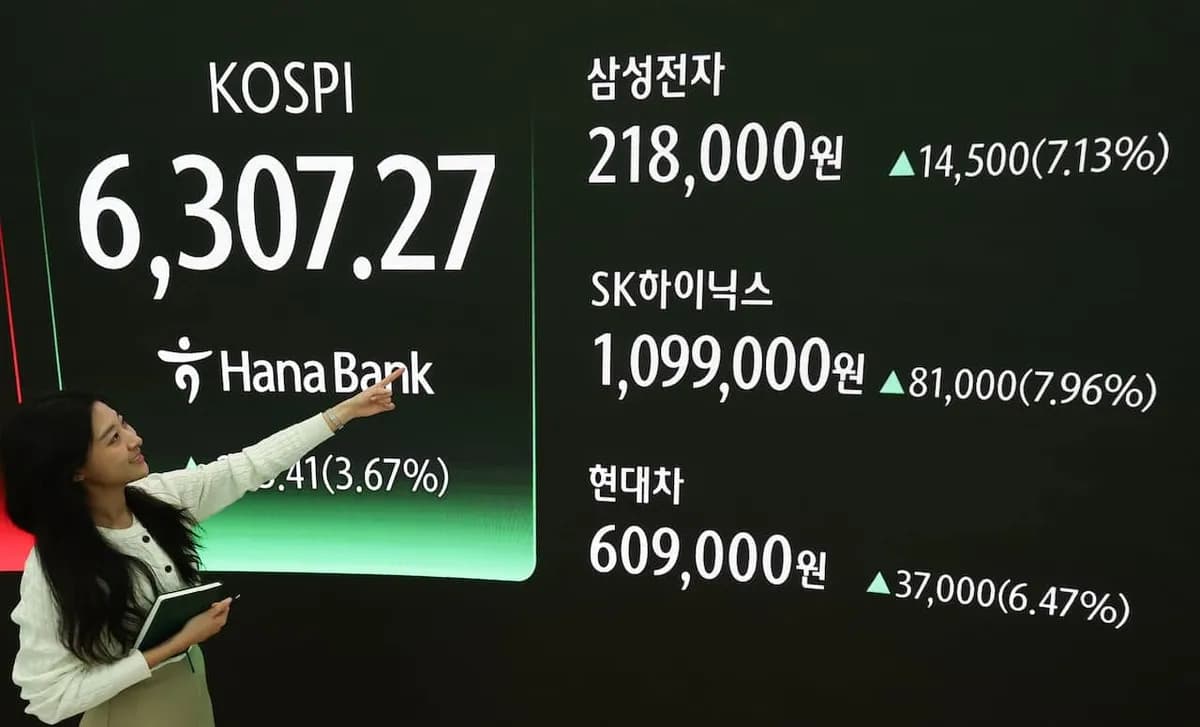
코스피 6,200선 붕괴…신용잔고 23조로 사상 최고
코스피가 0.55% 하락하며 6,191.92에 마감, 6,200선을 하회했다.
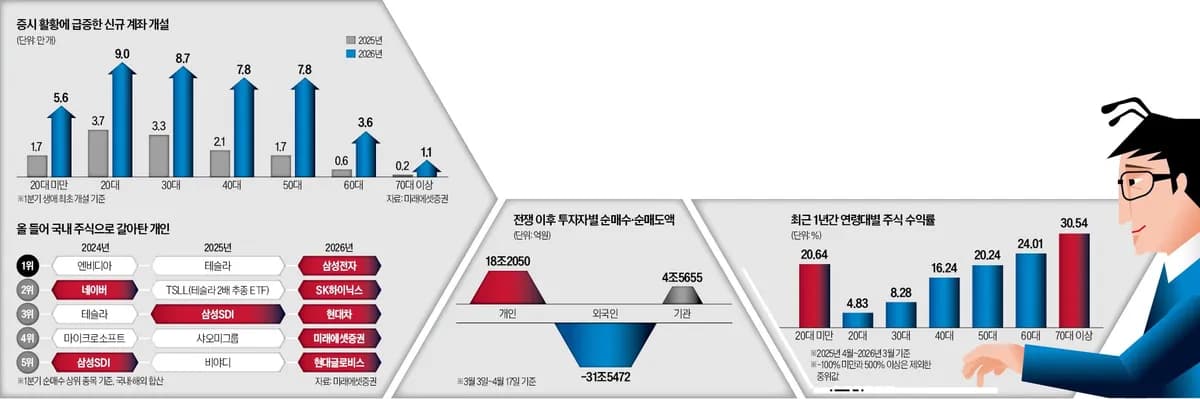
Buy in Fear, Sell in Greed — Retail Investors Credited for Defending KOSPI 5000
Donghak Ants absorb foreign selloffs, playing a key role in defending KOSPI 5000
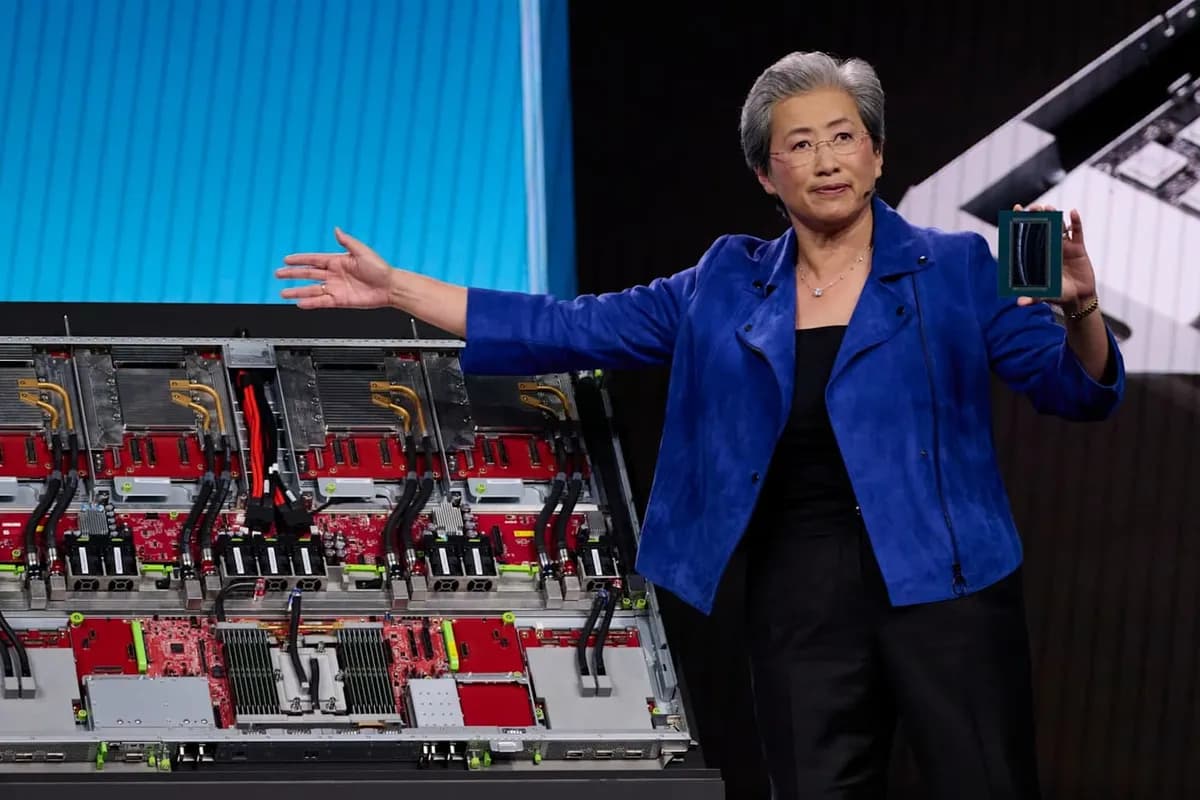
AMD MI450, Anthropic 계약 임박…엔비디아 독주에 균열 생기나
AMD MI450은 FP8 성능 40 PFLOP, HBM4 메모리 432GB로 이전 세대 대비 2배 성능을 제공한다.
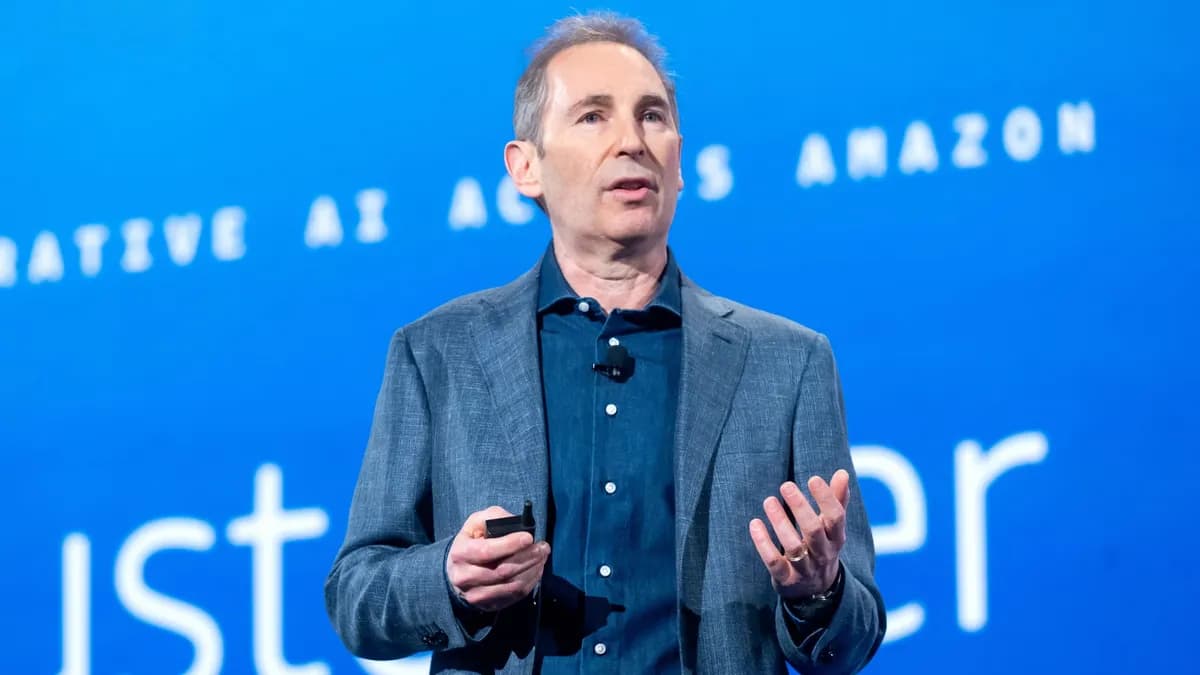
아마존, AWS AI 연매출 150억 달러 첫 공개… 2,000억 달러 투자 정당화 나섰다
아마존 재시 CEO가 AWS AI 연매출 실행률 150억 달러를 처음 공개하고, 2026년 2,000억 달러 capex 계획을 재확인했다.

TSMC, 3개 대륙 3나노 팹 동시 확장…AI 수요가 반도체 지형을 바꾼다
TSMC 2026년 1분기 순이익 NT$5,724억, 전년비 58% 급증하며 4분기 연속 신기록 달성.
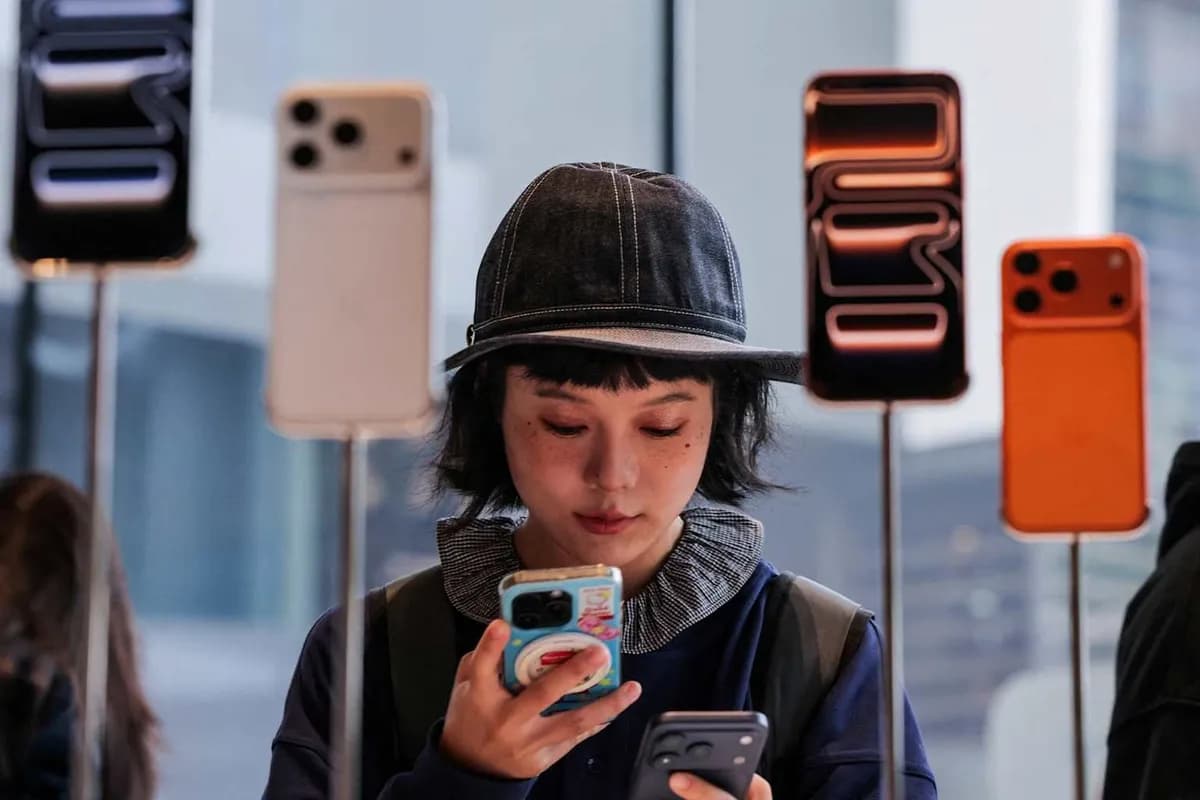
중국 스마트폰 시장 침체 속 애플 아이폰 출하 20% 급증
애플 아이폰의 중국 1분기 출하량이 전년 대비 20% 급증해 주요 업체 중 최고 성장률을 기록했다.

이란 전쟁發 에너지 위기, EU 스태그플레이션 경계선에 서다
IMF가 이란 전쟁發 에너지 위기로 EU 경기침체 가능성을 경고했다.

ICE Acting Director Todd Lyons to Resign at End of May, DHS Confirms
ICE Acting Director Todd Lyons officially set to resign at end of May, per DHS