The irony of the U.S. government shutdown: ICE gets paid, TSA goes without pay for over a month
Hundreds of airport security guards resign as Trump tax bill gives $75 billion to ICE
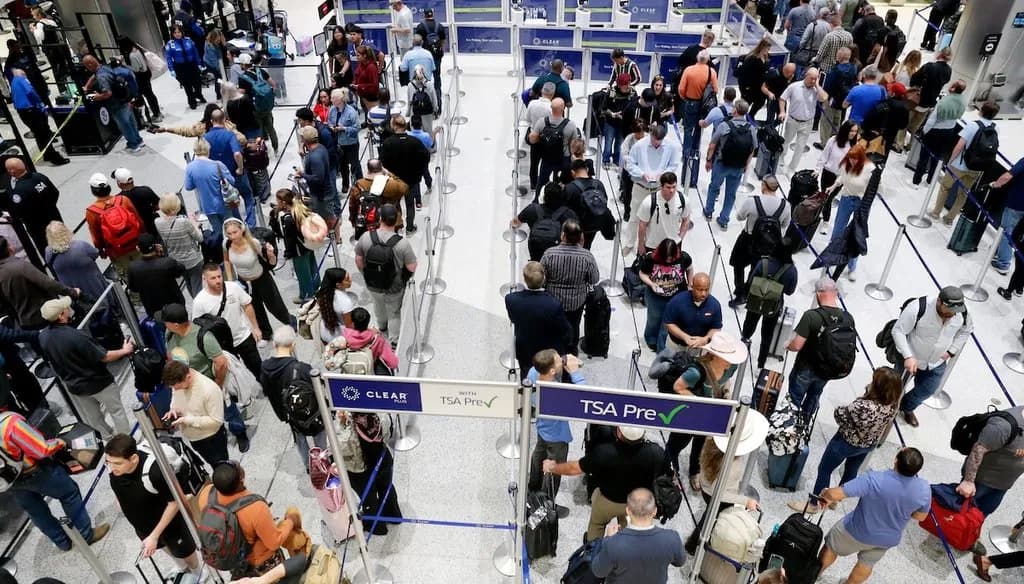
- •President Trump deployed ICE agents to relieve airport security delays, but TSA remains unpaid.
- •ICE secured $75 billion from the Trump tax law, while TSA is tied up in DHS budget negotiations.
- •Democrats are demanding reform of ICE tactics, and negotiations have stalled, leading to hundreds of TSA agents resigning.
ICE deployed to airports, but TSA works without pay
President Donald Trump deployed Immigration and Customs Enforcement (ICE) agents to airports across the United States starting March 23. This is a measure to alleviate the several-hour wait times for security screening due to the partial government shutdown.
At an event in Memphis, Tennessee, President Trump said, "ICE is assisting Transportation Security Administration (TSA) agents," and added that he would consider deploying the National Guard if necessary. But there is a fundamental imbalance in this situation. ICE agents are being paid normally, but TSA agents have not been paid for over a month.
Why is the salary situation different even though it is the same government agency?
The key to this difference lies in the Trump administration's 2025 large-scale tax and spending bill, the 'One Big Beautiful Bill Act'. The bill provides for approximately $75 billion in funding to ICE over four years. That includes $45 billion for new immigration detention facilities and $30 billion to hire 10,000 new ICE employees and upgrade facilities.
On the other hand, TSA was included in the Department of Homeland Security (DHS) budget negotiations, so no separate funding was secured. During the government shutdown, employees classified as essential workers are also required to come to work, but are not paid. Approximately 95% of TSA's 60,000 employees are classified as essential personnel.
The repercussions of this imbalanced situation are serious. During the shutdown, hundreds of TSA agents resigned and thousands more reported absence from work.
Where did this conflict begin?
The current partial government shutdown stems from the shooting deaths of U.S. citizens Renee Good and Alex Preti in Minnesota by federal immigration agents. Democrats are demanding policy changes to the tactics of immigration enforcement agents following this incident.
The two parties have agreed on budgets for all government agencies except the Department of Homeland Security, but DHS budget negotiations have stalled. In the fall of 2025, a 43-day government shutdown occurred, the longest in U.S. history, and then-Homeland Security Secretary Christy Norm paid a $10,000 bonus to TSA agents who worked exemplary during the shutdown.
ICE reform demanded by the Democratic Party
Democratic leaders called for 10 measures to limit ICE tactics in a February letter to Republican congressional leaders. The key contents are as follows:
- A judicial warrant is required when entering private land.
- Mandatory display of agent name and identification number
- Prohibition of crackdowns near hospitals, schools, and churches
- No wearing of face coverings.
- Mandatory use of body cameras
On March 17, Border Administrator Tom Homan and White House Legislative Director James Braid proposed expanded use of body cameras, limited enforcement in hospitals and schools, and increased identification of agents. However, some Democratic Party lawmakers criticized this proposal as lacking effectiveness because it was not enacted.
Seeking a bipartisan solution
On March 21, the Democratic Party submitted a motion to provide separate funding for TSA, but it was rejected along party lines. Democrats also introduced a bill that would fund most of DHS, including TSA, the Federal Emergency Management Agency (FEMA), and the Coast Guard, but exclude ICE and Customs and Border Protection (CBP).
On the Republican side, Texas Senator Ted Cruz proposed splitting the DHS spending bill to immediately fund TSA. The logic is that ICE and CBP can then secure funds through a budget adjustment process that can bypass the Democratic Party's filibuster.
Future outlook [AI analysis]
The current situation can be seen as an example of how political conflict over U.S. immigration policy has a direct impact on the daily lives of ordinary citizens. As the essential public service of airport security has become a tool of political struggle, inconvenience to travelers and instability in the livelihood of security personnel are occurring simultaneously.
In the short term, airport security screening delays are likely to worsen as the departure of TSA agents accelerates. As the Easter and spring travel seasons approach, the issue could come under political pressure.
Two scenarios are expected in the mid to long term. First, this is a case where the two parties agree to provide separate funding for TSA due to public pressure. Second, it is a compromise plan in which the Democratic Party compromises some of its demands for ICE reform and instead pursues legislation.
However, as both parties show no signs of backing down from key issues, the possibility that the deadlock will continue for some time cannot be ruled out. This incident is expected to serve as an opportunity to once again expose the structural weaknesses in the way the U.S. government operates.
댓글 (4)
The 관련 기사 잘 읽었습니다. 유익한 정보네요.
irony에 대해 더 알고 싶어졌습니다. 후속 기사 부탁드립니다.
간결하면서도 핵심을 잘 정리한 기사네요.
공감합니다. 참고하겠습니다.
More in Global

Man in His 30s Arrested After Crashing into Streetlight While Driving Under Propofol

Yemen's Houthis Launch Missiles at Israel, Enter War as Red Sea Security Crisis Deepens

Nepal's Ex-PM Oli Arrested Over Deadly Protest Crackdown

Iranian Missiles Breach Israeli Air Defense, Strike Southern Cities Dimona and Arad

Mastermind of 'Revenge-for-Hire' Ring Faces Arrest Warrant Over Feces Terror Attacks

BBC Investigation Uncovers Error in Dopamine Agonist Drug Warnings... UK Authorities Launch Review
Latest News

Goyang Sono's 10-Game Winning Streak Ends as DB's Ellenson Explodes for 38 Points
Wonju DB ends Goyang Sono's 10-game winning streak with Henry Ellenson's 38-point explosion

Israel Activates Air Defense as Houthi Rebels Launch Missile from Yemen
Israeli military detects Houthi rebel missile launch from Yemen on the 28th and activates air defense
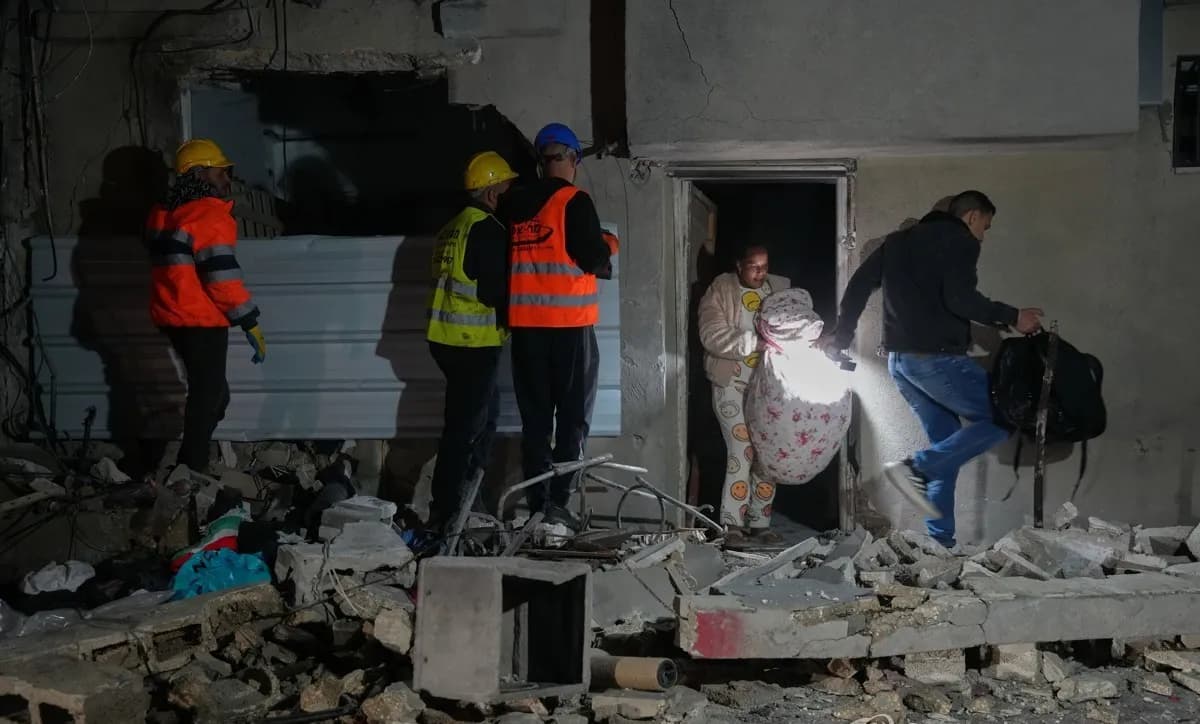
Middle East War Reaches One-Month Mark, Weekend Critical for Talks or Ground War
Middle East war from US-Israel-Iran strikes enters 27th day

ASEAN Summit to Proceed in Philippines in May Despite Middle East Conflict, Scale Reduced
ASEAN summit confirmed for May in Philippines despite prolonged Middle East conflict
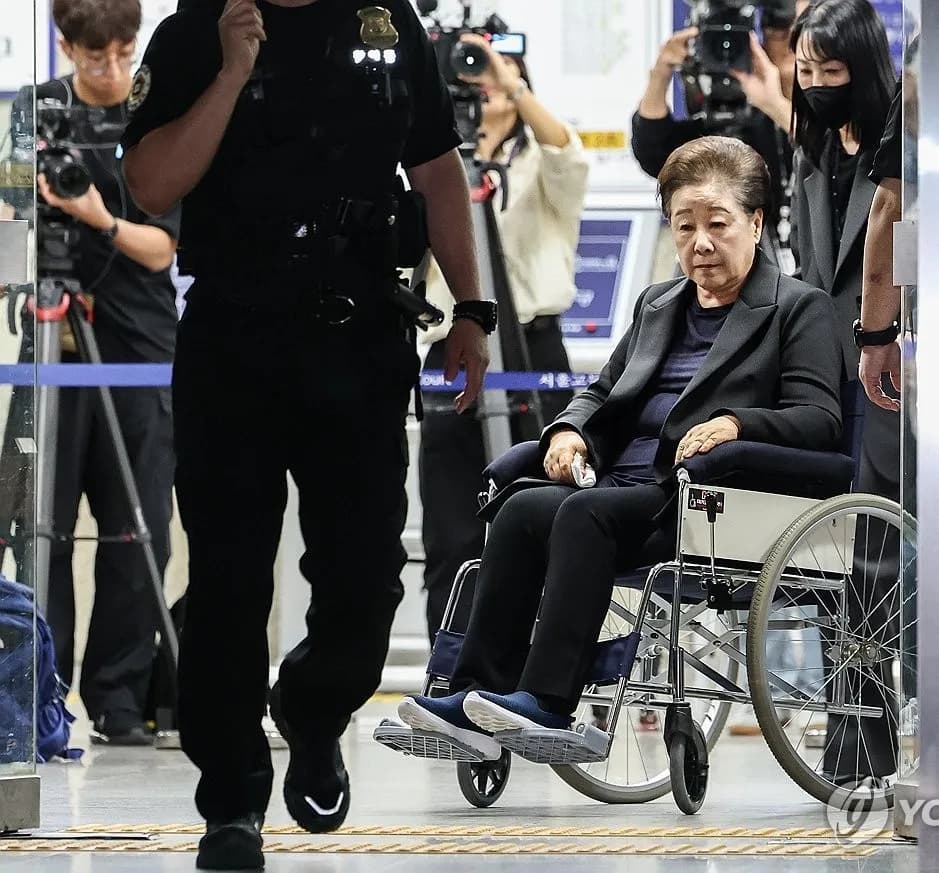
Court Suspends Detention of Unification Church Leader Han Hak-ja, Temporary Release Until Next Month 30th
Court decides to suspend detention of Unification Church leader Han Hak-ja
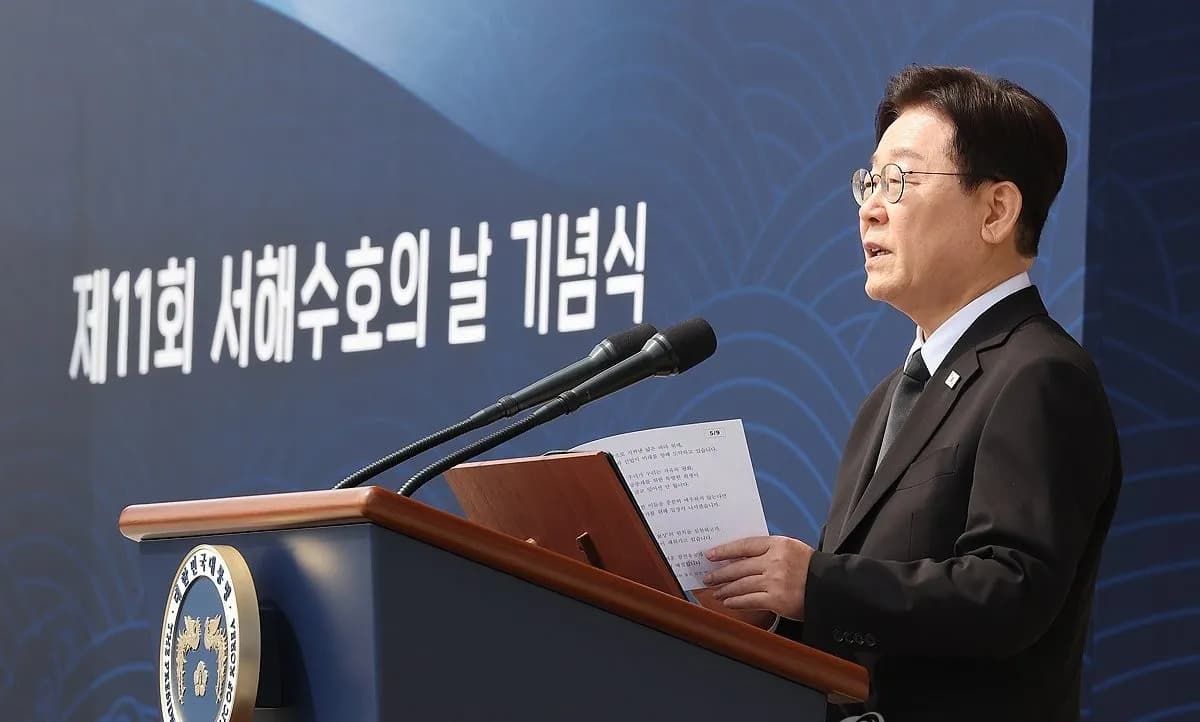
People Power Party Strongly Criticizes President Lee's Cheonan Ship Remarks
People Power Party strongly criticizes President Lee Jae-myung's Cheonan-related remarks