Valerian Bloss, reinterpreting materials and opening up new possibilities in design and production
A world of speculative design that turns the Chernobyl explosion into ceramics and climate disaster into a playground.
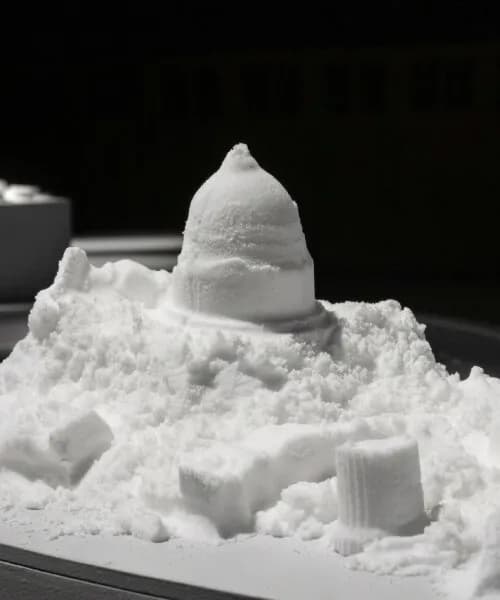
- •Berlin artist Valerian Bloss is presenting speculative design work that transforms disasters and materials into art.
- •By embodying the Chernobyl explosion through ceramics and climate disaster through experiential installations, we are forced to face uncomfortable truths.
- •His work suggests the possibility of a new role for art and design in an era of climate crisis.
An artist who transforms materials and disasters into art
Berlin-based designer and artist Valerian Blos is attracting attention for his work that crosses installation art, speculative design, and materials research to materialize uncomfortable truths that modern society ignores.
At the center of his work is the metaphor of the ‘dinner table.’ In the representative work 'Substance of Power', the audience sits under red lighting, between neuron-shaped ceramic plates and gradually falling apart architectural miniatures, and tastes a different 'substance' in each performance. The topic is mercury one day, plastic another day, and the quiet accumulation of technological consumption seeping into the human body through the food chain and the air.
Why is this work important?
Valerian Blos' approach goes beyond simple artistic expression. He stands at the border between art, science, and design and uses design as a tool to produce 'friction' rather than 'answer'. It makes things that the world has normalized unfamiliar and allows us to face them, leaving the responsibility of facing them to the audience.
The topics he repeatedly addresses are technology, disaster, and materials themselves. The most uncomfortable questions arise at the point where these three overlap.
Consolidating historical disasters into ceramics
'What Could Go Wrong?' covers historical events that started as safety drills and ended in real disasters—the Chernobyl nuclear accident, nuclear test explosions, and industrial accidents. The moment of explosion is captured in 3D simulation, then cast into ceramics and fired in a kiln. This process of simulating destruction and making it permanent through heat becomes a kind of ritual that meditates where human arrogance ends and its consequences begin.
'Catastrophes and Simulations' extends the same territory to the playground. Starting from the observation that swings, jungle gyms, and rope courses are structurally no different from fire escape equipment or disaster training facilities, it reveals that children practice survival without realizing it.
Experience the world after climate disaster
'Into the Second Dust Bowl' takes visitors inside a Western theme park in an era of climate overshoot, with global warming exceeding 1.5 degrees. In a world where sandstorms are a daily occurrence and geoengineering is a part of life, visitors film a two-minute commemorative video with their smartphones. You are taking the future home with you on the same device that you mindlessly scroll through the current news.
Discovering new value from the dust of works of art
The exploration of materials is the point where utopian thinking is most physically realized in Bloss' work. 'The Aura Harvester' began with dust collected from the surfaces of paintings at the Gemelde Gallery in Berlin. Fine particles on the surface of the painting are removed to prevent damage, but they still contain material traces of the original work. The artist collects things that are normally discarded and asks what they contain.
Future outlook [AI analysis]
Valerian Bloss' work shows what role speculative design can play in an era of climate crisis and technological overload. Rather than simply predicting the future or suggesting solutions, the method of questioning the normality of the present and inducing a change in perception through discomfort is likely to influence more artists and designers in the future.
In particular, his methodology, which combines material research and experiential installation, goes beyond the limitations of existing exhibition formats and presents a new model of audience-participatory art. His questions about disaster, technology, and consumption are expected to gain even more urgent resonance as the sustainability discourse spreads.
댓글 (3)
Valerian 상황이 심각하네요. 서민들 피해가 걱정됩니다.
Bloss 문제가 장기화되면 어떻게 될지 우려됩니다.
맞습니다. 대비가 필요한 시점이에요.
More in Culture & Art
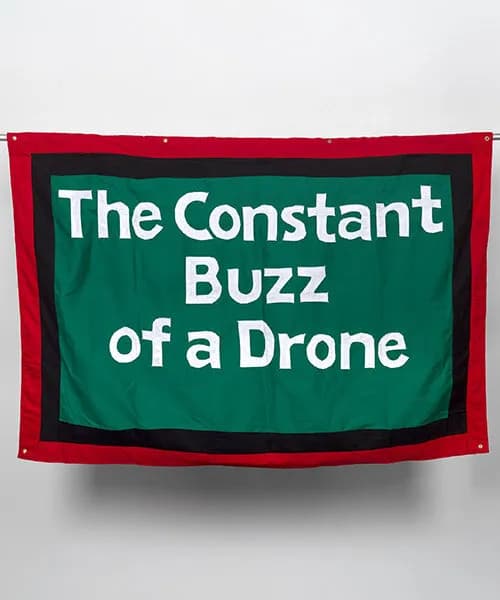
39 world-renowned artists, including Brian Eno and Jen Goldin, join an auction to support humanitarianism in Palestine

Cinnamund Café, integrated into Barcelona's medieval architecture, a blend of history and modernity

Building a Refugee Shelter with Nomadic Weaving Techniques: An Architectural Experiment with Abir Seikali
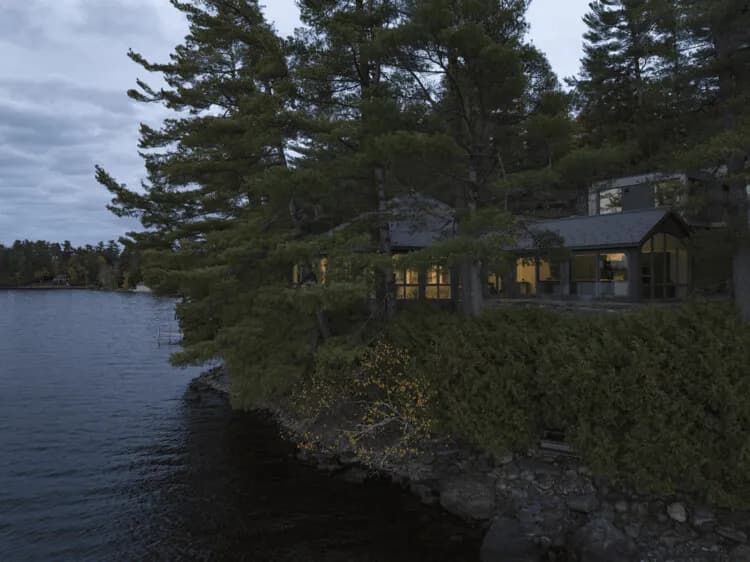
A small villa at the end of a lake is reborn as modern architecture.

Belgian fashion legends ‘Antwerp Six’ gather together for the first time in 40 years

WORKac transforms flood plains into ‘new possibilities for habitation’
Latest News
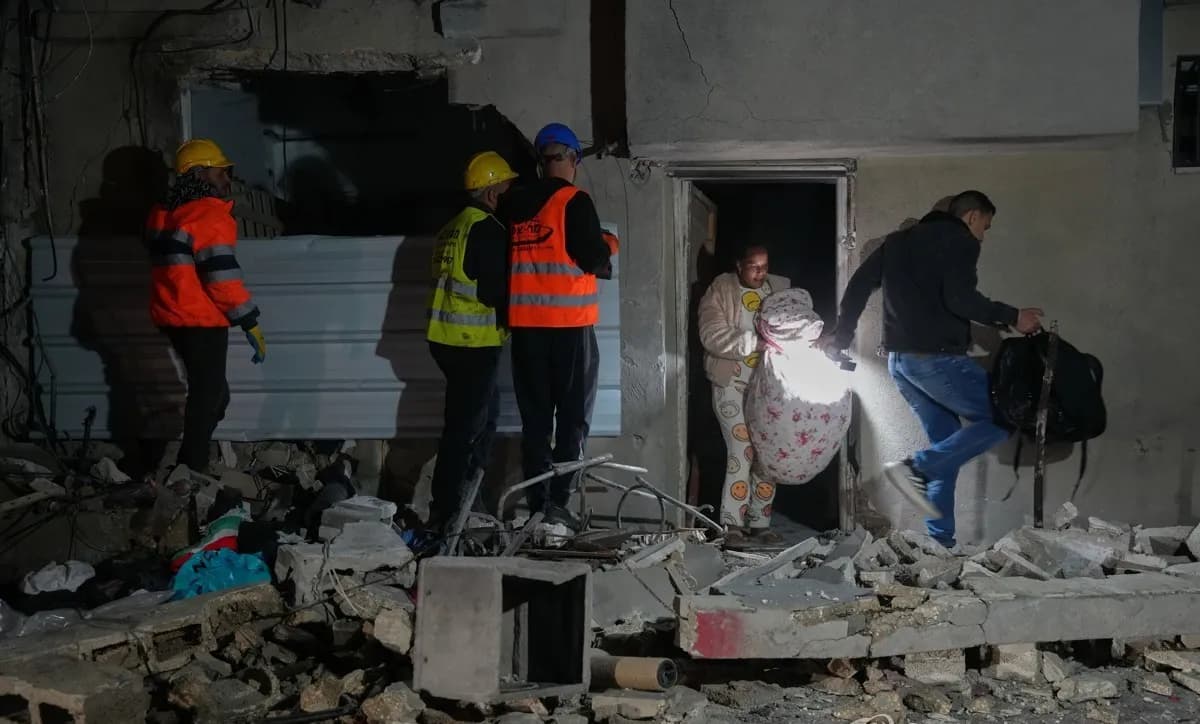
Middle East War Reaches One-Month Mark, Weekend Critical for Talks or Ground War
Middle East war from US-Israel-Iran strikes enters 27th day

ASEAN Summit to Proceed in Philippines in May Despite Middle East Conflict, Scale Reduced
ASEAN summit confirmed for May in Philippines despite prolonged Middle East conflict

Court Suspends Detention of Unification Church Leader Han Hak-ja, Temporary Release Until Next Month 30th
Court decides to suspend detention of Unification Church leader Han Hak-ja

People Power Party Strongly Criticizes President Lee's Cheonan Ship Remarks
People Power Party strongly criticizes President Lee Jae-myung's Cheonan-related remarks

Malaysia-Indonesia Leaders Hold Emergency Talks on Middle East War Response
Malaysian PM Anwar and Indonesian President Prabowo held emergency talks in Jakarta
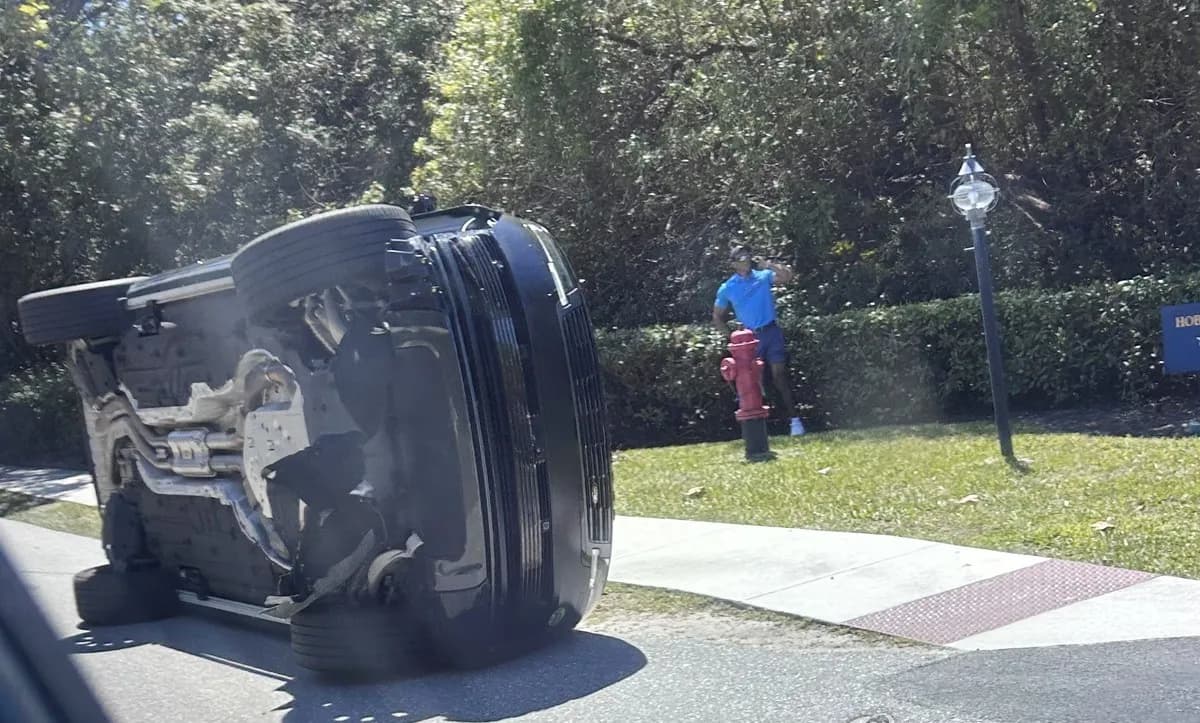
Tiger Woods Arrested for DUI Just 3 Days After Comeback—Fourth Vehicle-Related Incident
Tiger Woods arrested for DUI just 3 days after comeback
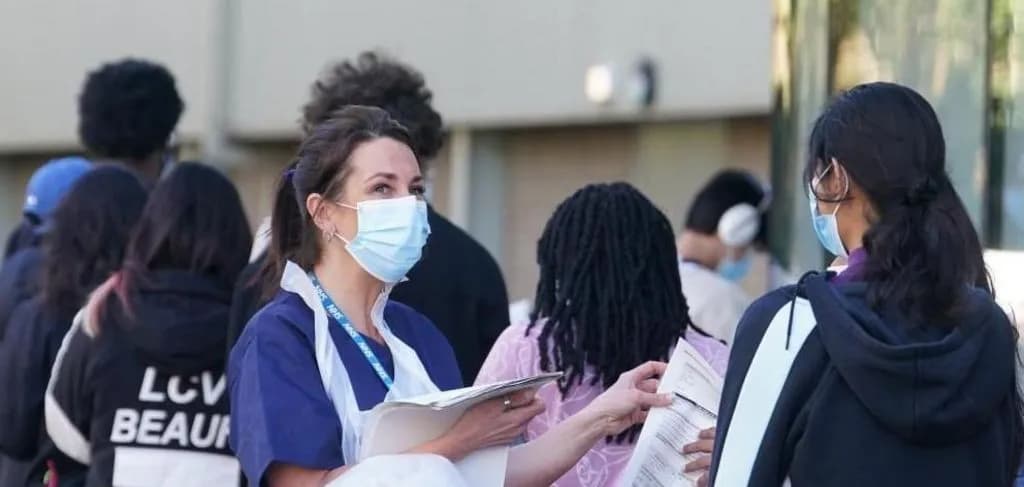
UK University Meningitis Outbreak: Worst Over but Concerns Remain About Recurrence
UK university meningococcal outbreak worst appears over, but cause remains unclear
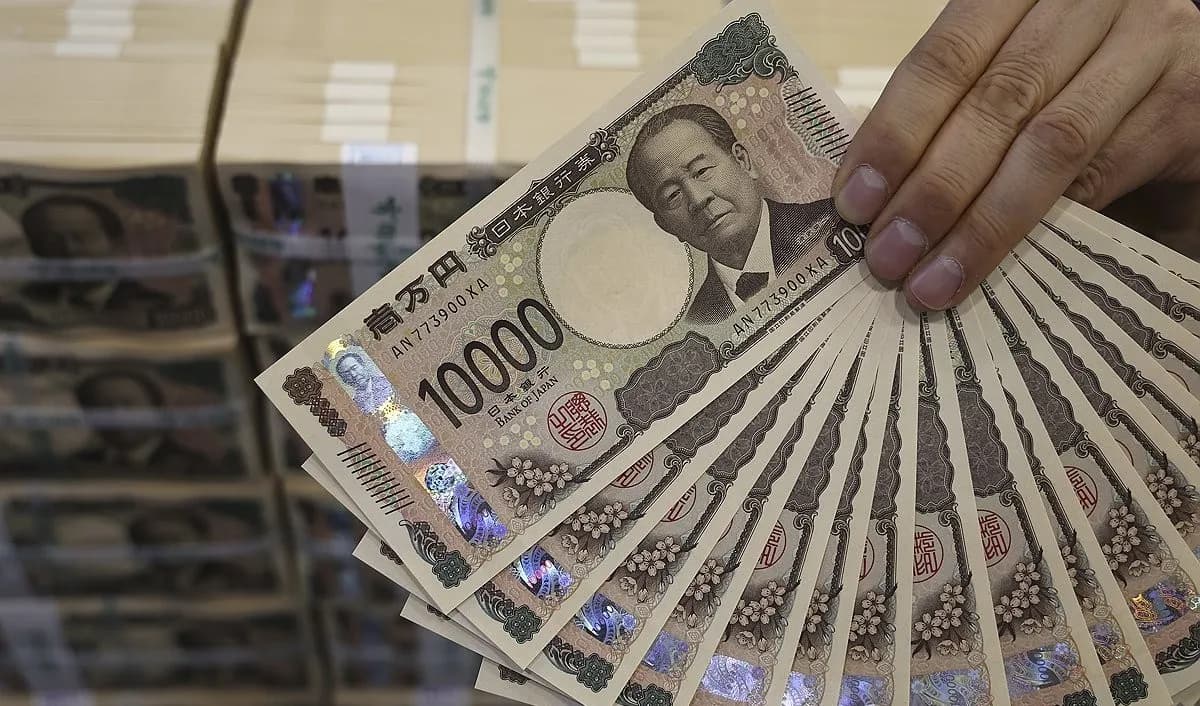
Yen/Dollar Rate Breaks Through 160 Yen for First Time in 1 Year 8 Months Amid US-Iran War
Yen/dollar rate breaks through 160 yen for first time in 1 year 8 months amid US-Iran war