WHO recommends innovative diagnostic tools to end tuberculosis... Introduction of ‘tongue swab test’
Portable diagnostic devices and new specimen collection methods are expected to expand diagnostic accessibility in low-income countries.
- •WHO recommended portable point-of-care testing devices and tongue swab testing for early diagnosis of tuberculosis.
- •The new diagnostic tool can provide results within one hour at less than half the cost of existing devices.
- •With 3,300 people dying from tuberculosis every day, cuts to global health budgets are threatening progress in eradicating the disease.
World Health Organization announces new diagnostic guidelines to eradicate tuberculosis
On World Tuberculosis Day, the World Health Organization (WHO) announced new diagnostic tool recommendations to end tuberculosis. The core of this guideline is the introduction of the 'point-of-care test' and the 'tongue swab specimen collection method', recommending the use of portable diagnostic devices that can confirm results within one hour at less than half the cost of existing molecular diagnosis.
“These new tools can bring rapid, accurate diagnosis closer to the patient, saving lives, curbing transmission and reducing costs,” said WHO Director-General Tedros Adhanom Ghebreyesus.
Implications of tongue swab testing and specimen pooling strategies
What is receiving particular attention in this recommendation is the ‘tongue swab’ sample collection method. Previously, sputum (phlegm) was collected and tested, but the test itself was not possible for adults and adolescents who had difficulty expelling sputum. The tongue swab test provides these people with the opportunity to be tested for tuberculosis for the first time and enables early detection of those at high risk of dying from tuberculosis.
Additionally, a ‘sputum pooling’ strategy was also recommended. By collecting samples from multiple people and testing them all at once, the cost of testing materials and equipment usage time can be significantly reduced. WHO recommends active use of this method, especially in settings where resources are extremely limited.
Tuberculosis eradication achievements and crisis situations
Tuberculosis remains one of the world's deadliest infectious diseases. Every day, more than 3,300 people die from tuberculosis and more than 29,000 people become newly infected. Since 2000, global efforts to eradicate tuberculosis are estimated to have saved approximately 83 million lives, but recent cuts to global health budgets are threatening these achievements.
In particular, one of the reasons for the slow spread of existing rapid diagnostic tools is their high cost and dependence on specimen transportation to central laboratories. The portable point-of-care diagnostic device recommended this time is expected to lower these barriers as it can operate on batteries and is inexpensive.
Impact on Korea
Korea has a high incidence of tuberculosis among Organization for Economic Co-operation and Development (OECD) countries, and tuberculosis control remains a challenge, especially among the elderly and vulnerable groups. WHO's recommendation for a new diagnostic tool also provides implications for Korea's tuberculosis control policy.
The introduction of low-cost on-site diagnostic devices can reduce diagnostic delays by enabling immediate testing at local public health centers or nursing facilities. Additionally, the tongue swab test method can contribute to the early detection of elderly patients for whom sputum collection is difficult, so it is likely to be considered as a new tool in the domestic tuberculosis management system.
Expandability to a multi-purpose diagnostic platform
In addition to tuberculosis, the diagnostic device recommended this time can be used to test other diseases such as HIV, mpox, and human papillomavirus (HPV). WHO explained that through this, it is possible to realize patient-centered medical care in the form of a ‘one-stop service’ that diagnoses multiple diseases in one place.
Future outlook [AI analysis]
The theme for World Tuberculosis Day 2026 is ‘Yes! ‘We can end tuberculosis: the country leads, the people join together’. WHO is calling for rapid deployment of point-of-care diagnostic technologies, strengthening community-led, patient-centered care, building resilient health systems, multi-sectoral responses to the socioeconomic drivers of TB, and protecting essential TB services despite the global crisis and budget constraints.
If the distribution of new diagnostic tools is expanded, the early detection rate of tuberculosis is likely to improve significantly, especially in low-income countries with weak health care infrastructure. However, before actual field application, tasks such as reflecting each country's health policy, training medical staff, and establishing a supply chain remain, so gradual spread is expected rather than dramatic change in the short term. In the long term, it is expected to develop into an integrated platform that simultaneously diagnoses tuberculosis and other infectious diseases, contributing to strengthening global health security.
댓글 (2)
WHO 관련 기사 잘 읽었습니다. 유익한 정보네요.
흥미로운 주제입니다. 주변에도 공유해야겠어요.
More in Global

Man in His 30s Arrested After Crashing into Streetlight While Driving Under Propofol

Yemen's Houthis Launch Missiles at Israel, Enter War as Red Sea Security Crisis Deepens
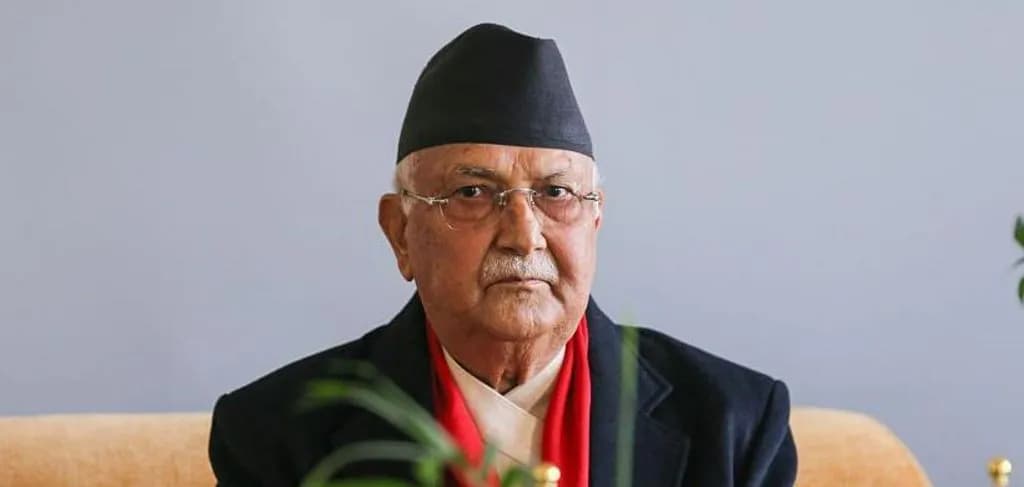
Nepal's Ex-PM Oli Arrested Over Deadly Protest Crackdown

Iranian Missiles Breach Israeli Air Defense, Strike Southern Cities Dimona and Arad

Mastermind of 'Revenge-for-Hire' Ring Faces Arrest Warrant Over Feces Terror Attacks

BBC Investigation Uncovers Error in Dopamine Agonist Drug Warnings... UK Authorities Launch Review
Latest News

Goyang Sono's 10-Game Winning Streak Ends as DB's Ellenson Explodes for 38 Points
Wonju DB ends Goyang Sono's 10-game winning streak with Henry Ellenson's 38-point explosion

Israel Activates Air Defense as Houthi Rebels Launch Missile from Yemen
Israeli military detects Houthi rebel missile launch from Yemen on the 28th and activates air defense
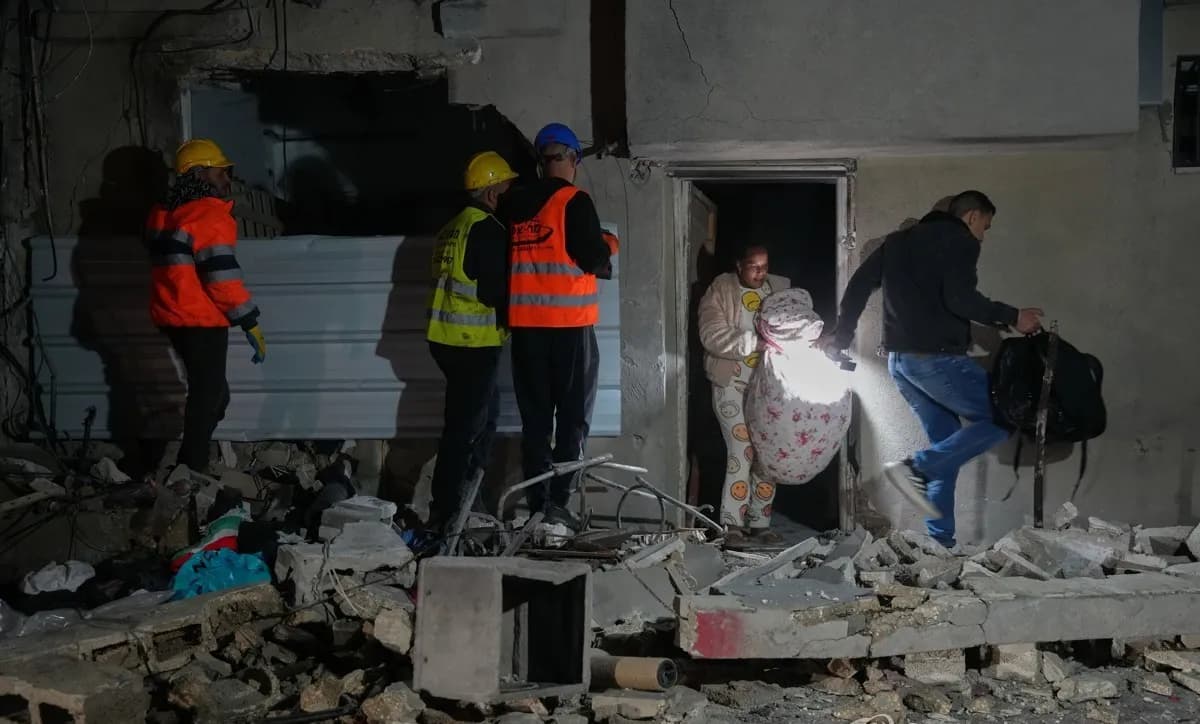
Middle East War Reaches One-Month Mark, Weekend Critical for Talks or Ground War
Middle East war from US-Israel-Iran strikes enters 27th day

ASEAN Summit to Proceed in Philippines in May Despite Middle East Conflict, Scale Reduced
ASEAN summit confirmed for May in Philippines despite prolonged Middle East conflict
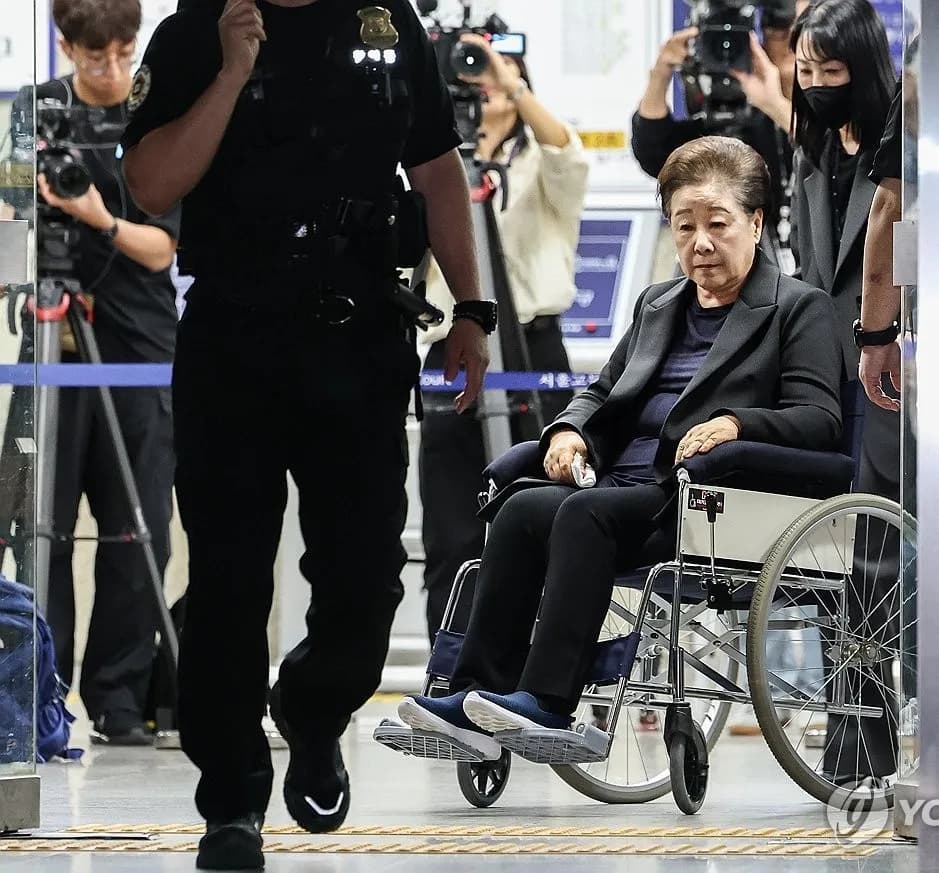
Court Suspends Detention of Unification Church Leader Han Hak-ja, Temporary Release Until Next Month 30th
Court decides to suspend detention of Unification Church leader Han Hak-ja
People Power Party Strongly Criticizes President Lee's Cheonan Ship Remarks
People Power Party strongly criticizes President Lee Jae-myung's Cheonan-related remarks