Why Tencent's '50 billion and above' strategy did not fit British indie studio Bulkhead
Conflict between large-scale investment and small-scale development philosophy ultimately leads to independence
- •Bulkhead proposed a 17 billion won project under Tencent, but was evaluated as 'too small'
- •Tencent notifies UK studios that it will not consider projects worth less than 50 billion won in 2021-22
- •In the end, Bulkhead chose independence, demonstrating the structural mismatch between large investors and small and medium-sized studios.
College friends’ studio enters Tencent’s arms
British game developer Bulkhead was a small studio started 11 years ago by a group of friends who had just graduated from college. Founder and CEO Joe Brammer recalls that he obtained a development kit by bluffing to the ID@Xbox program at the time that "developers from Fable would be joining us." In reality, there were only three developers.
In 2019, the military shooter 'Battalion 1944' achieved success by selling more than 580,000 copies, and Square Enix acquired a 20% stake in Bulkhead in 2018. However, collaboration with Square Enix was not smooth. A survival game project worth 2 million pounds (approximately 3.4 billion won) was underway, but it drifted somewhere between indie and AAA.
“It was too big for Collective (an indie label) and too small for Square Enix headquarters,” Brammer explained at the time. The project was eventually canceled, and it parted ways with Square Enix in 2022.
A dreamlike start under Tencent
In the same year, Bulkhead was acquired by Splash Damage. Splash Damage came under Tencent in 2020 when Tencent acquired Leyou Technologies for about $1.3 billion (about 1.7 trillion won).
For Brammer, getting into the arms of a large corporation was not simply about securing funding. “I ran without a mentor for 6-7 years, and now I have the opportunity to learn,” he said, adding that his experience at Splash Damage was crucial in growing as a leader.
2022, the first year under Tencent, “felt like a dream,” Brammer recalls. “He gave me money and said, ‘Make what you want to make, and let me know later what it is.’ It was the best.”
“I won’t even look at anything less than 50 billion won.”
Bulkhead proposed a PC first-person shooter, ‘Wardogs.’ The budget was 10 to 12 million pounds (about 17 to 20 billion won), more than five times the previous project. But it was still small for Tencent.
“They said it wasn’t big enough,” Brammer said. “We told all studios in the UK for 2021-22 that we would not consider any project under £50m. It was not what we wanted to make. It was too big.”
A paradoxical situation also occurred. Tencent was suspicious when Bulkhead achieved all of its goals while implementing a four-day workweek and only used 50% of its budget. The response was, “Because we didn’t use up the entire budget, we’re not developing it properly.” “I refused to throw money at the problem,” Brammer explained.
Breakup, and independence
Tencent liked Wardogs itself and initially intended to keep Bulkhead when it sold Splash Damage to private equity fund Emona Capital in September 2025. However, in the end, Wardogs' scale did not meet Tencent's standards.
Mike McGarvey of Hiro Advisory, who advised Bulkhead on its independence process, said, “Tencent’s priorities have changed.”
Structural mismatch between large publishers and small and medium-sized studios
This case shows that the investment strategy of a large publisher and the development philosophy of a small or medium-sized studio can fundamentally conflict. Large investors such as Tencent pursue economies of scale and focus on large-scale projects to maximize returns relative to management costs. On the other hand, studios that value efficient operation like Bulkhead believe that ‘spending a lot of money’ is not ‘good development’.
As the large-scale investments poured into the gaming industry in the early 2020s decline after 2023, such conflicts are becoming more frequent. Tencent liquidated its stake in several Western studios between 2024 and 2025, and Epic Games and Ubisoft also carried out restructuring.
Future outlook [AI analysis]
Bulkhead's case suggests changes in the investment structure of the gaming industry in the future. If large publishers stick to the '50 billion won or more' standard, mid-sized studios are likely to seek independent routes or find alternative funding sources such as private equity funds and venture capital.
It is unclear what form Wardogs will be released in after independence, but Bulkhead's operating method, which has proven efficient development while maintaining a four-day workweek, is expected to attract attention within the industry. If Tencent's trend of reducing investment in Western games continues, the number of similar independent cases is expected to increase.
댓글 (3)
Why 관련 기사 잘 읽었습니다. 유익한 정보네요.
좋은 의견이십니다.
Tencent에 대해 더 알고 싶어졌습니다. 후속 기사 부탁드립니다.
More in Gaming
Warhammer 40,000 series revived, 'Don of War 4' confirmed for release in 2026

Pokemon Champions producer: “We are preparing for the era of 10,000 types of Pokemon”

Kingdom Come Deliverance 2 developer, controversy over replacement with AI after firing translator
Zelda fanatic Norwegian mom reclaims Guinness record with 4,000 piece collection
Riot Games secretly developing League of Legends ARPG
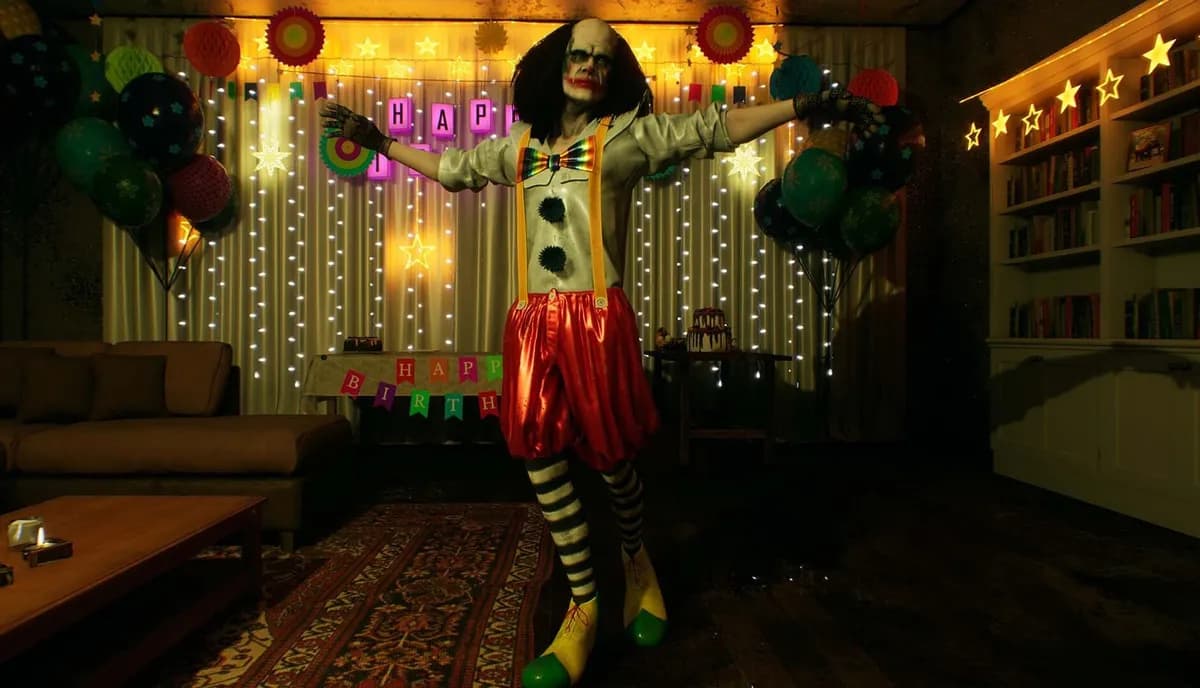
Exploring the essence of fear: ‘Birthday Boy’ shows transgenerational trauma horror
Latest News
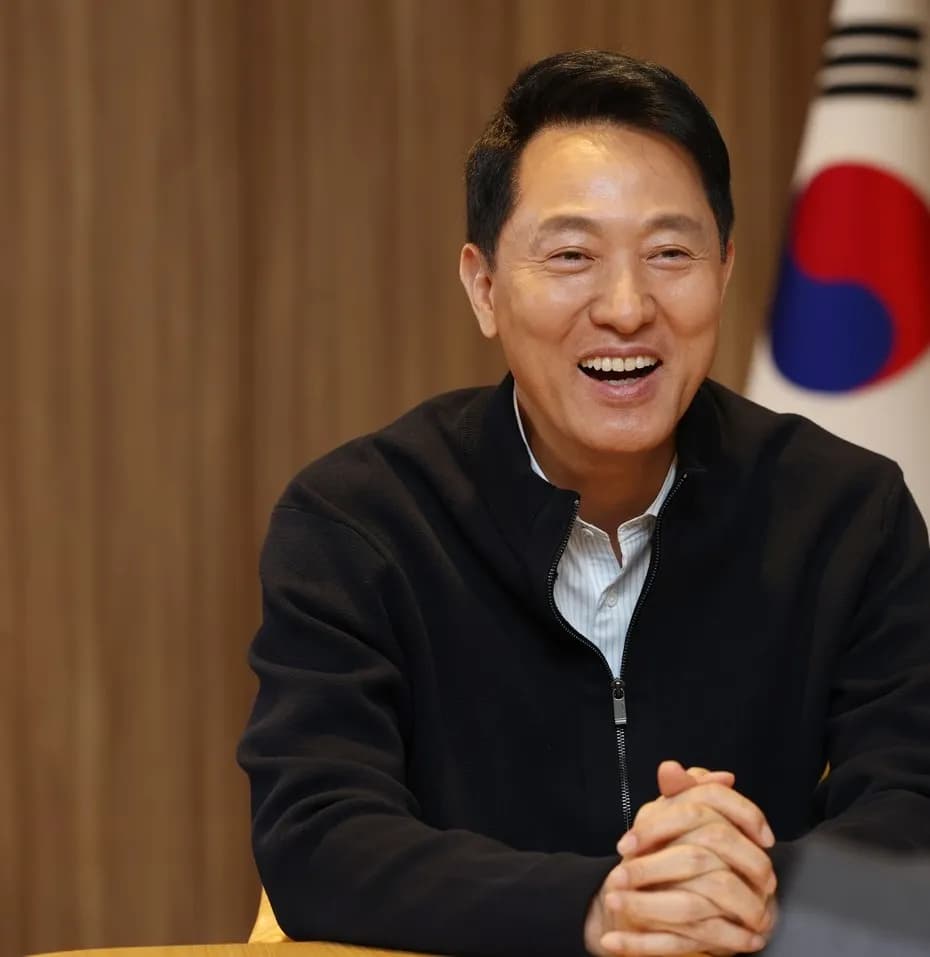
Oh Se-hoon: "I Would Choose 5th Term as Seoul Mayor Over Presidency"
Seoul Mayor Oh Se-hoon states he would choose 5th mayoral term over presidency
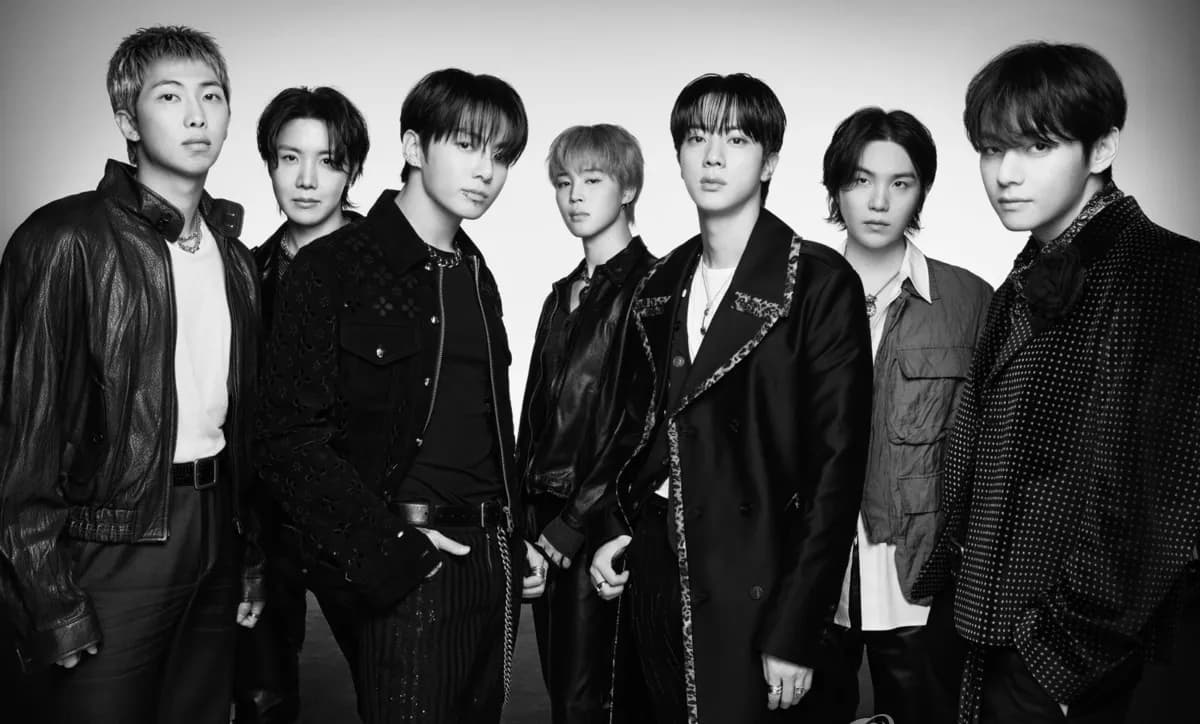
BTS' 'Arirang' Tops Billboard 200 Chart—Seventh No. 1 Album
BTS's new song 'Arirang' achieves No. 1 on U.S. Billboard 200 chart

Three Arrested in Paris After Attempted Bomb Attack Near Bank of America
Three suspects arrested after attempted bomb attack near Bank of America branch in Paris
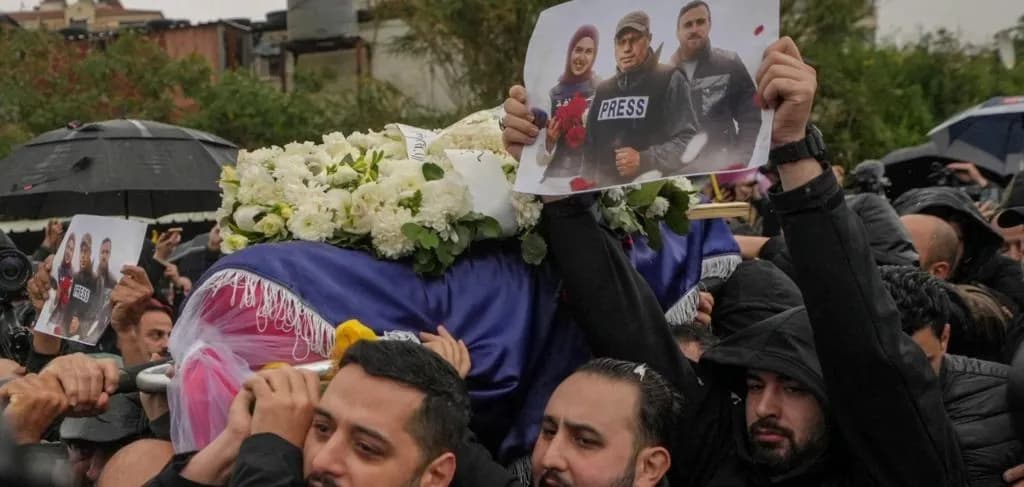
Three Journalists Killed in Israeli Strike on Southern Lebanon, Hundreds Mourn in Beirut
Three journalists killed in Israeli targeted attack on southern Lebanon
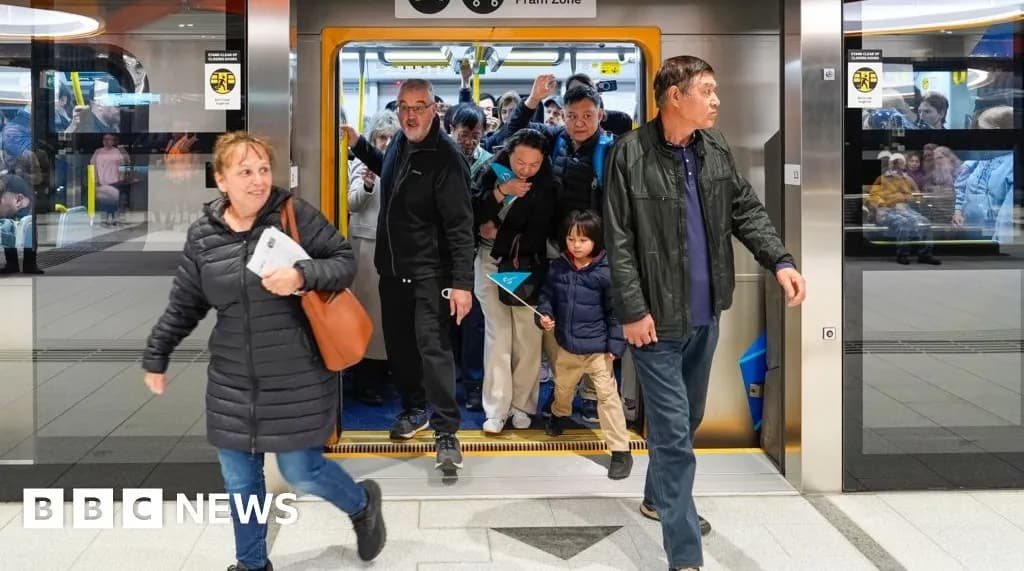
Two Australian States Offer Free Public Transport as Iran War Drives Up Fuel Prices
Victoria and Tasmania implement free public transport in response to fuel price surge from Iran war fallout

Iranian Missile Strikes Israeli Industrial Zone—Major Fire and Hazardous Material Leak
Iranian ballistic missile directly hits southern Israeli industrial zone, causing major fire
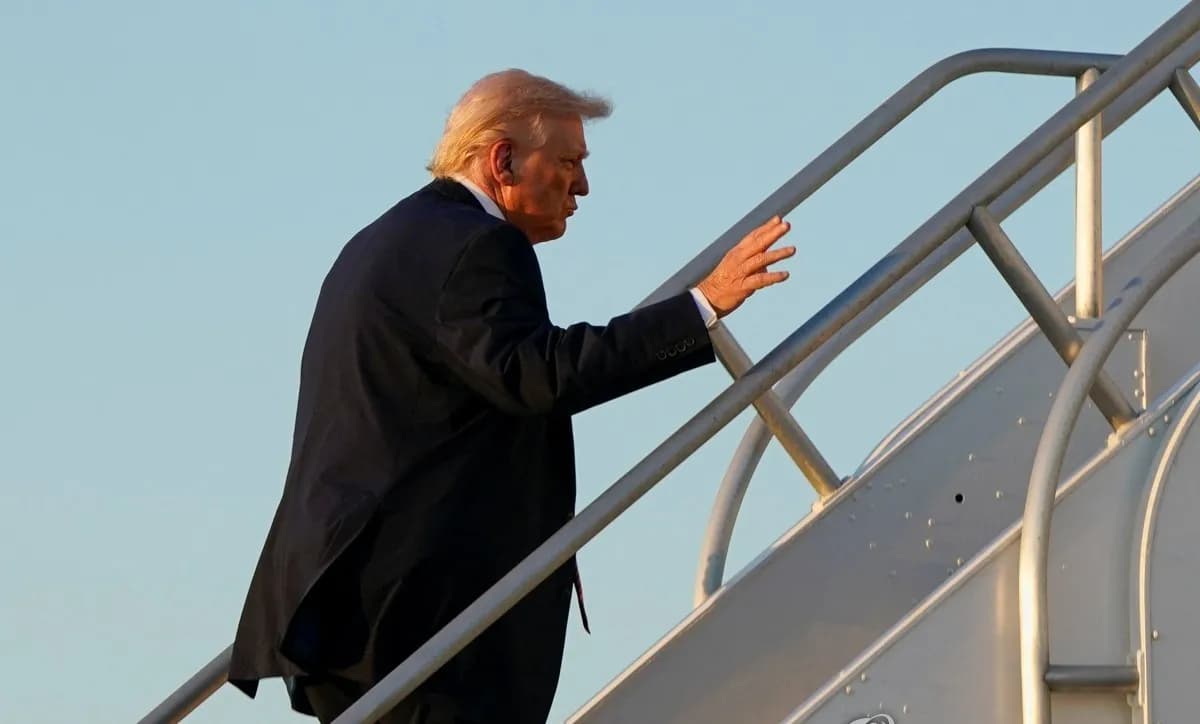
Trump Shares Pastor's Letter Amid Month-Long Iran War: "Blessed Are the Peacemakers"
President Trump shares pastor's letter on one-month anniversary of Iran war

African Football Chief Resigns Amid Morocco-Senegal Final Controversy
CAF Secretary General Veron Mosengo-Omba resigns amid Morocco-Senegal final controversy