China's Communist Party Opens Fourth Plenum Amid Tariff War, Discusses 15th Five-Year Plan
Will Xi Jinping Find Breakthrough for Sluggish Domestic Demand and Real Estate Slump? Focus on AI and Core Technology Development Expected
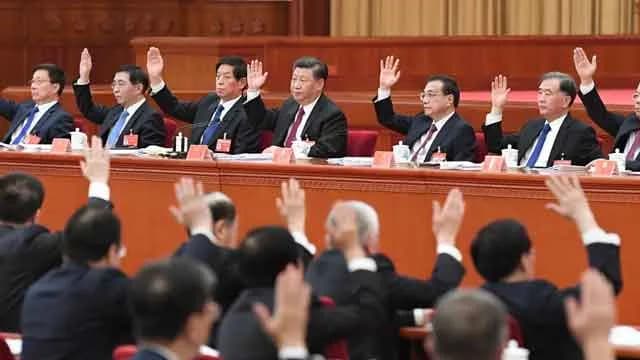
- •China's Communist Party Fourth Plenum opened on October 20 to discuss the 15th Five-Year Plan for 2026-2030.
- •The World Bank projected China's growth rate at 4.8% this year, falling short of the government's 5% target.
- •President Xi Jinping is expected to emphasize core technology development including AI while seeking breakthroughs amid US-China trade war and domestic demand slump.
Fourth Plenum Begins to Discuss Five-Year Economic Blueprint
The Fourth Plenary Session of the 20th Central Committee of the Communist Party of China (Fourth Plenum) convened in Beijing for four days starting October 20. The meeting, attended by 370 Central Committee members including President Xi Jinping, focuses on the 15th Five-Year Plan that will determine China's economic direction from 2026 to 2030 as its main agenda.
The Fourth Plenum is the fourth of seven plenary sessions held during the Central Committee's five-year term, traditionally addressing political lines and personnel matters. However, with last July's Third Plenum delayed by nine months, the discussion of the Five-Year Plan has been unusually advanced to this Fourth Plenum.
Double Burden of US-China Tariff War and Domestic Demand Slump
This meeting takes place against the backdrop of China's 'internal and external troubles' situation. The trade war intensified after President Donald Trump's inauguration has dealt a direct blow to China's economy, while sluggish domestic demand and real estate decline are accelerating the growth slowdown.
The World Bank projected China's growth rate this year at 4.8%, falling short of the Chinese government's target of around 5%. With the US-China summit scheduled for later this month and tensions escalating between the two nations, international attention is focused on what economic countermeasures China will present.
The Associated Press reported that "revitalizing consumption and corporate investment while alleviating overproduction problems are China's major economic challenges," forecasting that President Xi Jinping will emphasize his vision to become a leading nation in core technology sectors such as artificial intelligence (AI).
Personnel Restructuring and Military Leadership Vacuum
Beyond economic agenda items, this Fourth Plenum has drawn attention for possible high-level personnel changes in the party, government, and military. He Weidong, third-ranked vice chairman of the Central Military Commission, Liu Jianchao, former director of the International Liaison Department who was mentioned as a potential foreign minister, and Jin Zhuanglong, minister of industry and information technology known as the 'technology czar,' have disappeared from public view.
With vacancies in Central Committee positions, analysts suggest the Central Military Commission is effectively operating at 'half capacity.' However, experts predict there will be no extreme personnel overhaul or major organizational changes.
Closed-Door Meeting, Official Announcement at Next March's National People's Congress
The Fourth Plenum operates under strict confidentiality. Participants cannot leave the venue during the meeting period, and agreed-upon contents are shared only in a brief report format on the closing day. Detailed content is expected to be officially announced at the National People's Congress (NPC) scheduled for March 2026.
Attention is focused on how China's 15th Five-Year Plan will impact the global economy and technology hegemony competition, and whether the Xi Jinping third-term government's economic blueprint can translate into actual results.
[AI Analysis] Turning Point in China's Economic Strategy
This Fourth Plenum represents an important turning point for gauging the economic direction of Xi Jinping's third-term government. Amid prolonged US-China trade conflicts, a key point of interest is whether China will shift to a domestic demand-centered growth model or pursue both technological self-reliance and enhanced export competitiveness.
While emphasis on cultivating advanced industries such as AI, semiconductors, and electric vehicle batteries is likely, experts point out that sustainable growth is difficult to ensure without resolving real estate decline and local government debt issues. In particular, whether specific policies to stimulate consumption emerge will be crucial for China's future economic recovery.
In an international environment of intensifying global supply chain restructuring and technology hegemony competition, China's Five-Year Plan is not merely China's concern but is expected to become a variable affecting the overall Asian economy and global market landscape.
댓글 (6)
이 문제의 본질이 무엇인지 깊이 생각해볼 필요가 있습니다.
차분한 논의가 필요하다는 말에 공감합니다.
팩트에 기반한 냉정한 판단이 필요한 시점입니다.
중요한 포인트를 짚으셨네요.
이 사안은 신중하게 접근해야 한다고 봅니다.
균형 잡힌 시각이 필요하다는 데 동의합니다.
More in AI & Tech

Reddit Considers Face ID to Block Bots While Maintaining Anonymity
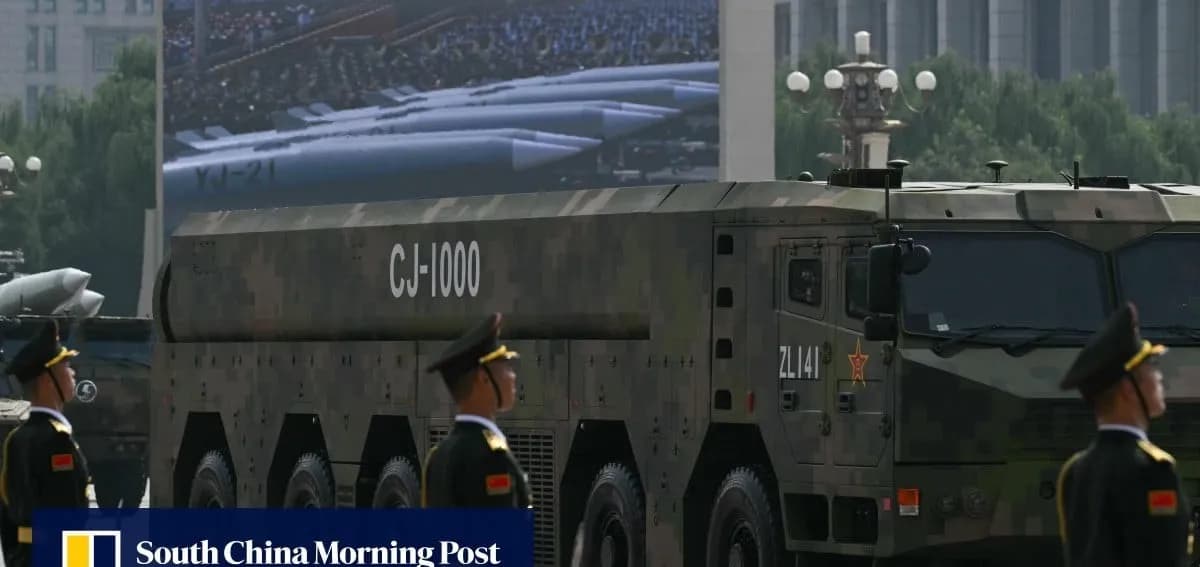
China Reduces Hypersonic Missile Core Technology Simulation to 7 Days

BTS Gwanghwamun Concert: AI Network Prevents Communication Crisis for 40,000 Fans

Czech Drone Factory Fire Under Investigation for Terrorism
Trump Slams NATO Allies as 'Cowards' Over Strait of Hormuz Refusal

Google Unveils Gemini 3.1 Flash-Lite Optimized for High-Volume Processing
Latest News

이스라엘, 헤즈볼라 무기 통로 레바논 다리 공습
이스라엘군, 헤즈볼라 무기 통로 레바논 다리 공습
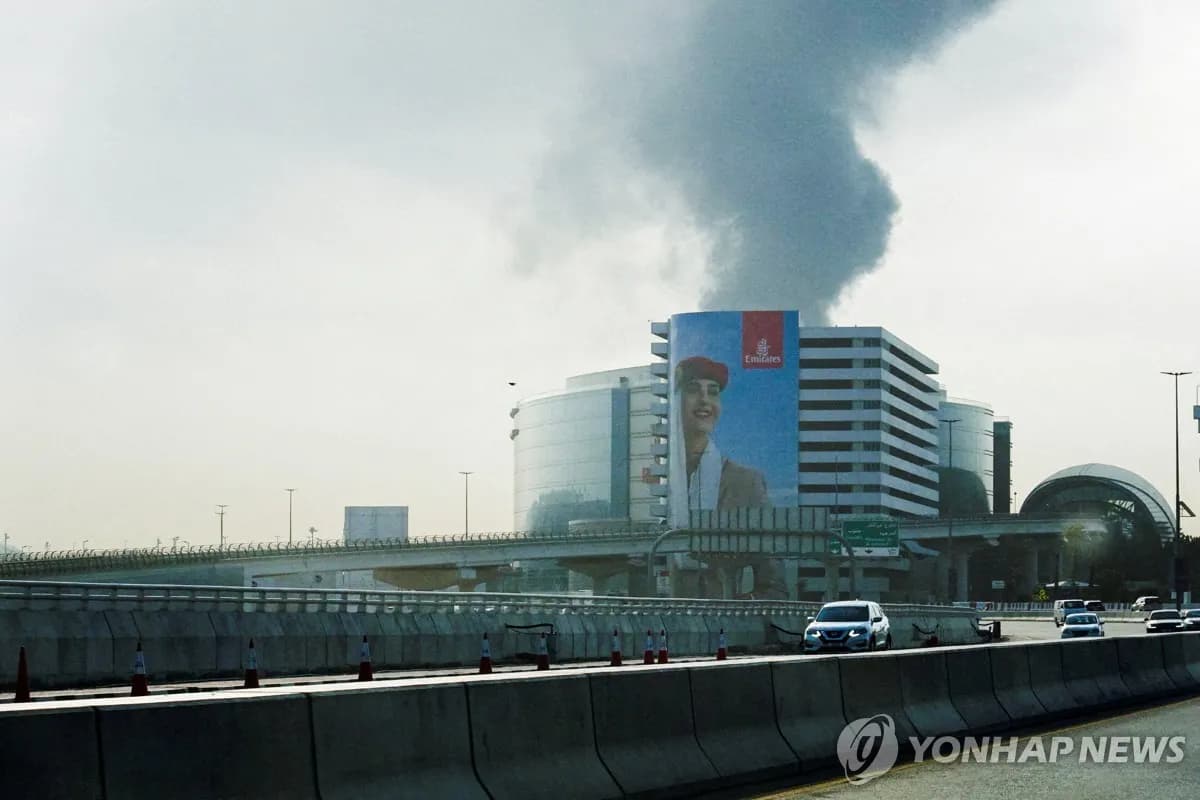
중동행 전세기 전쟁보험료 최고 7천500만원
중동행 전세기 전쟁보험료가 최고 5만달러(7천500만원)로 상승

이란 탄도미사일, 이스라엘 방어망 뚫고 160명 부상
이란 탄도미사일이 이스라엘 방공망을 통과해 160명 부상
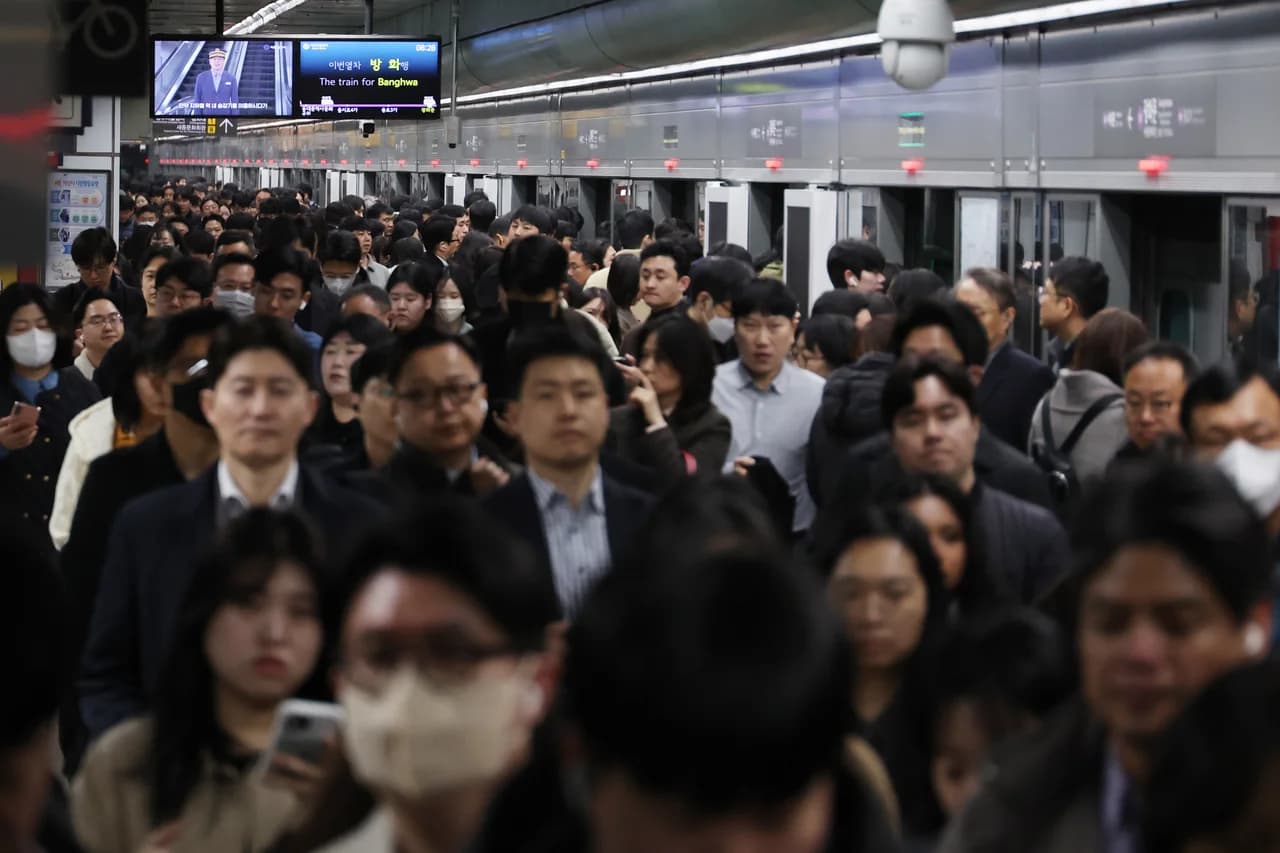
Middle East Conflict Drives Manufacturing Outlook to 10-Month Low
The Korea Institute for Industrial Economics & Trade survey shows April manufacturing outlook PSI plummeted to 88, falling below baseline for the first time in 10 months.
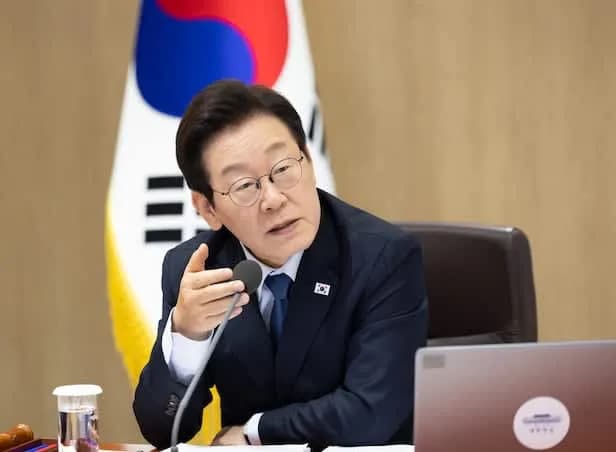
Lee Jae-myung Administration Excludes Multi-Home Officials from Real Estate Policymaking
President Lee Jae-myung has ordered the exclusion of multi-home owning public officials from all real estate policy processes.

Southeast Asia Growth Forecasts Cut Amid Oil Price Surge, Threatening Korean Exports
Maybank Research has downgraded ASEAN-6's 2026 growth forecast from 4.8% to 4.5%.
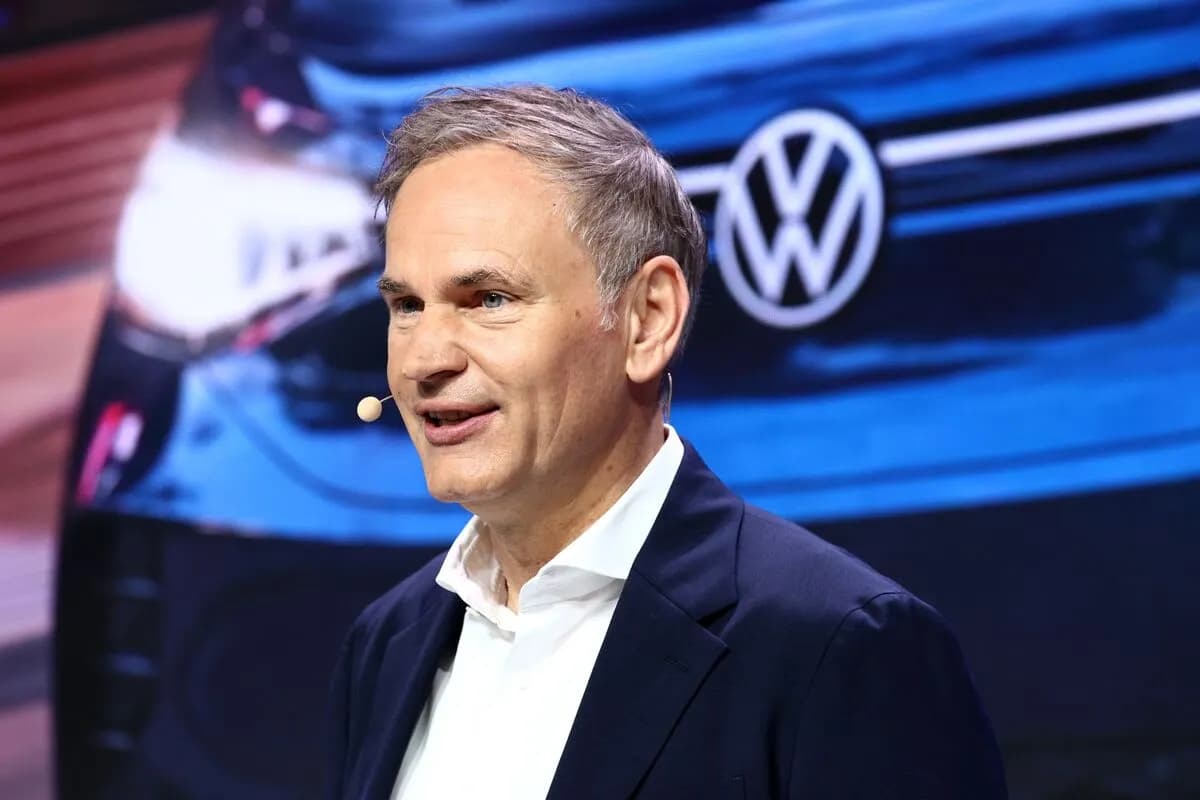
Volkswagen CEO Says Germany Should Learn from China's Industrial Strategy
Volkswagen CEO stated that Germany should learn from China's systematic industrial planning approach.
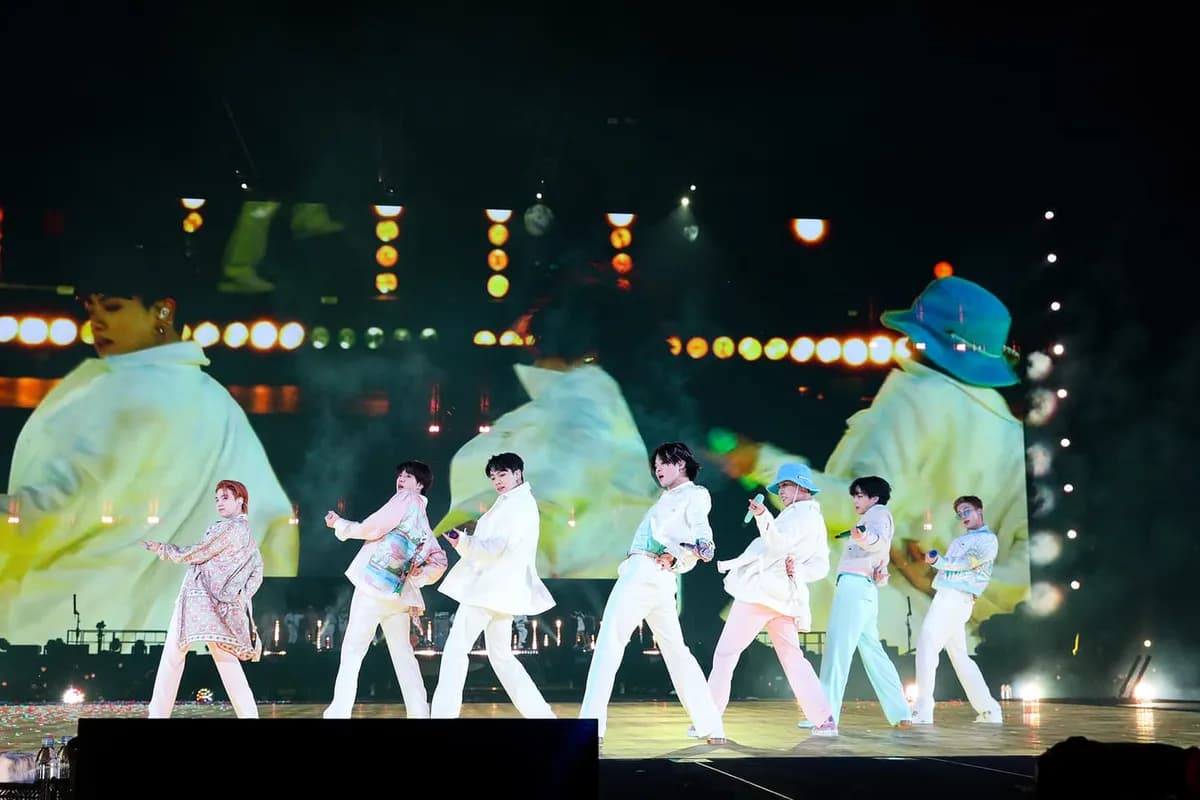
BTS Tops March Artist Brand Reputation Rankings with First Full Group Comeback in 4 Years
BTS ranked first in the Korean Corporate Reputation Research Institute's March Artist Brand Reputation Rankings based on 99 million data points.