2026 Travel Trends: Slow Travel and AI-Personalized Rest Are Coming
A New Era of Travel Led by Quiet Retreats, AI Travel Planners, and Algorithm-Recommended Routes

- •The 2026 travel trend is led by 'Hushpitality,' with over 50% of digital detox resort guests citing burnout as their booking motivation.
- •Major platforms like Expedia and Booking.com are integrating ChatGPT, ushering in an era where AI handles everything from travel planning to booking.
- •Amid concerns about algorithm-driven overtourism, travelers are expected to prioritize trustworthy curation services over unlimited choices.
Escaping Digital Fatigue Through 'Silent Travel'
The global travel industry in 2026 is expected to be reorganized around 'Hushpitality' (quiet hospitality). According to data released by major hotel groups, travel agencies, and trend experts, travelers next year are predicted to seek slower and more intentional travel, algorithm-based customized itineraries, and hyper-personalized retreats.
BBC's analysis of the 2026 major travel trends report captures the changing travel preferences of modern people, along with new terms like 'coolcations' and 'flashpacking.' These terms, which also appeared in Collins Dictionary's word of the year selection, are not merely buzzwords but indicators reflecting changes in modern lifestyles.
1. Hushpitality — The Evolution of Digital Detox
The biggest trend dominating 2026 is 'silence'. This movement focuses on comfort, quietness, and ways to escape the stress of modern life. In an always-on digital culture and amid endless global events that affect us in real-time, it's no surprise that many people want to disconnect.
Hector Hughes, co-founder of digital detox resort 'Unplugged,' says: "When we launched Unplugged in 2020, digital detox and analog living were concepts few had heard of. Now, more than half of our guests cite burnout and screen fatigue as their primary motivation for booking."
This trend goes beyond simply turning off smartphones. Hotels and resorts are competitively launching 'silence packages' that offer soundproof designs, digital device-free zones, meditation programs, and the tranquility of nature.
2. AI-Planned Travel — Algorithms Instead of Managers
In 2026, artificial intelligence (AI) will become central to travel planning. According to Amadeus research, more and more travelers are using generative AI for planning and booking. As major platforms like Expedia and Booking.com integrate tools like ChatGPT, having robots plan your trip has become easier than ever. Add real-time translation and mobile digital check-in, and technology is quietly eliminating most of the administrative tasks that once defined travel.
Jasmine Bina, cultural trend expert and CEO of Concept Bureau, says AI is changing how we express our desires. "You might want to travel to a resort to recover from burnout, but now instead of simply searching for resorts on TikTok, you'll use ChatGPT to first identify what specific type of burnout you're experiencing, what rituals or sensory stimuli you respond to, and which destinations best reflect your inner state."
The Double-Edged Nature of AI Travel
However, the rise of AI comes with complex issues. Sustainability experts warn that algorithm recommendations could fuel overtourism by directing travelers to the same destinations. It's also a backdrop for increasing travel-related scams, requiring careful use of these tools.
3. An Era Where Trust Matters More Than Choice
Whether you call it decision fatigue, laziness, or a desire to delegate to others, 2026 travelers will prioritize trust over breadth of choice. Amid too many options and information overload, people are relying on trusted curators or platforms to simplify their decisions.
This is leading to a revival of premium concierge services and curated travel packages in the travel industry. Customers prefer services that understand their tastes and values and suggest 2-3 perfect options rather than unlimited choices.
[AI Analysis] The Inflection Point of the 2026 Travel Industry
The 2026 travel trends reflect not just passing fads but a lifestyle reorganization in the post-pandemic era. Modern people exhausted by digital overload and constantly connected lives are likely to pursue 'slow travel,' 'silence,' and 'intentional rest.'
The spread of AI technology lowers barriers to travel planning, but simultaneously creates a paradox of personalization and uniformity. If everyone follows AI recommendations, there's a risk of everyone flocking to the same places. Accordingly, finding a balance between AI efficiency and human curation appears to be a key challenge for the travel industry.
Additionally, the rise of the 'trust economy' suggests a changing role for travel brands. Brands that deeply understand customers and offer customized solutions are more likely to gain competitive advantage than platforms that simply provide many options.
댓글 (5)
간결하면서도 핵심을 잘 정리한 기사네요.
좋은 의견이십니다.
Travel에 대해 더 알고 싶어졌습니다. 후속 기사 부탁드립니다.
Trends: 관련 기사 잘 읽었습니다. 유익한 정보네요.
공감합니다. 참고하겠습니다.
More in AI & Tech

Reddit Considers Face ID to Block Bots While Maintaining Anonymity

China Reduces Hypersonic Missile Core Technology Simulation to 7 Days
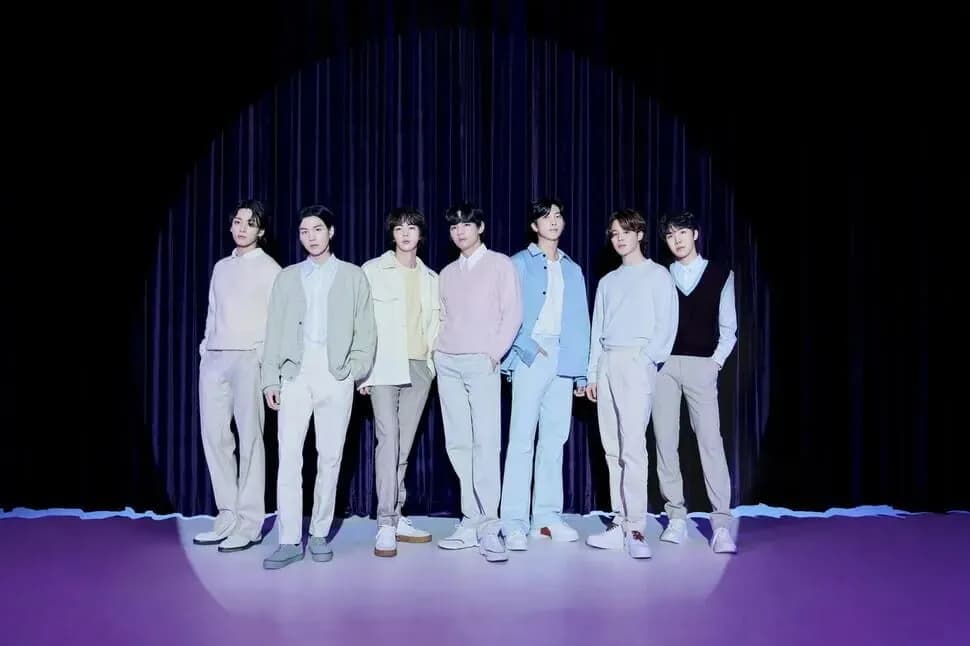
BTS Gwanghwamun Concert: AI Network Prevents Communication Crisis for 40,000 Fans
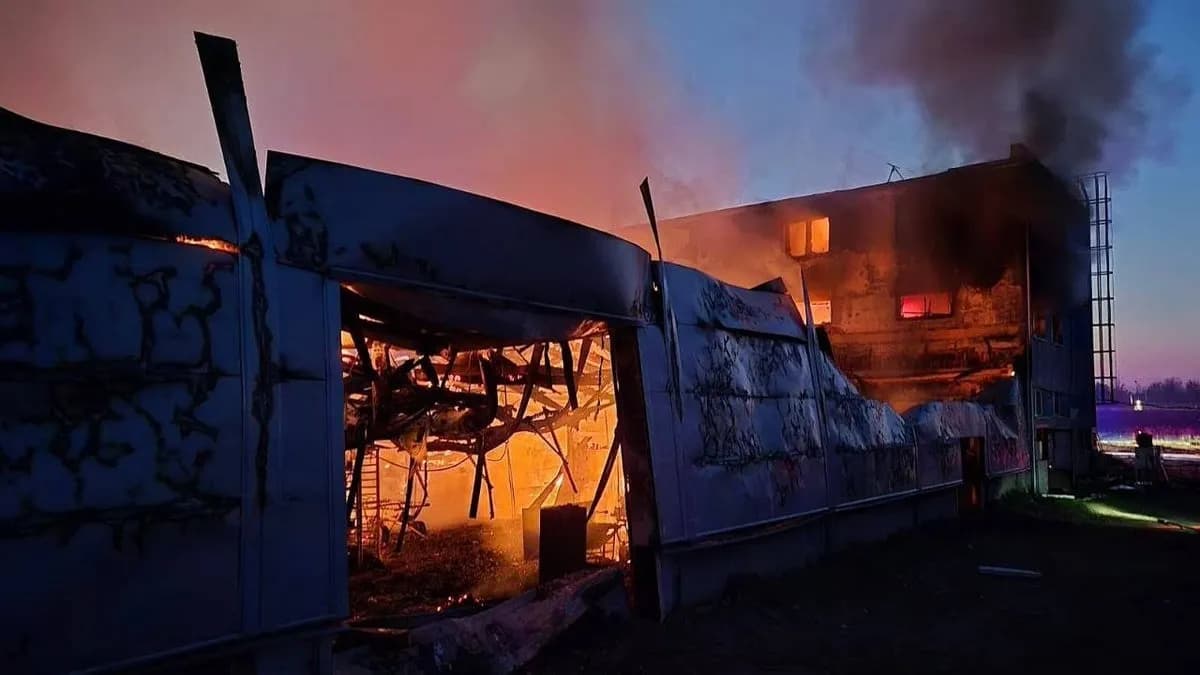
Czech Drone Factory Fire Under Investigation for Terrorism
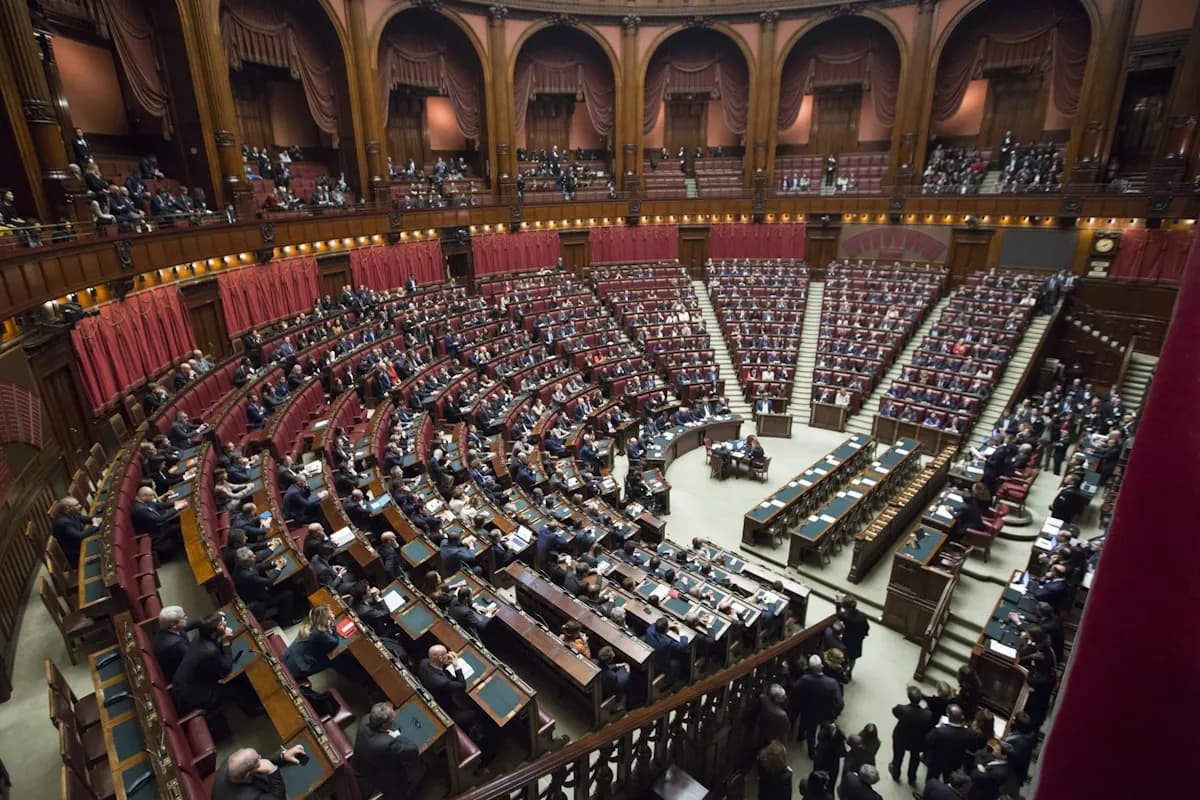
Trump Slams NATO Allies as 'Cowards' Over Strait of Hormuz Refusal
Google Unveils Gemini 3.1 Flash-Lite Optimized for High-Volume Processing
Latest News

이스라엘, 헤즈볼라 무기 통로 레바논 다리 공습
이스라엘군, 헤즈볼라 무기 통로 레바논 다리 공습
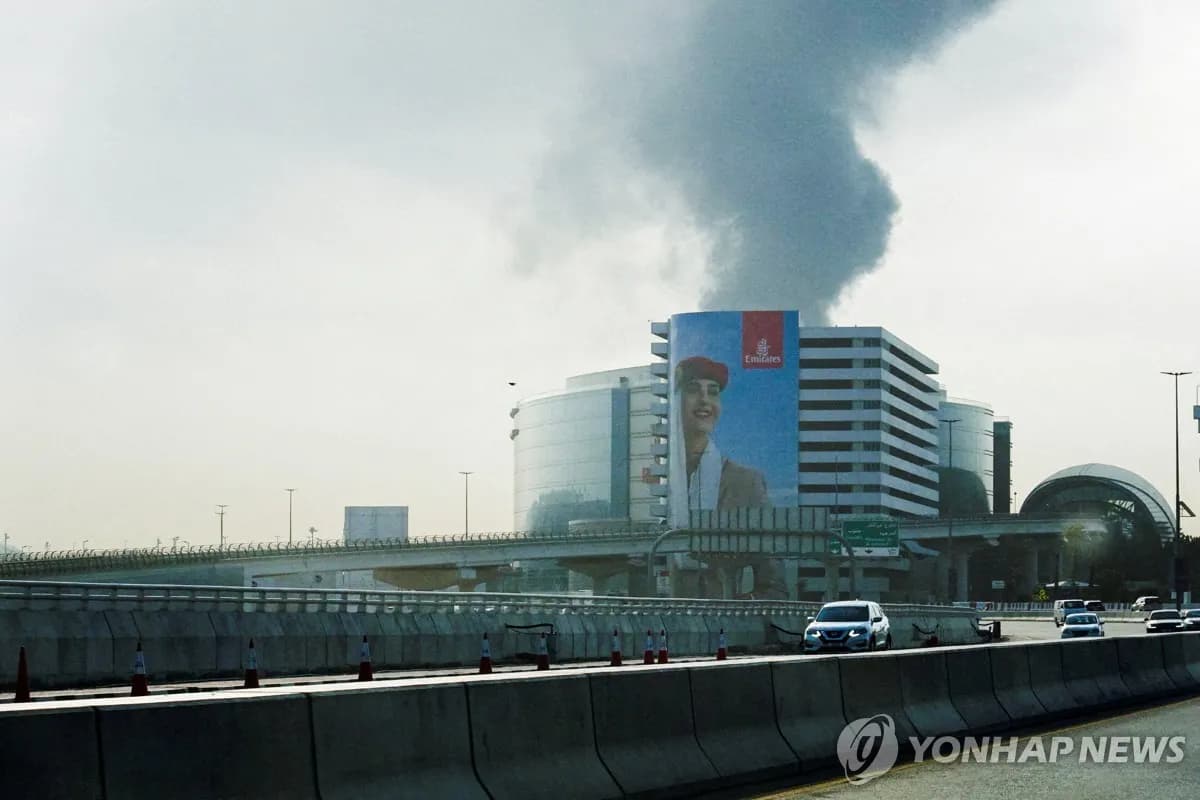
중동행 전세기 전쟁보험료 최고 7천500만원
중동행 전세기 전쟁보험료가 최고 5만달러(7천500만원)로 상승

이란 탄도미사일, 이스라엘 방어망 뚫고 160명 부상
이란 탄도미사일이 이스라엘 방공망을 통과해 160명 부상
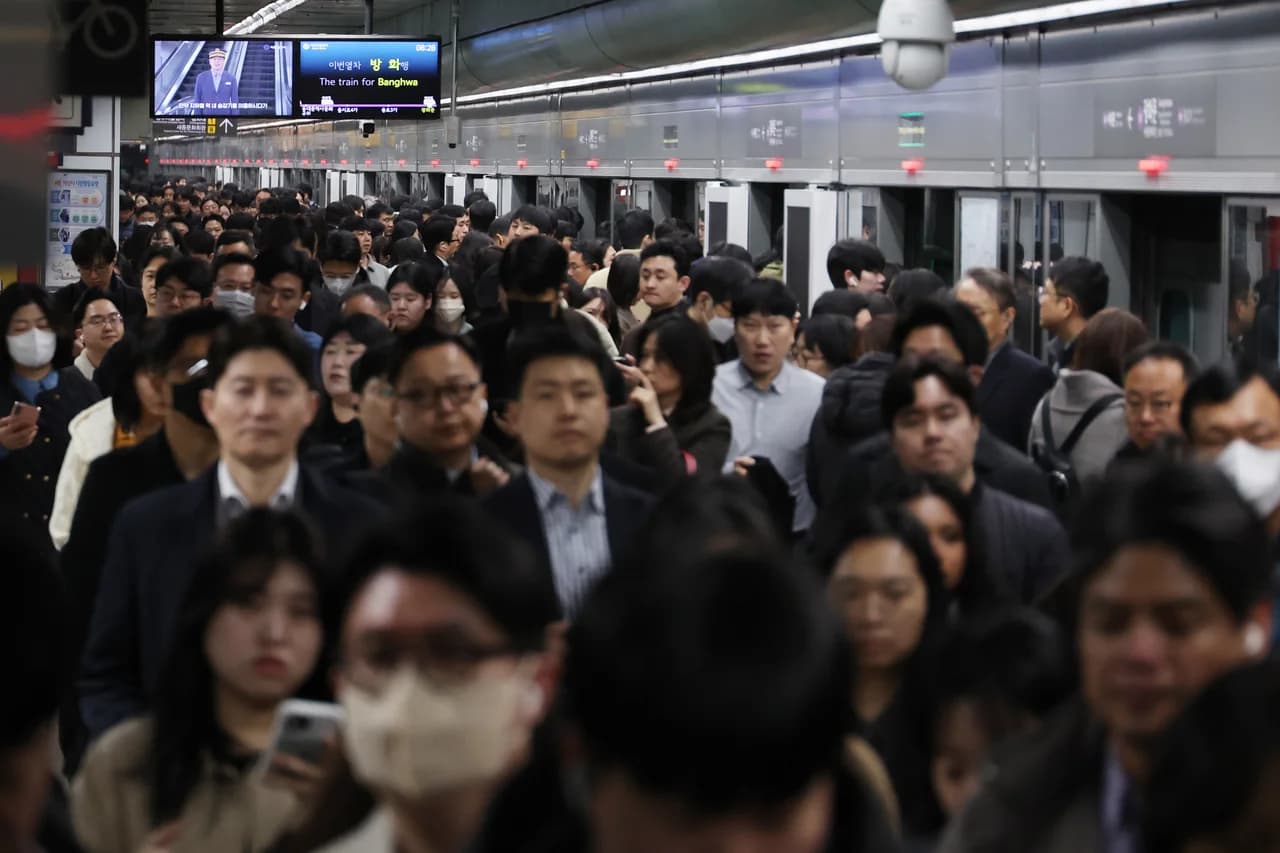
Middle East Conflict Drives Manufacturing Outlook to 10-Month Low
The Korea Institute for Industrial Economics & Trade survey shows April manufacturing outlook PSI plummeted to 88, falling below baseline for the first time in 10 months.
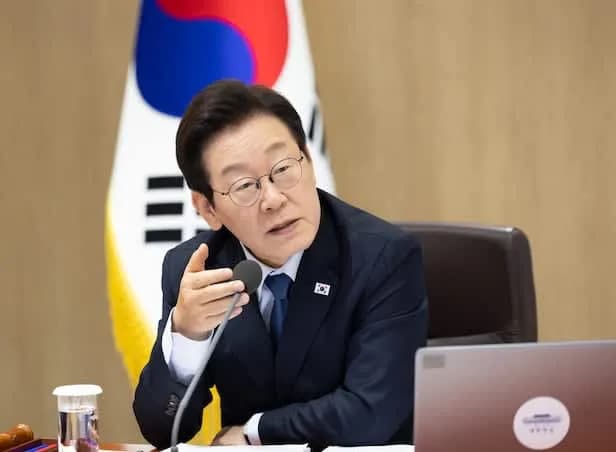
Lee Jae-myung Administration Excludes Multi-Home Officials from Real Estate Policymaking
President Lee Jae-myung has ordered the exclusion of multi-home owning public officials from all real estate policy processes.

Southeast Asia Growth Forecasts Cut Amid Oil Price Surge, Threatening Korean Exports
Maybank Research has downgraded ASEAN-6's 2026 growth forecast from 4.8% to 4.5%.
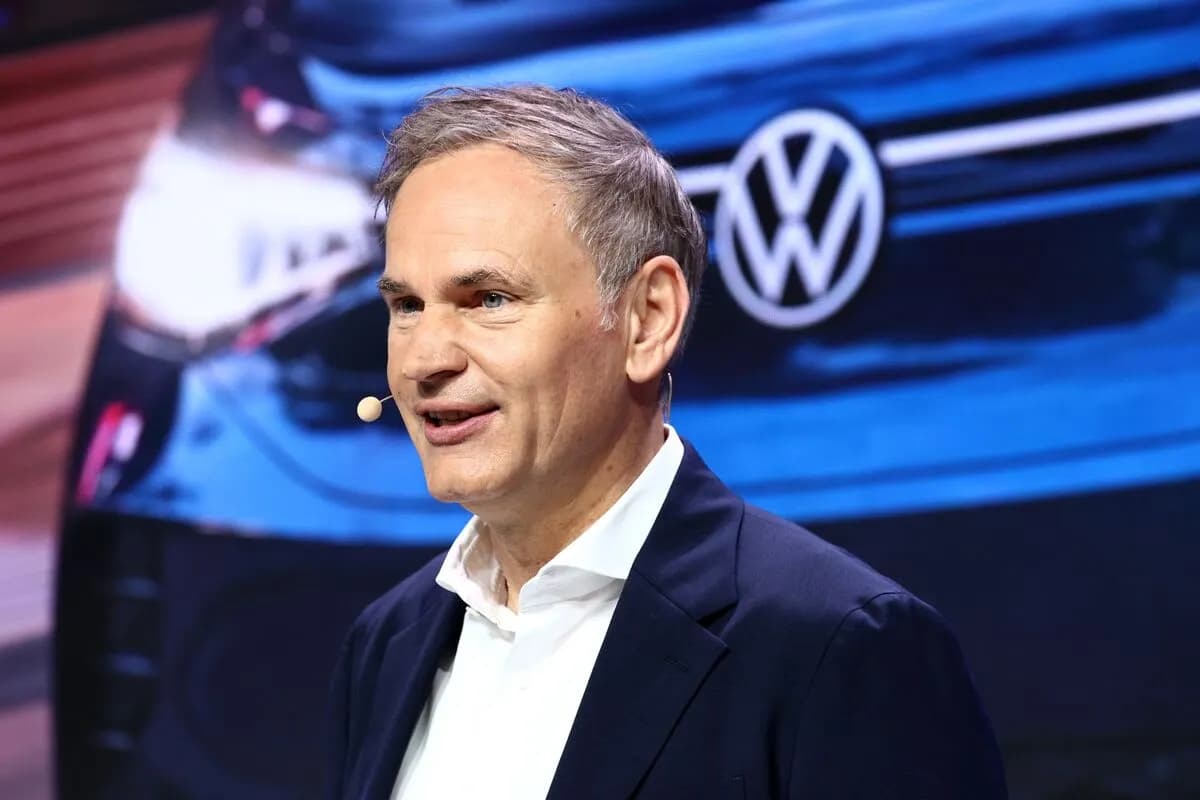
Volkswagen CEO Says Germany Should Learn from China's Industrial Strategy
Volkswagen CEO stated that Germany should learn from China's systematic industrial planning approach.
BTS Tops March Artist Brand Reputation Rankings with First Full Group Comeback in 4 Years
BTS ranked first in the Korean Corporate Reputation Research Institute's March Artist Brand Reputation Rankings based on 99 million data points.