Even with 2 degrees of warming, extreme climate cannot be avoided...Nature study warns
In the worst-case scenario, a rise of 2 degrees is likely to have more serious consequences than an average rise of 3 to 4 degrees.

- •The worst-case scenario of 2 degrees of warming could be more severe than the average scenario of 3 to 4 degrees of warming.
- •It has been pointed out that the existing multi-model averaging method may underestimate the actual risk.
- •Policy makers need a risk management approach that takes extreme scenarios into account.
2 degrees is the goal, not a safe zone
Research results were published in the international academic journal Nature, showing that even if the global temperature rise is limited to 2 degrees compared to pre-industrial levels, it may not be enough to prevent 'extreme climate outcomes'.
The researchers used various global climate models to simulate extreme climate events that could occur under a 2-degree warming scenario. The subjects of analysis were three types of disasters: drought in granary areas, floods in densely populated areas, and fire weather in forest areas.
Why this is important
The study's most notable finding is that 'worst case scenario' projections of 2 degrees of warming are often more severe than 'average' scenarios of 3 or 4 degrees of warming. This suggests that policymakers may underestimate the true risk if they base their responses simply on average forecasts.
“From a risk management perspective, it is very important for policymakers to take these potential extreme situations into account,” said Professor Erich Fischer from ETH Zurich in Switzerland. He warned that changes occurring in certain regions could be "much higher" than the global average.
Limits of multi-model averaging
Scientists have typically used the 'multimodel mean' method, which averages and presents simulation results from multiple climate models. The Intergovernmental Panel on Climate Change (IPCC) has also used this method to produce a number of maps and forecasts.
Professor Fisher acknowledged that multi-model averaging was an "incredibly valuable" communication tool and a way to "simplify" complex results. However, in terms of risk management, he pointed out that focusing only on averages "can lead to misunderstandings."
The researchers selected 42 models from the CMIP6 project, the most widely used in the latest IPCC report, and conducted an analysis. The distribution of model results for each disaster type was evaluated, ranked by severity, and compared to the multi-model average of the 2-, 3-, and 4-degree rise scenarios.
Historical context of this study
In the 2015 Paris Agreement, the international community agreed to limit the rise in global temperature to within 2 degrees compared to pre-industrial levels and, if possible, to strive to keep it from exceeding 1.5 degrees. Since then, 2 degrees has become a key reference point for climate policy.
However, the global average temperature has already risen by about 1.1 to 1.2 degrees compared to pre-industrial times, and the prevailing forecast is that if the current trend of greenhouse gas emissions continues, it will exceed 2 degrees within this century. This study shows that the 2-degree target, which has been considered a 'safe limit', needs to be reexamined.
Future outlook [AI analysis]
A scientist who was not involved in the study said the results showed "a sobering reality" and "demonstrate that the risk of 2 degrees of global warming may be much higher than previously thought." He added that the research methodology would make a "very useful contribution" to future "global assessments of avoidable climate change risks."
The study is likely to require changes in the way climate policy is made. Instead of simply basing adaptation plans on average forecasts, a more comprehensive risk management approach that takes into account worst-case scenarios will be needed. In particular, it appears that more conservative preparedness measures will be required in specific areas such as food security, flood prevention, and forest fire response.
댓글 (4)
이 사안은 신중하게 접근해야 한다고 봅니다.
중요한 포인트를 짚으셨네요.
with 문제는 양쪽 입장을 모두 들어봐야 할 것 같습니다.
이 문제의 본질이 무엇인지 깊이 생각해볼 필요가 있습니다.
More in Life

16-year-old boy discovers 15cm megalodon tooth off Florida coast

Philadelphia Airport breaks world record with 1,291 cheesesteaks

How to get rid of seagulls? Attaching ‘eyeball stickers’ to food packaging is effective.
Search for extraterrestrial life, where should we send it?

A truck carrying 12 tons of KitKat disappears in Europe... The whereabouts of 410,000 chocolates remain unknown.

Customer appears on horseback at Chick-fil-A drive-thru in Florida, video goes viral
Latest News

Scotland Suffer Shock Defeat to Japan Ahead of World Cup Return
Scotland rugby team suffers defeat to Japan with poor performance ahead of World Cup
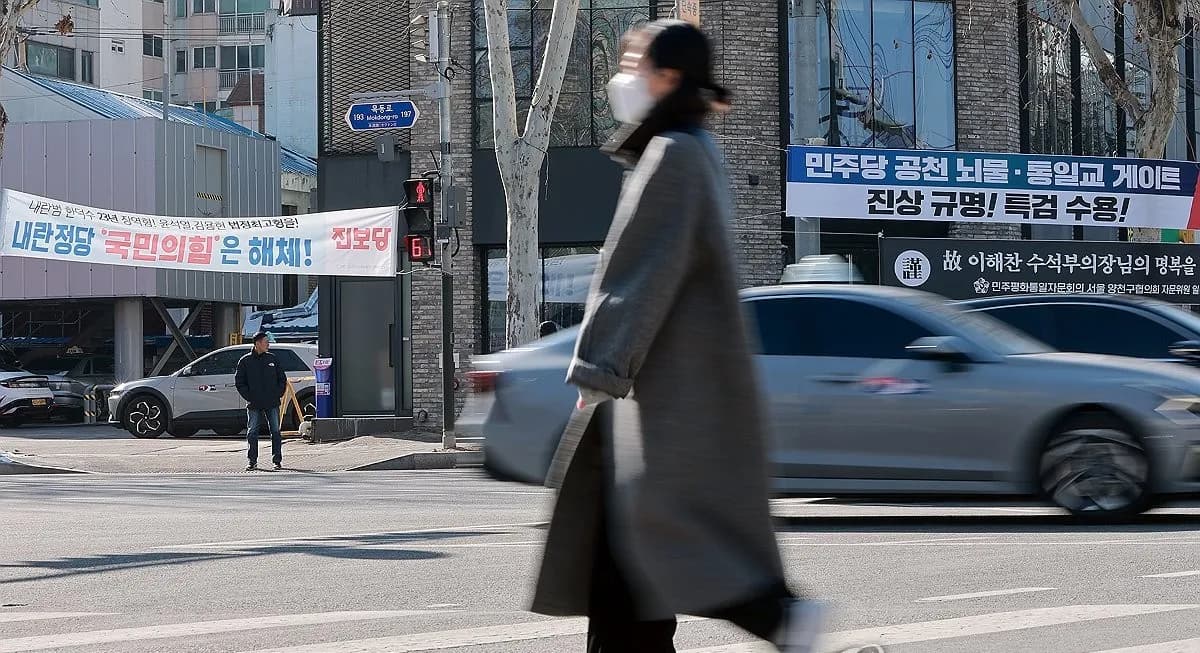
Election Banner Crisis Looms as Middle East Naphtha Shortage Hits Minor Parties
Middle East crisis causes naphtha supply disruption, threatens election banner cost explosion

Iran Crisis Fuels Market Volatility Amid Oil Price Concerns
Global and domestic markets face volatility from Iran-triggered oil crisis

4 out of 10 Industrial Deaths Due to Falls...Over 200 Workers Die Annually from Workplace Falls
4 out of 10 industrial deaths are caused by fall accidents
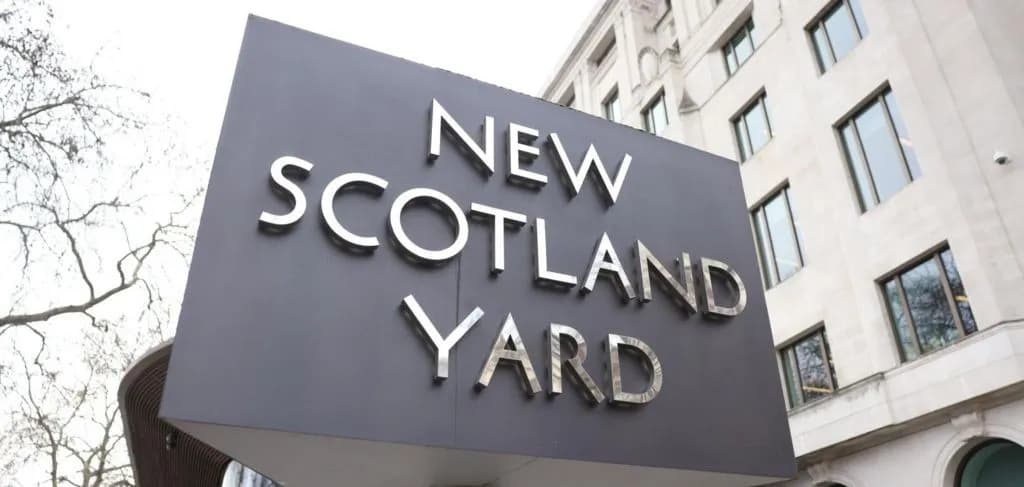
18 Arrested at Palestine Support Protest Outside London Police Headquarters
18 arrested at pro-Palestine protest outside London police headquarters
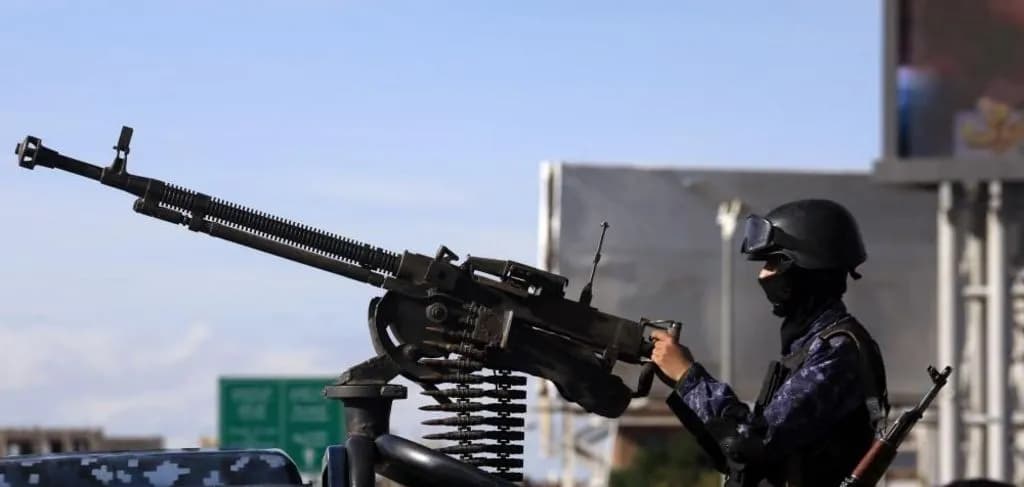
Iran-backed Houthis Join War with Attack Against Israel
Iran-backed Houthi rebels directly enter Middle East conflict with attacks on Israel

Pope Leo XIV Warns 'War Is Result of Idolatry of Power and Money' During Monaco Visit
Pope Leo XIV defines war as 'result of idolatry of power and money' during Monaco visit

Pro-Israel Extremist Arrested for Molotov Cocktail Attack Attempt on Palestinian Activist's Home in New York
Molotov cocktail attack attempt on pro-Palestinian activist's home in New York