Chilean Startup Tackles Wind Farm Noise with AI
Ecometric's Real-Time Turbine Monitoring Prevents Community Conflicts
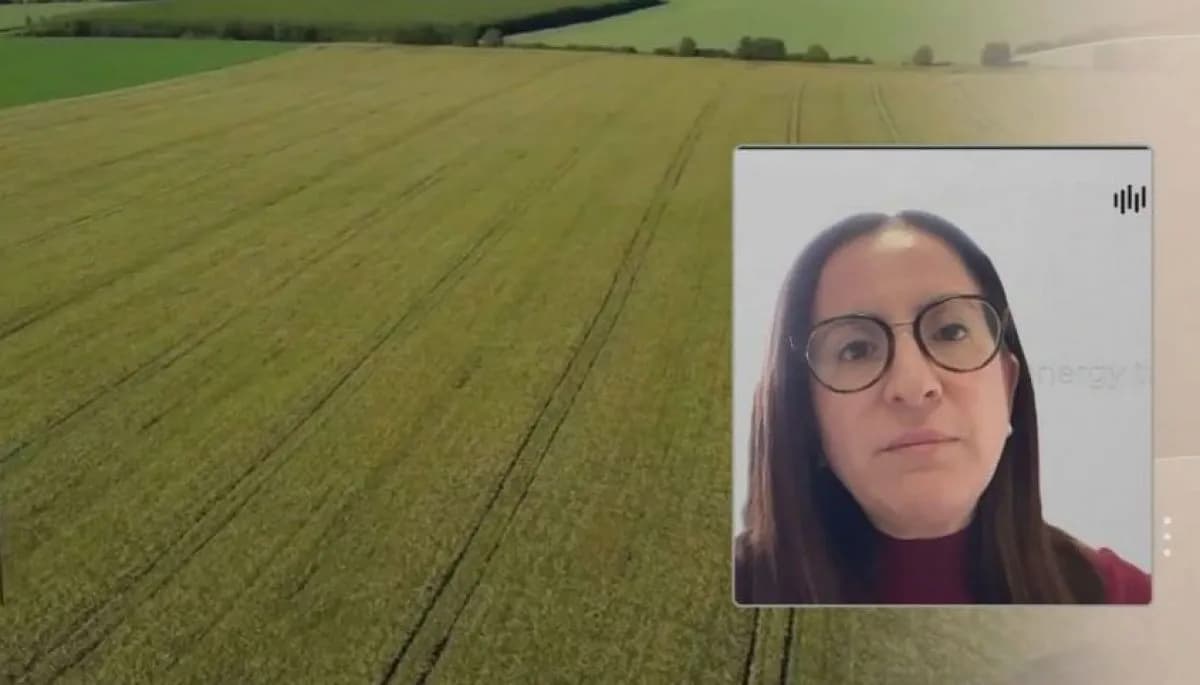
- •Chilean startup Ecometric developed technology using AI and big data to monitor and predict wind turbine noise in real time.
- •The system sends alerts to operators before noise occurs, enabling preemptive measures like turbine output adjustments, and was selected as a 2025 Avonni Energy Award finalist.
- •As securing community acceptance is a challenge in renewable energy expansion, this technology shows promise as a conflict-prevention solution for Latin American and global markets.
AI Manages Wind Farm Noise in Real Time
Chilean startup Ecometric is gaining attention for its technology that uses artificial intelligence (AI) and big data to solve noise problems at wind farms. The company's 'Centinela Acústico IA (AI Acoustic Monitoring System)' project, a 2025 Avonni Energy Award finalist, offers a solution that monitors wind turbine noise in real time and prevents conflicts with local residents proactively.
Carolina Cartes, Director of Ecometric, explained: "Our technology predicts noise before it occurs and continuously tracks the acoustic and mechanical behavior of turbines."
Why This Technology Matters
As renewable energy expansion becomes a global priority, wind farm noise is a critical factor determining community acceptance. Low-frequency noise generated by rotating turbines causes sleep disturbances and stress for nearby residents, with complaints and legal disputes reported worldwide.
Traditionally, noise measurement has been reactive, with action only possible after conflicts arose. However, Ecometric's system uses AI-based predictive models to identify potential noise issues in advance, enabling operators to take preemptive measures such as adjusting turbine output or advancing maintenance schedules.
Chile operates large wind farms in the northern Atacama Desert and southern Patagonia regions, with a goal to increase renewable energy to 70% by 2030. Securing community acceptance is essential to this process, and Ecometric's technology is recognized as a practical tool for achieving these policy objectives.
What's Different from Conventional Approaches
| Aspect | Conventional Method | Ecometric AI System | Change |
|---|---|---|---|
| Measurement | Fixed noise meters | AI-based real-time monitoring | 24/7 continuous data collection |
| Response Timing | Reactive after complaints | Proactive after prediction | Prevention before conflict |
| Data Utilization | Simple decibel (dB) recording | Acoustic and mechanical pattern analysis | Includes turbine diagnostics |
| Information Delivery | Monthly reports | Real-time dashboard | Immediate decision-making |
Conventional wind farms typically installed noise meters at fixed locations and collected data periodically. This approach only captured noise levels at specific moments, making it difficult to predict when and under what conditions noise would intensify.
Ecometric's system combines big data analytics and machine learning to comprehensively consider various variables including wind speed, direction, turbine rotation speed, and ambient temperature. It provides specific predictions such as "80% probability of exceeding noise limits between 2-4 AM tomorrow," allowing operators to respond by reducing turbine output or adjusting rotation speed during those hours.
The system doesn't just measure noise—it also analyzes the mechanical condition of turbines. When mechanical issues like bearing wear or blade cracks occur, noise patterns change, which the AI detects to notify operators of maintenance needs, creating a dual benefit.
[AI Analysis] A New Model for Resolving Renewable Energy Conflicts
Ecometric's case has high potential as a model for technology solving social acceptance issues. While renewable energy expansion is a core climate change response strategy, projects often face resident opposition due to noise, landscape impacts, and ecosystem effects.
Latin America has high wind and solar potential but often lacks capacity for environmental conflict management. If this technology proves successful in Chile, it could expand to neighboring countries like Brazil, Argentina, and Mexico.
Ecometric's selection as an Avonni Award finalist also demonstrates the Chilean government's policy focus on fostering cleantech startups. The Avonni is one of Chile's most prestigious innovation awards, and regardless of the outcome, this recognition will draw attention from industry and policymakers.
Similar trends are emerging internationally. The European Union (EU) strengthened community impact assessments for new wind farm permits starting in 2024, and interest in technical solutions to improve community acceptance is growing in the United States. Ecometric's AI-based noise management system aligns with these global trends, opening possibilities for international market expansion.
However, the real-world effectiveness of this technology requires long-term data accumulation and validation. Key evaluation criteria will include whether the AI model is sufficiently accurate, operates reliably under various climate conditions and terrains, and actually reduces resident complaints.
댓글 (3)
오랜만에 기분 좋은 뉴스를 접했습니다.
관계자분들의 노력에 박수를 보냅니다.
이런 긍정적인 뉴스가 더 많았으면 좋겠습니다.
More in AI & Tech

Reddit Considers Face ID to Block Bots While Maintaining Anonymity

China Reduces Hypersonic Missile Core Technology Simulation to 7 Days

BTS Gwanghwamun Concert: AI Network Prevents Communication Crisis for 40,000 Fans

Czech Drone Factory Fire Under Investigation for Terrorism

Trump Slams NATO Allies as 'Cowards' Over Strait of Hormuz Refusal

Google Unveils Gemini 3.1 Flash-Lite Optimized for High-Volume Processing
Latest News
이스라엘, 헤즈볼라 무기 통로 레바논 다리 공습
이스라엘군, 헤즈볼라 무기 통로 레바논 다리 공습

중동행 전세기 전쟁보험료 최고 7천500만원
중동행 전세기 전쟁보험료가 최고 5만달러(7천500만원)로 상승

이란 탄도미사일, 이스라엘 방어망 뚫고 160명 부상
이란 탄도미사일이 이스라엘 방공망을 통과해 160명 부상

Middle East Conflict Drives Manufacturing Outlook to 10-Month Low
The Korea Institute for Industrial Economics & Trade survey shows April manufacturing outlook PSI plummeted to 88, falling below baseline for the first time in 10 months.

Lee Jae-myung Administration Excludes Multi-Home Officials from Real Estate Policymaking
President Lee Jae-myung has ordered the exclusion of multi-home owning public officials from all real estate policy processes.

Southeast Asia Growth Forecasts Cut Amid Oil Price Surge, Threatening Korean Exports
Maybank Research has downgraded ASEAN-6's 2026 growth forecast from 4.8% to 4.5%.

Volkswagen CEO Says Germany Should Learn from China's Industrial Strategy
Volkswagen CEO stated that Germany should learn from China's systematic industrial planning approach.

BTS Tops March Artist Brand Reputation Rankings with First Full Group Comeback in 4 Years
BTS ranked first in the Korean Corporate Reputation Research Institute's March Artist Brand Reputation Rankings based on 99 million data points.