AJA 2025: African Youth Innovators Win Awards, But the Real Challenge Lies Ahead
Second Annual AJA Held in Dakar, Senegal: 5 Young Entrepreneurs Awarded... The True Challenge is 'Sustainable Support'
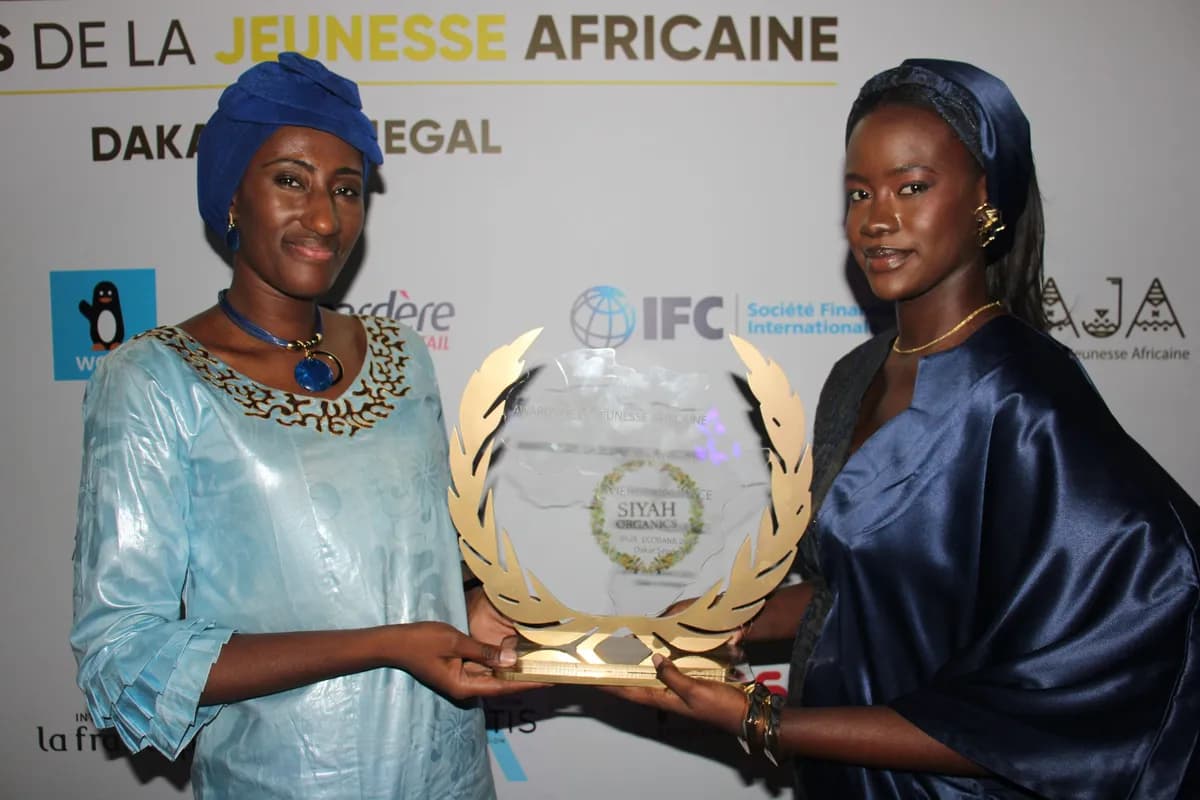
- •The second annual Awards de la Jeunesse africaine (AJA) was held in Dakar, Senegal on November 29, 2025, honoring five innovative entrepreneurs.
- •Projects highlighted include solar-powered refrigerators (21-day storage), moringa planting (10 million trees by 2030), and AI-equipped neonatal incubators showcasing social and technological innovation.
- •Winners emphasized the need for practical financial and institutional support beyond awards, with AJA's role in building a sustainable ecosystem emerging as a key challenge.
AJA 2025: A Platform for African Youth Innovation
On November 29, 2025, the second annual Awards de la Jeunesse africaine (AJA) concluded successfully in front of the iconic Monument de la Renaissance africaine in Dakar, Senegal's capital. First launched in Senegal in 2024, AJA has established itself as more than just an awards ceremony—it's becoming a platform for exchanging entrepreneurial spirit and innovative ideas.
This year, five young entrepreneurs who distinguished themselves in technology and social innovation received awards. Organizers emphasized that the event spotlights youth who embody "an autonomous, creative, and competitive Africa." Malian singer Oumou Sangaré participated as the event's patron, elevating the celebratory atmosphere.
Five Winners Creating Change
1. Koueubatouka Divin Arnaud (Republic of the Congo - Brazzaville)
Arnaud developed 'Greenbox,' a solar-powered refrigerator that directly tackles post-harvest crop loss. While perishable agricultural products typically last only 2 days, Greenbox uses a clean energy-driven refrigeration system to extend this to 21 days. His vision is to guarantee stable income for small-scale farmers.
2. Rokiatou Traoré (Mali)
As president of Herou Alliance, Traoré focuses on utilizing agroforestry species like moringa to combat desertification. She presented an ambitious goal to plant 10 million moringa trees by 2030 and build a network of millions of women growers. During the ceremony, she received a partnership commitment from a financial partner, adding further significance to her award.
3. Cheikh Ahmed Tidiane Dieng (Senegal)
A computer science specialist, Dieng digitized sports through the 'SamaCoach' app. He improved accessibility by providing customized exercise programs for both athletes and the general public to receive systematic health management.
4. Sophonie Foka (Democratic Republic of the Congo)
Developed a hybrid neonatal incubator equipped with artificial intelligence (AI). Powered by solar energy, it's designed to enable newborn care even in regions with unstable electricity supply.
5. Djakaridja Bamba (Côte d'Ivoire)
Established the 'club des Amazones d'Abolikro' in the village of Abolikro in the Gbêkê region of central Côte d'Ivoire, conducting activities to strengthen the self-reliance capabilities of rural girls.
After the Awards: The Real Challenge is 'Sustainable Support'
The winners emphasized the necessity of practical follow-up support as much as the trophies and honors. Arnaud and Traoré commonly conveyed the message that "financial and institutional backing is essential for innovation to become reality."
Paul-Harry Aithnard, Ecobank Regional Director, praised the potential of the awarded projects, stating "Africa has an unprecedented opportunity with its young generation." However, the reality that many African startups face difficulties with initial funding, market entry, and regulatory barriers was also pointed out.
[AI Analysis] The Question AJA Poses: An Ecosystem Beyond Awards
AJA is significant as a platform that provides visibility to African youth innovators. However, the extent to which structures connecting awards to mentoring, investment linkages, and policy support operate systematically will determine this event's practical impact.
Looking at similar global cases, youth entrepreneur support programs by the Tony Elumelu Foundation and the African Development Bank (AfDB) have achieved results by providing an integrated pathway: award → education → seed funding → market connection.
It will be worth watching whether AJA can evolve beyond a simple 'annual festival' to become an ecosystem-building hub. Particularly, if collaboration with private financial institutions (such as Ecobank) develops into long-term partnerships rather than one-time sponsorships, the winners' projects have a high likelihood of creating realistic impact.
What African youth innovation needs to transition from "potential" to "execution" is not applause and trophies, but sustainable support systems. What answer will AJA 2026 provide to this question?
댓글 (3)
이런 긍정적인 뉴스가 더 많았으면 좋겠습니다.
2025: 소식 반갑습니다. 앞으로가 더 기대됩니다.
오랜만에 기분 좋은 뉴스를 접했습니다.
More in AI & Tech

Reddit Considers Face ID to Block Bots While Maintaining Anonymity

China Reduces Hypersonic Missile Core Technology Simulation to 7 Days

BTS Gwanghwamun Concert: AI Network Prevents Communication Crisis for 40,000 Fans
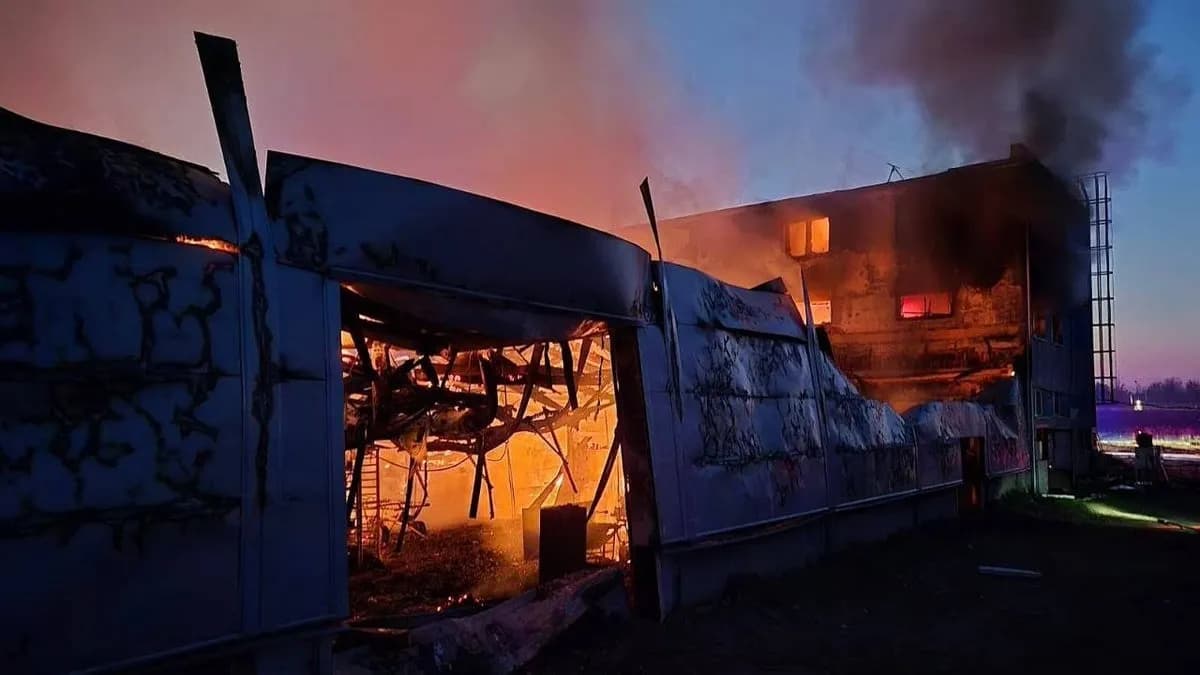
Czech Drone Factory Fire Under Investigation for Terrorism
Trump Slams NATO Allies as 'Cowards' Over Strait of Hormuz Refusal

Google Unveils Gemini 3.1 Flash-Lite Optimized for High-Volume Processing
Latest News

이스라엘, 헤즈볼라 무기 통로 레바논 다리 공습
이스라엘군, 헤즈볼라 무기 통로 레바논 다리 공습
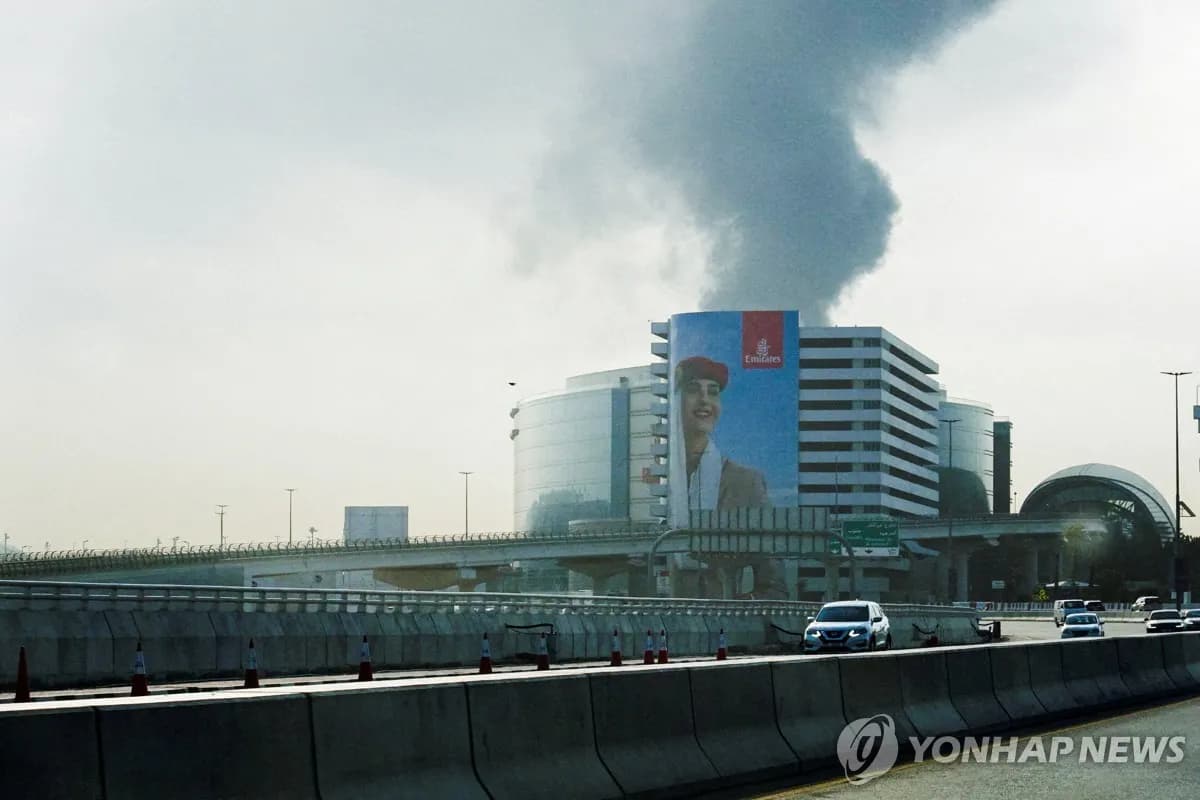
중동행 전세기 전쟁보험료 최고 7천500만원
중동행 전세기 전쟁보험료가 최고 5만달러(7천500만원)로 상승

이란 탄도미사일, 이스라엘 방어망 뚫고 160명 부상
이란 탄도미사일이 이스라엘 방공망을 통과해 160명 부상

Middle East Conflict Drives Manufacturing Outlook to 10-Month Low
The Korea Institute for Industrial Economics & Trade survey shows April manufacturing outlook PSI plummeted to 88, falling below baseline for the first time in 10 months.

Lee Jae-myung Administration Excludes Multi-Home Officials from Real Estate Policymaking
President Lee Jae-myung has ordered the exclusion of multi-home owning public officials from all real estate policy processes.

Southeast Asia Growth Forecasts Cut Amid Oil Price Surge, Threatening Korean Exports
Maybank Research has downgraded ASEAN-6's 2026 growth forecast from 4.8% to 4.5%.
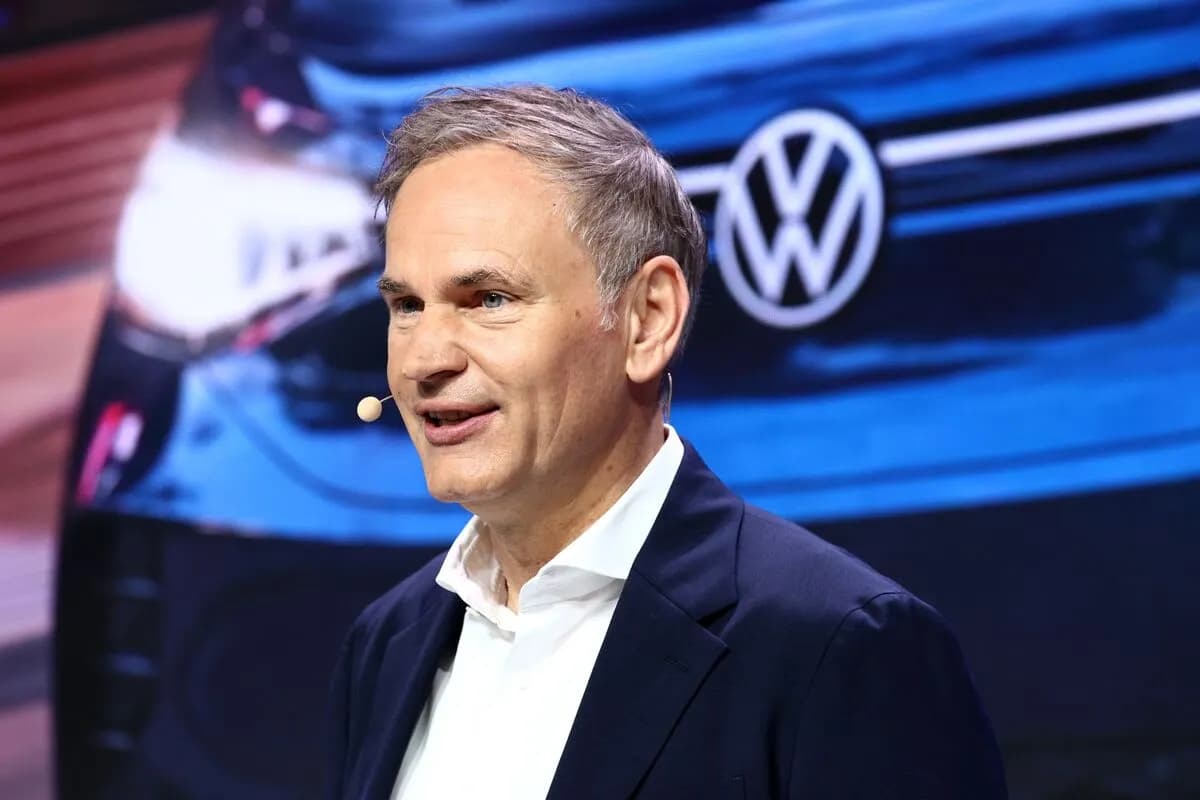
Volkswagen CEO Says Germany Should Learn from China's Industrial Strategy
Volkswagen CEO stated that Germany should learn from China's systematic industrial planning approach.

BTS Tops March Artist Brand Reputation Rankings with First Full Group Comeback in 4 Years
BTS ranked first in the Korean Corporate Reputation Research Institute's March Artist Brand Reputation Rankings based on 99 million data points.