A cosmic duel between two galaxies, the spectacular collision site of the 'Antenna Galaxy' captured by an astrophotographer
21 hours of observation records capturing moments of gravitational warfare that lasted for hundreds of millions of years

- •Astrophotographer Greg Meyer captured images of antenna galaxies that have been colliding for hundreds of millions of years
- •The gravitational interaction of the two galaxies formed a tidal tail shaped like an insect's antennae
- •A spectacular deep space image was created through 21 hours of observation and professional software editing.
Capturing galaxy collisions on a cosmic scale on camera
Astrophotographer Greg Meyer captured the scene of a cosmic collision taking place in the direction of Corvus. The 'Antennae Galaxies' he photographed are astronomical objects that show the process of two spiral galaxies merging into one huge elliptical galaxy over hundreds of millions of years.
This Deep Space image contains a moment of chaos created by two galaxies named NGC 4038 and NGC 4039, attracted by each other's gravity. Meyer said, "The Skywatcher Esprit 120 telescope with a focal length of 840 mm is a bit short to capture most galaxies," but he said, "I couldn't give up on an object with this amazing story of two galaxies colliding."
The secret of the 'tidal tail' that resembles an insect's antennae
Maier's image clearly captured the cores of two galaxies glowing orange and yellow amidst swirls of interstellar dust, gas, and stars. What is particularly eye-catching is a pair of 'Tidal Tails' that extend for several light years on either side. It is in the form of a spiral arm stretched by gravitational interaction, and looks like an insect's antennae, earning it the nickname 'antenna galaxy'.
This cosmic tug-of-war triggered explosive star formation. According to NASA, 'Super Star Clusters' are forming within giant antenna-shaped arm structures. About 90% of these are expected to disperse once the galaxy merger is complete and stabilized, but some are expected to survive as globular clusters.
The result of 21 hours of observation
Meyer collected light data using various astronomical filters over about 21 hours at the Starfront Observatory located in Rockwood, Texas, USA. The data collected in this way was edited through PixInsight, an astrophotography software, Adobe Photoshop, and Lightroom to create the final image.
The current period is called 'Galaxy Season' and is a good time to observe various external galaxies in the Northern Hemisphere. The Antenna Galaxy is continuing the process of merging on a cosmic time scale at a distance of about 45 million light years.
댓글 (4)
이 문제의 본질이 무엇인지 깊이 생각해볼 필요가 있습니다.
댓글란이 과열되지 않았으면 합니다. 차분한 논의가 필요해요.
팩트에 기반한 냉정한 판단이 필요한 시점입니다.
중요한 포인트를 짚으셨네요.
More in Life

16-year-old boy discovers 15cm megalodon tooth off Florida coast

Philadelphia Airport breaks world record with 1,291 cheesesteaks

How to get rid of seagulls? Attaching ‘eyeball stickers’ to food packaging is effective.

Search for extraterrestrial life, where should we send it?

A truck carrying 12 tons of KitKat disappears in Europe... The whereabouts of 410,000 chocolates remain unknown.

Customer appears on horseback at Chick-fil-A drive-thru in Florida, video goes viral
Latest News

Scotland Suffer Shock Defeat to Japan Ahead of World Cup Return
Scotland rugby team suffers defeat to Japan with poor performance ahead of World Cup

Election Banner Crisis Looms as Middle East Naphtha Shortage Hits Minor Parties
Middle East crisis causes naphtha supply disruption, threatens election banner cost explosion

Iran Crisis Fuels Market Volatility Amid Oil Price Concerns
Global and domestic markets face volatility from Iran-triggered oil crisis
4 out of 10 Industrial Deaths Due to Falls...Over 200 Workers Die Annually from Workplace Falls
4 out of 10 industrial deaths are caused by fall accidents

18 Arrested at Palestine Support Protest Outside London Police Headquarters
18 arrested at pro-Palestine protest outside London police headquarters

Iran-backed Houthis Join War with Attack Against Israel
Iran-backed Houthi rebels directly enter Middle East conflict with attacks on Israel
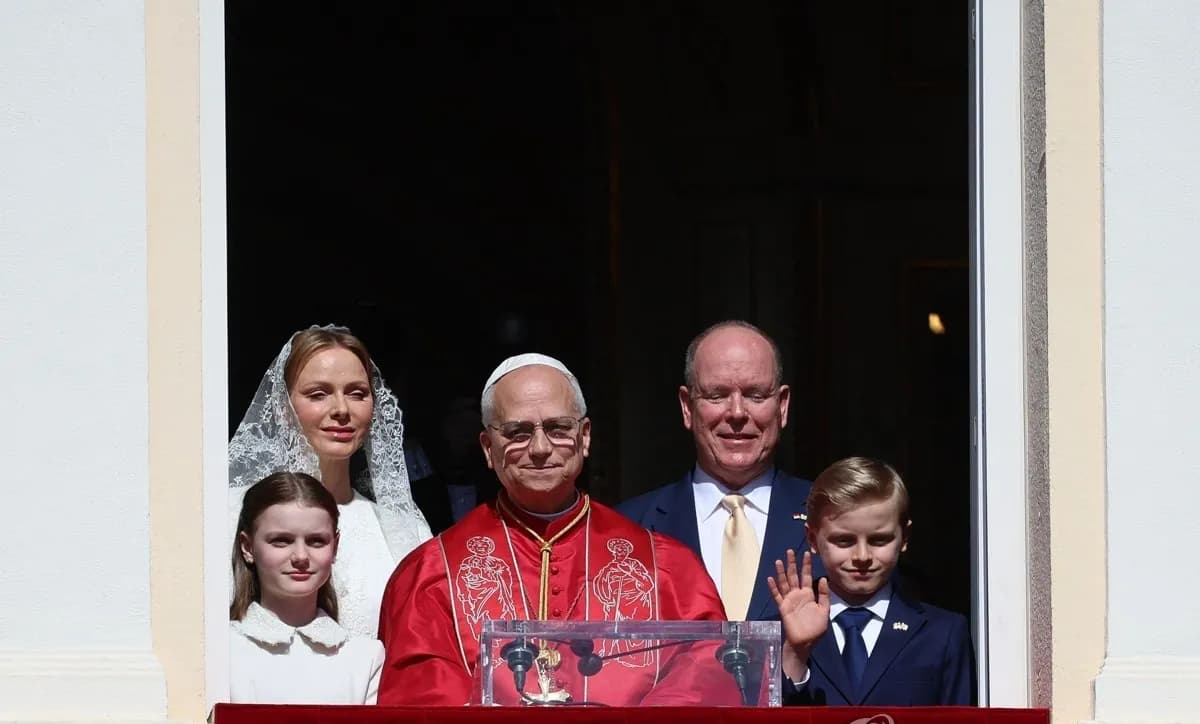
Pope Leo XIV Warns 'War Is Result of Idolatry of Power and Money' During Monaco Visit
Pope Leo XIV defines war as 'result of idolatry of power and money' during Monaco visit

Pro-Israel Extremist Arrested for Molotov Cocktail Attack Attempt on Palestinian Activist's Home in New York
Molotov cocktail attack attempt on pro-Palestinian activist's home in New York