Brazil Needs to Triple Electricity Grid Investment by 2050
Global electricity demand to grow 3.4% annually through 2026, requiring 73 million km of new transmission lines in emerging economies

- •The International Energy Agency projects that developing countries must build 73 million km of transmission lines by 2050, exceeding the total transmission infrastructure constructed globally over the past century.
- •The World Bank estimates developing countries must increase annual power investment from $280 billion to $630 billion by 2035—a 125% increase.
- •Brazil's high renewable energy dependency makes it vulnerable to climate change, requiring enhanced grid resilience through smart grids and strategic balance between thermal and renewable generation.
Global Power Demand Surge Demands Major Energy Infrastructure Overhaul in Brazil
Brazil faces a critical juncture requiring massive investment in power grid infrastructure over the next 25 years. The International Energy Agency (IEA) projects that developing countries must build or modernize 73 million kilometers (km) of transmission lines by 2050—a scale exceeding the total transmission infrastructure constructed globally over the past century.
Global electricity demand is expected to grow at an average annual rate of 3.4% through 2026. The primary drivers include electrification of residential and transportation sectors, along with expansion of data centers and artificial intelligence (AI) infrastructure. This rapid demand growth, coupled with climate change mitigation challenges, necessitates a comprehensive redesign of energy systems.
Brazil's High Renewable Dependency Creates Climate Vulnerability
The defining characteristic of Brazil's power system is its high proportion of renewable energy. Hydroelectric, solar, and wind power form the backbone of electricity generation, all of which depend directly on climate conditions. Variations in precipitation, sunlight, and wind speed have immediate impacts on generation capacity, and their high unpredictability complicates grid management.
Prolonged droughts particularly cause hydroelectric output to plummet, creating situations requiring 補補補supplementation by thermal power plants. Thermal generation has higher production costs, potentially leading to electricity rate increases. Conversely, heat waves trigger surges in cooling demand that can overload the power grid.
Brazil's National Interconnected System (SIN) serves as the critical infrastructure connecting generation, transmission, and distribution facilities nationwide. However, finding an optimal system configuration that can reliably meet electricity demand across all regions of Brazil's continental-scale territory remains an ongoing challenge.
Severe Investment Gap Requires More Than Doubling Annual Funding
The World Bank estimates that developing countries must increase annual investment in power generation from $280 billion (approximately 374 trillion won) to $630 billion (approximately 842 trillion won) by 2035—more than doubling current levels. Yet developing countries currently attract only one-fifth of global electricity investment, as investors prefer lower-risk projects in developed nations.
| Category | Current (2025) | Target (2035) | Growth Rate |
|---|---|---|---|
| Annual power investment in developing countries | $280 billion | $630 billion | +125% |
| Transmission lines needing construction/upgrade (~2050) | - | 73 million km | - |
| Global electricity demand growth rate (~2026) | - | 3.4% annually | - |
Brazil is not immune to this investment gap problem. Two major barriers exist: new power plant construction costs and environmental regulations. While renewable energy resources are abundant, converting them into actual electricity and reliably transmitting it through the grid to demand centers requires enormous capital.
Strategic Balance Between Renewables and Thermal Power Required
The core challenge of Brazil's energy policy is achieving strategic balance between renewable energy and high-availability generation sources. Renewable energy is environmentally friendly but suffers from intermittency issues. Thermal power plants, while environmentally burdensome, can provide stable 24-hour output.
Strategically combining diverse generation sources can enhance demand response capabilities while stabilizing electricity rates. This means approaching the issue not simply by increasing the renewable energy ratio, but from the perspective of strengthening overall system resilience.
Smart Grids and Digital Transformation Offer Breakthrough Solutions [AI Analysis]
Technological solutions are being developed to enhance grid resilience. Distribution network automation and protection systems are key. These systems combine precise weather information, real-time equipment data, and historical outage records to rapidly detect and respond to problems.
Smart grid construction through digitalization is already becoming reality. AI-based forecasting systems predict generation capacity and demand based on changing climate patterns, enabling grid operators to respond proactively. Automated fault detection systems dramatically shorten recovery times during power outages.
However, technology adoption alone is insufficient. Training specialized power industry professionals is also an urgent task. While various research institutions are conducting related studies, the number of professionals with practical expertise needed in the field is declining.
For Brazil to overcome the dual challenges of growing electricity demand and climate change, it must simultaneously pursue four pillars: large-scale infrastructure investment, renewable-thermal balance, digital transformation, and workforce development. With less than 30 years remaining until 2050, the speed of policy decisions and implementation will be critical.
댓글 (4)
Brazil 관련 기사 잘 읽었습니다. 유익한 정보네요.
Needs에 대해 더 알고 싶어졌습니다. 후속 기사 부탁드립니다.
좋은 의견이십니다.
간결하면서도 핵심을 잘 정리한 기사네요.
More in AI & Tech

Reddit Considers Face ID to Block Bots While Maintaining Anonymity
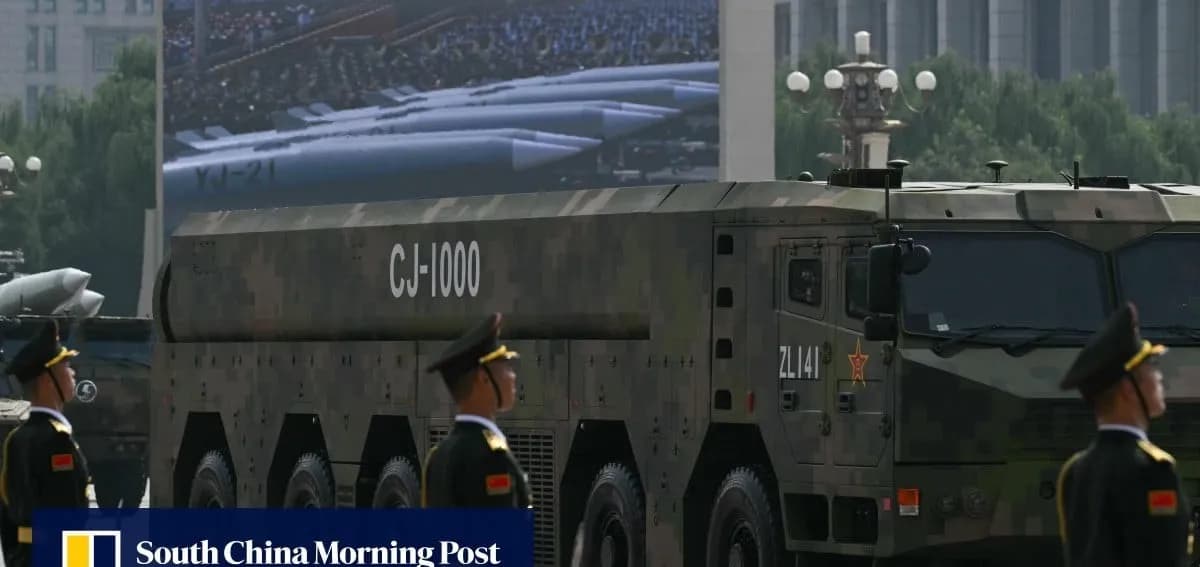
China Reduces Hypersonic Missile Core Technology Simulation to 7 Days

BTS Gwanghwamun Concert: AI Network Prevents Communication Crisis for 40,000 Fans
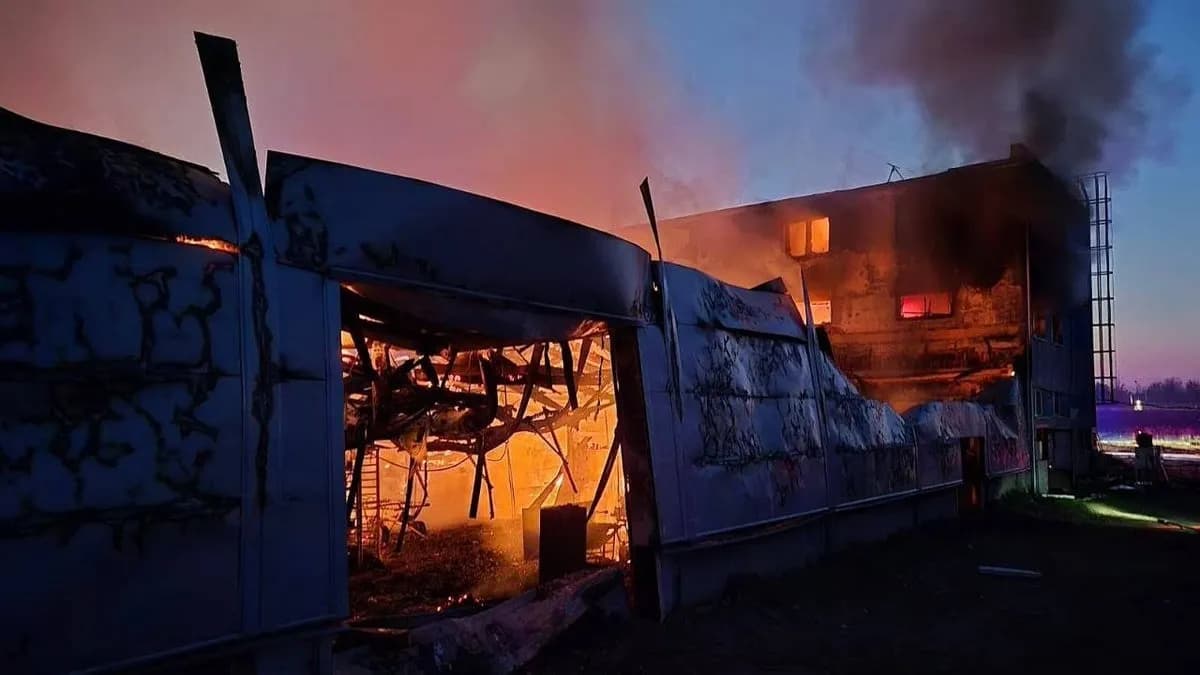
Czech Drone Factory Fire Under Investigation for Terrorism
Trump Slams NATO Allies as 'Cowards' Over Strait of Hormuz Refusal

Google Unveils Gemini 3.1 Flash-Lite Optimized for High-Volume Processing
Latest News
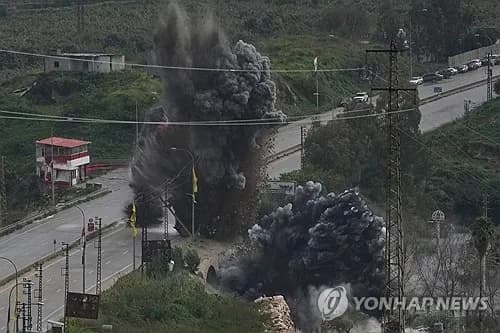
이스라엘, 헤즈볼라 무기 통로 레바논 다리 공습
이스라엘군, 헤즈볼라 무기 통로 레바논 다리 공습
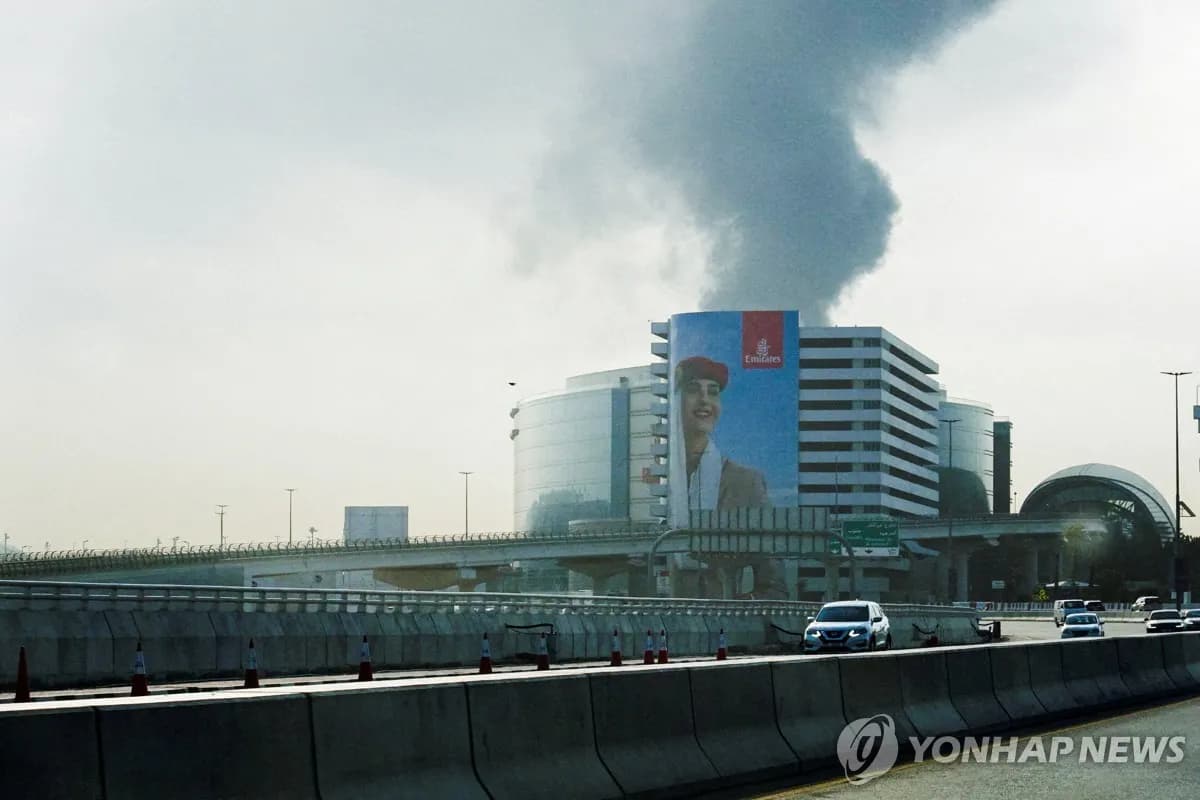
중동행 전세기 전쟁보험료 최고 7천500만원
중동행 전세기 전쟁보험료가 최고 5만달러(7천500만원)로 상승

이란 탄도미사일, 이스라엘 방어망 뚫고 160명 부상
이란 탄도미사일이 이스라엘 방공망을 통과해 160명 부상
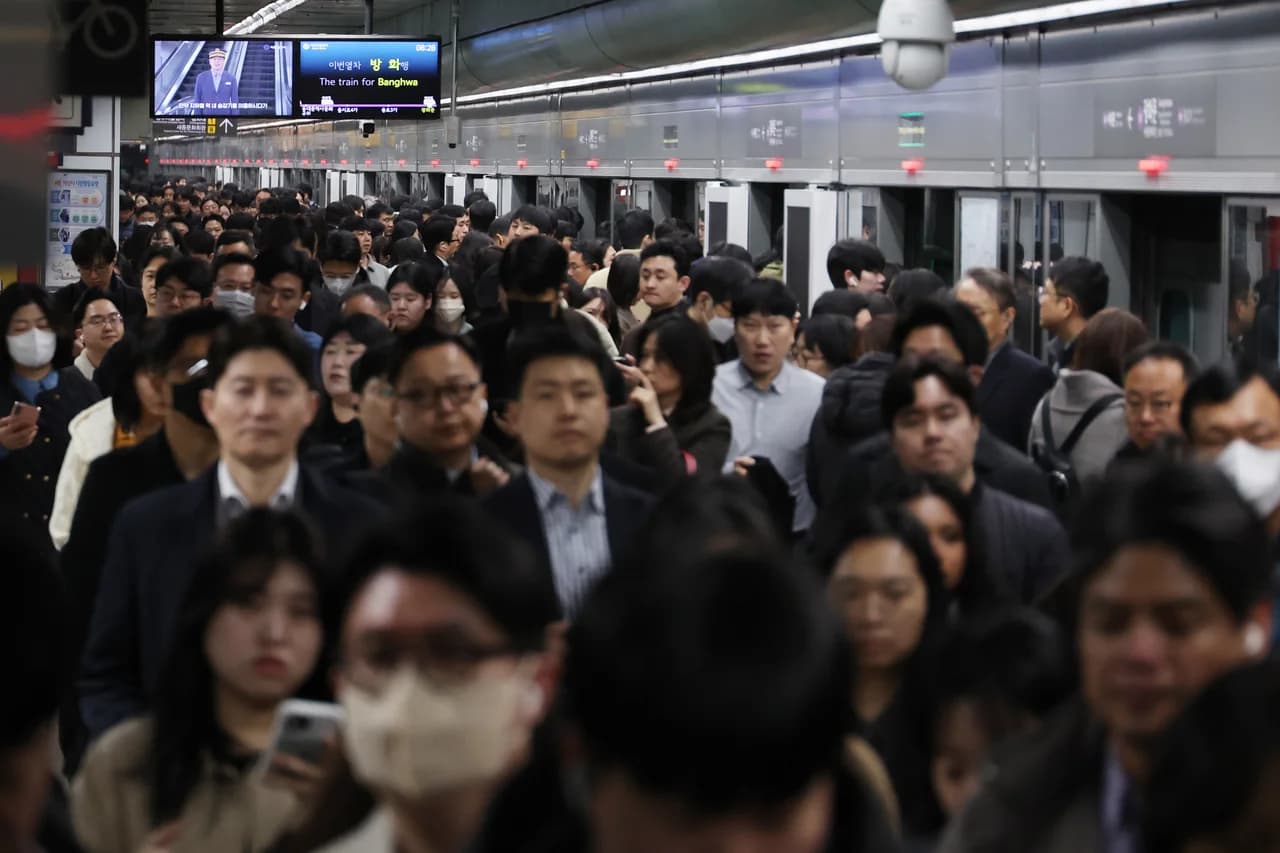
Middle East Conflict Drives Manufacturing Outlook to 10-Month Low
The Korea Institute for Industrial Economics & Trade survey shows April manufacturing outlook PSI plummeted to 88, falling below baseline for the first time in 10 months.

Lee Jae-myung Administration Excludes Multi-Home Officials from Real Estate Policymaking
President Lee Jae-myung has ordered the exclusion of multi-home owning public officials from all real estate policy processes.

Southeast Asia Growth Forecasts Cut Amid Oil Price Surge, Threatening Korean Exports
Maybank Research has downgraded ASEAN-6's 2026 growth forecast from 4.8% to 4.5%.

Volkswagen CEO Says Germany Should Learn from China's Industrial Strategy
Volkswagen CEO stated that Germany should learn from China's systematic industrial planning approach.
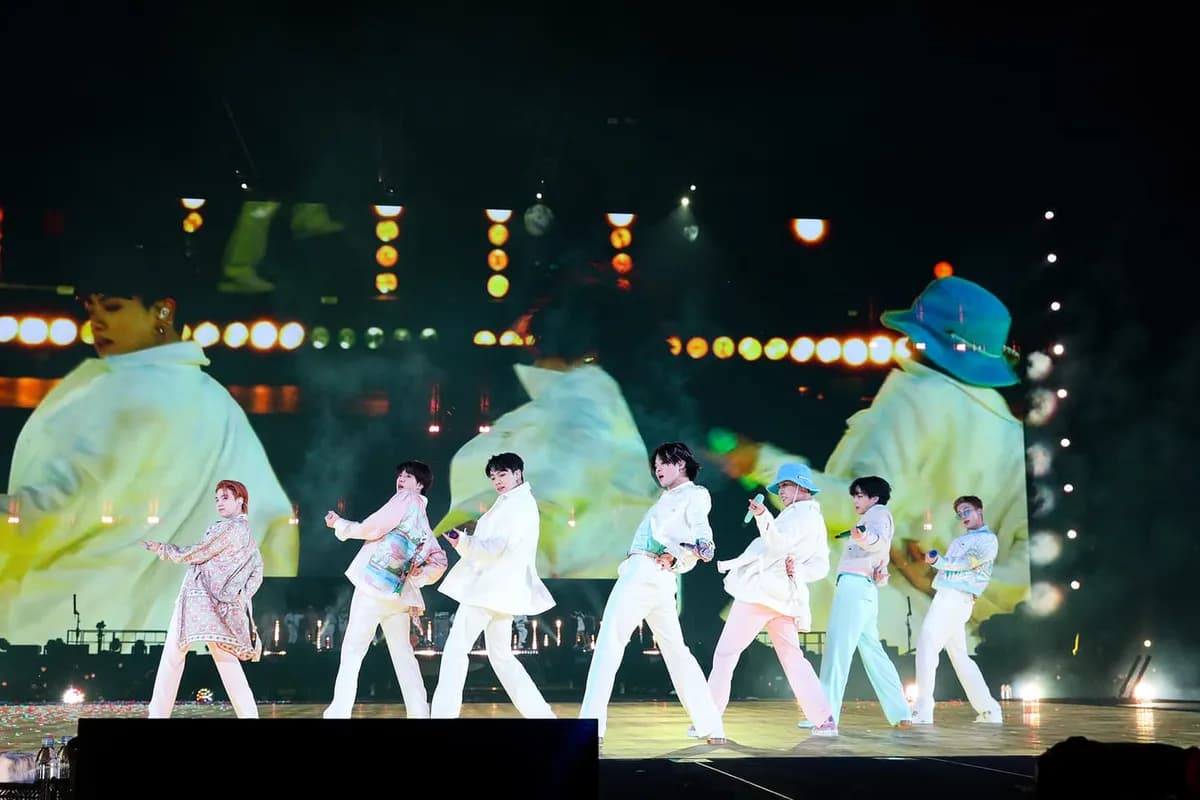
BTS Tops March Artist Brand Reputation Rankings with First Full Group Comeback in 4 Years
BTS ranked first in the Korean Corporate Reputation Research Institute's March Artist Brand Reputation Rankings based on 99 million data points.