The rocket I made as an intern made it all the way to NASA's Artemis II launch room.
Michael Guzman, a Dominican immigrant, grew into a key engineer for the first manned lunar exploration project in 50 years.

- •Michael Guzman, from a Dominican immigrant family, grew up to be a key engineer at NASA's Artemis II.
- •A model rocket I made while an intern in 2013 led to a full-time job offer in three days.
- •On the day of the first manned lunar orbit flight in 50 years, the launch room will be in charge of the main propulsion system.
Rocket equation in email signature
There's something special about Michael Guzman's work email signature. These are complex equations that explain the physics of rocket thrust, specific impulse, and liquid oxygen cooling using helium bubbles. This passage clearly shows his passion as he currently works as an Artemis II main propulsion system engineer at NASA's Kennedy Space Center.
Born in New York to a family from the Dominican Republic, Guzman moved to Florida and earned a bachelor's degree in mechanical engineering from Florida International University and a master's degree in space systems from Florida Institute of Technology. His NASA career began with an internship in the summer of 2013.
A rocket made by an intern, received a full-time job offer in 3 days
During his internship, Guzman challenged himself. He bought a textbook and started building his own model rocket in his spare time. The passion and drive he poured into it could not go unnoticed by those around him. I received a full-time job offer just three days after the model rocket launched, and I have been working at NASA ever since.
His journey, which started with a model rocket, is now at the center of a historic project to send humanity back into lunar orbit for the first time in 50 years. This is because it is responsible for the core propulsion system of the SLS (Space Launch System) rocket that will be used for Artemis II.
From launchpad 39B to launch room
Guzman joined the propulsion systems team in 2019. Initially, the focus was on the hydrogen system at Kennedy Space Center Launch Pad 39B. His responsibility was the large liquid hydrogen storage sphere and the piping system that delivered the propellant to the rocket. Currently, he is in charge of the main propulsion system inside the rocket, and on the day of the Artemis II test flight, he will work in the firing room, the center of launch operations.
At the core of his work is a comprehensive binder called the 'brain book'. Containing all the drawings, requirements, procedures and launch criteria an engineer needs, this resource is a roadmap to efficiency. Knowing this in advance allows Guzman and his colleagues to know exactly where to find the information they need and how to respond to unexpected situations.
The moment of launch where hundreds of people move as one
The key to a successful launch is teamwork. On launch day, hundreds of engineers gather in the launch room to monitor all of the spacecraft's systems. The actions of each console operator influence the others, and mission success is determined by the constant interaction of observation, communication, and prediction.
For Guzman, Artemis II is the culmination of years of preparation, research, and collaboration.
“It’s not something that happens every day, and it’s not something you get to participate in every day. When you finally see that moment come, it’s an amazing experience.” These are Guzman’s words.
댓글 (4)
The 정말 대단하네요! 좋은 소식입니다.
저도 정말 기쁜 소식이라고 생각합니다!
관계자분들의 노력에 박수를 보냅니다.
저도 정말 기쁜 소식이라고 생각합니다!
More in Life

A series of traffic accidents occurred in Gangneung... 9 injured in bus-truck collision

Chuncheon City operates agricultural machinery rental service on weekends and holidays… Minimizing gaps in the farming season
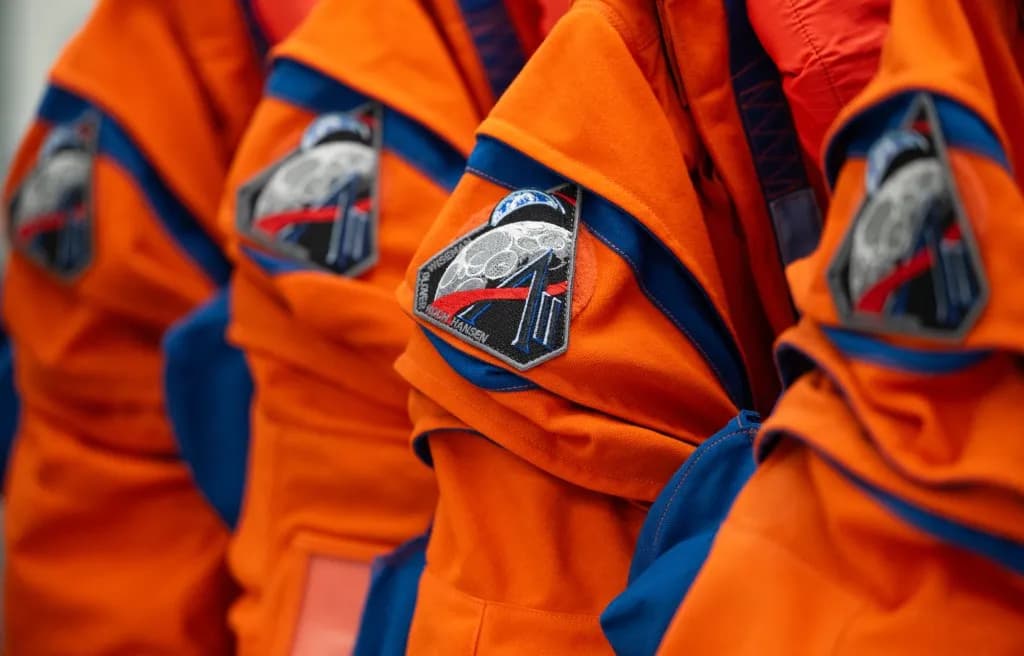
Zagreb Light Festival receives attention as 'Europe's Best Event of 2026' by Forbes

Artemis manned lunar exploration communication, this man is in charge
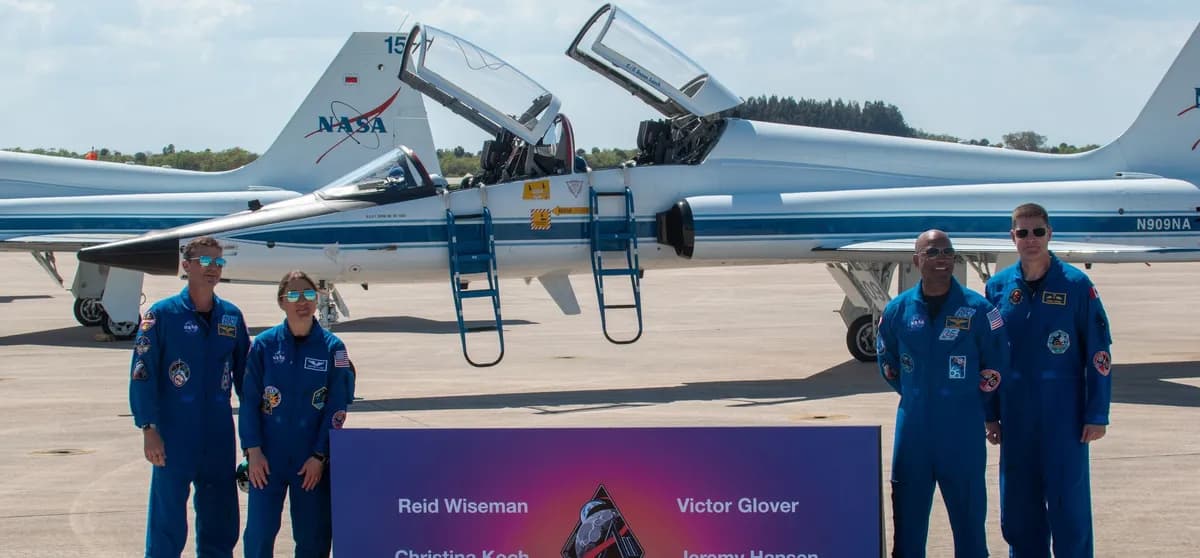
Artemis 2 astronauts arrive at Kennedy Space Center... The first manned lunar exploration in 52 years is imminent.
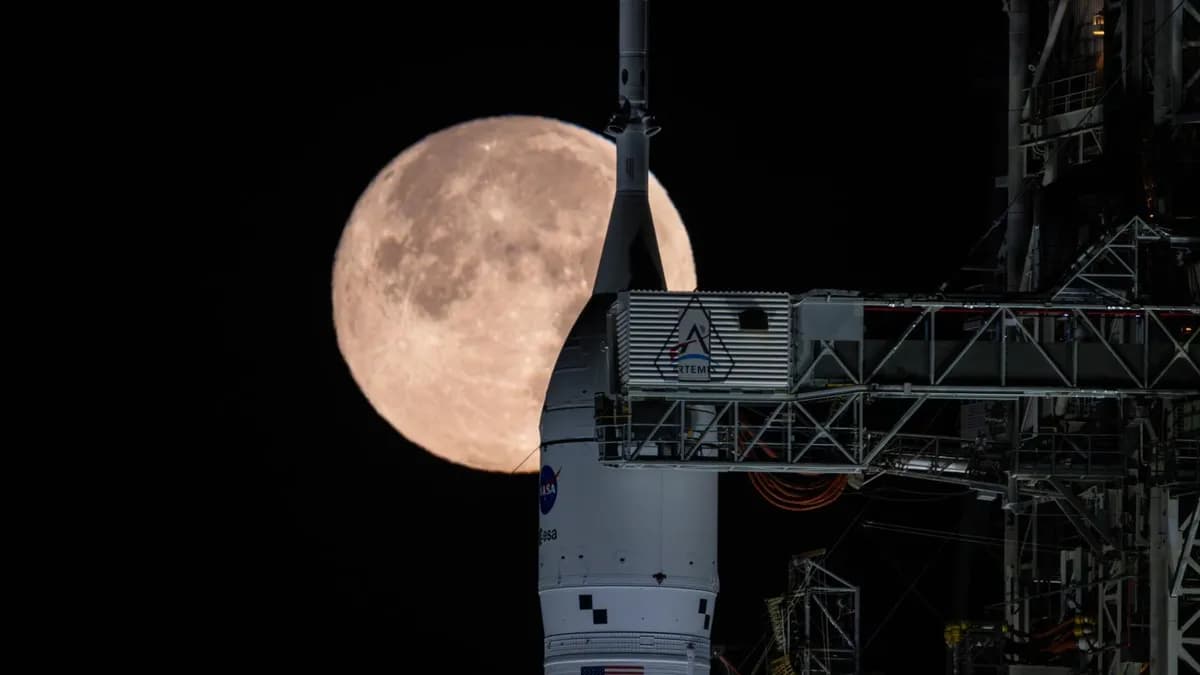
NASA Artemis 2 scheduled to launch into lunar orbit on April 1
Latest News

Man in His 30s Arrested After Crashing into Streetlight While Driving Under Propofol
Man in his 30s crashes into streetlight while driving after illegally taking propofol

Goyang Sono's 10-Game Winning Streak Ends as DB's Ellenson Explodes for 38 Points
Wonju DB ends Goyang Sono's 10-game winning streak with Henry Ellenson's 38-point explosion

Yemen's Houthis Launch Missiles at Israel, Enter War as Red Sea Security Crisis Deepens
Yemen's Houthi rebels launched missiles at Israel on the 28th, directly entering the US-Iran war

Nepal's Ex-PM Oli Arrested Over Deadly Protest Crackdown
Nepal's former PM KP Sharma Oli arrested over deadly protest crackdown

Iranian Missiles Breach Israeli Air Defense, Strike Southern Cities Dimona and Arad
Iranian ballistic missiles penetrated Israeli multi-layered air defense, striking southern cities Dimona and Arad

Mastermind of 'Revenge-for-Hire' Ring Faces Arrest Warrant Over Feces Terror Attacks
Mastermind of revenge-for-hire ring faces arrest hearing over orchestrating excrement attacks and graffiti

BBC Investigation Uncovers Error in Dopamine Agonist Drug Warnings... UK Authorities Launch Review
BBC investigation discovers critical error in patient leaflets for dopamine agonist drugs

Israel Activates Air Defense as Houthi Rebels Launch Missile from Yemen
Israeli military detects Houthi rebel missile launch from Yemen on the 28th and activates air defense