Artemis manned lunar exploration communication, this man is in charge
Story by NASA Near Space Network Mission Manager Eric Richards

- •Eric Richards, NASA Near Space Network mission manager, oversees Artemis II communications.
- •A network of more than 40 ground stations and relay satellites is responsible for the spacecraft-Earth connection.
- •For the success of manned missions, seamless operation of communication systems has become more important than ever.
The invisible lifeline connecting spacecraft and Earth
As NASA's Artemis II mission approaches, the Orion spacecraft carrying four astronauts is preparing to fly toward the moon. However, for this historic flight to be successful, uninterrupted communication between the spacecraft and Earth is essential. The person responsible for this communication is Eric Richards, NASA Near Space Network mission manager.
“The most exciting part of the Artemis campaign is being part of something bigger,” Richards said in a press release. “You don’t have to be an astronaut to contribute to the future of human exploration.”
More than 40 ground stations combined into one
The Near Space Network is a massive communications network comprised of more than 40 government and private ground stations and relay satellites stretching from Bermuda to South Africa. This network, along with NASA's Deep Space Network, enables real-time voice communication, data transmission, navigation, and situational awareness between the Orion spacecraft and ground control.
Richards' role is to ensure that all the pieces of this complex system work in sync across multiple missions. He likened this system to Earth's telephone network. When everything is working properly, it's invisible, but when a problem arises, you only realize how important it is. Without communication, there is no connection to home.
From Antarctica to lunar exploration
Richards, who grew up during the heyday of the space shuttle program, dreamed of spaceflight like many children. That dream took him from remote McMurdo Station in Antarctica to NASA's Goddard Space Flight Center in Greenbelt, Maryland, and most recently to a key role in America's lunar return program at the White Sands complex in New Mexico.
In the months leading up to launch, Richards supported extensive testing, requirements development, and preparatory operations. During the mission, the console will monitor data flow and coordinate support from NASA and partner bases around the world.
Heavier responsibility because it is a manned mission
Artemis II must maintain communication throughout the approximately 10-day flight, from launch and initial orbital entry to re-entry and launch. Having a crew onboard makes the work of Richards and the NASA network support team more important than ever.
Richards' expertise in coordinating communications between Artemis' three flight segments, dozens of ground stations, and hundreds of support personnel makes him a key asset for humanity's return to the Moon.
The support Richards and his team provide to Artemis II will lead to Artemis III and NASA's goal of sustainable human habitation on the lunar surface. Being part of this journey from the shuttle to the moon and eventually Mars connects to his childhood love of spaceflight.
댓글 (4)
Artemis 관련 기사 잘 읽었습니다. 유익한 정보네요.
흥미로운 주제입니다. 주변에도 공유해야겠어요.
lunar에 대해 더 알고 싶어졌습니다. 후속 기사 부탁드립니다.
그 부분은 저도 궁금했습니다.
More in Life

A series of traffic accidents occurred in Gangneung... 9 injured in bus-truck collision

Chuncheon City operates agricultural machinery rental service on weekends and holidays… Minimizing gaps in the farming season
Zagreb Light Festival receives attention as 'Europe's Best Event of 2026' by Forbes
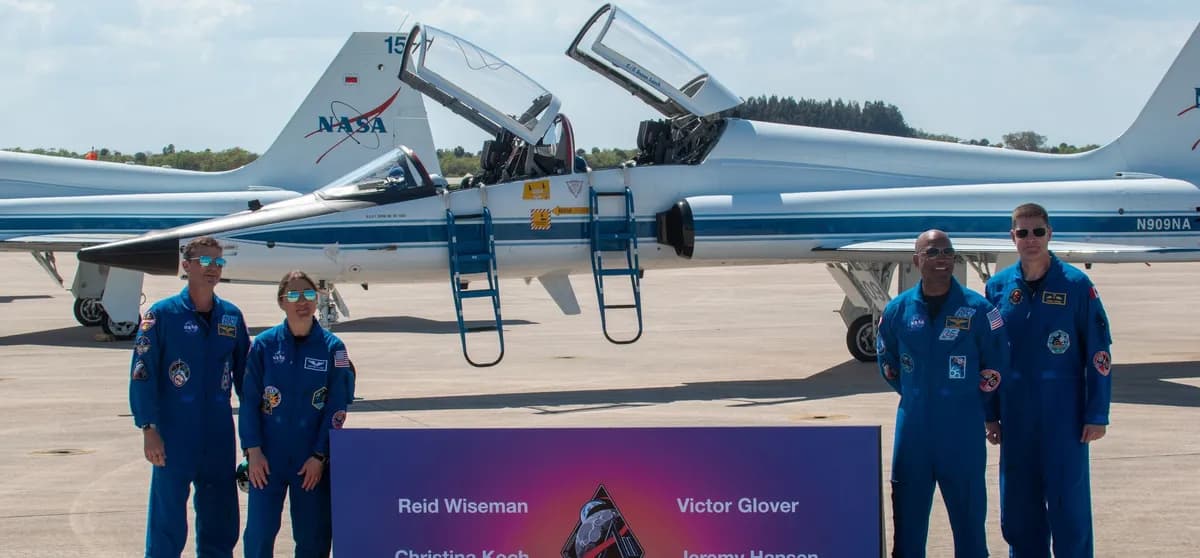
Artemis 2 astronauts arrive at Kennedy Space Center... The first manned lunar exploration in 52 years is imminent.
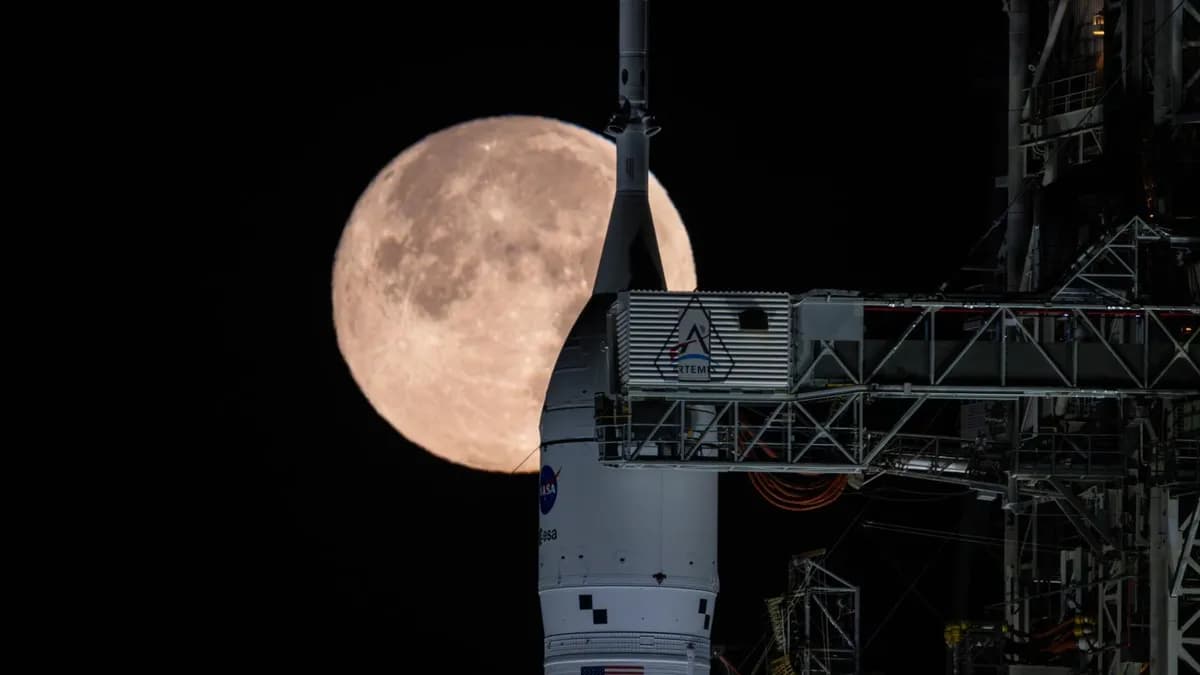
NASA Artemis 2 scheduled to launch into lunar orbit on April 1

Burger King launches ‘Peppercorn BLT Whopper’ created with fan idea
Latest News

Man in His 30s Arrested After Crashing into Streetlight While Driving Under Propofol
Man in his 30s crashes into streetlight while driving after illegally taking propofol

Goyang Sono's 10-Game Winning Streak Ends as DB's Ellenson Explodes for 38 Points
Wonju DB ends Goyang Sono's 10-game winning streak with Henry Ellenson's 38-point explosion

Yemen's Houthis Launch Missiles at Israel, Enter War as Red Sea Security Crisis Deepens
Yemen's Houthi rebels launched missiles at Israel on the 28th, directly entering the US-Iran war

Nepal's Ex-PM Oli Arrested Over Deadly Protest Crackdown
Nepal's former PM KP Sharma Oli arrested over deadly protest crackdown

Iranian Missiles Breach Israeli Air Defense, Strike Southern Cities Dimona and Arad
Iranian ballistic missiles penetrated Israeli multi-layered air defense, striking southern cities Dimona and Arad

Mastermind of 'Revenge-for-Hire' Ring Faces Arrest Warrant Over Feces Terror Attacks
Mastermind of revenge-for-hire ring faces arrest hearing over orchestrating excrement attacks and graffiti

BBC Investigation Uncovers Error in Dopamine Agonist Drug Warnings... UK Authorities Launch Review
BBC investigation discovers critical error in patient leaflets for dopamine agonist drugs

Israel Activates Air Defense as Houthi Rebels Launch Missile from Yemen
Israeli military detects Houthi rebel missile launch from Yemen on the 28th and activates air defense