Saudi ‘The Line’ project, frustration and lessons from a grand utopia
Questions facing the architectural community until the 170km future city plan was reduced to 2.4km
- •Saudi Arabia's The Line project has been halted indefinitely with only 2.4km of foundation work completed from the 170km plan
- •Despite investing $50 billion, the population target was reduced from 1.5 million to less than 300,000 due to failure to attract foreign investment and technical limitations
- •The architectural world is facing reflective questions about the relationship between innovative vision and power and spectacle.
The desert mirage that swallowed 50 billion dollars
Saudi Arabia's ambitious future city project 'The Line' is facing a serious crisis. The plan, which was announced in 2021 to accommodate 9 million people in a 170 km long mirror-surface linear city, has now entered a phase of halting construction, writing off $8 billion in losses from the sovereign wealth fund, and re-examining the strategy on what can be saved by 2030.
According to related reports, on September 16, 2025, Saudi Arabia's Public Investment Fund (PIF) suspended construction of The Line indefinitely. Of the planned 170km section, only 2.4km of foundation work has actually been completed. The population plan, which was aimed at 1.5 million residents by 2030, has been lowered to less than 300,000, and the section to be completed within 10 years is expected to be just over 2km.
The potential of an innovative vision
The Line's design philosophy began with serious criticism of existing urban planning. The problem was that traditional cities centered on roads and horizontal expansion consume more land, energy, and resources than necessary, fragmenting the natural ecosystem.
The proposed alternative was a single continuous structure 170 km long, 200 m wide, and 500 m high. It was a three-dimensional urban structure that accommodated 9 million people in an area of 34㎢ and grew the city vertically and internally, building up multiple ‘ground surfaces’ in layers. Each level functions as an independent walk-friendly neighborhood, designed so that residents can reach schools, medical facilities, parks, and workplaces within a five-minute radius.
Tarek Kadumi, head of NEOM line design, described this as a ‘five-minute sphere’ accessibility concept. A high-speed railway that runs through the entire structure connects both ends within 30 minutes, and a separate logistics line handles industrial cargo underground. The designers named this model 'Zero Gravity Urbanism' and presented it with internationally renowned architects and urban theorists at the 2023 Venice Architecture Biennale.
Discussion that began with the failure of urban planning in the 20th century
The vision presented by The Line deserves serious discussion among architects and urban thinkers who have witnessed the failure of city construction in the 20th century. The concept of a city freed from automobiles and existing road infrastructure, and a space designed to coexist with the surrounding natural landscape, was an extension of the long-standing discourse on sustainable cities.
At the time of the closing of the Line exhibition in Riyadh in 2023, this vision was considered credible and attractive. But after the exhibition, The Line began to clash with the laws of physics, political structures, and a harsh financial system. After years of excessive ambition and accumulated skepticism, the project was drastically scaled back.
Uncomfortable questions facing the architectural world
At least $50 billion has been invested to date, and half-finished construction sites are scattered throughout the desert. The overseas investment expected by the project did not materialize. Internal audits and a series of project shutdowns across the NEOM portfolio further exposed the gap between what was presented to the design community and what was feasible.
Related reports and records of NEOM's official communications raise questions that the architectural community must respond to. What does a radical reassessment of The Line’s status quo reveal? It is about the design profession's relationship with power, spectacle, frustration, and ambitious urban visions.
Future outlook [AI analysis]
The Line's setback is likely to mark a major turning point in the global architecture community's approach to megaprojects. First, the verification of technical and financial feasibility of state-led mega-city projects is expected to become more stringent.
Second, discussions on the ethical dilemmas architects and urban planners face when participating in ambitious projects of authoritarian regimes are likely to intensify. It appears that the discourse on what standards experts should set between the innovativeness of the vision and the problematic nature of the implementation context will expand.
Third, paradoxically, the core questions raised by The Line—vertical city, car-free city, city coexisting with nature—are still valid. There is a possibility that these ideas can be reinterpreted and applied on a more realistic scale and context. It is a pattern that has been repeated in the history of urban planning that the conceptual legacy left behind by failed mega projects is dispersed, leading to small-scale experiments around the world.
댓글 (3)
기사 잘 봤습니다. 다른 시각의 분석도 읽어보고 싶네요.
간결하면서도 핵심을 잘 정리한 기사네요.
Line’ 관련 기사 잘 읽었습니다. 유익한 정보네요.
More in Culture & Art

The poetics of concrete in communion with nature, Luciano Crook's 'Paula's House'
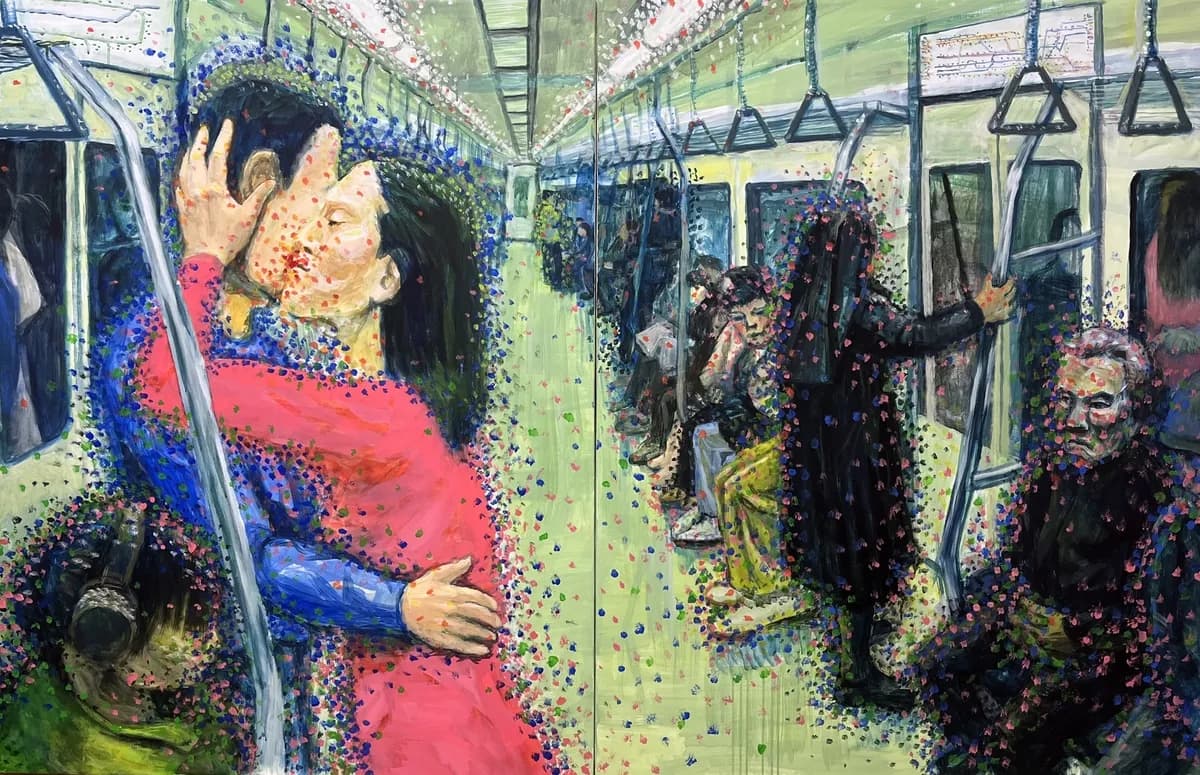
Film director and painter Oh Jeom-gyun holds an invitational exhibition ‘Spring Day is Coming’ at Gallery 0doC.
A combination of open space and private areas, hair extension salon by MAVA Design

Han Kang's 'Never Farewell' wins the National Book Critics Association Award... The first Korean novel
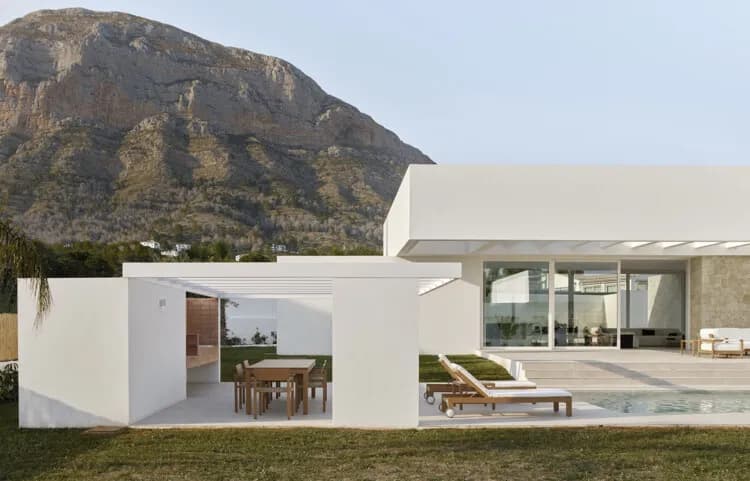
‘Philippines House’ located at the foot of Mt. Mongolia, Spain, speaks of harmony between nature and architecture
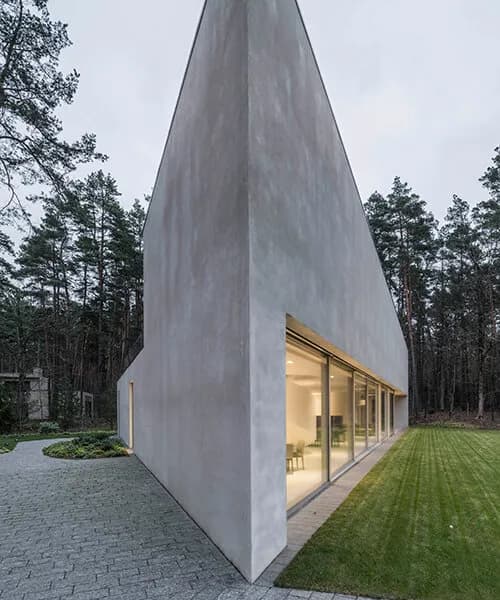
KWK Promes completes ‘Trim House’ with triangular courtyard in Vilnius
Latest News

Oh Se-hoon: "I Would Choose 5th Term as Seoul Mayor Over Presidency"
Seoul Mayor Oh Se-hoon states he would choose 5th mayoral term over presidency

BTS' 'Arirang' Tops Billboard 200 Chart—Seventh No. 1 Album
BTS's new song 'Arirang' achieves No. 1 on U.S. Billboard 200 chart
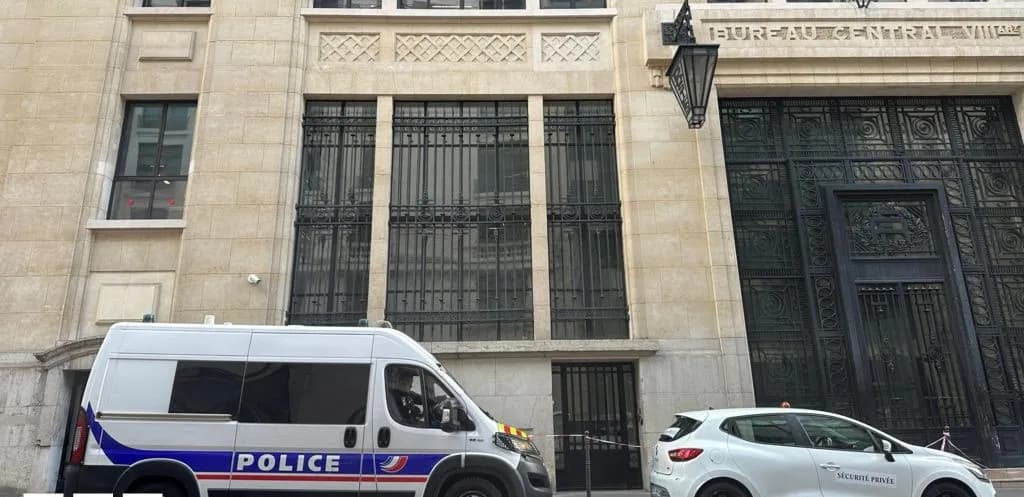
Three Arrested in Paris After Attempted Bomb Attack Near Bank of America
Three suspects arrested after attempted bomb attack near Bank of America branch in Paris

Three Journalists Killed in Israeli Strike on Southern Lebanon, Hundreds Mourn in Beirut
Three journalists killed in Israeli targeted attack on southern Lebanon
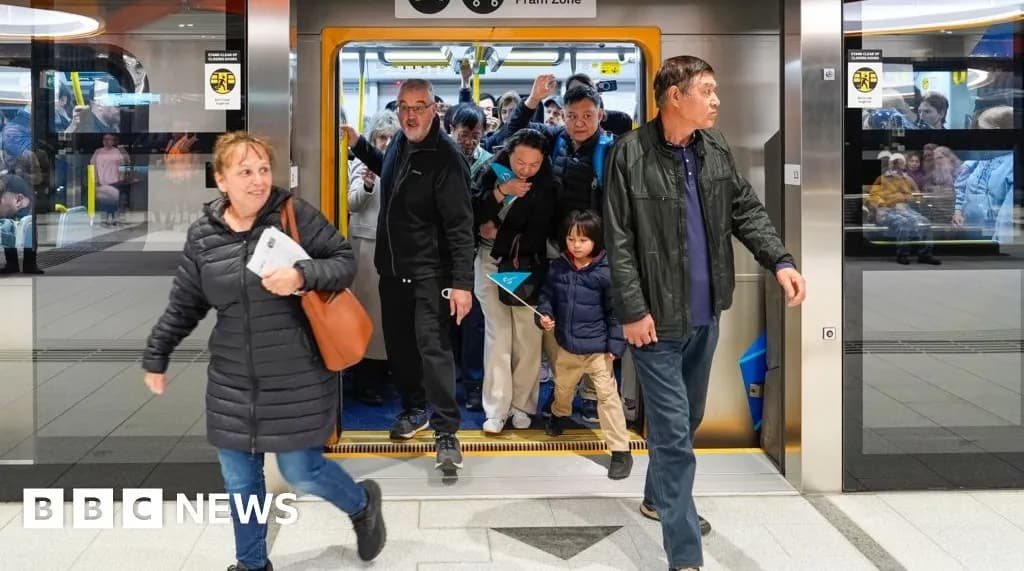
Two Australian States Offer Free Public Transport as Iran War Drives Up Fuel Prices
Victoria and Tasmania implement free public transport in response to fuel price surge from Iran war fallout
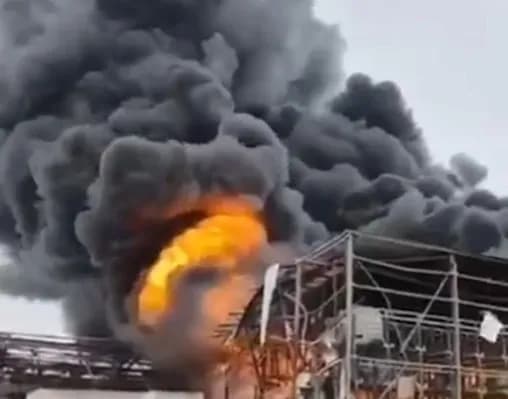
Iranian Missile Strikes Israeli Industrial Zone—Major Fire and Hazardous Material Leak
Iranian ballistic missile directly hits southern Israeli industrial zone, causing major fire
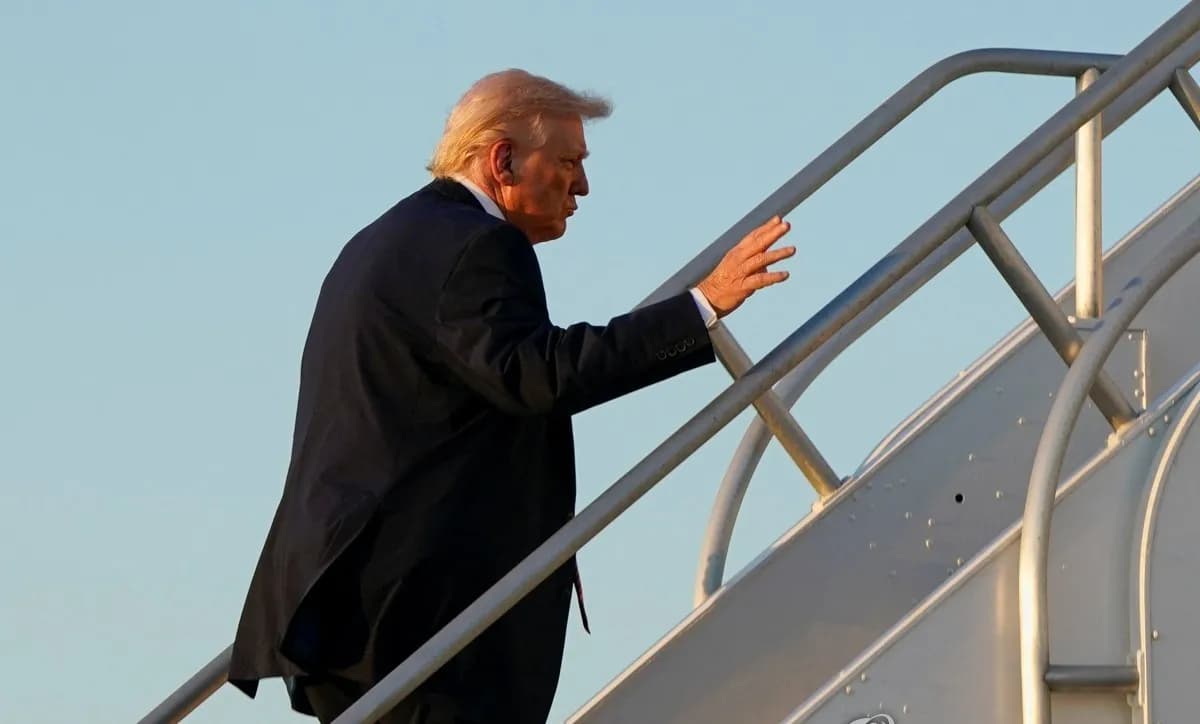
Trump Shares Pastor's Letter Amid Month-Long Iran War: "Blessed Are the Peacemakers"
President Trump shares pastor's letter on one-month anniversary of Iran war
African Football Chief Resigns Amid Morocco-Senegal Final Controversy
CAF Secretary General Veron Mosengo-Omba resigns amid Morocco-Senegal final controversy