Behind America's Sports Gambling Craze: The Addiction Crisis in the Age of $3.3 Billion NCAA Betting
7 years after the repeal of federal prohibition, searches for gambling addiction increased by 23%... Experts say warning signs and how to deal with them
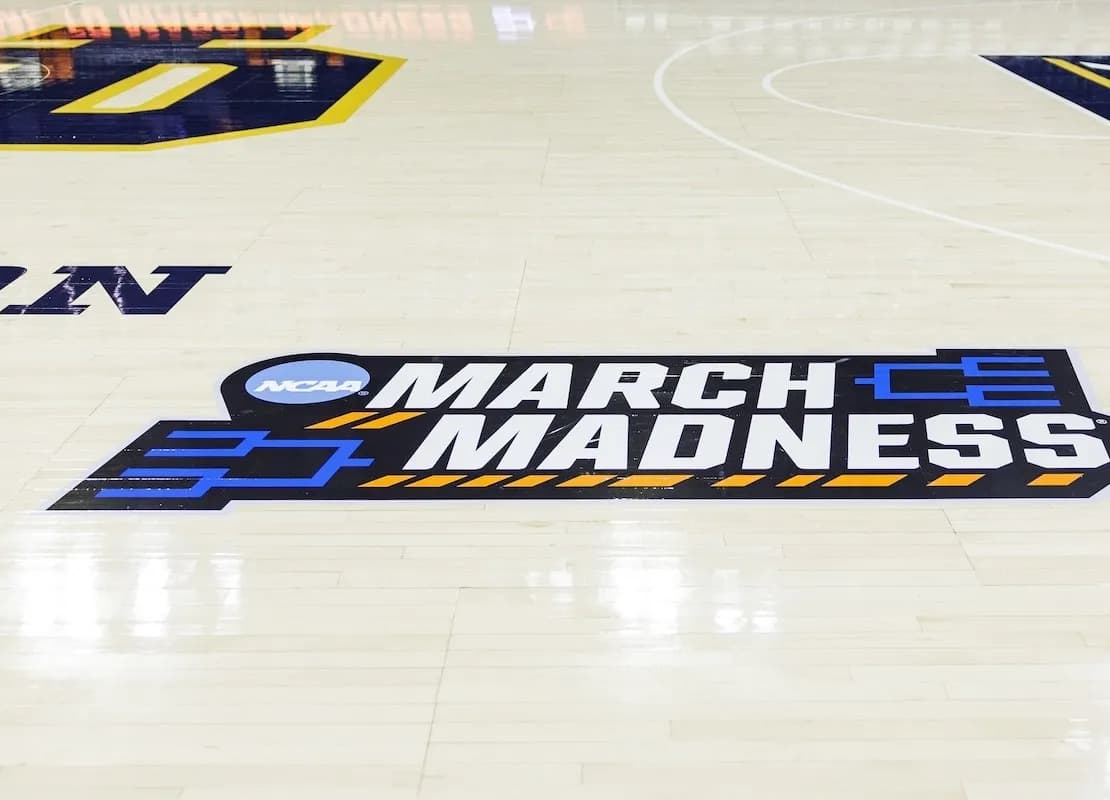
- •Americans are expected to bet $3.3 billion on this year's NCAA Tournament.
- •After the Supreme Court ruling in 2018, searches related to gambling addiction increased by 23%.
- •Experts cite chasing losses, keeping secrets, and not being able to stop betting when routine problems arise as warning signs.
Sports betting market exploding with March Madness
Americans are expected to bet as much as $3.3 billion on the NCAA men's and women's basketball tournaments this year, according to the American Gaming Association. Sports betting advertisements that fill social media, TV, and radio are luring new customers with unconventional promotions such as “up to $1,500 bonus refund if your first bet is lost.”
These ads feature athletes and cheering customers and portray betting as if it were an easy way to make money. However, behind this flashy marketing lurks the problem of rapidly increasing gambling addiction.
Why is sports gambling a problem now?
The sports betting market has grown explosively since the U.S. Supreme Court ruled in 2018 that a federal law banning sports betting in most states was unconstitutional. Some form of sports betting is currently legal in 39 states and Washington, D.C., and 32 states allow betting online and through mobile apps.
As the profits of sports betting companies such as DraftKings and FanDuel are surging, concerns about gambling are also growing. According to a 2025 study in the journal JAMA Internal Medicine, online searches related to gambling addiction increased 23% after the 2018 Supreme Court ruling.
A 2025 Siena Research Institute survey found that 48% of men ages 18 to 49 have at least one online sportsbook account, compared to 22% of all U.S. adults. The perception of gambling, which had been stigmatized by society in the past, has changed significantly.
‘Casino in your pocket’ brought about by the smartphone era
Experts point out that the widespread use of mobile apps has significantly increased the risk of gambling addiction. As betting becomes possible anytime, anywhere with just a smartphone, you are literally carrying a ‘virtual casino in your pocket.’
Jeff Derevensky, director of McGill University's International Center for Youth Gambling Problems and High-Risk Behaviors, explained, "Unlike substance use disorders, gambling disorder has no clear physical signs, so it can be easily hidden." Dr. Trent Hall, an addiction medicine specialist at Ohio State University, also warned, “Gambling disorders are often not revealed until devastating consequences such as debt, bankruptcy, job loss, mental health crisis, and suicidal thoughts occur.”
Warning signs of gambling disorder
According to the American Psychiatric Association, a person is diagnosed with clinical gambling disorder if they have met four or more of the following diagnostic criteria over the past year.
- Constant thoughts about gambling
- The urge to bet with increasingly larger amounts. -Repeated failed attempts to reduce or stop gambling
- Irritability when trying to stop gambling
- ‘Loss chase’ betting to make up for losses
- Lies to hide gambling activities
Derevensky specifically singled out ‘chasing losses’ – the act of placing another bet to win back money lost on a previous bet – as a key sign of gambling disorder.
Specific warning signs that can be observed in daily life include constantly checking sports betting apps, sneaking away to check game scores or player performance, and spending money on bets that you cannot afford. Symptoms to look out for include increased anxiety, mood swings, difficulty concentrating, difficulty sleeping, avoidance of relationships, giving up existing hobbies, and keeping financial and gambling debts secret.
The border between recreational and problem gambling
Experts emphasize that the key criterion for distinguishing problem gambling is not the size of the amount lost, but the persistence and compulsiveness of gambling. People who occasionally gamble recreationally usually set clear limits on time and money and stick to them.
On the other hand, problem gamblers repeatedly exceed their set limits, are preoccupied with thoughts of gambling even when they are not gambling, and cannot stop betting even when problems arise in various areas of their daily lives.
Future outlook [AI analysis]
The growth of the sports betting market is likely to continue for the time being. States that have not yet legalized sports betting are expected to pass related laws to secure tax revenue, and betting companies' marketing offensives are also expected to intensify.
Accordingly, it is highly likely that the problem of gambling addiction will worsen. In particular, as younger generations familiar with smartphones, such as Generation Z and Generation Alpha, become adults, accessibility to mobile betting apps will increase.
In terms of regulation, policy responses such as strengthening gambling advertising regulations, mandating self-exclusion programs, and strengthening the ability to set spending limits within betting apps are likely to be discussed. However, with sports betting becoming a major source of revenue for states, there are political and economic barriers to introducing strong regulations.
At an individual level, it is important to recognize the warning signs of a gambling disorder and to seek professional help early if a problem is suspected. In the United States, resources such as the National Problem Gambling Helpline are available. In an age where sports betting has become commonplace, recognizing the line between healthy leisure activities and destructive addictions has become more important than ever.
댓글 (2)
이 위기를 어떻게 극복할 수 있을지 전문가 의견이 더 필요합니다.
America 상황이 심각하네요. 서민들 피해가 걱정됩니다.
More in Special

U.S. political funding tracking debate: To what extent does TrackAIPAC view ‘pro-Israel funding’?

U.S. Department of Defense seeks to criminalize reporter's 'unauthorized questioning' itself
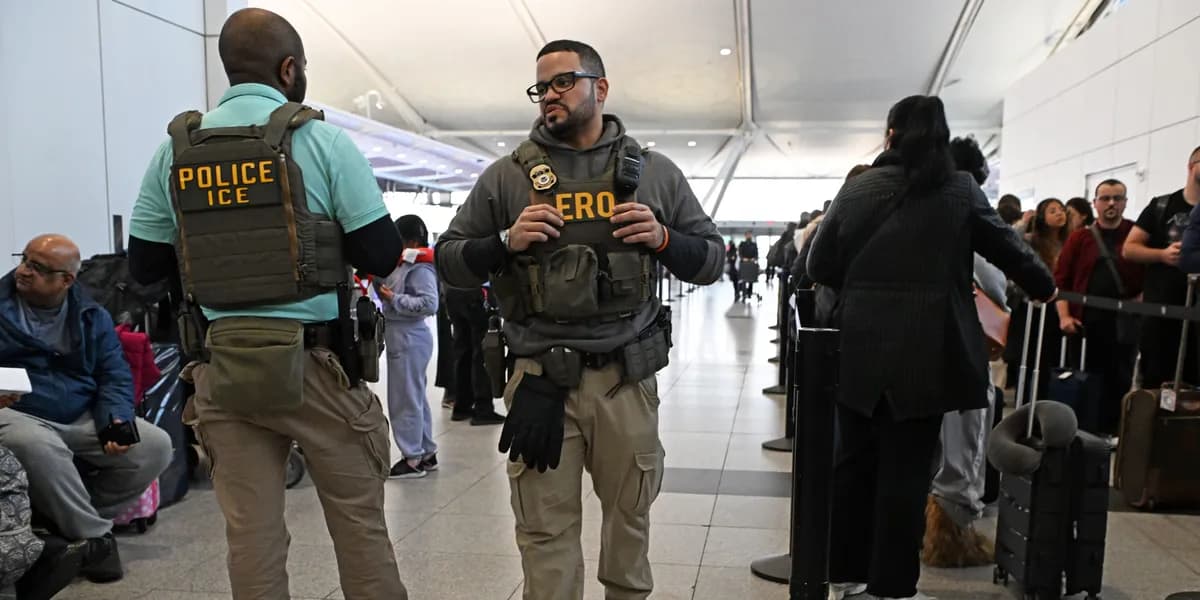
How to avoid ICE agents checking your phone at the airport

Intruder at Chinese Embassy in Japan Identified as Active JSDF Officer

New York City public hospital breaks up with Palantir... Ending controversy over commercialization of citizen health data

Canada cancels registration of 35 cryptocurrency companies... Strengthening money laundering crackdown
Latest News

Man in His 30s Arrested After Crashing into Streetlight While Driving Under Propofol
Man in his 30s crashes into streetlight while driving after illegally taking propofol

Goyang Sono's 10-Game Winning Streak Ends as DB's Ellenson Explodes for 38 Points
Wonju DB ends Goyang Sono's 10-game winning streak with Henry Ellenson's 38-point explosion

Yemen's Houthis Launch Missiles at Israel, Enter War as Red Sea Security Crisis Deepens
Yemen's Houthi rebels launched missiles at Israel on the 28th, directly entering the US-Iran war

Nepal's Ex-PM Oli Arrested Over Deadly Protest Crackdown
Nepal's former PM KP Sharma Oli arrested over deadly protest crackdown

Iranian Missiles Breach Israeli Air Defense, Strike Southern Cities Dimona and Arad
Iranian ballistic missiles penetrated Israeli multi-layered air defense, striking southern cities Dimona and Arad

Mastermind of 'Revenge-for-Hire' Ring Faces Arrest Warrant Over Feces Terror Attacks
Mastermind of revenge-for-hire ring faces arrest hearing over orchestrating excrement attacks and graffiti
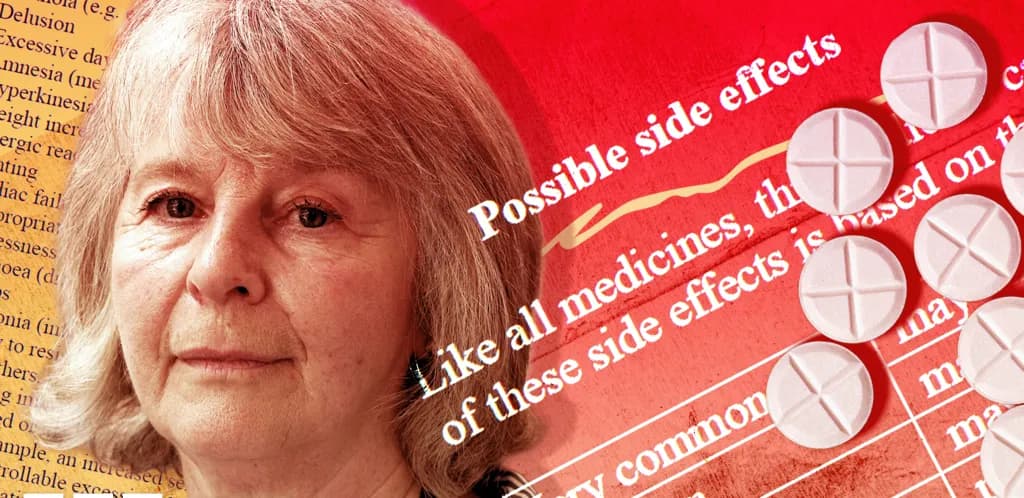
BBC Investigation Uncovers Error in Dopamine Agonist Drug Warnings... UK Authorities Launch Review
BBC investigation discovers critical error in patient leaflets for dopamine agonist drugs

Israel Activates Air Defense as Houthi Rebels Launch Missile from Yemen
Israeli military detects Houthi rebel missile launch from Yemen on the 28th and activates air defense